Hyundai Backup Camera Recall has become an important issue in automotive safety. Many drivers now depend on rearview cameras when they park or reverse their vehicles. These systems help reduce blind spots and prevent accidents. However, a growing number of Hyundai owners report problems with their backup cameras. Some see a black screen. Others experience delayed images or a complete loss of video feed.
These failures create serious safety concerns. Drivers may lose visibility when they reverse. This increases the risk of hitting objects, vehicles, or even pedestrians. The problem becomes more serious in tight parking spaces and crowded urban areas. In these situations, drivers rely heavily on camera systems to guide their movement.
The issue has also drawn attention to Hyundai Motor Company. As one of the largest global car manufacturers, Hyundai uses advanced electronic systems in many of its vehicles. These systems improve comfort and safety, but they can also fail under certain conditions. When failures happen, they often affect key safety features like the rearview camera.
Regulators have also stepped in. National Highway Traffic Safety Administration reviews these types of safety complaints. The agency evaluates whether the issue creates a risk that requires a formal recall. In cases involving visibility systems, even small failures can become serious safety concerns.
This article explains the Hyundai Backup Camera Recall in detail. It covers affected models, technical causes, safety risks, and owner actions. The goal is to help drivers understand the issue clearly and respond correctly if their vehicle is affected.
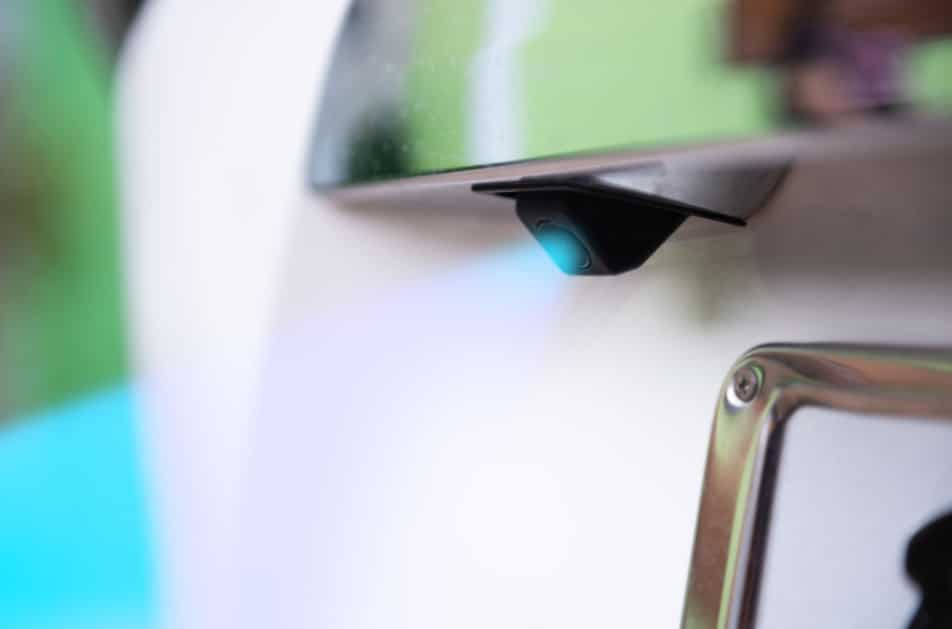
What Is the Hyundai Backup Camera Recall?
A vehicle recall happens when a manufacturer or regulator identifies a safety-related defect that affects normal driving conditions. In the case of Hyundai Backup Camera Recall, the issue relates to failures in the rearview camera system that reduce or remove rear visibility when the vehicle is in reverse.
The backup camera is designed to show a clear view of what is behind the vehicle. It helps drivers avoid collisions with obstacles, vehicles, and pedestrians. When this system stops working correctly, the driver loses an important safety tool. The defect may appear as a blank screen, frozen image, distorted display, or delayed video feed.
The problem becomes more critical because modern vehicles integrate the camera system into a central infotainment screen. When the system fails, the driver may lose not only the camera view but also other visual alerts linked to parking assistance. This creates a direct safety risk during low-speed maneuvers.
In most cases, the issue is connected to either software errors or hardware communication failures. Software glitches can interrupt the signal between the camera and the display unit. Hardware issues may involve wiring, connectors, or the control module that processes video input.
National Highway Traffic Safety Administration monitors these safety defects closely. When enough complaints are reported, the agency evaluates whether the issue violates federal safety standards. If the defect increases crash risk, it can trigger a mandatory recall.
For Hyundai vehicles, the recall process focuses on restoring full camera functionality. This may include software updates or replacement of faulty components. The goal is to ensure that the rearview camera works reliably under all driving conditions.
The Hyundai Backup Camera Recall highlights how dependent modern driving has become on electronic safety systems. Even a small malfunction in these systems can significantly affect driver awareness and road safety.
Affected Hyundai Models and Production Years
The Hyundai Backup Camera Recall does not always affect a single model or a single production year. In most cases, it involves a range of vehicles that share similar electronic systems or infotainment architectures. This makes the issue more widespread because multiple models can experience the same type of failure.
Several Hyundai models are commonly associated with backup camera issues. These include popular sedans such as the Hyundai Elantra and Hyundai Sonata, as well as SUVs like the Hyundai Tucson, Hyundai Santa Fe, and Hyundai Palisade. These vehicles often use integrated multimedia systems that combine navigation, entertainment, and rearview camera display functions in one interface.
The production years involved in recalls can vary depending on the specific defect and software version. In many cases, the issue appears in vehicles produced within certain model generations where the same electronic modules were used. This means that even small design or supplier changes can determine whether a vehicle is affected or not.
To confirm whether a specific vehicle is included in the Hyundai Backup Camera Recall, owners must usually check their Vehicle Identification Number. This VIN-based lookup allows drivers to see official recall notices tied directly to their car. It is the most accurate way to determine eligibility because it reflects factory build data and not just model names.
The variation in affected models shows how interconnected modern vehicle systems have become. A single electronic component or software platform can influence multiple vehicle lines. This is why recalls like this often span across both sedans and SUVs at the same time.
Hyundai Motor Company manages these recalls through its global dealer network. Once a recall is issued, authorized service centers provide inspections and repairs to ensure all affected vehicles meet safety standards again.
Understanding which models are affected helps owners take faster action. It also reduces confusion, since not every Hyundai vehicle is necessarily part of the recall even if it shares a similar design or technology platform.
Root Causes Behind the Backup Camera Failure
The Hyundai Backup Camera Recall is not caused by a single technical issue. Instead, it often comes from a combination of software instability and hardware communication problems within the vehicle’s electronic system. Modern Hyundai vehicles rely heavily on integrated digital architecture, where the rearview camera connects directly to the infotainment display.
One of the most common causes is a software glitch in the head unit system. When the software fails to process video input correctly, the screen may go black or freeze when the driver shifts into reverse. This type of failure can happen intermittently, which makes it harder for drivers to predict or diagnose.
Another frequent cause is wiring or connector degradation. The rear camera depends on stable electrical connections to transmit video signals. If a connector becomes loose, corroded, or damaged due to vibration or heat exposure, the signal may drop completely or become unstable. This leads to delayed or missing camera images.
Some cases also involve failure in the control module that manages video processing. When this module malfunctions, it can interrupt communication between the camera and the display screen. This creates a full loss of rear visibility even though the camera itself may still be physically functional.
Environmental conditions can worsen these issues. Temperature changes, moisture, and long-term vehicle vibration can accelerate wear on electronic components. Over time, these factors increase the likelihood of intermittent failures.
Hyundai Motor Company designs its systems to integrate multiple safety and convenience features into a single platform. While this improves user experience, it also means that a failure in one component can affect multiple functions at once.
The Hyundai Backup Camera Recall highlights how complex modern vehicle electronics have become. A small issue in software or wiring can directly impact a critical safety feature. This is why regulators treat backup camera failures as serious safety concerns rather than minor technical faults.
Safety Risks and Real World Impact
The Hyundai Backup Camera Recall raises serious concerns because rear visibility plays a critical role in everyday driving safety. Many drivers now depend on backup cameras more than mirrors when reversing. When the system fails unexpectedly, the driver may lose valuable reaction time in situations that require precise movement.
One of the biggest risks involves low speed collisions in parking lots and residential areas. Drivers often reverse in tight spaces with limited visibility. Without a functioning camera, it becomes harder to detect obstacles behind the vehicle. This includes poles, shopping carts, bicycles, and other parked cars.
The danger becomes even greater when pedestrians are involved. Children, pets, or individuals walking behind the vehicle may remain outside the driver’s direct line of sight. A delayed or blank camera screen reduces the driver’s ability to react quickly. Even a few seconds of lost visibility can increase the chance of an accident.
The issue also creates psychological stress for drivers. Many people have adapted to modern safety technology and expect it to work consistently. When the backup camera suddenly fails, drivers may hesitate or lose confidence while reversing. This uncertainty can lead to poor decision making in crowded traffic environments.
Modern vehicle safety standards place strong importance on rear visibility systems. In the United States, backup cameras became mandatory in new passenger vehicles to help reduce reversing accidents. Because of this requirement, failures linked to rearview systems receive close attention from National Highway Traffic Safety Administration.
The Hyundai Backup Camera Recall shows that electronic safety features must remain reliable under daily driving conditions. Drivers do not just use these systems for convenience. They depend on them to improve awareness and reduce accident risk during common driving maneuvers.
For many vehicle owners, the recall also creates frustration and inconvenience. Scheduling repairs, dealing with uncertain symptoms, and worrying about long term reliability can reduce trust in the vehicle. This is especially true for families who prioritize safety technology when purchasing a modern SUV or sedan.
How to Check If Your Hyundai Is Recalled
Checking whether a vehicle is part of the Hyundai Backup Camera Recall is an important step for every owner experiencing rearview camera problems. Even if the issue appears minor at first, an official recall may indicate a larger safety concern that requires immediate attention.
The most reliable way to verify recall status is through the Vehicle Identification Number, commonly known as the VIN. Every vehicle has a unique VIN that contains production and equipment information. Manufacturers and safety regulators use this number to identify affected vehicles with precision.
Owners can usually find the VIN in several locations. The number often appears on the driver side dashboard near the windshield, inside the driver door frame, or within vehicle registration documents. Once the VIN is available, drivers can check for active recalls through official recall lookup systems.
A recall check helps confirm whether the vehicle qualifies for free repairs or software updates. It also prevents confusion because not every Hyundai model with camera symptoms is automatically included in the recall campaign. Some vehicles may experience unrelated technical problems that require separate diagnostics.
Drivers should also pay attention to warning signs linked to backup camera failure. Common symptoms include a black display screen, delayed camera activation, distorted images, or intermittent signal loss while reversing. In some cases, the problem appears only occasionally before becoming more frequent over time.
Hyundai Motor Company may also contact affected owners directly through mail notifications or dealership communication. These notices typically explain the defect, the safety risks involved, and the recommended repair procedure.
If the vehicle shows symptoms associated with the Hyundai Backup Camera Recall, owners should schedule an inspection as soon as possible. Delaying repairs may increase safety risks during daily driving, especially in busy parking areas or residential environments where rear visibility is critical.
Taking early action helps drivers restore confidence in their vehicle and reduces the chance of accidents caused by limited rear vision.
Fixes, Repairs, and Owner Actions
Once a vehicle becomes part of the Hyundai Backup Camera Recall, the next step involves inspection and repair through an authorized service center. The repair process depends on the exact cause of the failure, but the goal remains the same. Technicians must restore full rearview camera functionality and ensure the system operates consistently during reversing.
In many cases, dealerships begin with a diagnostic scan of the vehicle’s electronic system. This allows technicians to identify communication errors, software instability, or hardware faults linked to the backup camera system. If the issue comes from software, the repair may only require a system update. Updated software can improve signal processing and stabilize communication between the camera and the display unit.
Some vehicles require hardware replacement instead of a simple update. Technicians may replace damaged wiring, faulty connectors, or malfunctioning control modules. In more severe cases, the rear camera itself may need replacement if internal failure prevents normal image transmission.
One important advantage of an official recall is cost coverage. Recall related repairs are usually performed at no charge to the owner. This helps reduce financial pressure for drivers who already face inconvenience from unexpected vehicle problems.
Vehicle owners should avoid ignoring intermittent camera failures. Some drivers continue using the vehicle because the issue appears only occasionally. However, electronic problems often become worse over time. A camera that fails once may eventually stop working completely.
Hyundai Motor Company works with dealerships to distribute repair instructions, replacement parts, and software updates during recall campaigns. Repair times can vary depending on part availability and dealership workload.
Drivers should also prepare for the service appointment in advance. Bringing recall notices, documenting symptoms, and explaining when the issue occurs can help technicians diagnose the problem more efficiently.
The Hyundai Backup Camera Recall reminds owners that safety technology requires proper maintenance and prompt repair attention. Acting quickly after a recall announcement helps reduce safety risks and ensures the vehicle continues operating as intended.
Conclusion
The Hyundai Backup Camera Recall highlights how important electronic safety systems have become in modern vehicles. Backup cameras are no longer optional convenience features. Drivers rely on them every day to improve rear visibility, avoid obstacles, and reduce accident risk during reversing.
The recall also shows how even a small technical failure can create serious safety concerns. Software glitches, damaged wiring, and communication errors may seem minor at first, but they can quickly affect driver awareness in critical situations. When a rearview camera stops working properly, the risk of collisions increases significantly, especially in crowded parking lots and residential areas.
Understanding the causes behind the Hyundai Backup Camera Recall helps owners respond more effectively. Drivers who recognize early warning signs such as black screens, delayed images, or intermittent signal loss can take action before the problem becomes more dangerous. Checking the vehicle’s VIN and following official recall instructions remain the safest approach.
The role of National Highway Traffic Safety Administration and Hyundai Motor Company is also essential in ensuring affected vehicles receive proper repairs and updated safety measures. Through recalls, inspections, and repair programs, manufacturers can restore confidence in systems that drivers depend on daily.
For Hyundai owners, staying informed is the best defense against unexpected safety issues. A quick recall check and timely repair appointment can help prevent accidents, improve driving confidence, and maintain the long term reliability of the vehicle.
As automotive technology continues to evolve, recalls like the Hyundai Backup Camera Recall serve as an important reminder that advanced safety features must remain dependable under real world driving conditions.