The Hyundai Tucson Air Conditioner Recall: Full Guide on Affected Models, Symptoms, and Repairs explains a key issue for owners of the Hyundai Tucson. Many drivers report air conditioning problems in different model years. These problems include weak cooling, unstable airflow, and full system failure.
Air conditioning is not only about comfort. It also affects driving safety in hot weather. A failing AC system can make long trips difficult. It can also reduce driver focus and comfort during traffic or heat waves.
Many owners feel confused when AC problems appear. Some cases come from normal wear. Other cases may relate to design or manufacturing issues. This difference matters because recall coverage can reduce repair costs.
Modern HVAC systems in SUVs like the Hyundai Tucson use electronic controls and complex compressors. Small faults in these parts can affect the whole system. Drivers often cannot identify the root cause without proper guidance.
This guide explains the Hyundai Tucson air conditioning recall in a simple way. It shows affected models, common symptoms, and repair options. It also explains how to check recall status quickly. You will learn how to protect your vehicle and avoid unnecessary repair costs.
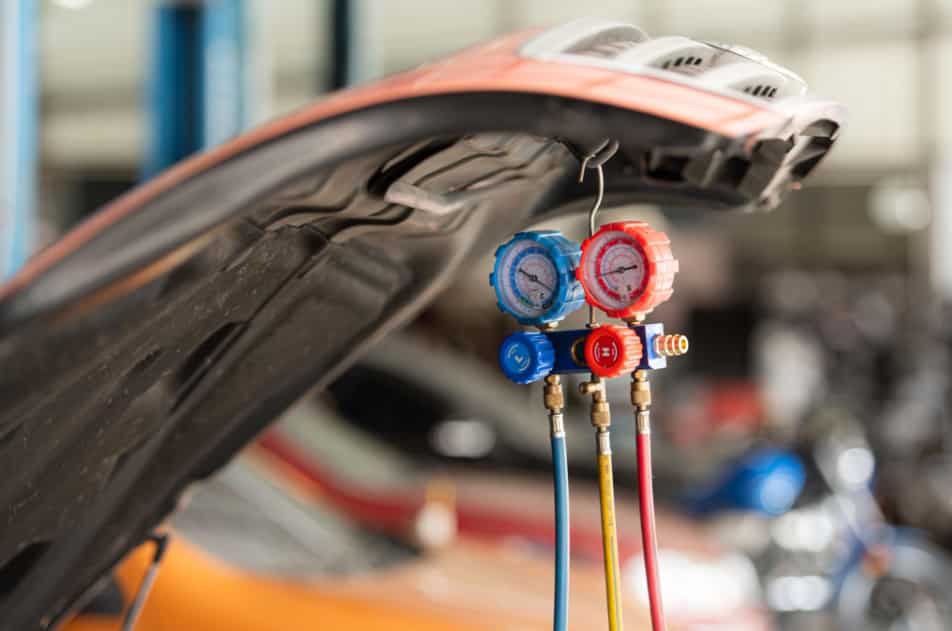
What Is the Hyundai Tucson Air Conditioner Recall
The Hyundai Tucson Air Conditioner Recall refers to a situation involving the Hyundai Tucson where the manufacturer identifies a defect in the air conditioning system. This defect affects performance and may require inspection or repair.
A recall happens when a manufacturer finds a repeated problem in a group of vehicles. The company then investigates the root cause. It may offer free repairs or replacements for affected parts.
Not every AC issue belongs to a recall. Many problems come from normal usage. Wear and tear can reduce cooling performance over time. Low refrigerant levels can also cause weak airflow.
However, a recall becomes relevant when multiple vehicles show the same failure pattern. In Hyundai Tucson models, issues often involve the compressor, sensors, or electronic climate control system. These components work together to manage cabin temperature.
The compressor plays a key role in cooling. It circulates refrigerant through the system. If it fails, the AC stops cooling properly. Sensors also affect performance. They send temperature data to the control unit. If they fail, the system behaves incorrectly.
Electrical faults can also trigger AC problems. Wiring issues or software errors may disrupt communication between parts. This leads to unstable or weak cooling.
Understanding the recall definition helps owners take correct action. It prevents confusion between normal AC issues and manufacturer-related defects.
Affected Hyundai Tucson Model Years and Variants
Some model years of the Hyundai Tucson show higher reports of air conditioning problems. These issues do not always apply to every vehicle. They depend on production batches, parts suppliers, and regional specifications.
Owners often report AC issues in certain generations of the Tucson. These problems include weak cooling, compressor noise, and intermittent airflow. Some vehicles experience these issues earlier than expected. Others perform normally for many years.
Different variants can also show different behavior. Gasoline models, hybrid models, and plug in hybrid versions may use different HVAC configurations. These differences affect performance and durability.
Some model years receive more attention due to higher complaint rates. However, not all cases lead to an official recall. Manufacturers usually investigate patterns before issuing any recall decision.
Production quality can vary between factories and suppliers. Small changes in compressor design or electronic components can create long term differences in reliability. Hot climate regions may also experience more AC related failures due to higher system load.
Owners should not assume every Tucson is affected. Instead, they should verify their specific VIN. This helps confirm whether their vehicle belongs to a recall group or not.
Understanding affected models helps owners reduce risk. It also helps buyers make better decisions when choosing a used Hyundai Tucson.
Common Symptoms of Air Conditioner Issues in Hyundai Tucson
Air conditioning problems in the Hyundai Tucson often show clear warning signs. Drivers can notice these symptoms early if they pay attention to system behavior.
One common symptom is weak cooling. The system runs, but the air feels warm or only slightly cool. This often signals low refrigerant, compressor wear, or reduced system pressure.
Another sign is unstable airflow. The air may switch between strong and weak without any change in settings. This usually points to sensor issues or control module errors.
Some drivers report unusual noise from the AC system. A failing compressor can create clicking or grinding sounds. These noises often increase when the AC load rises.
Bad smell from the vents is another symptom. Moisture buildup inside the system can create mold or bacteria. This affects air quality inside the cabin.
In some cases, the AC stops working completely. The system may still turn on, but no cold air comes out. This often indicates compressor failure or electrical faults.
Intermittent cooling also appears in some vehicles. The system works fine at first, then stops cooling during long drives. Heat and pressure changes can reveal hidden system defects.
Drivers should not ignore these signs. Early detection helps reduce repair cost. It also helps determine whether the issue may relate to a recall or normal wear.
Causes Behind Hyundai Tucson AC Problems
Air conditioning issues in the Hyundai Tucson come from several technical sources. Each cause affects system performance in a different way.
One major cause is compressor failure. The compressor controls refrigerant flow. When it wears out, the system loses cooling power. Drivers then notice warm air or weak airflow.
Refrigerant leaks also cause common problems. The system depends on stable gas pressure. When a leak occurs, cooling efficiency drops quickly. Small leaks often stay hidden until performance declines.
Electrical issues create another source of failure. The HVAC system uses sensors and control modules. Faulty wiring or sensor errors can interrupt normal operation. This leads to unstable temperature control.
Software errors can also affect performance. Modern Tucson models use electronic climate control. A small glitch in the control unit can change how the system responds to user settings.
Another cause is condenser blockage or damage. The condenser helps release heat from refrigerant. Dirt, debris, or physical damage reduces efficiency. This increases cabin temperature over time.
Environmental stress also plays a role. High heat and humidity force the system to work harder. Over time, this increases wear on key components.
Most AC problems come from a combination of these factors. Understanding the root causes helps owners choose the right repair solution and avoid unnecessary replacement costs.
How to Check If Your Hyundai Tucson Is Under Recall
You can check recall status for the Hyundai Tucson by using a few simple methods. These steps help you confirm whether your vehicle has an open air conditioning recall.
The fastest method is a VIN lookup. You can find your VIN on the dashboard or driver door frame. Enter this number on the official Hyundai website. The system will show any active recalls linked to your vehicle.
You can also contact an authorized Hyundai dealer. The service department can check your VIN in their internal system. They will tell you if your AC system or other parts require inspection or repair.
Another method is checking official recall notices in your region. Manufacturers publish recall information when safety or performance issues appear. These notices include affected model years and component details.
If your vehicle shows a recall, you should book a service appointment quickly. Dealers usually inspect the system first. Then they confirm if repair or replacement is needed.
You should not ignore recall alerts. Early action helps prevent further damage. It also ensures you receive free repair if your vehicle qualifies under the recall program.
Regular checks also help used car buyers. Many buyers verify recall status before purchase. This step reduces long term repair risk and improves vehicle reliability.
Repair Process for Hyundai Tucson Air Conditioner Recall
When a recall applies to the Hyundai Tucson, the repair process follows a clear procedure at authorized service centers.
The dealer first inspects the air conditioning system. Technicians check the compressor, refrigerant level, sensors, and control modules. They identify whether the issue matches the recall condition.
If the vehicle qualifies, the dealer performs the repair at no cost in most recall cases. The repair may include replacing the compressor or fixing related HVAC components. Some cases also require software updates for the climate control system.
The time required depends on the problem. Simple inspections may take a few hours. Full repairs can take one or more days if parts are not available.
Owners usually receive notification before the repair begins. However, drivers can also book a service appointment after confirming recall status through VIN lookup.
Warranty coverage plays an important role. If the vehicle is still under warranty, repair costs are usually covered. If the warranty has expired but the issue is part of a recall, the manufacturer may still provide free repair.
After repair, the dealer tests the system again. They confirm that cooling performance returns to normal. They also check for additional hidden issues in the HVAC system.
This process ensures the vehicle meets performance standards and restores proper air conditioning function.
Cost of Repair If Not Covered by Recall
Repair costs for the air conditioning system in the Hyundai Tucson can vary when the issue is not covered by a recall or warranty program.
The compressor is often the most expensive part. Replacement cost can be high because it requires both parts and labor. In many cases, the total cost increases if other HVAC components also need repair.
Refrigerant refill is a smaller expense. However, this service does not solve deeper mechanical or electrical issues. It only restores temporary cooling performance.
Electrical or sensor repairs usually fall in a mid cost range. Technicians may need to replace wiring, sensors, or control modules. Diagnostic time also adds to the total cost.
Labor charges differ between dealerships and independent garages. Authorized service centers usually charge more, but they provide OEM parts and official repair standards. Independent workshops may offer lower prices, but quality can vary.
Total repair cost depends on the severity of the problem. A minor issue may cost a small amount. A full compressor failure can become significantly more expensive.
Owners should always compare repair options. They should also check recall eligibility before paying for repairs. This step helps avoid unnecessary expenses and ensures proper diagnosis.
Regular maintenance reduces long term costs. Early detection of AC issues helps prevent major system failure and expensive repairs.
Prevention and Maintenance Tips
Proper maintenance helps reduce air conditioning problems in the Hyundai Tucson. Regular care also improves system performance and extends component lifespan.
Drivers should service the air conditioning system at regular intervals. Technicians can check refrigerant levels and inspect for leaks. Early detection prevents small issues from becoming major failures.
It is important to run the AC system regularly, even in cold seasons. This keeps internal parts lubricated and reduces compressor strain over time.
Cabin air filters also need replacement. A clogged filter reduces airflow and forces the system to work harder. Clean airflow improves cooling efficiency and air quality.
Drivers should avoid overloading the AC system. Setting the temperature too low for long periods increases stress on the compressor. Balanced usage helps maintain system stability.
Parking in shaded areas also helps reduce AC workload. A cooler cabin reduces the time needed for the system to reach optimal temperature.
Strange noises or weak cooling should never be ignored. Early inspection helps prevent expensive repairs and improves long term reliability.
Good maintenance habits reduce the risk of major HVAC issues. They also lower the chance of unexpected repair costs and improve driving comfort.
Conclusion
The Hyundai Tucson Air Conditioner Recall: Full Guide on Affected Models, Symptoms, and Repairs helps owners understand important HVAC issues in the Hyundai Tucson. Air conditioning problems can come from many sources. Some cases relate to normal wear. Other cases may involve manufacturing defects that lead to recall actions.
Understanding the difference between normal failure and recall conditions is very important. It helps owners avoid unnecessary repair costs. It also ensures proper action when real system defects appear.
This guide explained affected models, common symptoms, technical causes, and repair options. It also showed how to check recall status using VIN lookup and dealer support. Each step helps owners make faster and more informed decisions.
Regular maintenance and early detection play a key role in preventing major HVAC failures. Simple actions like filter replacement and system checks can improve long term performance.
If your Hyundai Tucson shows signs of AC failure, you should act early. You should verify recall status and contact an authorized dealer when needed. This approach protects comfort, safety, and vehicle value.
Staying informed helps you manage your vehicle more effectively and avoid unexpected repair costs in the future.