Many Hyundai Sonata owners do not know their vehicle is part of an engine recall until issues appear during daily driving. This often leads to confusion because engine problems can develop slowly and show no clear warning at first.
The Hyundai Sonata engine recall covers serious engine defects that may cause power loss, knocking noises, or complete engine failure. These issues affect multiple model years, so owners need to check if their vehicle is included in the affected range. In many cases, internal engine wear or oil circulation problems damage key components over time.
Drivers often feel uncertain when early symptoms appear. Some hear strange engine noises. Others notice warning lights or reduced performance. These signs can point to deeper engine problems linked to recall conditions. Early detection helps reduce repair costs and improves safety.
This guide explains the affected models and years. It also breaks down the engine defects in simple terms and shows what steps owners should take if their vehicle is at risk.
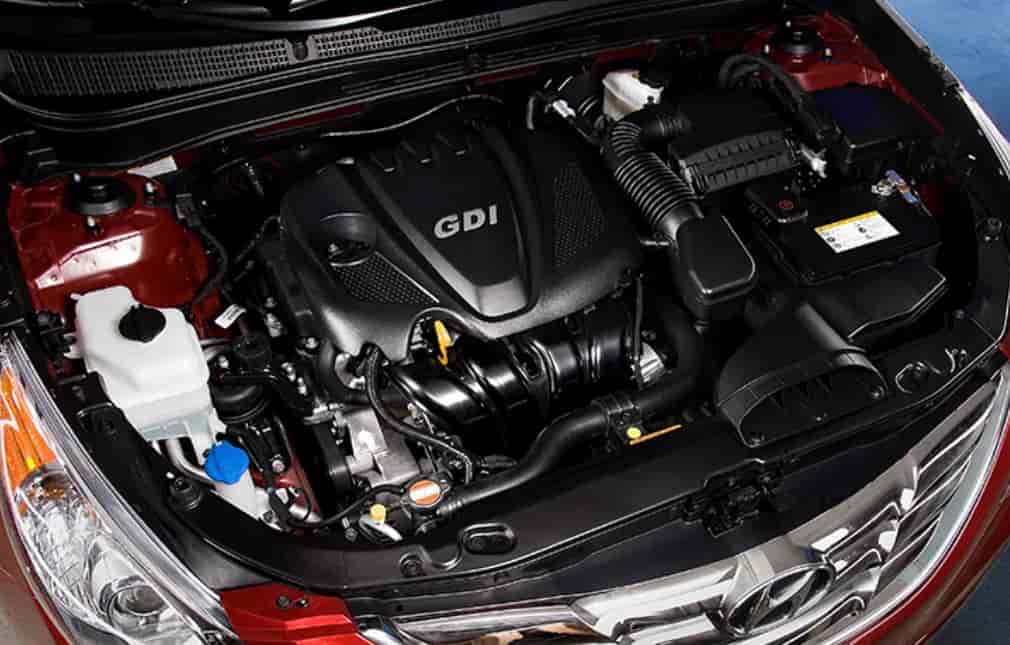
Full List of Affected Hyundai Sonata Models and Years
The Hyundai Sonata engine recall mainly affects several production years that share specific engine designs. These engines show higher risk of internal wear, oil circulation issues, and long term durability problems. Not every Sonata is affected, but certain model years fall within high risk groups that owners should check carefully.
The most impacted range includes Hyundai Sonata models from 2011 to 2014. These vehicles often use the Theta II engine family, which has been widely associated with engine knocking, oil consumption issues, and sudden engine failure. In many cases, the problem develops gradually as internal components wear down faster than expected under normal driving conditions.
Some Hyundai Sonata models from 2015 to 2019 may also be included depending on engine configuration and manufacturing batch. These newer versions received design improvements, but certain engine variants still reported similar failure patterns under stress or poor lubrication maintenance. This means the risk does not disappear completely in later years.
Owners of Hyundai Sonata within these year ranges should verify their VIN status through official recall databases or dealership systems. This step is important because recall eligibility depends not only on the model year but also on engine type and production details.
Understanding the affected range helps owners quickly identify whether their vehicle is at risk. It also allows them to take early action before symptoms become more serious and lead to costly repairs or unexpected breakdowns.
Why the Problem Happens
The Hyundai Sonata engine recall is mainly caused by internal engine defects that develop over time. These issues usually start inside the engine block and slowly affect performance, reliability, and safety. Most drivers do not notice the problem until clear symptoms appear during normal driving.
One of the main causes is metal debris inside the engine. Small metal particles can form during manufacturing or early engine wear. These particles circulate with engine oil and gradually damage key components such as bearings and crankshaft surfaces. Over time, this damage reduces engine efficiency and increases the risk of failure.
Oil circulation problems also play an important role. Some affected engines do not receive consistent lubrication across all internal parts. When oil flow becomes restricted or uneven, friction increases between moving components. This leads to overheating, abnormal wear, and long term damage.
Engine knocking often appears as an early warning sign. It happens when internal parts no longer move smoothly and begin to collide or vibrate under pressure. If this condition continues, it can escalate into severe mechanical failure.
In more serious cases, the engine may lose power suddenly while driving. This happens when internal damage becomes too severe for the engine to maintain normal operation. Once this stage is reached, repair or replacement is usually required.
These defects affect the long term durability of Hyundai Sonata and make early detection very important for owners who want to avoid expensive repairs and unexpected breakdowns.
Warning Signs of Engine Failure You Should Never Ignore
Engine problems linked to the Hyundai Sonata engine recall often develop gradually, but the warning signs usually appear before a complete breakdown. Recognizing these early symptoms can help drivers avoid serious damage and reduce repair costs.
One of the most common warning signs is a knocking or ticking noise coming from the engine. This sound often becomes louder during acceleration or when the vehicle carries a heavier load. It usually indicates internal wear and abnormal movement between engine components.
Another key signal is the appearance of warning lights on the dashboard. The oil pressure light or check engine light may turn on when the engine experiences lubrication problems or abnormal performance readings. These alerts should not be ignored because they often point to deeper mechanical issues.
Many drivers also notice a sudden drop in engine performance. The vehicle may feel weaker during acceleration or struggle to maintain speed. In some cases, fuel efficiency also decreases noticeably, which reflects internal engine stress.
Stalling is another serious symptom. The engine may shut off unexpectedly while idling or during slow movement in traffic. This creates a safety risk because the driver loses power control at critical moments.
These warning signs often appear in vehicles affected by Hyundai Sonata before major engine failure occurs. Acting early when these symptoms appear can prevent costly repairs and improve driving safety.
How Hyundai Handles the Recall Process
When a vehicle is confirmed as part of the Hyundai Sonata engine recall, the manufacturer and authorized dealerships follow a structured process to inspect and resolve the issue. This process aims to identify engine defects early and reduce safety risks for owners.
The first step is a VIN verification. Owners provide their vehicle identification number, and the system checks whether the car is included in the recall campaign. If the vehicle qualifies, the dealership schedules an inspection appointment to assess engine condition.
During inspection, technicians evaluate engine noise, performance data, and internal wear indicators. If they detect serious damage or high failure risk, they recommend either repair or full engine replacement depending on the severity of the issue. In many cases, replacement is the most reliable solution.
Hyundai often supports affected owners through warranty extensions or recall coverage programs. These programs may reduce or eliminate repair costs for eligible vehicles. However, coverage depends on model year, engine type, and service history.
Authorized dealerships handle most of the repair work. They order replacement parts, coordinate scheduling, and complete the engine service. Some owners may experience waiting time due to parts availability or high demand for repairs.
For owners of Hyundai Sonata, following the recall process quickly is important. Early action helps prevent further engine damage and ensures the vehicle remains safe and reliable on the road.
Risk Level: Should Owners Worry?
The Hyundai Sonata engine recall raises understandable concerns for many owners, especially those who depend on their vehicle for daily travel. The actual risk level depends on several factors, including model year, engine condition, and maintenance history.
Vehicles in the 2011 to 2014 range generally carry higher risk because they are more likely to develop internal engine wear over time. These engines may show early signs such as knocking noise or oil consumption before failing completely. Later models may have improved designs, but some risk still exists depending on engine type and usage conditions.
Driving behavior and maintenance also influence the risk level. Engines that receive regular oil changes and proper servicing tend to perform better over time. However, even well maintained vehicles can still experience issues if they fall within affected production groups.
Most failures do not happen suddenly without warning. In many cases, drivers notice performance changes before a major breakdown occurs. This gives owners a chance to inspect the vehicle and take corrective action early.
For owners of Hyundai Sonata, the key point is awareness rather than panic. Checking recall status and monitoring engine behavior regularly can significantly reduce the chance of unexpected failure and improve long term safety.
Conclusion
The Hyundai Sonata engine recall highlights a serious issue that affects multiple model years and engine types. Many of these problems relate to internal engine wear, oil circulation issues, and long term durability defects that can lead to reduced performance or sudden engine failure.
Understanding the affected models and years helps owners quickly identify whether their vehicle is at risk. Most concerns center around earlier production years, but some later models may still require attention depending on engine configuration and maintenance history. Early awareness plays a key role in preventing unexpected breakdowns and improving vehicle safety.
Engine defects often develop gradually, so warning signs such as knocking noises, warning lights, or power loss should never be ignored. These symptoms usually indicate that internal damage is already occurring and that inspection is needed as soon as possible.
For owners of Hyundai Sonata, the most important step is to verify recall status through official channels and respond quickly if the vehicle is affected. Taking early action helps reduce repair costs, avoid safety risks, and maintain long term reliability.
If you own a Sonata, staying informed is the best protection. Regular checks and timely servicing can make a significant difference in preventing serious engine problems in the future.