The Hyundai Elantra Engine Recall has raised serious concerns among car owners about engine reliability and driving safety. Many drivers did not expect that certain Hyundai Elantra models would face engine problems that could lead to sudden failure while driving. This issue affects not only vehicle performance but also the safety of people on the road.
Hyundai identified a defect in specific engine components that may wear out earlier than expected. This defect can cause warning signs such as knocking noises, power loss, or engine stalling. In some cases, the engine may stop working completely without warning. These problems increase the risk of accidents, especially when driving at high speeds or in heavy traffic.
Hyundai launched a recall program to inspect and repair affected vehicles. The company aims to fix engine issues and improve safety for drivers. Owners can bring their vehicles to authorized dealerships for inspection and repair under the recall policy.
If you own a Hyundai Elantra, you should understand how the Hyundai Elantra Engine Recall affects your vehicle. You need to know which models are included, what symptoms to watch for, and what steps to take if your car is part of the recall. You also need clear information about repair coverage and service time.
This article explains the Hyundai Elantra Engine Recall in detail. It covers the causes of the issue, affected models, warning signs, and actions owners should take. The goal is to help you make informed decisions and stay safe while driving.
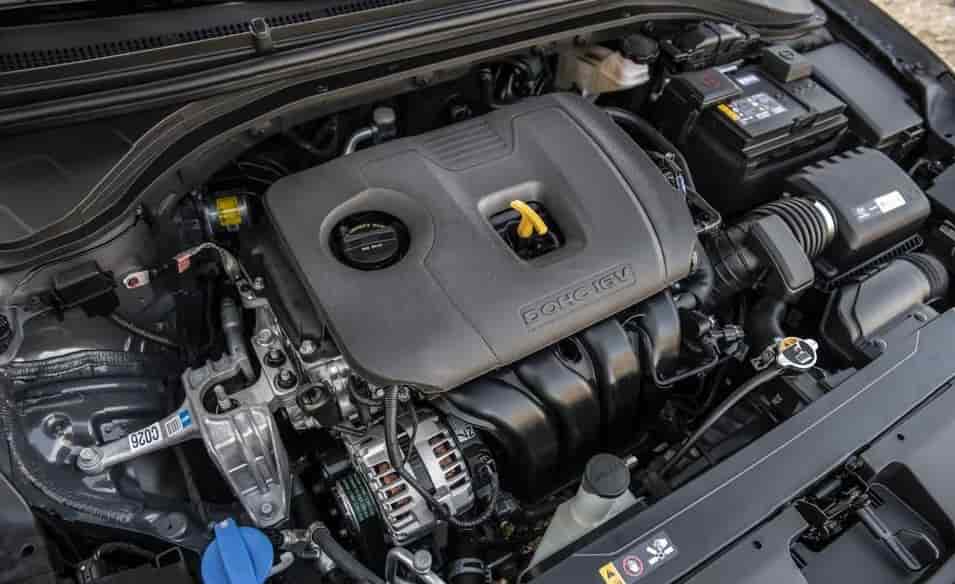
What Is the Hyundai Elantra Engine Recall?
The Hyundai Elantra Engine Recall refers to an official safety action taken by Hyundai to inspect and repair specific engine-related defects in certain Hyundai Elantra vehicles. A recall happens when a manufacturer finds a safety or performance issue that may affect normal vehicle operation and decides to fix it at no cost to the owner. In this case, Hyundai focused on engine problems that could increase the risk of sudden failure while driving.
This recall mainly targets engine defects that may develop over time due to internal wear or manufacturing issues. Hyundai discovered that some engines may not perform reliably under normal driving conditions. When this happens, the engine may produce warning signs such as unusual noise, reduced power, or sudden shutdown. These symptoms can affect both safety and driving comfort.
Hyundai uses the recall process to reduce risks and prevent serious accidents. The company contacts affected owners and asks them to bring their vehicles to authorized service centers. Technicians inspect the engine and decide whether repair or full engine replacement is necessary.
The Hyundai Elantra Engine Recall is not just a routine maintenance update. It represents a response to a safety-related defect that can affect vehicle performance in real driving situations. For this reason, understanding the recall helps owners take the right action early and avoid unexpected engine failure.
Root Causes of Hyundai Elantra Engine Failure
The Hyundai Elantra Engine Recall is mainly linked to internal engine failures that develop from a combination of design limitations and manufacturing defects. Hyundai identified that some engines may suffer from premature wear inside critical components. This wear can gradually reduce engine performance and eventually lead to complete failure if not addressed in time.
One of the most common causes is rod bearing wear. The rod bearings support engine movement and reduce friction between metal parts. When these bearings wear out too quickly, they create metal debris inside the engine. This debris increases friction and can lead to engine knocking or sudden seizure. In severe cases, the engine may stop working without warning.
Another contributing factor is oil flow instability. Some engines may not maintain consistent oil distribution under certain driving conditions. When oil does not reach all internal parts properly, it increases heat and friction. Over time, this condition damages key engine components and reduces overall durability.
Manufacturing residue inside the engine has also been identified as a potential issue. Small metal particles left during production can circulate inside the engine and accelerate internal damage. This problem increases long term wear and raises the risk of engine failure.
Hyundai engine systems related to the Theta engine family have been widely discussed in connection with these issues. These engines are known to experience knocking sounds and performance decline when internal damage begins. If drivers ignore early warning signs, the damage can become severe and require full engine replacement.
Understanding these root causes helps explain why the Hyundai Elantra Engine Recall became necessary. It also highlights the importance of early inspection when symptoms first appear.
Affected Hyundai Elantra Models and Years
The Hyundai Elantra Engine Recall does not apply to every vehicle, but it focuses on specific model years and engine configurations that show a higher risk of failure. Hyundai and safety regulators identified patterns of engine issues in certain production ranges, which helped define the list of affected vehicles.
Most affected Hyundai Elantra models fall within older production years that use engines from the Theta engine family. These engines appear more likely to develop internal wear problems over time. In many cases, vehicles built between certain early 2010s model years are more frequently included in recall notices, especially when they share similar engine designs and manufacturing processes.
The recall coverage can vary depending on engine type, production plant, and regional specifications. This means two Hyundai Elantra vehicles from the same year may not always face the same risk level. Hyundai uses VIN checks to confirm whether a specific vehicle belongs to the recall group. This system allows owners to verify eligibility with precision instead of relying only on model year information.
Drivers often discover that their vehicle is affected after entering their VIN into the official recall database or after receiving a notice from Hyundai. Once confirmed, the vehicle enters the inspection program, where technicians evaluate engine condition and determine if repair or replacement is required.
Understanding the affected models is important because it helps owners assess risk early. If a vehicle falls within the recall range, it is better to schedule an inspection quickly rather than wait for symptoms to appear. This proactive approach reduces the chance of unexpected engine failure and improves overall driving safety.
Warning Signs of a Failing Engine
A failing engine usually shows clear warning signs before a complete breakdown happens. The Hyundai Elantra Engine Recall highlights several symptoms that drivers should never ignore because early detection can prevent serious damage and improve safety on the road.
One of the most common warning signs is engine knocking noise. This sound often appears when internal metal parts create excess friction. Drivers may notice a repetitive knocking or tapping sound that becomes louder during acceleration. This usually indicates that engine components are wearing out.
Another early sign is a sudden loss of engine power. The vehicle may feel slower than usual or struggle to accelerate even when the driver presses the gas pedal. This happens when the engine cannot maintain proper combustion or fuel efficiency.
Dashboard warning lights also play an important role. The check engine light may turn on when the system detects abnormal engine behavior. While this warning does not always mean immediate failure, it signals that the engine needs inspection.
Some drivers may also experience engine stalling. The vehicle may shut off unexpectedly while idling or even during motion. This situation creates a serious safety risk, especially in traffic or on highways.
In some cases, drivers notice excessive oil consumption or a burning smell coming from the engine area. These signs often indicate internal wear or oil flow problems that affect engine stability.
Recognizing these symptoms early helps reduce the risk of sudden engine failure. When drivers respond quickly, they increase the chance of avoiding major repairs and improve overall safety.
Safety Risks and Driving Impact
The Hyundai Elantra Engine Recall is not only a mechanical issue but also a serious safety concern. When an engine fails while driving, it can create dangerous situations that affect both the driver and other road users. Hyundai addressed this issue because sudden engine failure can happen without enough time for the driver to react safely.
One major risk is loss of power while driving at high speed. If the engine stops working on a highway, the vehicle may quickly lose acceleration. This makes it difficult to move to a safe lane or reach the roadside. In heavy traffic, this situation increases the chance of rear-end collisions.
Another risk involves unexpected engine stalling in intersections or urban roads. When a vehicle stops suddenly in traffic, it can block movement and create confusion for surrounding drivers. This can lead to accidents, especially when visibility is low or traffic is dense.
Engine failure can also reduce control over critical vehicle functions such as power steering and braking assistance. Although basic braking may still work, the effort required to control the vehicle increases. This can make emergency handling more difficult, especially for less experienced drivers.
In some cases, drivers also experience psychological stress when they lose confidence in their vehicle. This can lead to cautious or hesitant driving behavior, which may indirectly affect traffic flow and reaction time.
Hyundai introduced the recall program to reduce these risks and improve driver safety. By inspecting and repairing affected engines, the company aims to prevent sudden breakdowns and restore reliable vehicle performance. For owners, understanding these risks helps emphasize why early recall action is important.
Hyundai Recall Fix and Repair Process
The Hyundai Elantra Engine Recall includes a structured repair process designed to identify engine problems early and fix them without charging the vehicle owner. Hyundai works through authorized dealerships to handle inspections and repairs in a controlled and standardized way.
When an affected owner brings the vehicle to a dealership, technicians first perform a detailed engine inspection. They check for abnormal noise, metal debris, oil circulation issues, and performance instability. This step helps determine the current condition of the engine and confirms whether the defect is present.
If the engine shows early signs of damage, Hyundai may apply a software update or minor repair depending on the severity. In more serious cases, the company replaces the entire engine to ensure long term safety and reliability. This decision depends on diagnostic results and manufacturer guidelines.
The repair process usually requires the vehicle to stay at the service center for a certain period of time. The duration depends on parts availability and the level of repair needed. Some cases are completed within a few days, while engine replacement can take longer due to supply and labor requirements.
Hyundai covers the cost of inspection and repair under the recall program. Owners do not pay for parts or labor if their vehicle is confirmed as part of the recall group. This policy helps reduce financial burden and encourages drivers to address the issue quickly.
After the repair, technicians test the vehicle to confirm that the engine operates normally. The goal is to restore safe driving performance and prevent future engine failure.
How to Check If Your Hyundai Elantra Is Affected
To confirm whether your vehicle is included in the Hyundai Elantra Engine Recall, you need to check its Vehicle Identification Number, commonly called VIN. This method provides the most accurate result because it identifies your exact car instead of relying only on model year or engine type.
The VIN is a unique 17 character code found on your vehicle registration documents, on the dashboard near the windshield, or inside the driver side door frame. Once you locate it, you can use Hyundai’s official recall lookup system to check eligibility.
You simply enter the VIN into the recall database and submit the search. The system will show whether your Hyundai Elantra has any active recalls, including engine related issues. If your vehicle is affected, the system will also provide instructions on how to schedule a repair appointment.
Another way to check is by contacting an authorized Hyundai dealership directly. Dealers can access the same database and confirm recall status using your VIN. They can also explain the next steps and help you book a service appointment.
Hyundai may also send official recall notifications by mail to registered owners. However, not all owners receive letters on time, so manual VIN checking is more reliable.
It is important to perform this check even if your vehicle runs normally. Some engine problems develop without early warning signs, so waiting for symptoms can increase risk. Checking your recall status early helps ensure your Hyundai Elantra remains safe and properly maintained.
Compensation, Warranty, and Legal Settlement
Owners affected by the Hyundai Elantra Engine Recall often want to understand what financial support or compensation they can receive. Hyundai has introduced warranty extensions and repair coverage programs to reduce the burden on drivers and improve trust in affected vehicles.
In most recall cases, Hyundai covers all repair costs related to the engine defect. This includes diagnostic checks, labor, parts replacement, and full engine replacement if needed. Owners do not need to pay for these services as long as their vehicle is confirmed as part of the recall program.
Hyundai also extends warranty coverage for specific engine issues in some cases. This extension allows owners to receive free repairs even if the original warranty period has already expired. The goal is to ensure that defects linked to manufacturing problems are fully addressed without extra cost to the customer.
Some regions may also have legal settlements or class action outcomes related to engine defects. These settlements can provide additional compensation such as reimbursement for repairs completed before the recall or partial financial support for affected owners. The availability of these benefits depends on local regulations and case outcomes.
It is important for owners to keep service records and recall documents. These records help support any claims for reimbursement or warranty coverage. They also ensure smoother communication with dealerships and Hyundai support teams.
Understanding compensation options helps owners reduce financial risk and make informed decisions. It also reinforces the importance of acting quickly once a recall notice is identified.
What Hyundai Elantra Owners Should Do Now
If you own a Hyundai Elantra, the most important step is to confirm whether your vehicle is affected by the Hyundai Elantra Engine Recall as soon as possible. Even if your car currently runs normally, engine defects can develop without clear warning, so early action helps reduce risk.
Start by checking your Vehicle Identification Number through the official Hyundai recall system or by contacting an authorized dealership. This step quickly confirms whether your car is included in the recall group and what type of service it needs. If your vehicle is affected, you should schedule an inspection without delay.
After confirmation, bring your car to a Hyundai service center for a full engine evaluation. Technicians will check for internal wear, abnormal noise, oil issues, and performance problems. Based on the results, they may repair minor issues or replace the engine if necessary.
While waiting for service, pay attention to warning signs such as engine knocking, loss of power, or sudden stalling. If any of these symptoms appear, avoid long-distance driving and contact a dealership immediately. This reduces the chance of unexpected breakdowns in traffic.
It is also important to keep all recall documents and service records. These records help you track repair status and ensure full coverage under Hyundai’s recall program. They may also support future warranty or reimbursement claims if needed.
Taking quick action improves safety and prevents further engine damage. By staying proactive, Hyundai Elantra owners can reduce risk, protect their vehicle, and maintain confidence while driving.
Conclusion
The Hyundai Elantra Engine Recall highlights serious engine issues that can affect vehicle performance and driving safety. The problem mainly comes from internal engine defects that may lead to knocking sounds, power loss, or sudden engine failure. Hyundai responded by launching a recall program to inspect and repair affected vehicles at no cost to owners.
This issue affects specific Hyundai Elantra models, especially those with engines linked to known manufacturing and design weaknesses. Understanding which vehicles are included helps owners take action early instead of waiting for symptoms to appear. Early detection plays a key role in preventing dangerous driving situations.
The recall process includes VIN verification, dealership inspection, and possible engine repair or full replacement. Hyundai also provides warranty extensions and full cost coverage for approved recall cases. This reduces financial pressure and ensures that safety issues are addressed properly.
For owners, the most important step is to check recall status and schedule service as soon as possible. Ignoring early warning signs can increase the risk of sudden engine failure, especially in traffic or high speed driving conditions.
By staying informed and acting quickly, drivers can protect both their vehicle and their safety on the road.