The Hyundai Tucson Engine Recall has raised serious concerns among SUV owners who rely on their vehicles for daily commuting and long-distance travel. When an engine recall affects a popular model like the Hyundai Tucson, it immediately draws attention because engine performance is directly tied to safety, reliability, and overall driving confidence. Many drivers are now asking the same question: what exactly caused this issue, and how serious is it for long-term ownership?
An engine recall typically signals that a manufacturer has identified a defect that could lead to performance failure or safety risks. In the case of the Hyundai Tucson, the concerns often involve internal engine components that may degrade faster than expected. These failures can result in symptoms such as power loss, engine knocking, or even sudden stalling while driving. Such issues are not just inconvenient but can also increase the risk of road accidents, especially in high-speed traffic conditions.
Understanding this recall is important because it affects both current owners and potential buyers in the used car market. It also helps drivers evaluate whether their vehicle is at risk and what steps they should take next. In this guide, we will break down the causes, affected models, warning signs, and available fixes in a clear and practical way so you can make informed decisions about your vehicle.
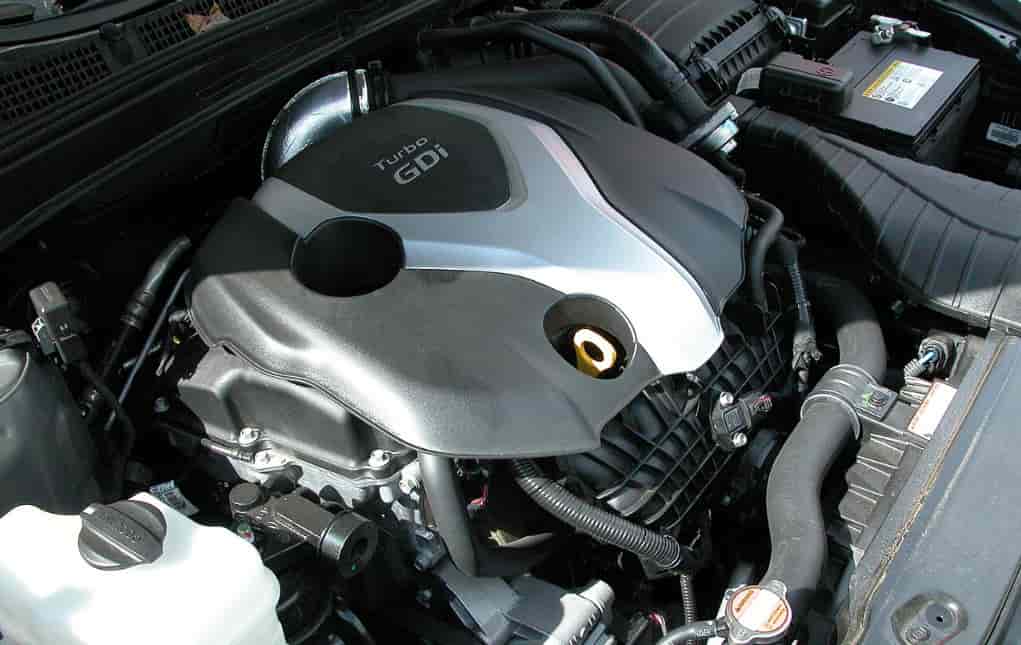
What Is the Hyundai Tucson Engine Recall
The Hyundai Tucson Engine Recall refers to a manufacturer safety action taken when a defect is found in the engine system of the Hyundai Tucson. Hyundai issues this recall when it determines that certain vehicles may develop engine problems that affect safety, reliability, or compliance with regulations.
In most cases, the recall process starts when engineers detect abnormal engine behavior or when drivers report repeated failures. The company then investigates the root cause and confirms whether the issue affects a group of vehicles. If the risk is significant, Hyundai coordinates with safety authorities and launches a recall campaign.
For the Hyundai Tucson, the concern is mainly related to internal engine components that may wear out faster than expected. This can lead to reduced performance, sudden power loss, or complete engine failure in some cases. These symptoms often appear without clear warning, which makes the issue more dangerous for drivers on the road.
Once the recall is active, Hyundai informs affected owners and provides repair solutions. These solutions usually include engine inspections, software updates, or full engine replacement depending on the severity of the defect. All repairs are typically handled through authorized dealerships.
This recall is important because it directly impacts driving safety and long-term vehicle value. Owners who understand the issue early can reduce risk, avoid breakdowns, and ensure their vehicle remains safe to operate.
Causes Behind the Hyundai Tucson Engine Recall
The main causes behind the Hyundai Tucson Engine Recall come from internal engine defects that affect durability and long-term performance in the Hyundai Tucson. These issues usually do not appear immediately. Instead, they develop over time as engine components wear under heat, pressure, and continuous operation.
One of the most common causes is premature wear in key internal parts such as bearings and connecting components. When these parts degrade faster than expected, they create friction inside the engine. This friction can lead to knocking sounds, reduced efficiency, and eventually serious engine damage.
Another contributing factor is oil circulation problems. In some cases, the engine may not distribute oil properly across all critical parts. Without stable lubrication, metal components rub against each other and increase the risk of overheating or internal failure.
Manufacturing inconsistencies can also play a role. Small variations during production may affect engine balance or structural durability. Even minor defects can become serious when exposed to long-term driving conditions such as high speed travel or heavy load usage.
In some situations, sensor or software calibration issues may also contribute. If the engine management system fails to respond correctly to abnormal conditions, it may not protect the engine in time, which increases the chance of damage.
These combined factors explain why the recall exists. The issue is not caused by a single failure point but by a combination of mechanical stress, design limitations, and long-term wear patterns that affect engine reliability.
Affected Models and Production Years
The Hyundai Tucson Engine Recall does not affect every vehicle, but it targets specific production years and engine configurations within the Hyundai Tucson lineup. Understanding which models are included helps owners quickly determine their risk level and take appropriate action.
In most recall cases, affected vehicles belong to certain generations where engine design or manufacturing processes were updated. These updates sometimes introduce unexpected reliability issues that only become visible after real-world driving over several years. As a result, only specific batches of production are included rather than the entire model range.
The affected vehicles are usually identified through production year ranges and engine types. Drivers cannot rely only on appearance or trim level because the same model may contain different engine variants depending on the market and manufacturing plant. This is why Hyundai uses the Vehicle Identification Number, commonly known as VIN, to confirm eligibility for recall services.
Regional differences also play an important role. A model produced for the United States market may be included in a recall, while the same model in another region may not be affected due to different engine specifications or quality control standards. This makes official verification essential for every owner.
For used car buyers, checking recall history is especially important. A vehicle may look fully functional, but still belong to an affected production batch. Identifying this early helps avoid unexpected repair costs and ensures better long-term reliability.
Symptoms of Engine Problems Before Failure
Engine issues related to the Hyundai Tucson Engine Recall often develop gradually before a complete failure occurs in the Hyundai Tucson. Recognizing early warning signs can help drivers prevent serious damage and reduce safety risks on the road.
One of the most common symptoms is unusual engine noise. Drivers may hear knocking, ticking, or metallic sounds coming from the engine bay. These noises often indicate internal friction or wear in key components that should normally operate smoothly.
Another early sign is a noticeable loss of power during acceleration. The vehicle may feel slower than usual or struggle when climbing hills. This happens when the engine cannot maintain proper combustion efficiency or fuel delivery balance.
Dashboard warning lights are also an important indicator. The check engine light may appear when the system detects abnormal performance. While this warning does not always mean immediate failure, it signals that the engine needs inspection.
Excessive oil consumption is another frequent symptom. The engine may require frequent oil top-ups, which suggests internal leakage or burning of oil due to component wear. If ignored, this can quickly lead to overheating and severe damage.
In more serious cases, the engine may stall while driving or shut down unexpectedly. This is the most dangerous symptom because it can happen without warning and increases the risk of accidents, especially in traffic or highway conditions.
Early detection of these symptoms is critical. Acting quickly allows owners to seek inspection and prevent costly engine repairs or complete engine replacement.
Risks and Safety Concerns
The Hyundai Tucson Engine Recall presents several serious risks that affect both driving safety and long-term vehicle reliability in the Hyundai Tucson. These risks are not only mechanical but also directly related to real-world driving situations where engine failure can lead to dangerous outcomes.
One of the most critical risks is sudden engine failure while driving. When the engine stops unexpectedly, the driver may lose power steering and braking assistance, especially at higher speeds. This can make it difficult to control the vehicle and increases the chance of accidents in traffic or highway conditions.
Another concern is the increased probability of breakdowns in unsafe locations. If the engine fails in the middle of a busy road or remote area, drivers and passengers may be exposed to additional hazards such as oncoming traffic or delayed roadside assistance.
In some cases, severe engine damage may also create overheating risks. When internal components fail, friction and heat can rise quickly inside the engine system. If not addressed, this can lead to further mechanical damage and expensive repairs.
The recall also affects vehicle value. Cars with known engine issues usually lose resale value because buyers see them as higher risk investments. Insurance companies may also take recall history into account when assessing coverage conditions.
Overall, these risks highlight why early inspection and timely repair are essential. Ignoring recall warnings can turn a manageable issue into a serious safety problem.
How to Check If Your Vehicle Is Affected
Checking whether your vehicle is included in the Hyundai Tucson Engine Recall is a critical step for every owner of the Hyundai Tucson. Hyundai uses structured recall systems to identify affected vehicles, but owners still need to verify their status individually to avoid missing important safety updates.
The most accurate method is using the Vehicle Identification Number, also known as VIN. Each vehicle has a unique VIN that contains production details such as manufacturing plant, engine type, and production year. By entering this number into Hyundai’s official recall database, owners can quickly confirm whether their vehicle is affected.
Another method is visiting an authorized Hyundai dealership. Service staff can check the vehicle’s status using internal systems linked directly to manufacturer recall records. This option is useful for owners who prefer direct confirmation and professional assistance.
Owners can also use online recall lookup tools provided by safety regulators in different regions. These tools allow users to search by VIN and view active recall notices. However, results may vary slightly depending on country-specific databases.
It is important to check regularly, even if the vehicle previously showed no issues. Recall lists can expand as new information becomes available from ongoing investigations or additional reports.
Taking a few minutes to verify recall status helps owners stay informed, avoid unexpected engine problems, and ensure their vehicle remains safe to drive under all conditions.
Fixes and Repair Solutions
When a vehicle is confirmed under the Hyundai Tucson Engine Recall, Hyundai provides repair solutions at no cost for affected owners of the Hyundai Tucson. The exact fix depends on the severity of the engine issue and the specific production batch involved.
In many cases, the first step is a full engine inspection at an authorized dealership. Technicians check for internal wear, oil circulation problems, and abnormal engine behavior. This helps determine whether the engine can be repaired or needs replacement.
If the issue is minor or detected early, Hyundai may apply software updates to improve engine management and reduce stress on internal components. These updates help the system respond better to temperature changes, oil pressure fluctuations, and performance limits.
For more serious cases, the manufacturer may replace key engine components or install a completely new engine. This option is usually applied when internal damage is already significant or when safety risks are high. Full replacement ensures long-term reliability and restores factory performance standards.
All repair work is typically covered under the recall program, meaning owners do not pay for parts or labor. However, the repair time may vary depending on parts availability and dealership workload.
Owners are encouraged to schedule service as soon as possible after receiving recall notification. Delaying repairs can increase the risk of engine failure and lead to more severe damage over time.
What Owners Should Do Immediately
If you own a Hyundai Tucson affected by the Hyundai Tucson Engine Recall, quick action is important to reduce safety risks and avoid further engine damage in the Hyundai Tucson. Even if the vehicle still runs normally, the underlying defect may already be developing inside the engine system.
The first step is to check your recall status using your VIN as soon as possible. This confirms whether your vehicle is officially included in the recall list. If it is affected, you should contact an authorized Hyundai dealership immediately to schedule an inspection.
While waiting for service, you should pay close attention to any unusual engine behavior. Signs such as knocking sounds, reduced acceleration, warning lights, or oil consumption changes should not be ignored. These symptoms often appear before serious engine failure.
It is also important to avoid delaying repair appointments. Many owners continue driving normally and assume the problem will not affect them, but engine defects can worsen quickly over time. Early inspection helps prevent sudden breakdowns and reduces the risk of roadside incidents.
You should also keep all maintenance records and recall communication documents. These records may be useful for warranty claims, resale value, or future service verification.
Taking these steps early helps protect both safety and vehicle value. A proactive approach is always better than waiting for the engine to fail unexpectedly.
Impact on Used Car Market
The Hyundai Tucson Engine Recall has a noticeable impact on the used car market, especially for buyers and sellers of the Hyundai Tucson. Once a recall is publicly known, it changes how the market perceives reliability, even if the vehicle is still in good working condition.
One of the first effects is a drop in resale value. Used car buyers often become more cautious when they see a recall history linked to engine problems. Even if repairs have been completed, the perceived risk can still reduce the price compared to similar SUVs without recall records.
Another issue is buyer hesitation. Many customers avoid vehicles with engine-related recalls because they worry about long-term durability. This reduces demand and makes it harder for sellers to close deals quickly, especially in competitive markets.
Dealers also adjust pricing and inspection standards. Vehicles affected by engine recalls may undergo more strict evaluations before being accepted into inventory. Some dealers may offer lower trade-in values to offset potential risks.
However, not all impact is negative. If a vehicle has completed all recall repairs and has proper documentation, it can still maintain reasonable value. Transparency about repair history helps rebuild buyer confidence and reduces negotiation pressure.
Overall, recall history becomes a key factor in pricing, trust, and resale speed. It highlights the importance of addressing engine issues early to protect long-term financial value.
Hyundai’s Response and Recall Strategy
Hyundai’s response to the Hyundai Tucson Engine Recall focuses on safety, transparency, and corrective action for owners of the Hyundai Tucson. Once a potential engine defect is confirmed, the company works with safety regulators to define the scope of affected vehicles and communicate clear instructions to customers.
The first priority is customer notification. Hyundai informs owners through mail, email, or dealership communication depending on regional systems. These notifications explain the risk, the symptoms to watch for, and the steps needed to schedule a free inspection or repair.
Next, Hyundai activates its dealership network to handle inspections and repairs. Authorized service centers receive technical instructions, replacement parts, and software updates if needed. This ensures that all repairs follow a consistent standard across different locations.
In many cases, Hyundai also introduces extended warranty coverage for affected engines. This helps reduce financial burden for owners and improves trust in the brand after a safety issue. The company may also adjust production processes to prevent similar problems in future models.
Another key part of the strategy is continuous monitoring. Even after the recall begins, Hyundai collects data from repairs and customer reports to improve future engineering decisions and quality control systems.
Overall, the recall response aims to balance safety correction with long-term brand reliability. The focus is not only on fixing current vehicles but also on preventing repeat issues in future production cycles.
Conclusion
The Hyundai Tucson Engine Recall highlights how serious engine defects can directly impact safety, reliability, and long-term ownership costs for drivers of the Hyundai Tucson. Throughout this guide, we explored the main causes behind the issue, including internal component wear, lubrication problems, and potential manufacturing inconsistencies. We also looked at how these problems can develop gradually before leading to more severe engine failures.
Understanding the symptoms early is essential. Warning signs such as engine noise, power loss, oil consumption changes, or unexpected stalling should never be ignored. These indicators often appear before major breakdowns and give owners a critical window to take action. Checking recall status through VIN lookup or authorized dealerships is the safest way to confirm whether a vehicle is affected.
Hyundai provides repair solutions such as inspections, software updates, and full engine replacements depending on severity. These repairs are designed to restore safety and performance while minimizing cost for owners under the recall program. However, acting quickly remains the responsibility of the vehicle owner.
Ultimately, this recall serves as an important reminder that proactive maintenance and early intervention can protect both safety and vehicle value. If you own or plan to buy a Hyundai Tucson, staying informed about recall history is a key step in making a confident and safe decision.