When your Volvo key fob stops working, it can disrupt your entire routine. You walk to your car and expect it to unlock, but nothing happens. Sometimes the car does not respond at all. In other cases, you may see a warning that the key is not detected. This issue is common in modern Volvo vehicles that use smart keyless entry systems.
The problem called Volvo Key Fob Not Working can come from many different causes. Some causes are simple and easy to fix. A weak battery inside the key fob is the most common reason. A low vehicle battery can also cause the same issue. In some cases, signal interference blocks communication between the key and the car. Another possible cause is a sync problem between the key and the vehicle system.
Many drivers try random solutions without understanding the real cause. This often leads to wasted time and frustration. A better approach is to follow a clear diagnostic process. This helps you find the exact reason instead of guessing.
This guide explains every possible cause in a structured way. It also shows you how to fix the issue step by step. You will learn how the Volvo smart key system works and how to restore it. The guide applies to models such as Volvo XC60, XC90, S60, and others. By the end, you will understand how to diagnose and fix the problem with confidence.
What Does “Volvo Key Fob Not Working” Actually Mean?
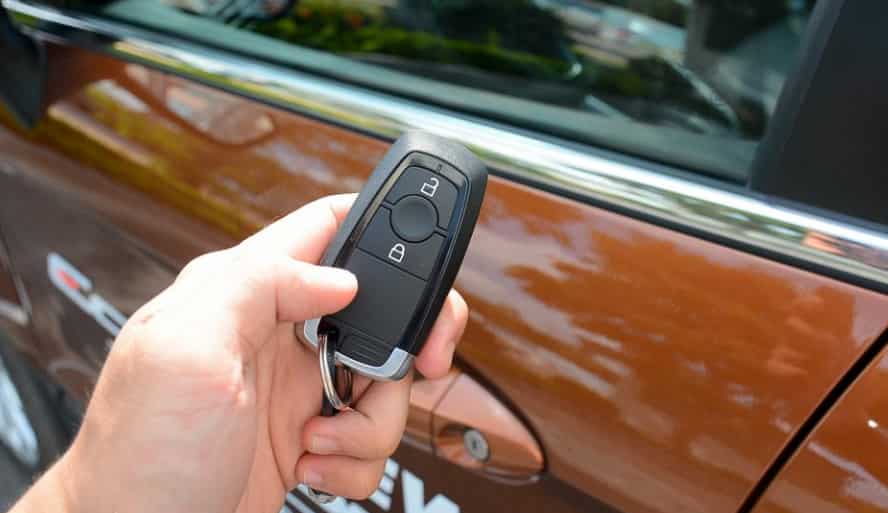
When people say Volvo Key Fob Not Working, they are usually describing a situation where the smart key system fails to communicate with the vehicle. This does not always mean the key is completely broken. It often means the car cannot detect or respond to the signal from the key fob.
Modern Volvo vehicles use a keyless entry system that relies on encrypted communication between the key fob and the car’s electronic control units. When this communication is interrupted, the system may fail to unlock the doors, start the engine, or respond to proximity detection. This creates the impression that the key is not working, even though the issue may come from another part of the system.
In most cases, the problem falls into three main categories. The first category is signal failure, where the car does not receive any response from the key fob. The second category is power related, where either the key fob battery or the vehicle battery is too weak to support communication. The third category is system related, where the car’s software or synchronization settings prevent the key from being recognized.
It is also important to understand that different Volvo models may show slightly different symptoms. For example, some models will display a “Key Not Detected” message on the dashboard, while others may simply fail to unlock the doors. Even if the symptoms look different, the underlying causes are often similar.
Understanding this definition is important because it helps you avoid guessing. Once you know what the problem actually represents, you can move on to identifying the real cause in a logical way instead of trying random fixes.
Most Common Causes of Volvo Key Fob Failure
There are several reasons why a Volvo key fob may stop working and most of them are related to power, signal, or system communication. In many cases the key fob itself is not completely broken but instead affected by simple issues that interrupt normal operation. The most common cause is a weak or dead battery inside the key fob. Volvo key fobs typically use a small coin cell battery such as CR2032. Over time this battery loses power and becomes unable to send a strong signal to the vehicle. When this happens the car may stop responding to button presses or fail to detect the key completely. A weak battery often shows early signs such as reduced range, inconsistent response, or the need to hold the key very close to the vehicle.
Another important cause is a weak vehicle battery. The Volvo smart key system depends on stable electrical voltage from the car. If the car battery drops below normal levels the system may fail to process key signals correctly. This often creates a situation where the key appears to be not working even though the real issue comes from the vehicle itself. Signal interference is also a possible factor. Modern environments contain many electronic signals from mobile devices, Wi Fi routers, and other vehicles. These signals can sometimes disrupt communication between the key and the car, although this issue is usually temporary and location dependent.
In some cases the key fob may lose synchronization with the vehicle system, especially after a battery change or system reset. Physical damage or moisture exposure can also affect internal components and gradually reduce performance over time.
Battery Issues The Main Reason Behind Volvo Key Fob Not Working
Battery issues are the most common reason why a Volvo key fob stops working. In most real cases the problem does not come from complex system failure but from a simple loss of power inside the key fob battery or the vehicle battery. Understanding this helps you avoid unnecessary repairs and focus on the most likely cause first.
The Volvo key fob uses a small coin cell battery, usually a CR2032. This battery slowly loses power over time as it supports daily locking, unlocking, and communication with the vehicle. When the battery becomes weak the signal strength drops. At first you may notice reduced range where the key only works when you are very close to the car. Later the response becomes inconsistent and eventually the vehicle may stop detecting the key completely. In many cases drivers think the key fob is broken but replacing the battery restores normal function immediately.
However the vehicle battery also plays an important role. Volvo smart key systems rely on stable voltage from the car to process signals and authenticate the key. When the car battery is weak the system may fail to recognize the key even if the key fob battery is still in good condition. This situation often appears during cold weather or after the vehicle has been parked for a long time without use. Low voltage can affect multiple electronic modules at the same time which leads to confusion because the problem looks like a key failure but is actually a power supply issue.
In some cases both batteries may be borderline at the same time which makes diagnosis more difficult. This is why checking both the key fob battery and the vehicle battery is always the first and most important step in solving Volvo Key Fob Not Working issues.
Step-by-Step Diagnostic Process for Volvo Key Fob Not Working
When your Volvo key fob stops working, the most effective approach is to follow a clear diagnostic process instead of trying random fixes. This helps you identify the real cause quickly and avoid unnecessary replacement or repair. Most issues come from simple failures in power, detection, or synchronization, so a structured check will usually reveal the problem.
The first step is to test the key fob response. Try locking and unlocking the car while standing close to the vehicle. If the car does not respond at all, note whether the issue happens with both buttons and proximity detection. This helps you understand if the problem is related to signal transmission or full key failure.
The second step is to check the vehicle battery condition. A weak car battery can reduce system stability and prevent the key from being detected. If the dashboard shows warning signs or the electrical system feels slow to respond, this may indicate a low voltage issue affecting the keyless entry system.
The third step is to test the key fob battery. If you notice reduced range or inconsistent response, replacing the coin cell battery is the simplest and most effective fix. Many Volvo key fob problems are solved at this stage without further action.
The fourth step is to use a spare key if available. If the spare key works normally, the issue is isolated to the original key fob. If both keys fail, the problem is more likely related to the vehicle system.
The final step is to check for synchronization issues. If the key was recently replaced or the vehicle battery was disconnected, the system may require reinitialization to restore communication between the key and the car.
How to Fix Volvo Key Fob Not Working
Once you identify the possible cause of a Volvo key fob not working, the next step is applying the correct fix. Most problems can be solved without professional tools if you follow the right order. The key is to start with simple solutions before moving to more advanced ones.
The first and most common fix is replacing the key fob battery. If the battery is weak or dead, the key will lose signal strength and stop communicating with the vehicle. Replacing it with a new CR2032 battery often restores full functionality immediately. After replacement, test the key near the vehicle to confirm stable response.
If the problem continues, the next step is to check the vehicle battery. A low car battery can prevent the Volvo smart key system from operating correctly. In this case, charging or replacing the vehicle battery can restore proper communication between the key and the car. This step is especially important if multiple electronic systems in the car also behave inconsistently.
Another possible fix is to resynchronize the key fob with the vehicle. In some cases the key loses its pairing with the car after a battery change or electrical reset. When this happens, the system may require a reset or reinitialization process. This step may vary depending on the Volvo model, so it is important to follow model specific instructions.
If the vehicle does not start even when the key is inside, using the emergency start method can help. Many Volvo models have a backup system that allows the car to detect the key even when the battery is weak. Placing the key in the designated backup location often solves temporary detection issues.
If none of these steps work, the issue may be related to the vehicle’s electronic control system. In this case, professional diagnostic tools or a Volvo technician may be required to identify deeper system faults.
Model Specific Issues in Volvo Key Fob Not Working
Although the overall causes of a Volvo key fob not working are similar across models, each Volvo vehicle can show slightly different symptoms depending on its electronic architecture. Understanding these differences helps you narrow down the issue faster and avoid misdiagnosis.
In the Volvo XC60, key fob issues are often related to signal detection and weak battery performance. Drivers may notice that the car responds intermittently or only unlocks when the key is very close to the vehicle. This model relies heavily on proximity detection, so even small drops in key fob battery power can create noticeable problems.
In the Volvo XC90, the issue is more commonly linked to the vehicle’s electrical system. Because this model has more advanced electronic modules, a weak car battery or voltage instability can affect the entire keyless entry system. In some cases, multiple warning messages may appear on the dashboard at the same time, making it seem like a major system failure when the root cause is simply low voltage.
For the Volvo S60 and Volvo V60, signal interference and synchronization issues are more frequently reported. These models may temporarily lose communication with the key fob after battery replacement or when parked in areas with strong electronic interference. The key may still function, but only after a short delay or after being brought closer to the vehicle interior.
Even though symptoms vary across models, the underlying principle remains the same. The system depends on stable communication between the key fob, the vehicle battery, and the electronic control unit. Once you understand this relationship, diagnosing the issue becomes much more straightforward regardless of the Volvo model you are driving.
When You Need a Volvo Dealer or Locksmith
In most cases, a Volvo key fob not working issue can be solved with basic troubleshooting such as replacing the battery or checking vehicle voltage. However, there are situations where self repair is no longer enough and professional assistance becomes necessary. Knowing when to stop trying fixes is important to avoid wasting time and preventing further system complications.
If the key fob does not respond even after replacing the battery and testing a spare key, the issue may be related to internal electronic failure. This can include damaged circuits inside the key fob or failure of the vehicle’s receiver module. These problems cannot be resolved without specialized tools.
Another situation that requires professional support is when the vehicle does not recognize any key at all. If both the primary and spare key fail, the problem is likely related to the immobilizer system or the central electronic control unit. These components require diagnostic equipment that only a Volvo dealer or certified automotive locksmith can access.
You should also seek professional help if the key fob stopped working after a software update or after electrical repairs on the vehicle. In some cases the system may require reprogramming using factory tools to restore proper synchronization between the key and the car.
A Volvo dealer or qualified locksmith can perform advanced diagnostics, reprogram key fobs, and check deeper electrical faults that are not visible through basic testing. While this option is more expensive, it ensures that issues related to security systems and encrypted communication are handled correctly.
Understanding when to escalate the problem helps you avoid unnecessary replacement costs and ensures that your Volvo key system is restored safely and correctly.
Conclusion
A Volvo key fob not working issue can feel serious at first, especially when the car does not respond or fails to detect the key. However, in most cases the problem comes from simple and predictable causes. The most common reason is a weak key fob battery, followed by vehicle battery issues or temporary signal interference. Once these factors are checked in order, the majority of problems can be identified and resolved quickly.
The key to handling this issue effectively is using a structured diagnostic approach instead of guessing. By testing the key fob, checking the vehicle battery, and confirming system synchronization, you can quickly narrow down the root cause. This method saves time and prevents unnecessary replacement of parts that are still working normally.
In more complex cases, the issue may involve system synchronization errors or electronic control faults. When this happens, professional support from a Volvo dealer or certified locksmith becomes necessary to restore full functionality. Although these cases are less common, they ensure that the vehicle’s security system continues to operate correctly.
Overall, understanding how the Volvo smart key system works gives you a clear advantage. Instead of reacting to random symptoms, you can follow a logical process to identify and fix the problem. This not only restores access to your vehicle but also helps you prevent similar issues in the future.