The Hyundai P0455 code shows a large leak in the evaporative emission control system. This system controls fuel vapors and prevents them from escaping into the air. When the system cannot hold pressure, the engine control module turns on the check engine light and stores the P0455 code.
In Hyundai vehicles, the EVAP system protects the environment and improves fuel efficiency. It captures fuel vapors from the fuel tank and sends them to a charcoal canister. The engine later burns these vapors during normal operation.
A P0455 code means the system detects a major leak. This leak is large enough that the system cannot maintain proper vacuum pressure. Small leak codes like P0442 or P0456 indicate minor issues, but P0455 points to a more serious loss of pressure.
Most cases come from simple problems. A loose gas cap is the most common cause. A cracked EVAP hose can also trigger the code. A faulty purge valve or a damaged charcoal canister can also create this issue.
The car often runs normally even with this code. However, the system fails to control emissions. This can lead to higher pollution and failed inspection tests. Early diagnosis helps avoid unnecessary repairs and reduces long term cost.
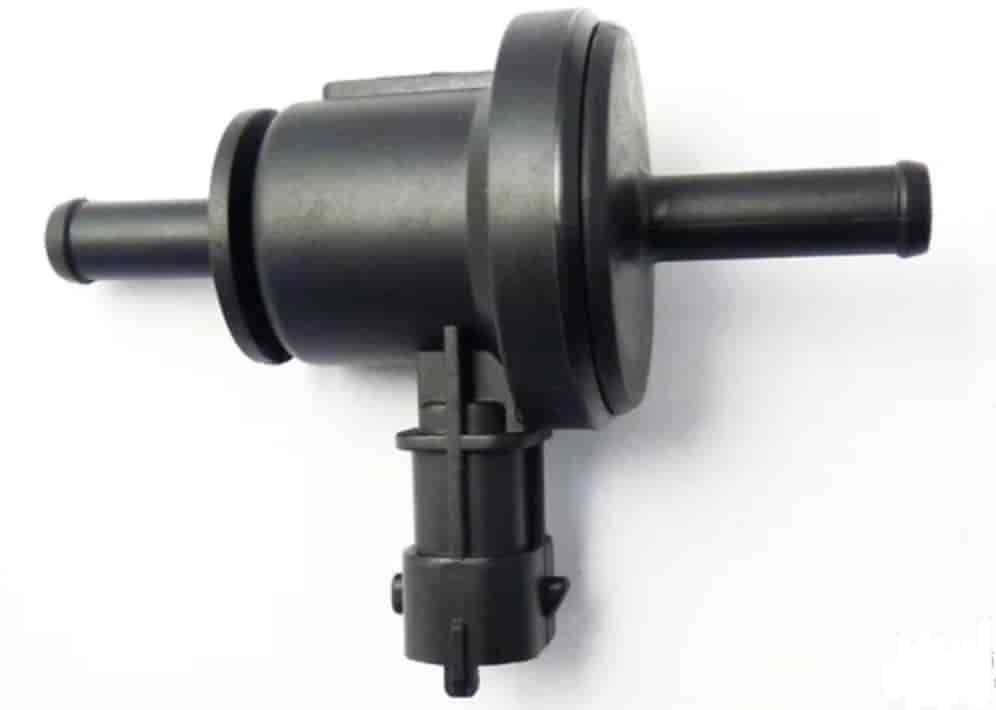
Common Causes of Hyundai P0455 Code
The Hyundai P0455 code usually appears when the EVAP system detects a large leak. This leak breaks the pressure inside the system and triggers the check engine light. Several common issues can cause this problem.
The most common cause is a loose or damaged gas cap. Many drivers forget to tighten the cap properly after refueling. A worn rubber seal on the cap can also allow fuel vapors to escape.
A cracked EVAP hose is another frequent cause. These hoses connect different parts of the emission system. Over time, heat and vibration can damage them and create leaks.
A faulty purge valve can also trigger the code. This valve controls how fuel vapors move from the charcoal canister to the engine. When it fails, the system loses pressure and sets the error code.
The charcoal canister can also develop damage. This part stores fuel vapors before the engine burns them. If it cracks or clogs, the system cannot function correctly.
In some cases, a fuel tank sealing issue causes the problem. A weak seal around the tank allows vapor to escape slowly. This creates a large leak condition over time.
Electrical issues can also affect the EVAP system. A bad sensor or wiring fault can send incorrect signals to the engine control module. This may trigger the P0455 code even when no physical leak exists.
In Hyundai vehicles, these causes often appear together with age and mileage. Heat, vibration, and fuel system pressure changes gradually weaken EVAP components. This makes regular inspection important for long term reliability.
Symptoms of Hyundai P0455 Code
The Hyundai P0455 code often does not create serious driving problems at first. Many drivers only notice the issue when the check engine light turns on. However, the EVAP system still shows several warning signs when a large leak exists.
The most common symptom is the check engine light. The engine control module detects pressure loss in the EVAP system and activates the warning light on the dashboard.
A fuel smell may also appear around the vehicle. This happens when fuel vapors escape from the tank or EVAP system. The smell often becomes stronger after refueling.
Some drivers notice reduced fuel efficiency. The system fails to contain fuel vapors properly, which leads to small fuel loss over time. This does not always appear immediately but can build up.
In some cases, the vehicle fails an emissions test. The EVAP system plays a key role in controlling vapor release. When it fails, the car cannot meet emissions standards.
Most vehicles from Hyundai still drive normally with this code. The engine usually does not misfire or lose power. However, the emissions system no longer works as designed.
Rarely, the engine may show slight idle fluctuations. This happens when vapor flow becomes unstable. It does not always occur, but it can appear in more severe cases.
Is It Safe to Drive With Hyundai P0455 Code
You can still drive when the Hyundai P0455 code appears in most cases. The engine usually runs normally because this code does not affect combustion or power delivery. However, the issue still needs attention because it affects the EVAP system.
The main risk comes from emissions control failure. The EVAP system prevents fuel vapors from escaping into the air. When it fails, the vehicle releases more pollution than normal.
Fuel economy may also drop over time. Small vapor leaks can lead to fuel loss, even if the change is not immediately noticeable. This becomes more significant if the problem continues for a long period.
In some cases, the vehicle may fail an emissions inspection. Many regions require a working EVAP system for certification. A P0455 code often leads to automatic test failure.
For vehicles from Hyundai, the risk of immediate engine damage remains low. However, ignoring the code can lead to more expensive repairs later. A small leak can grow into a larger EVAP system failure.
You should not treat this code as an emergency. However, you should not ignore it either. Early diagnosis helps prevent unnecessary fuel waste and higher repair costs.
How to Diagnose Hyundai P0455 Code
Diagnosing the Hyundai P0455 code requires a simple but systematic process. The goal is to find where the EVAP system loses pressure. You can start with basic checks before moving to advanced testing.
The first step is to inspect the gas cap. Make sure it is tight and properly sealed. Check the rubber seal for cracks or wear. A damaged gas cap is the most common cause of this code.
The second step is to use an OBD2 scanner. This tool reads the error code stored in the engine control module. It confirms the P0455 code and helps rule out other EVAP-related codes.
The third step is to inspect EVAP hoses. Look for cracks, loose connections, or broken lines. These hoses connect the fuel tank, purge valve, and charcoal canister. Even a small crack can trigger a large leak code.
The fourth step is to test the purge valve. This valve controls vapor flow into the engine. A faulty valve may stay open or closed at the wrong time. This creates pressure imbalance in the system.
The fifth step is to check the charcoal canister. This part stores fuel vapors before combustion. If it cracks or becomes clogged, the EVAP system cannot maintain proper pressure.
Advanced diagnosis often uses a smoke test. A mechanic injects smoke into the EVAP system to locate leaks. The smoke escapes from any damaged area and makes the leak visible.
In Hyundai vehicles, these steps help isolate the exact cause quickly. Most cases come from simple issues, but proper inspection ensures you do not replace unnecessary parts.
How to Fix Hyundai P0455 Code
Fixing the Hyundai P0455 code depends on the exact cause of the EVAP leak. Most repairs are simple, but you must identify the problem correctly before replacing any parts.
The first fix is to tighten or replace the gas cap. Remove the cap and inspect the rubber seal. If the seal looks cracked or worn, replace the cap. This simple step solves many cases in Hyundai vehicles.
The second fix is to replace damaged EVAP hoses. Inspect all hoses connected to the fuel tank, purge valve, and charcoal canister. If you find cracks or loose fittings, replace them immediately to restore system pressure.
The third fix is to replace the purge valve. A faulty valve can stay stuck open or closed. This disrupts vapor flow and creates a large leak condition. Replacing this valve often restores normal EVAP function.
The fourth fix is to repair or replace the charcoal canister. If the canister cracks or becomes clogged, it cannot store fuel vapors. In this case, replacement is usually the only solution.
The fifth fix is to reset the engine control module after repairs. You can use an OBD2 scanner to clear the code. The warning light should turn off if the problem is fully resolved.
Some drivers try to disconnect the battery to reset the system. This method may clear the light temporarily, but it does not fix the actual leak.
Professional repair shops may use a smoke test before and after repair. This ensures the EVAP system holds pressure correctly and confirms that no leaks remain.
Repair Cost for Hyundai P0455 Code
The repair cost for the Hyundai P0455 code depends on the exact cause of the EVAP system leak. Some fixes are very cheap, while others require more expensive parts and labor.
The lowest cost repair is the gas cap replacement. A new gas cap is inexpensive and easy to install. Many cases in Hyundai vehicles are solved with this simple fix.
EVAP hose replacement usually costs a bit more. The price depends on how many hoses need replacement. Labor costs can increase if the hoses are difficult to access.
The purge valve replacement falls in the medium cost range. This part requires more labor because it is connected to the intake system. Once replaced, it often restores proper EVAP function.
The charcoal canister replacement is the most expensive repair. This part is complex and often located under the vehicle. It also costs more because it is a key component of the EVAP system.
Diagnostic fees may also apply if you go to a repair shop. Mechanics often use OBD2 scanners or smoke tests to confirm the leak before repair. This helps avoid unnecessary part replacement.
Overall repair costs range from very low to high depending on the severity of the leak. Simple issues like a loose gas cap cost almost nothing. Major EVAP system failures require more investment.
How to Reset Hyundai P0455 Code
Resetting the Hyundai P0455 code clears the check engine light from the dashboard. However, you should only reset the code after fixing the actual EVAP system problem. If you reset it without repair, the code will return.
The most reliable method is using an OBD2 scanner. Connect the scanner to the vehicle’s diagnostic port. Read the stored code and select the option to clear or erase it. The engine control module will reset and turn off the warning light.
In Hyundai vehicles, this method gives the most accurate result because it directly communicates with the ECU. It also confirms whether the repair worked or not.
Another method is disconnecting the battery. You remove the negative terminal and wait for a few minutes. This resets the system memory, but it does not always clear all stored codes. It can also reset other vehicle settings.
After resetting, you should start the engine and monitor the dashboard. If the EVAP system still has a leak, the P0455 code will return quickly. This shows that the problem has not been fully fixed.
Some drivers try to clear the code without repairing the issue. This does not solve the problem. It only hides the warning light for a short time.
A proper reset always comes after diagnosis and repair. This ensures the EVAP system works correctly and the check engine light stays off.
Prevention Tips to Avoid Hyundai P0455 Code
You can reduce the risk of getting the Hyundai P0455 code by maintaining the EVAP system properly. Small habits can prevent large and expensive repairs later.
Always tighten the gas cap after refueling. Make sure you hear a click sound when closing it. A loose cap is one of the most common causes of EVAP leaks in Hyundai vehicles.
Inspect the gas cap regularly. Check the rubber seal for cracks or wear. Replace the cap if it no longer seals properly.
Avoid overfilling the fuel tank. Excess fuel can enter the EVAP system and damage components like the charcoal canister. This increases the risk of leaks over time.
Schedule regular vehicle inspections. A quick EVAP system check can detect small issues before they become large leaks. Early detection reduces repair costs.
Use an OBD2 scanner occasionally. This helps you monitor early warning codes before the check engine light becomes constant.
Conclusion
The Hyundai P0455 code indicates a large leak in the EVAP system. This issue affects emissions control and can trigger the check engine light, even when the vehicle still drives normally.
Most cases come from simple problems like a loose gas cap, cracked EVAP hoses, or a faulty purge valve. More serious cases involve the charcoal canister or fuel system sealing issues.
You should not ignore this code. While it does not usually damage the engine, it can increase fuel loss and cause failed emissions tests. Early diagnosis helps avoid unnecessary repair costs and prevents the problem from getting worse.
Understanding the EVAP system helps you identify the real cause instead of guessing. A structured diagnosis leads to faster and cheaper repair results.
By maintaining basic EVAP system care, you can prevent the Hyundai P0455 code from appearing again and keep your vehicle running efficiently and cleanly.