A working horn keeps you safe on the road. It helps you warn other drivers and avoid accidents. When your Hyundai horn stops working, driving becomes risky.
Many drivers notice the problem only when they need the horn. At that moment, it is already too late. You may not be able to react in time during emergencies.
Hyundai horn problems happen for many reasons. A blown fuse can stop the horn completely. A faulty relay can block the electrical signal. A damaged horn unit can fail without warning. Wiring issues can also interrupt the circuit. In some cases, the steering wheel clockspring fails and disables the horn button.
Cold weather and weak batteries can also trigger horn issues. Some drivers report the problem after battery replacement or electrical work. These symptoms often point to deeper electrical faults in the system.
You can diagnose many horn issues with simple steps. You can check the fuse, test the relay, and inspect the horn connection. Some repairs are quick and cheap. Others require professional tools and experience.
This guide explains every major cause of Hyundai horn failure. It also shows how to diagnose the issue step by step. You will learn repair costs and practical solutions for different Hyundai models such as Elantra, Sonata, Tucson, and Santa Fe.
What Happens When a Hyundai Horn Stops Working?
When your Hyundai horn stops working, you immediately lose one of the most important safety features in your vehicle. The horn is designed to help you warn other drivers, avoid collisions, and respond quickly in unexpected traffic situations. Without it, even a simple daily drive becomes more stressful and less safe.
Most drivers only realize the problem when they try to use the horn and nothing happens. In some cases, the horn produces a weak sound or a short click, but no real signal is sent to the road. Some vehicles show intermittent behavior where the horn works occasionally but fails most of the time. These symptoms often indicate an underlying electrical or mechanical fault that needs attention.
A malfunctioning horn also creates safety and legal risks. Many countries require a fully working horn during vehicle inspections. If the horn fails, the car may not pass safety checks. More importantly, you lose the ability to alert distracted drivers or pedestrians in critical moments, which increases the risk of accidents in heavy traffic.
Hyundai horn systems are connected to several components, including the fuse, relay, wiring, steering wheel switch, and horn unit itself. If any of these parts fail, the entire system can stop working. This is why even a small electrical issue can disable the horn completely. Early symptoms such as delayed response, inconsistent sound, or no sound at all often point to problems inside this circuit and should not be ignored.
Common Causes of Hyundai Horn Not Working
A Hyundai horn can stop working due to several electrical or mechanical failures inside the system. Most problems come from simple components, but they can disable the entire horn circuit. Understanding each cause helps you diagnose the issue faster and avoid unnecessary repairs.
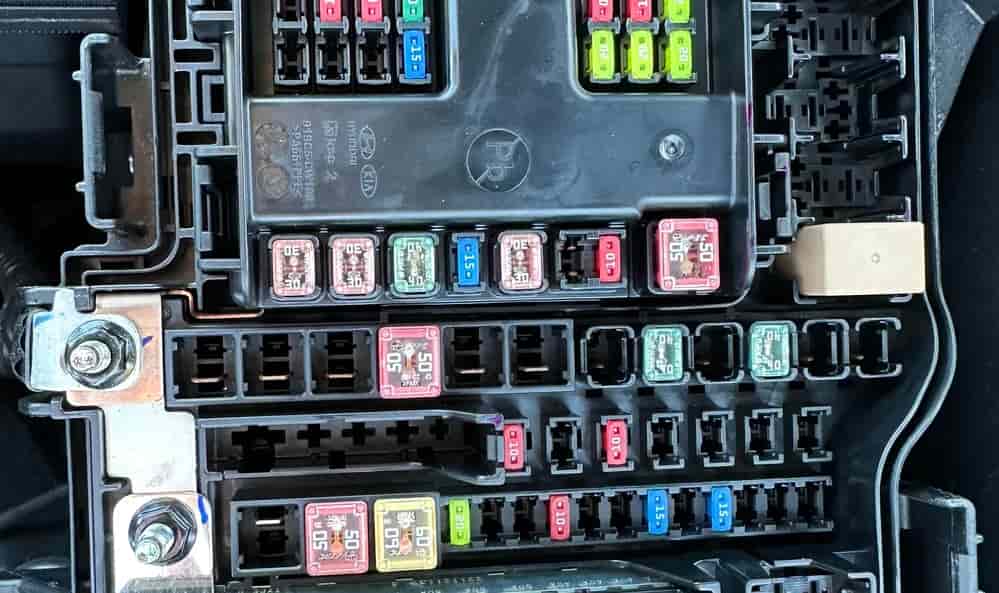
One of the most common causes is a blown horn fuse. The fuse protects the electrical system from overload. When it burns out, the horn loses power completely. This issue often happens after electrical spikes or short circuits. Checking the fuse box is usually the first and easiest step in diagnosis.
A faulty horn relay is another frequent problem. The relay controls the electrical signal that activates the horn. When it fails, you may hear a clicking sound but no horn response. In this case, the relay cannot transfer power to the horn unit, even if the fuse is still working.
The horn itself can also fail over time. Water exposure, corrosion, or internal wear can damage the horn unit. When this happens, the horn receives power but produces no sound. In some cases, the sound becomes very weak before the horn stops completely.
Wiring problems also cause many Hyundai horn failures. Loose connections, broken wires, or corrosion can interrupt the circuit. Ground connection issues are especially common in older vehicles or cars exposed to moisture.
Another major cause is a failed steering wheel clockspring. This part connects the horn button to the electrical system while allowing the steering wheel to rotate. When it breaks, the horn button stops sending signals even though the rest of the system is working.
Weak battery voltage or charging system issues can also affect horn performance. Low voltage reduces electrical output and may cause intermittent horn behavior.
How to Diagnose a Hyundai Horn Problem Step by Step
When your Hyundai horn stops working, you can diagnose the issue with a simple step by step process. You do not need advanced tools for the first checks. You only need basic observation and a few quick tests to narrow down the cause.
Start by checking the horn fuse. Open the fuse box and locate the horn fuse using the diagram on the cover or in the manual. If the fuse is blown, replace it with the same rating. A damaged fuse usually means there is an electrical overload somewhere in the system.
Next, test the horn relay. You can swap it with another identical relay in the fuse box. If the horn starts working after swapping, the relay is faulty. A bad relay often causes a clicking sound without activating the horn.
After that, inspect the horn connector at the front of the vehicle. Make sure the wiring is tight and free from corrosion. Loose or dirty connections can block the electrical current and stop the horn from working.
You should also test the horn directly using a power source. If the horn does not sound when connected directly, the horn unit is faulty and needs replacement. If it works, the problem is not the horn itself but the electrical system.
Finally, check the steering wheel horn switch. In many Hyundai models, the clockspring inside the steering wheel can fail. When this happens, the horn button does not send a signal even though the rest of the system works normally.
If all basic checks pass but the horn still does not work, the issue is likely inside the wiring harness or deeper electrical system. At this point, professional diagnostic tools are recommended.
Hyundai Models Commonly Affected by Horn Issues
Hyundai horn problems can happen across many models because they share similar electrical system designs. However, some models show issues more often due to usage patterns, age, and steering wheel component wear.
The Hyundai Elantra is one of the most commonly reported models for horn issues. Many cases come from clockspring failure inside the steering wheel. Drivers often notice that the horn works intermittently before stopping completely. Electrical wear over time is a key factor in this model.
The Hyundai Sonata also experiences horn failures, especially in older versions. Fuse and relay problems are common in this model. Some drivers report that the horn stops working after battery replacement or electrical maintenance. Wiring corrosion can also contribute to the issue.
The Hyundai Tucson often shows horn problems related to wiring and connector issues. Exposure to moisture and road conditions can affect the electrical connections over time. In some cases, the horn works but produces a weak or inconsistent sound.
The Hyundai Santa Fe can develop horn issues linked to both relay faults and steering wheel switch failures. In higher mileage vehicles, multiple components may degrade at the same time, making diagnosis more complex.
Although these models are commonly affected, the root causes remain similar across the Hyundai lineup. Fuse failure, relay malfunction, wiring damage, horn unit wear, and clockspring failure are the main reasons behind most horn problems. Identifying the correct cause depends on careful step by step testing rather than replacing parts randomly.
How Much Does It Cost to Fix a Hyundai Horn?
The cost to fix a Hyundai horn depends on the exact cause of the problem. Some repairs are very cheap and take only a few minutes, while others involve more complex electrical work and higher labor costs.
If the issue comes from a blown fuse, the repair is usually very inexpensive. A fuse replacement costs only a small amount and can often be done in minutes without professional help. This is the simplest and cheapest horn repair.
A faulty horn relay also has a low repair cost. The relay itself is not expensive, and replacement is straightforward. In many cases, swapping the relay restores the horn immediately if no other issues exist in the system.
If the horn unit itself is damaged, the cost increases slightly. A new horn is still relatively affordable, but labor charges may vary depending on the workshop. Corrosion or water damage can also increase replacement difficulty.
Steering wheel clockspring repairs are more expensive. This component connects the horn button to the electrical system and is located inside the steering column. Replacement requires more labor time and careful handling because it is linked to airbag systems.
Wiring issues have the most unpredictable cost. Minor repairs like cleaning connectors are cheap, but damaged wiring harnesses can be expensive to fix. Labor time plays a major role in the final price.
Overall, simple horn repairs stay low cost, while electrical or steering wheel related issues increase the total expense. Early diagnosis helps reduce repair costs and prevents unnecessary part replacement.
Can You Fix a Hyundai Horn Yourself?
Many Hyundai horn problems can be fixed at home if the cause is simple. You only need basic tools and careful steps. Self repair works best when the issue comes from the fuse, relay, or dirty electrical connections.
You can start with the horn fuse. This is the easiest part to check and replace. If the fuse is blown, installing a new one of the same rating often restores the horn immediately. This repair takes only a few minutes and does not require special skills.
The horn relay is another part you can test yourself. You can swap it with a similar relay in the fuse box. If the horn starts working after the swap, you have found the problem. Replacing a relay is also simple and low cost.
You can also inspect the horn connector at the front of the vehicle. Dirt, corrosion, or loose wiring can block the signal. Cleaning and tightening the connection can sometimes fix the issue without replacing any parts.
However, some repairs are not suitable for DIY work. The steering wheel clockspring is one example. It connects to the airbag system and requires careful handling. Any mistake here can affect safety systems in the vehicle.
Wiring harness damage is also difficult to repair without proper tools. If the horn still does not work after basic checks, the problem is likely deeper in the electrical system. In that case, professional diagnosis is the safest option.
DIY repair works well for simple faults, but complex electrical issues need expert attention to avoid further damage.
How to Prevent Hyundai Horn Problems
Preventing Hyundai horn issues is easier than repairing them. Most problems start small and grow over time if you ignore early signs. Regular checks and simple maintenance can keep the horn system working properly.
One important step is to protect the electrical system from moisture. Water can enter connectors and cause corrosion. This slowly weakens the signal and may stop the horn from working. Parking in dry areas and avoiding water exposure in the engine bay helps reduce this risk.
You should also check electrical connections from time to time. Loose or dirty terminals can interrupt the horn circuit. Cleaning connectors and ensuring tight connections improves stability and prevents intermittent horn behavior.
A healthy battery also plays a key role. Low voltage can affect many electrical parts, including the horn. If the battery is weak or unstable, the horn may sound weak or stop working completely. Regular battery testing helps prevent this issue.
It is also important to avoid unnecessary stress on the steering wheel components. The clockspring inside the steering column is sensitive. Rough handling of the steering wheel or repeated force on the horn button can increase wear over time.
Routine vehicle inspection helps you catch early warning signs. If you notice delayed horn response, weak sound, or intermittent operation, you should check the system early. Fixing small issues quickly prevents larger electrical failures later.
With simple maintenance habits, you can keep the Hyundai horn system stable and reliable for a long time without expensive repairs.
Frequently Asked Questions
Why does my Hyundai horn work intermittently?
An intermittent horn usually means there is an unstable electrical connection. A loose wire, worn relay, or failing clockspring often causes this issue. In some cases, corrosion inside the connectors interrupts the signal and makes the horn work only sometimes.
Can a bad battery cause the horn to stop working?
Yes, a weak battery can affect horn performance. The horn needs stable voltage to work properly. When the battery voltage drops, the horn may sound weak or stop working completely. This problem often appears during cold weather or after long periods of inactivity.
In many Hyundai models, the horn button uses the same clockspring component as the airbag system. When the clockspring fails, both systems can be affected. However, a horn issue does not always mean the airbag system is faulty.
How long does it take to replace a Hyundai horn?
A basic horn replacement usually takes less than one hour. If the issue involves wiring or steering wheel components, the repair time can be longer. Clockspring replacement often takes more time due to safety procedures.
Can I drive with a broken horn?
You can still drive, but it is not safe. The horn is an important warning tool in traffic. Without it, you cannot alert other drivers in emergencies. In some regions, a non working horn can also cause vehicle inspection failure.
Conclusion
A Hyundai horn not working issue may seem minor at first, but it directly affects your driving safety and confidence on the road. The horn is one of the simplest yet most important warning tools in any vehicle, and when it fails, you lose the ability to react quickly in critical situations. That is why you should never ignore early signs such as weak sound, delayed response, or intermittent operation.
Most horn problems come from basic electrical components like the fuse, relay, wiring, or horn unit itself. In some cases, the issue comes from the steering wheel clockspring, which requires more careful inspection. The good news is that many of these problems are easy and inexpensive to fix if you detect them early. Simple checks can often help you identify the root cause without unnecessary repairs.
However, if the horn still does not work after basic troubleshooting, the problem may be deeper in the electrical system. At that point, professional diagnosis becomes the safest option to avoid further damage and ensure proper repair.
Overall, regular maintenance and early detection play a key role in preventing horn failures. By understanding the common causes and acting quickly, you can keep your Hyundai safe, reliable, and ready for any driving situation.