Are Hyundai and Kia the Same? Complete Guide to Their Relationship and Differences is a common question among car buyers who compare modern Korean vehicles. Many people notice that models from Hyundai Motor Company and Kia Corporation look similar in design, technology, and performance. This often leads to confusion. Some assume both brands are identical or come from the same company without differences.
The reality is more structured. Hyundai and Kia belong to the same corporate group, but they operate as separate brands. Each brand follows its own strategy and identity. They share engineering platforms and core technologies, but they do not deliver the same customer experience.
This distinction matters for car buyers. It affects design preference, driving feel, comfort level, and long term ownership value. Two vehicles may share the same base architecture, but they can feel very different on the road.
This guide explains the relationship between Hyundai and Kia in a clear way. You will learn how they are connected, what technology they share, and how they differ in real use. By the end, you will understand whether Hyundai and Kia are the same or simply closely related brands with unique identities.
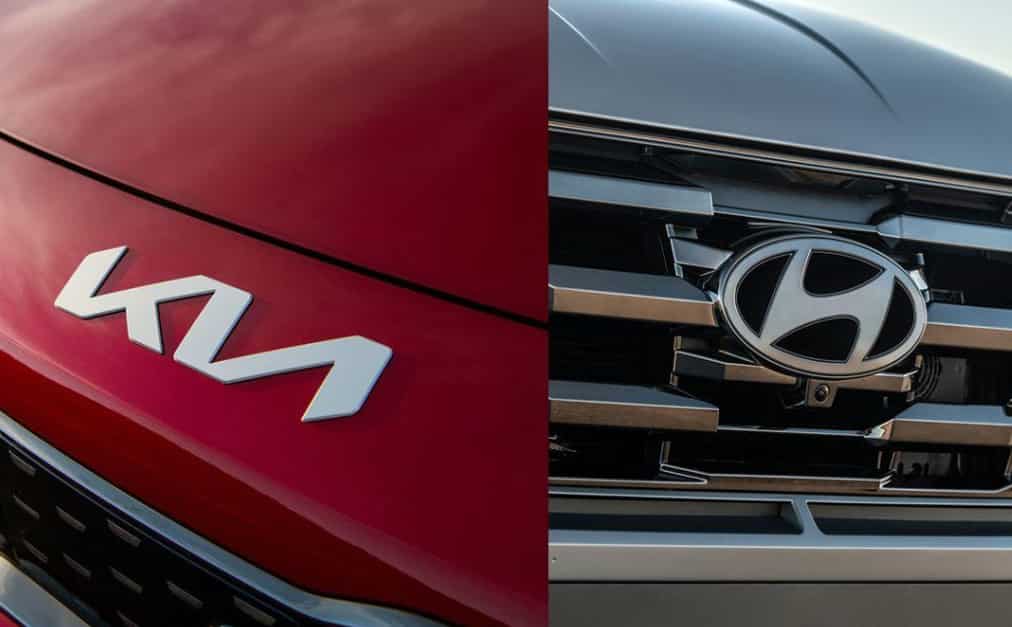
Are Hyundai and Kia the Same Company?
Hyundai and Kia are not the same company, but they are closely connected within the same corporate structure. Both brands belong to the Hyundai Motor Group, which oversees strategy, technology development, and long term investment direction. Even though they share this connection, each brand still operates independently in terms of identity, marketing, and product planning.
Hyundai Motor Company focuses on building a more refined and comfort oriented brand image. It positions itself slightly more premium in several segments and emphasizes smooth driving experience and advanced technology integration.
Kia Corporation takes a different approach. Kia builds a more youthful and design driven identity. It targets customers who prefer bold styling and strong value for money.
Both companies share engineering resources under the Hyundai Motor Group umbrella. This includes shared platforms, engines, and safety systems. However, decision making for design and branding remains separate. This structure allows both brands to compete in similar segments without becoming identical.
The key idea is simple. Hyundai and Kia are sister brands, not the same company. They share a parent organization but maintain their own direction in the global automotive market.
History of Hyundai and Kia Relationship
The relationship between Hyundai and Kia did not start as a single corporate structure. Both companies began as independent manufacturers in South Korea and developed separately for many years. Kia initially focused on producing bicycles and affordable vehicles, while Hyundai grew rapidly as a larger industrial group with broader automotive ambitions.
A major turning point came during the Asian financial crisis in 1997. Kia faced severe financial difficulties and struggled to maintain operations. At that time, Hyundai Motor Company stepped in and acquired a controlling interest in Kia. This move helped stabilize Kia and prevented its collapse.
After the acquisition, Kia Corporation continued to operate as a separate brand. However, it now worked under the Hyundai Motor Group structure. Over time, both companies began to share more resources. They combined research and development efforts and started using shared platforms to improve efficiency and reduce production costs.
As the years passed, this relationship became stronger. Instead of merging into one brand, Hyundai and Kia followed a dual brand strategy. This allowed them to target different customer groups while benefiting from shared engineering and technology.
Today, their history explains why many models feel similar but still carry distinct brand identities. The connection is the result of strategic investment and long term collaboration, not a full merger into a single company.
Hyundai and Kia share a large part of their engineering foundation, which is one of the main reasons their vehicles often feel similar. This approach helps both brands reduce development costs and improve efficiency while still offering different designs and brand experiences.
One of the most important areas of sharing is vehicle platforms. A single platform can support multiple models across both brands. For example, compact SUVs and sedans often use the same underlying structure but differ in styling, suspension tuning, and interior design. This allows both brands to build different cars without starting from zero each time.
They also share engines and transmissions. Many petrol, diesel, and hybrid powertrains are developed jointly and then adapted for each brand’s needs. Even electric vehicles follow this strategy. The E G M P electric platform supports models like the Hyundai Ioniq 5 and the Kia EV6, which share core technology but deliver different design and driving character.
Safety systems and driver assistance technologies are also developed together. Features such as lane keeping assist, adaptive cruise control, and collision avoidance systems often come from the same research and development programs.
Despite this heavy sharing, each brand still tunes its vehicles differently. Hyundai usually focuses on comfort and stability, while Kia often adjusts for a more dynamic and sporty feel. This tuning difference is what creates separation between two cars that may otherwise look closely related.
Key Differences Between Hyundai and Kia
Although Hyundai and Kia share many technologies, they still create very different customer experiences. The differences come mainly from design philosophy, driving character, and brand positioning.
Hyundai Motor Company focuses on a more refined and balanced identity. Its design language often feels clean, modern, and slightly conservative. Hyundai aims to deliver comfort and smooth driving for a wide range of customers. The interiors usually emphasize practicality, calm layouts, and a more premium atmosphere in higher trims.
Kia Corporation takes a more aggressive and expressive approach. Kia designs tend to look bolder and more youthful. The brand targets drivers who prefer strong visual identity and a sportier impression. Interior layouts often feel more futuristic, with sharper lines and more experimental styling choices.
Driving feel also creates a clear distinction. Hyundai vehicles are often tuned for comfort and stability, especially on long distance driving. Kia models may feel slightly firmer and more responsive, which appeals to drivers who want a more engaging experience.
Brand positioning is another key difference. Hyundai leans toward mainstream refinement and near luxury segments in some markets. Kia focuses more on value, style, and emotional appeal for younger buyers.
Even with shared platforms, these differences make each brand feel unique on the road. The same technical foundation can deliver two very different personalities depending on how each company shapes its product.
Hyundai vs Kia – Which One Is Better?
There is no absolute answer when comparing Hyundai and Kia. The better choice depends on what you value most in a vehicle. Since both brands share platforms and technology, the real difference comes from design, comfort tuning, and pricing strategy.
Hyundai Motor Company is often the better choice for drivers who prioritize comfort and a more refined driving experience. Hyundai vehicles usually feel smoother on the road and more conservative in design. This makes them a strong option for families, long distance commuters, and buyers who want a calm and stable driving experience.
Kia Corporation is often preferred by drivers who want more style and emotional appeal. Kia focuses on bold design and stronger visual identity. Many buyers also see Kia as offering better perceived value at similar price points, especially in lower and mid range segments.
When comparing both brands, it is important to look at specific models instead of general assumptions. A Hyundai SUV and a Kia SUV may share the same engineering base but still feel different in suspension tuning, interior design, and feature layout.
The best approach is to match the vehicle to your personal needs. If comfort and subtle design matter more, Hyundai may feel right. If style, value, and a sportier look are more important, Kia can be the better fit.
Reliability, Safety, and Ownership Cost
Reliability, safety, and long term ownership cost are key factors when comparing Hyundai and Kia. Both brands have improved significantly over the past decade and now compete strongly in global markets.
Hyundai Motor Company and Kia Corporation both benefit from shared engineering development, which helps improve consistency in build quality and durability. Because they use many of the same platforms and components, their reliability levels are often very close in similar model categories.
In terms of safety, both brands invest heavily in active and passive safety systems. Modern vehicles from Hyundai and Kia commonly include advanced driver assistance features such as lane keeping support, automatic emergency braking, and adaptive cruise control. These systems are developed under shared research programs, which helps maintain similar safety performance across both brands.
Ownership cost is another important consideration. Maintenance and repair costs are generally comparable because many parts are interchangeable or built on shared systems. Warranty coverage is also competitive in many markets, which increases long term confidence for buyers.
However, perception can differ slightly depending on model positioning. Hyundai is sometimes viewed as having a slightly more premium long term feel, while Kia is often seen as offering stronger upfront value. In practice, the difference is small and depends more on the specific model and maintenance history than the brand itself.
Overall, both brands deliver solid reliability and reasonable ownership costs, making them strong choices in the global automotive market.
Common Myths About Hyundai and Kia
There are many misconceptions about Hyundai and Kia, mainly because the two brands share platforms and technologies. These similarities often lead to oversimplified conclusions that are not fully accurate.
One common myth is that Hyundai and Kia are the same company and therefore produce identical cars. In reality, although both brands belong to the same corporate group, they operate independently with different design teams, marketing strategies, and brand identities. This means two similar vehicles can still feel very different in real use.
Another misconception is that Kia is always cheaper because it is lower in quality. This idea is outdated. Kia Corporation has significantly improved its design, materials, and engineering in recent years. Many Kia models now compete directly with higher positioned competitors in terms of features and build quality.
A third myth is that Hyundai vehicles are always more reliable. While Hyundai Motor Company has a strong reputation for quality, reliability depends more on the specific model, engine type, and maintenance history rather than the brand alone. Both brands perform similarly in most modern segments.
There is also a belief that shared platforms mean no real difference between vehicles. This is not true. Even when two cars share the same base architecture, each brand applies different tuning for suspension, steering, interior layout, and driving character. These adjustments create distinct driving experiences.
Understanding these myths helps buyers make more accurate decisions instead of relying on assumptions or outdated opinions.
Future of Hyundai and Kia
The future of Hyundai and Kia is strongly shaped by electrification, software development, and global competition. Both brands are investing heavily in new technologies to stay competitive in a rapidly changing automotive industry.
Hyundai Motor Company is expanding its focus on electric vehicles and next generation mobility solutions. The brand is developing more dedicated EV platforms and improving battery efficiency, charging speed, and driving range. Hyundai is also working on software defined vehicles, where digital features and updates play a major role in the ownership experience.
Kia Corporation is following a similar direction but with a stronger emphasis on design led electric mobility. Kia aims to create EVs that stand out visually while still delivering strong performance and practicality. The brand is also expanding its global EV lineup to reach more mainstream customers.
Both companies will continue to share core technologies under the Hyundai Motor Group structure. This includes electric platforms, battery systems, and advanced driver assistance features. However, each brand will keep its own identity to target different customer groups.
In the coming years, competition will intensify as global manufacturers like Tesla and Toyota push innovation further. Hyundai and Kia will likely respond by increasing differentiation in design and user experience while maintaining shared engineering efficiency.
The future direction is clear. More electric vehicles, more software integration, and a stronger separation in brand personality, even if the underlying technology continues to be shared.
Conclusion
So, are Hyundai and Kia the same? The clear answer is no, but they are closely connected within the same corporate structure. Both brands belong to the same automotive group, which allows them to share platforms, engines, safety systems, and electric vehicle technologies. However, they remain separate brands with distinct identities and strategies.
Hyundai Motor Company focuses on refined design, comfort oriented driving, and a more balanced mainstream to near premium positioning. Meanwhile, Kia Corporation emphasizes bold styling, emotional design, and strong value for money, especially for younger buyers and style conscious customers.
This combination creates an interesting situation for car buyers. Two vehicles can share the same engineering foundation but deliver very different experiences on the road. That is why comparing specific models is always more important than judging the brands as a whole.
For buyers, the best approach is to focus on personal needs. If comfort, smooth driving, and subtle design matter most, Hyundai may be the better fit. If design, value, and a more expressive style are priorities, Kia can be more appealing.
In the end, Hyundai and Kia are not the same company, but they are deeply linked siblings in the global automotive industry. Understanding this relationship helps you make a smarter and more confident buying decision.