Is your Chevy Cruze losing coolant for no clear reason? Does the engine temperature rise faster than usual? These are warning signs you should never ignore.
Many drivers face a Chevy Cruze coolant leak without knowing the exact cause. At first, the issue may seem small. You might only notice a low coolant warning or a slight smell. However, the problem can quickly become serious. When coolant levels drop, the engine cannot stay at a safe temperature. Heat builds up and puts pressure on critical components. This can lead to costly damage such as a blown head gasket or even total engine failure.
The biggest challenge is that some leaks are hard to detect. You may not see any fluid under the car. This makes the situation confusing and stressful for many owners.
In this guide, you will learn everything about Chevy Cruze coolant leak issues. We will explain the main causes, common symptoms, and the best ways to fix the problem. You will also understand repair costs so you can plan ahead and avoid unnecessary expenses.
If you want to protect your engine and avoid expensive repairs, this guide will help you take control of the problem early.
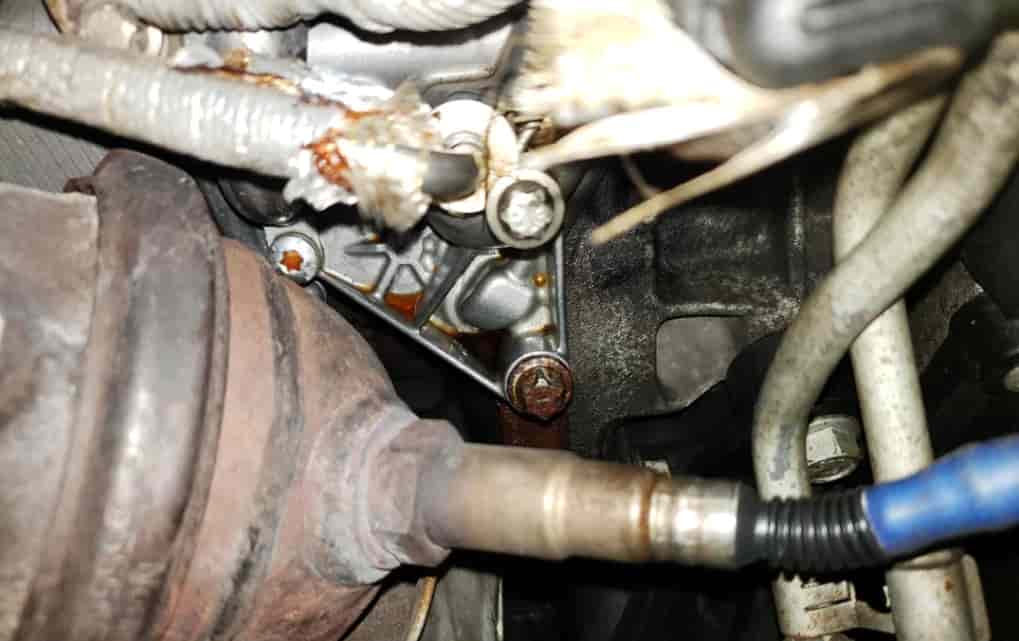
What Is a Coolant Leak in Chevy Cruze
A coolant leak in a Chevy Cruze happens when the cooling system fails to keep coolant inside a closed circuit. This system plays a critical role in controlling engine temperature. It moves coolant through the engine, radiator, and hoses to remove excess heat.
When a leak occurs, the system loses pressure and coolant volume. As a result, the engine cannot maintain a stable temperature. Even a small leak can reduce cooling efficiency and lead to overheating over time.
There are two main types of coolant leaks. The first type is an external leak. In this case, coolant escapes from visible parts such as hoses, the radiator, or the reservoir. You may notice puddles under the car or dried coolant residue around components.
The second type is an internal leak. This type is more serious and harder to detect. Coolant may enter the engine or mix with oil due to a damaged head gasket or cracked engine parts. This often leads to white smoke from the exhaust or milky engine oil.
Understanding how a Chevy Cruze coolant leak works helps you detect problems early. It also allows you to choose the right repair method before the damage becomes severe.
Common Symptoms of Chevy Cruze Coolant Leak
A Chevy Cruze coolant leak often shows clear warning signs if you pay close attention. Early detection can help you avoid serious engine damage and expensive repairs.
One of the most common symptoms is engine overheating. You may notice the temperature gauge rising faster than normal. In some cases, the engine may overheat even during short trips. This happens because the cooling system no longer has enough coolant to absorb and transfer heat.
Another warning sign is a low coolant level. You might see a warning light on the dashboard or find yourself refilling coolant more often than usual. If the level keeps dropping, a leak is likely present.
A sweet smell from the engine bay is also a strong indicator. Coolant contains ethylene glycol, which produces a distinct odor when it leaks and evaporates on hot engine parts.
You may also notice visible coolant under your car. This usually appears as a green, orange, or pink fluid. In some cases, dried residue forms around hoses, the radiator, or the coolant reservoir.
White smoke from the exhaust signals a more serious issue. This often means coolant is leaking into the combustion chamber. It may point to a blown head gasket or internal engine damage.
Each of these symptoms connects to a loss of cooling efficiency. When coolant escapes, the system cannot regulate temperature properly. If you ignore these signs, the engine can suffer long term damage.
Top Causes of Chevy Cruze Coolant Leak
A Chevy Cruze coolant leak can come from several components in the cooling system. Each cause has different symptoms and repair costs. Understanding these causes helps you diagnose the issue faster and avoid unnecessary replacements.
Faulty Water Pump
The water pump plays a key role in circulating coolant through the engine. When it fails, coolant may start leaking from the pump housing or seal.
You may notice coolant dripping near the front of the engine. In many cases, a whining noise also appears before the leak becomes visible. This issue often develops due to wear over time. Once the seal breaks, the leak will continue to worsen.
This is a serious problem because the engine depends on proper coolant flow. If the pump fails completely, overheating can happen very quickly.
Cracked Coolant Reservoir
The coolant reservoir stores excess coolant and helps regulate pressure. In Chevy Cruze models, this plastic component can crack due to heat and age.
Small cracks may not be visible at first. However, they allow coolant to slowly escape. You might notice a drop in coolant level without obvious leaks under the car.
In some cases, dried coolant residue appears around the reservoir. This cause is common and relatively easy to fix, but it should not be ignored.
Damaged Radiator
The radiator removes heat from the coolant before it returns to the engine. Over time, it can develop leaks due to corrosion, debris, or physical damage.
A leaking radiator often leaves coolant stains at the front of the vehicle. You may also see fluid collecting under the bumper area.
This issue reduces cooling efficiency and can lead to overheating, especially in hot weather or heavy traffic conditions.
Leaking Hoses
Coolant hoses connect different parts of the cooling system. These hoses operate under high pressure and temperature. Over time, they can become brittle, cracked, or loose.
A hose leak usually causes visible dripping. You may also find coolant sprayed around nearby engine components.
Loose clamps can also cause leaks. In some cases, a simple tightening can solve the issue. However, worn hoses should be replaced to prevent sudden failure.
Thermostat Housing Failure
The thermostat housing controls coolant flow based on engine temperature. In many Chevy Cruze models, this housing is made of plastic and can warp or crack.
When this happens, coolant may leak around the thermostat area. You might also experience unstable engine temperature.
This issue often appears together with overheating symptoms. Replacing the housing usually resolves the problem.
Blown Head Gasket
A blown head gasket is one of the most serious causes of a coolant leak. It allows coolant to enter the engine cylinders or mix with engine oil.
Common signs include white exhaust smoke, engine misfires, and milky oil. This type of leak does not always leave visible puddles, which makes it harder to detect.
Repairing a head gasket is expensive and time consuming. If ignored, it can lead to complete engine failure.
Each of these causes affects the cooling system in a different way. Some are easy to fix, while others require professional repair. Identifying the exact source of the Chevy Cruze coolant leak is the first step toward protecting your engine and reducing repair costs.
How to Fix a Chevy Cruze Coolant Leak
Fixing a Chevy Cruze coolant leak depends on the source of the problem. Some issues are simple and you can handle them at home. Others require professional tools and experience.
Start by identifying the exact location of the leak. Check under the car, around hoses, the radiator, and the coolant reservoir. Look for wet spots, dried residue, or a strong coolant smell. Once you find the source, you can choose the right fix.
For minor issues, you can try basic DIY solutions. If a hose clamp is loose, tightening it may stop the leak. If a hose shows small cracks, you should replace it as soon as possible. Temporary sealants can also help in emergencies, but they do not provide a long term solution.
If the coolant reservoir is cracked, replacing it is often the best option. This part is relatively affordable and easy to install. A damaged radiator or water pump, however, requires more effort. These components involve deeper access to the engine and may need special tools.
You should seek professional help when the problem becomes complex. A leaking water pump, thermostat housing failure, or radiator damage often requires proper diagnosis and installation. Mechanics can also perform pressure tests to detect hidden leaks.
Never ignore signs of an internal leak. If you suspect a blown head gasket, do not attempt a quick fix. This issue requires expert repair and careful inspection of engine components.
Acting early makes a big difference. A small repair today can prevent a major engine failure later. By fixing a Chevy Cruze coolant leak at the right time, you protect both your vehicle and your budget.
Chevy Cruze Coolant Leak Repair Cost
The cost to fix a Chevy Cruze coolant leak can vary widely. It depends on the source of the leak, the severity of the damage, and labor rates in your area. Understanding these costs helps you avoid surprises and plan your budget more effectively.
For minor repairs, the cost is relatively low. Fixing or replacing a coolant hose usually costs between 50 and 150 dollars. If the issue comes from a loose clamp or small external leak, the repair may be quick and inexpensive.
Replacing a coolant reservoir is also affordable in most cases. The total cost often falls between 100 and 250 dollars, including parts and labor. This makes it one of the easier problems to fix.
More complex repairs increase the cost significantly. A water pump replacement typically ranges from 300 to 600 dollars. This includes both parts and labor, as the process requires more time and effort.
Radiator replacement is even more expensive. You can expect to pay between 400 and 800 dollars depending on the model and parts quality. Labor costs play a large role in this repair.
The most expensive scenario involves a blown head gasket. Repair costs can exceed 1000 dollars and may go much higher depending on engine damage. This type of repair requires disassembling major engine components.
Labor rates also affect the final price. Independent repair shops usually charge less than dealerships. However, quality and expertise should always be your priority.
Fixing a Chevy Cruze coolant leak early can save you a significant amount of money. Small issues cost less and take less time to repair. Delaying the fix often leads to severe damage and much higher expenses.
Can You Drive With a Coolant Leak?
You should not drive a Chevy Cruze with a coolant leak unless it is an emergency. Even a small leak can lead to serious engine problems in a short time.
Coolant plays a key role in controlling engine temperature. When the system loses coolant, it cannot remove heat effectively. As a result, the engine temperature rises quickly. This can happen even during short drives or in normal traffic conditions.
Driving with low coolant increases the risk of overheating. Once the engine overheats, internal components can expand and warp. This may damage the cylinder head, pistons, or head gasket. In severe cases, the engine may fail completely.
Some drivers try to continue driving by refilling coolant regularly. This may work for a short period, but it does not solve the root problem. The leak will continue and may worsen without warning.
You may only consider driving in a very limited situation. For example, you need to move the car to a nearby repair shop. Even then, you should monitor the temperature gauge closely and stop immediately if it rises.
The safest approach is to fix the issue as soon as possible. Ignoring a Chevy Cruze coolant leak can turn a small repair into a major expense. Protecting your engine always costs less than replacing it.
How to Prevent Future Coolant Leaks
Preventing a Chevy Cruze coolant leak is much easier and cheaper than fixing major engine damage. Regular maintenance plays a key role in keeping the cooling system in good condition.
Start by checking the coolant level frequently. A sudden drop often signals an early problem. You should also inspect the coolant color. Clean coolant usually appears bright and clear. If it looks dirty or rusty, the system may need flushing.
Inspect hoses and connections on a regular basis. Look for cracks, swelling, or loose clamps. These small issues often lead to leaks if ignored. Replacing worn hoses early can prevent unexpected breakdowns.
You should also monitor the coolant reservoir and radiator. Plastic components can weaken over time due to heat. If you notice small cracks or residue, take action before the leak becomes worse.
Using the correct coolant type is also important. Always follow manufacturer recommendations. The wrong coolant can damage seals and reduce system efficiency.
Routine servicing helps detect hidden issues. A mechanic can perform a pressure test to find small leaks before they become serious. This simple step can save you from costly repairs later.
By staying proactive, you reduce the risk of a Chevy Cruze coolant leak and keep your engine running smoothly for years.
Conclusion
A Chevy Cruze coolant leak is a common issue, but it can lead to serious consequences if you ignore it. What starts as a small drop in coolant level can quickly turn into engine overheating and expensive repairs.
In this guide, you have learned the main causes, from leaking hoses to a failing water pump or even a blown head gasket. You also understand the key symptoms such as rising engine temperature, coolant loss, and unusual smells. Most importantly, you now know how to fix the problem and what it may cost.
The key takeaway is simple. Early detection saves money and protects your engine. Small repairs are manageable, but delayed action often leads to major damage.
If you are currently dealing with a Chevy Cruze coolant leak, take action now. Inspect your vehicle, identify the issue, and choose the right repair method. Acting early gives you more control and reduces long term costs.
Have you experienced a coolant leak in your Chevy Cruze before? Share your experience or questions to help others avoid the same problem.