Are turbo engines reliable, or are they simply high performance machines that come with hidden risks? This is one of the most common questions among modern car buyers, especially as turbocharged engines have rapidly become the new standard in the automotive industry. From compact sedans to performance SUVs, manufacturers are increasingly relying on smaller turbo engines to deliver both power and fuel efficiency.
However, this shift also raises serious concerns. Many drivers worry about long term durability, unexpected repair costs, and whether a turbo engine can truly match the reliability of a naturally aspirated engine. Stories about turbo failures, overheating, or expensive maintenance often make buyers hesitant, even when the performance benefits are hard to ignore.
The truth is more nuanced than most people think. Turbo engines today are far more advanced than older generations, but their reliability depends on several key factors including maintenance habits, driving style, and engineering quality. In this guide, we will break down everything you need to know about turbo engine lifespan, common problems, and real world performance so you can make a confident and informed decision.
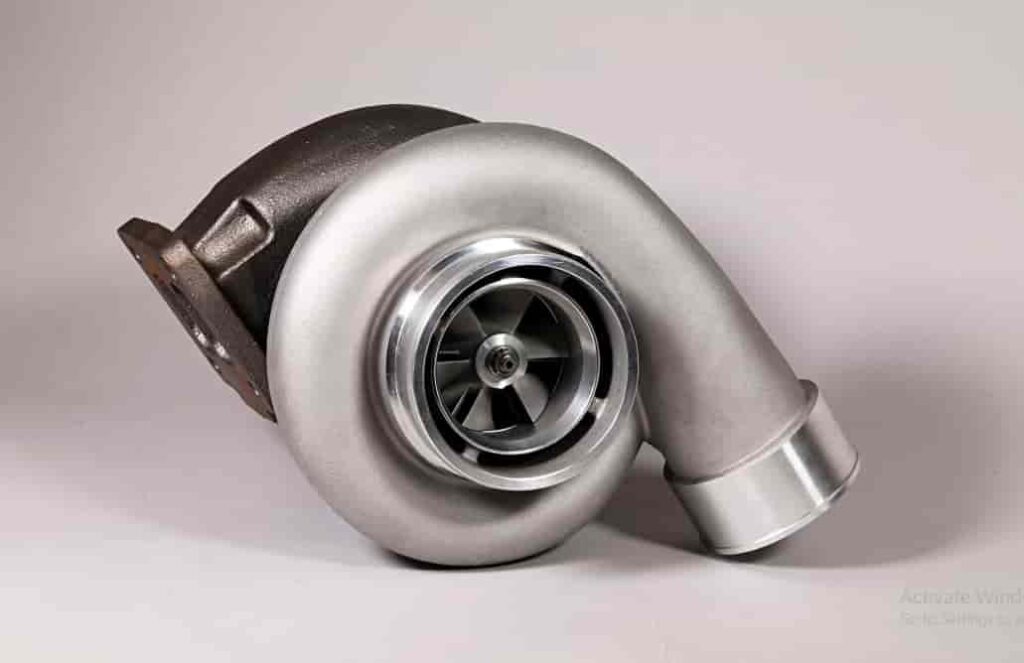
What Is a Turbo Engine and How Does It Work?
To understand whether turbo engines are reliable, it is important to first understand how they actually work. A turbocharged engine uses a component called a turbocharger to increase the engine’s power output without increasing its size. This is achieved by forcing more air into the combustion chamber, allowing the engine to burn more fuel and produce more power from the same displacement.
The turbocharger itself is powered by exhaust gases. Instead of letting exhaust energy go to waste, the system redirects it to spin a turbine. This turbine then drives a compressor that pushes additional air into the engine. The result is a more efficient combustion process and significantly improved performance, especially at higher speeds or under load.
This design allows smaller engines to perform like larger ones, which is why many manufacturers now prefer turbocharged engines for better fuel economy and lower emissions. However, this added complexity also introduces more components that must work under high pressure and temperature. That is one of the key reasons why reliability becomes a major concern for many drivers.
How Long Do Turbo Engines Last?
Most modern turbo engines can last between 150000 and 250000 kilometers. Some even go beyond that range when owners follow proper maintenance routines. In many real world cases, their lifespan matches naturally aspirated engines.
Several key factors affect how long a turbo engine lasts. Regular oil changes play the most important role. Clean oil keeps the turbocharger lubricated and prevents excessive wear. Low quality oil or delayed maintenance often leads to serious damage over time.
Driving habits also have a strong impact. Drivers who accelerate aggressively or push the engine when it is still cold increase the risk of early wear. On the other hand, smooth driving and proper warm up help extend engine life. Letting the engine idle for a short time before shutting it off after a hard drive also protects the turbo system.
Heat management is another critical factor. Turbo engines generate more heat than traditional engines. A well maintained cooling system helps prevent overheating and keeps internal components stable.
In the end, a turbo engine can be just as reliable as a traditional engine. The difference comes down to how you maintain and drive the vehicle on a daily basis.
Common Turbo Engine Problems
Turbo engines deliver strong performance, but they also come with a few common issues that drivers should understand. Most problems do not come from the design itself. They often come from poor maintenance or incorrect driving habits.
One of the most common issues is oil starvation. The turbocharger spins at extremely high speeds and depends on a constant flow of clean oil. When the oil level drops or becomes dirty, internal components wear out بسرعة. This can lead to turbo failure if the issue is not addressed early.
Another frequent problem is overheating. Turbo engines operate under higher temperatures than traditional engines. If the cooling system does not work properly, heat builds up quickly and damages sensitive parts. Drivers who push their cars hard and shut off the engine immediately increase this risk.
Carbon buildup is also a concern, especially in direct injection engines. Over time, carbon deposits can reduce efficiency and affect engine performance. This issue becomes more noticeable when drivers use low quality fuel or skip regular maintenance.
Turbo lag, while not a failure, can still affect the driving experience. It creates a delay between pressing the accelerator and feeling the power. Modern technology has reduced this issue, but it still exists in some vehicles.
The key takeaway is simple. Most turbo problems are preventable. Proper care and smart driving habits can significantly reduce the risk of costly repairs.
Are Turbo Engines Expensive to Maintain?
Many people assume that turbo engines are always expensive to maintain, but this is not entirely true. The actual cost depends more on how the vehicle is used and maintained rather than the turbo itself.
Routine maintenance costs are slightly higher than naturally aspirated engines. Turbo engines require more frequent oil changes and high quality oil. This increases regular service costs, but not dramatically. For most drivers, the difference remains manageable.
However, repair costs can be higher if problems occur. Replacing a turbocharger is not cheap, and labor costs can add up quickly. This is why neglecting maintenance often leads to expensive consequences later.
When compared to traditional engines, the long term cost gap is not as large as many people think. Drivers who follow proper maintenance schedules often experience similar ownership costs. In contrast, poor maintenance habits can make a turbo engine much more expensive to own.
In simple terms, turbo engines are not inherently expensive. They become costly only when drivers ignore basic care and maintenance.
Turbo vs Naturally Aspirated Engines Reliability Comparison
Many drivers compare turbo engines with naturally aspirated engines when they think about reliability. In the past, naturally aspirated engines had a clear advantage. They used simpler designs and fewer components, which made them easier to maintain and less prone to failure.
Today, the gap is much smaller. Modern turbo engines use better materials, improved cooling systems, and advanced engine management. These improvements help increase durability and reduce common risks.
Naturally aspirated engines still offer simplicity. They place less stress on internal components and usually require less attention. This makes them a safe choice for drivers who prefer low maintenance and long term stability.
Turbo engines, on the other hand, deliver more power from a smaller engine. They improve fuel efficiency and provide better acceleration. However, they rely more on proper maintenance. Drivers must pay attention to oil quality, cooling, and driving habits.
In terms of reliability, both engine types can perform well. Naturally aspirated engines offer consistency and simplicity. Turbo engines offer performance and efficiency with slightly higher responsibility. The better choice depends on how you use and maintain your vehicle.
Real World Performance Are Turbo Engines Worth It
In real world driving, turbo engines offer clear advantages that many drivers appreciate. They deliver strong acceleration even with smaller engines. This makes daily driving more responsive and enjoyable, especially in city traffic or when overtaking on highways.
Turbo engines also improve fuel efficiency in many situations. Smaller engines consume less fuel under normal driving conditions. At the same time, the turbo provides extra power when needed. This balance makes them a popular choice for modern vehicles.
However, real world performance also depends on driving style. Drivers who push the engine aggressively may not see fuel savings. In some cases, fuel consumption can even increase under heavy load.
Another factor to consider is driving feel. Some drivers notice a slight delay in power delivery, especially in older turbo systems. While modern technology has reduced this effect, it can still appear in certain conditions.
Overall, turbo engines offer a strong combination of power and efficiency. For most drivers, they provide a better balance than traditional engines. When used correctly, they deliver both performance and practicality in everyday driving.
How to Make a Turbo Engine Last Longer
You can extend the life of a turbo engine with simple and consistent habits. The most important step is regular oil changes. Always use high quality oil and follow the recommended service interval. Clean oil keeps the turbo lubricated and reduces internal wear.
Warm up the engine before driving hard. A cold engine does not lubricate parts efficiently. Gentle driving in the first few minutes helps protect the turbo system. This habit is simple but very effective.
After a long or aggressive drive, let the engine idle for a short time before turning it off. This allows the turbo to cool down gradually. Sudden shutdown can trap heat inside the system and damage internal components.
Use good quality fuel whenever possible. Low quality fuel can increase carbon buildup and reduce engine efficiency. Over time, this can affect both performance and reliability.
Pay attention to warning signs. Unusual noise, loss of power, or excessive smoke may indicate turbo issues. Early detection helps you avoid expensive repairs.
Consistent care makes the biggest difference. A well maintained turbo engine can last just as long as a traditional engine.
Final Verdict Are Turbo Engines Reliable
So, are turbo engines reliable? The answer is yes, but with conditions. Modern turbo engines have improved significantly in both design and durability. They no longer carry the same reliability concerns as older generations.
However, reliability does not come automatically. It depends on how you maintain and drive the vehicle. Drivers who follow proper maintenance routines often experience long engine life and stable performance. Those who neglect basic care may face costly issues.
Turbo engines offer a strong balance between power and efficiency. They allow smaller engines to deliver better performance without sacrificing fuel economy. This makes them a practical choice for modern drivers.
In the end, turbo engines are reliable when treated correctly. They are not fragile, but they are less forgiving than simpler engine designs. If you understand how they work and take care of them properly, they can serve you well for many years.
Would you choose a turbo engine for your next car, or do you still prefer the simplicity of a naturally aspirated engine?