Seeing the TPMS warning light appear on your Hyundai dashboard can be frustrating, especially when your tires seem completely fine. Many Hyundai owners experience this problem after filling their tires with air, replacing tires, or driving during cold weather. In some cases, the warning light disappears after a few minutes. In other situations, it stays on for days and leaves drivers wondering whether the issue is serious or simply a sensor malfunction.
Modern Hyundai vehicles rely on the Tire Pressure Monitoring System to improve driving safety and maintain proper tire pressure. This system helps drivers avoid dangerous situations caused by underinflated tires, poor fuel economy, and uneven tire wear. However, like many electronic systems, TPMS sensors can fail over time or produce inaccurate readings. A flashing TPMS light, random low pressure alerts, or constant dashboard warnings are among the most common Hyundai TPMS problems drivers face today.
Many owners become concerned when repair shops recommend expensive sensor replacements without properly diagnosing the issue first. Others struggle to find the correct reset procedure because different Hyundai models use different TPMS configurations. This confusion often leads to unnecessary repairs and wasted money.
In this guide, you will learn the most common Hyundai TPMS problems, the warning signs of failing sensors, and the easiest ways to fix these issues before they become expensive repairs. You will also discover how to reset the system correctly, how much TPMS repairs typically cost, and what steps can help prevent future sensor failures.
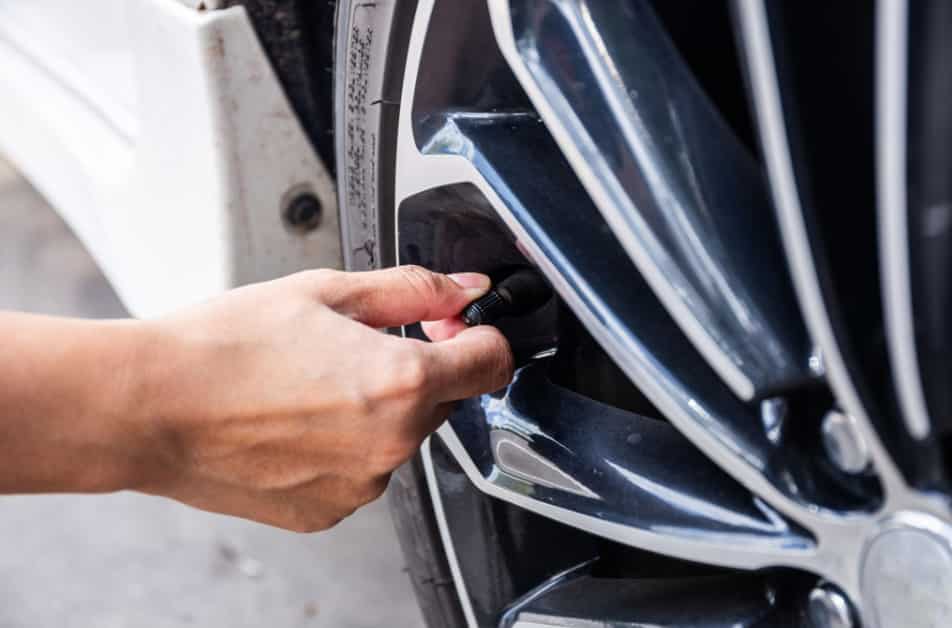
What Is the Hyundai TPMS System and How Does It Work?
The Hyundai Tire Pressure Monitoring System is designed to monitor the air pressure inside your tires and alert you when the pressure becomes too low. This safety feature plays an important role in maintaining vehicle stability, improving fuel efficiency, and reducing tire wear. When the system detects abnormal tire pressure, the TPMS warning light appears on the dashboard to notify the driver before the problem becomes dangerous.
Most modern Hyundai vehicles use a direct TPMS system. In this setup, a pressure sensor is installed inside each wheel. These sensors continuously measure tire pressure and send data wirelessly to the vehicle’s electronic control unit. If one or more tires fall below the recommended pressure level, the system immediately activates the warning light.
The TPMS system may seem simple, but several components must work together properly. Each wheel sensor contains a small battery, a pressure monitoring module, and a transmitter. Over time, these parts can wear out or lose communication with the vehicle. This is one reason why Hyundai TPMS problems become more common as vehicles age.
Some Hyundai owners mistakenly assume the TPMS warning light only appears when a tire is flat. In reality, even small pressure changes caused by weather fluctuations can trigger the system. Cold temperatures are especially known for causing sudden low pressure warnings because tire pressure naturally drops as the air becomes colder.
Another important detail is that TPMS sensors can sometimes lose calibration after tire rotations, wheel alignments, or tire replacements. In these situations, the system may need time to relearn sensor positions or may require a manual reset procedure. Drivers who are unaware of this process often believe the sensors are damaged when the issue is actually temporary.
Understanding how the Hyundai TPMS system works makes it much easier to diagnose warning lights correctly. Instead of replacing parts immediately, drivers can first identify whether the issue is related to tire pressure, sensor communication, battery life, or system recalibration.
Most Common Hyundai TPMS Problems
One of the most common Hyundai TPMS problems is a warning light that stays on even after you inflate the tires correctly. Many drivers expect the light to disappear right away, but the system often needs time to update the readings. In some cases, the light remains on for several minutes or longer, which can cause confusion. This usually happens because the TPMS system is still recalibrating or because one tire has slightly different pressure. A small imbalance is enough to keep the warning active. Some Hyundai models also monitor the spare tire, which can add another reason for a persistent alert.
Another frequent issue is false low tire pressure warnings. The system may show a warning even when all tires have normal pressure. Cold weather is the main trigger for this problem. When temperatures drop, air inside the tire contracts and pressure decreases naturally. The TPMS system detects this change and may assume there is a leak. In other situations, the system gives wrong readings after tire service or wheel rotation. Weak sensor batteries can also cause unstable signals and random alerts that turn on and off without warning.
A failing TPMS sensor battery is another major cause of Hyundai TPMS problems. Each sensor uses a built in battery that usually lasts five to ten years. When the battery gets weak, the sensor sends weak or inconsistent signals. The warning light may start flashing or stay on continuously. In most cases, you cannot replace the battery alone, so you need to replace the full sensor.
TPMS issues often appear after tire replacement or wheel work. Sensors may lose connection during installation or rotation. The system then struggles to match each sensor with the correct wheel position. This leads to incorrect readings or a constant warning light until you reset or relearn the system.
Warning Signs of a Failing Hyundai TPMS Sensor
A failing Hyundai TPMS sensor usually shows clear warning signs before it stops working completely. One of the earliest signs is a flashing TPMS light on the dashboard. Unlike a solid warning light that often points to low tire pressure, a flashing light usually indicates a sensor communication issue. The system is no longer receiving stable data from one or more wheels.
Another common sign is inaccurate tire pressure readings. The dashboard may show different values from what you measure with a manual tire gauge. This happens when the sensor starts losing accuracy or sending inconsistent signals. Drivers often notice that tire pressure seems correct in reality, but the system still reports a problem.
Repeated or random TPMS warnings also indicate a potential sensor issue. The warning light may turn on and off without any change in tire condition. This behavior often becomes more frequent over time as the sensor battery weakens.
In some cases, the TPMS system cannot detect a sensor during diagnostics. A scan tool may show a missing or inactive sensor, which usually confirms sensor failure or complete battery depletion. When this happens, the system can no longer monitor that specific wheel correctly.
How to Fix Hyundai TPMS Problems
The first step in fixing Hyundai TPMS problems is to check all tire pressures manually. Use a reliable tire gauge and compare the readings with the recommended PSI found on the driver door sticker. Make sure all tires are inflated correctly because even small differences can trigger the warning light. It is also important to check tire pressure when the tires are cold for the most accurate reading.
If the pressure is correct, drive the vehicle for a short distance to allow the system to recalibrate. Many Hyundai models update TPMS data automatically after a few minutes of driving. In some cases, this simple step can turn off the warning light without further action.
If the light stays on, you may need to reset the TPMS system. Some Hyundai models have a reset button, while others require a specific driving procedure. After resetting, the system should relearn the sensor positions and update the readings correctly.
If problems continue, a faulty TPMS sensor may need replacement. A technician can confirm this using a diagnostic tool that checks each sensor individually. Once identified, the damaged sensor must be replaced to restore full system function.
How Much Does Hyundai TPMS Sensor Replacement Cost?
The cost of replacing a Hyundai TPMS sensor depends on several factors, including the model of the vehicle, labor rates, and whether you choose OEM or aftermarket parts. On average, a single TPMS sensor replacement can range from moderate to relatively expensive, especially when performed at a dealership. Luxury trims or newer Hyundai models may cost more due to advanced sensor technology and programming requirements.
Labor cost also plays an important role in the total price. A technician needs to remove the tire, replace or install the new sensor, rebalance the wheel, and then reprogram the system. This process takes additional time, which increases the overall service cost. Independent repair shops often offer lower labor rates compared to official dealerships, but the quality of parts and calibration tools may vary.
The cost can also change depending on how many sensors need replacement. If one sensor fails due to battery depletion, others may follow soon because they usually age at a similar rate. In many cases, mechanics recommend replacing all four sensors at the same time to avoid repeated repairs in a short period.
Different Hyundai models such as Elantra, Tucson, Santa Fe, and Sonata may also have slight differences in sensor pricing. Newer models with more advanced TPMS systems often require specialized programming, which adds to the cost.
Can You Drive With the Hyundai TPMS Light On?
Driving with the TPMS light on is possible, but it depends on the cause of the warning. If the light is triggered by slightly low tire pressure, you may still drive for a short distance. However, you should check and correct the tire pressure as soon as possible to avoid uneven tire wear and reduced fuel efficiency.
If the TPMS light stays on continuously, it usually indicates a sensor or system issue rather than a simple pressure drop. In this case, driving is not immediately dangerous, but it reduces your ability to monitor tire safety. You may not notice a real puncture or air leak while the system is not functioning properly.
A flashing TPMS light is more serious because it often signals a sensor failure or communication error. When this happens, the system cannot provide accurate tire pressure information. Continuing to drive without proper monitoring increases the risk of tire damage or even a blowout in extreme cases.
In general, you can drive temporarily with the warning light on, but you should not ignore it. It is important to diagnose and fix the issue as soon as possible to maintain safe driving conditions and prevent further damage.
How to Prevent Future Hyundai TPMS Problems
Preventing Hyundai TPMS problems starts with regular tire pressure maintenance. You should check all four tires at least once a month and before long trips. Always use a reliable tire pressure gauge instead of relying only on visual inspection, because tires can look normal even when pressure is low. Keeping tires at the correct PSI helps the TPMS system work accurately and reduces unnecessary warning lights.
It is also important to adjust tire pressure according to temperature changes. Cold weather can reduce tire pressure quickly, which often triggers false TPMS alerts. By checking and adjusting pressure during seasonal changes, you can avoid many common sensor warnings. This simple habit also improves fuel efficiency and extends tire life.
Proper tire service is another key factor in preventing TPMS issues. When rotating tires, replacing wheels, or installing new tires, make sure the technician handles the sensors carefully. Damage during installation is a common cause of sensor failure. It is also important to confirm that the TPMS system is reset or relearned after any tire-related service.
Sensor lifespan is another factor you should consider. TPMS sensors usually last five to ten years depending on driving conditions. If your Hyundai is older, you should monitor sensor performance more closely. Replacing sensors proactively can help you avoid sudden warning lights and unexpected repair costs.
FAQs About Hyundai TPMS Problems
One common question is why the TPMS light stays on after filling tires. This usually happens because the system needs time to recalibrate or because one tire still has slightly different pressure. Even a small imbalance can keep the warning active.
Another frequent question is how to reset the TPMS on a Hyundai. The process depends on the model, but most vehicles require a reset button or a short driving cycle to allow the system to relearn tire positions and pressure levels.
Many drivers also ask how long TPMS sensors last. In most cases, sensors last between five and ten years. However, battery life can vary depending on climate, driving habits, and usage frequency.
Cold weather is another concern. Yes, low temperatures can trigger TPMS warnings because tire pressure naturally drops when the air contracts. This does not always mean there is a leak.
Finally, driving with a TPMS warning light is possible for a short time, but it is not recommended for long periods. You should inspect and fix the issue as soon as possible to maintain safe driving conditions.
Conclusion
Hyundai TPMS problems are more common than many drivers expect, especially as vehicles age or go through regular tire service. In most cases, these issues are not caused by serious mechanical failures but by sensor communication errors, pressure changes, or system calibration delays. Understanding how the TPMS system works helps you avoid unnecessary stress when the warning light appears on the dashboard.
The most important point is that the TPMS system is designed to protect you. It warns you early when tire pressure drops or when a sensor stops working correctly. Ignoring these warnings can lead to poor fuel efficiency, uneven tire wear, and reduced vehicle control. Even if the issue seems minor, it is always better to check the tires and confirm the cause.
Simple actions like checking tire pressure regularly, resetting the system correctly, and servicing tires carefully can prevent most Hyundai TPMS problems. In cases where sensors fail due to battery life or damage, timely replacement will restore accurate monitoring and improve driving safety.
If your Hyundai TPMS warning light keeps returning or behaves unpredictably, it is a clear sign that the system needs proper diagnosis. Addressing the issue early will save time, reduce repair costs, and keep your vehicle running safely and efficiently for the long term.