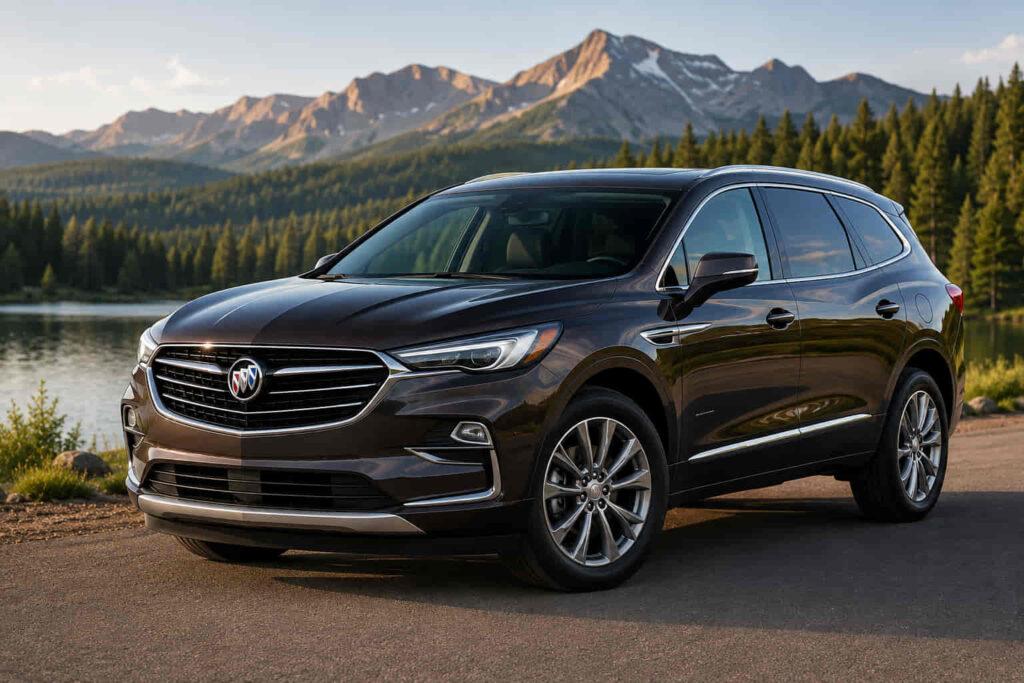
The best years for the Buick Enclave are generally the later models that benefit from improved reliability, updated technology, and refinements made after earlier production years. As a three-row luxury crossover SUV from Buick, the Enclave has evolved through two generations, with each generation bringing changes to design, performance, comfort, and ownership experience.
Finding the best Buick Enclave year requires more than choosing the newest model available. A reliable used SUV depends on several factors, including engine performance, transmission durability, maintenance history, common repair issues, safety features, and overall value.
The first-generation Buick Enclave, produced from 2008 to 2017, established the model’s reputation for spacious interiors, comfortable driving, and family-friendly practicality. However, some early model years experienced more ownership concerns compared with later versions that benefited from improvements.
The second-generation Buick Enclave, introduced in 2018, brought a redesigned platform, updated technology, improved interior quality, and a more refined driving experience. Later models from this generation are often considered strong options for buyers looking for a modern used luxury SUV.
This guide explains the best Buick Enclave years to buy, how each generation compares, which model years offer the strongest reliability, which years require more caution, and what factors buyers should consider before purchasing a used Enclave.
How Did Buick Enclave Change Between Generations?
The Buick Enclave changed significantly between its first generation and second generation, with newer models receiving improvements in platform design, technology, interior quality, and overall driving refinement. Understanding these generation differences is important because the best Buick Enclave year depends heavily on whether buyers prioritize affordability, reliability, modern features, or long-term ownership value.
The first-generation Buick Enclave was introduced for the 2008 model year and was built on GM’s Lambda platform, which it shared with vehicles such as the Chevrolet Traverse and GMC Acadia. The main focus of this generation was creating a comfortable three-row luxury crossover with a spacious interior, smooth ride quality, and strong family usability.
Early first-generation models offered a 3.6-liter V6 engine paired with an automatic transmission. The engine provided adequate power for daily driving, highway travel, and family transportation. However, some earlier model years experienced ownership concerns related to mechanical components, electrical systems, and maintenance costs, making careful year selection important for used buyers.
Later first-generation models, especially from 2012 onward, benefited from updates that improved styling, technology, and overall refinement. These models represent a better balance between lower purchase prices and improved ownership experience compared with the earliest Enclave years.
The second-generation Buick Enclave arrived for the 2018 model year and introduced a more modern architecture based on GM’s C1XX platform. This redesign improved several areas, including interior materials, infotainment technology, safety features, exterior styling, and driving dynamics.
The newer generation also provided a more premium experience, bringing the Enclave closer to competitors in the midsize luxury SUV segment. Improved cabin design, better technology integration, and more refined handling made later models more attractive for buyers who want a modern three-row SUV.
For example, a buyer choosing between a lower-priced 2012–2017 Enclave and a newer 2019–2021 model must decide whether the savings of the first generation outweigh the improved technology and refinement of the second generation.
Read more: Who Makes Crossmax Tires
Which Buick Enclave Model Years Are the Most Reliable?
The most reliable Buick Enclave model years are generally the later first-generation models from 2012–2017 and selected second-generation models from 2019–2021 because they benefit from design improvements, updated features, and fewer early-generation concerns. These years provide a stronger balance between purchase price, comfort, technology, and long-term ownership value.
The 2012–2017 Buick Enclave models are often attractive choices for used SUV buyers because they represent the improved version of the first generation. By this stage, Buick had refined the Lambda platform, updated interior features, and addressed several issues that affected some earlier production years.
The 2017 Buick Enclave is particularly notable because it was the final year of the first generation. Vehicles at the end of a production cycle often benefit from years of engineering improvements and accumulated manufacturer experience. Buyers looking for a lower-cost used Enclave can find strong value in this model year when maintenance records are available.
The second-generation Buick Enclave models from 2019–2021 are also strong options for buyers who want newer technology and a more premium experience. These vehicles introduced a redesigned platform, improved cabin materials, updated infotainment systems, and more advanced driver assistance features.
The 2019 and 2020 model years are especially appealing because they represent mature versions of the second generation without the higher purchase prices associated with newer vehicles. They offer a modern SUV experience while avoiding some risks associated with buying the first year of a redesign.
However, reliability depends heavily on individual vehicle history. A well-maintained older Enclave can be a better purchase than a newer vehicle with poor maintenance records. Service history, mileage, accident history, and previous ownership conditions are important factors when evaluating any used Buick Enclave.
For example, a 2017 Enclave with complete maintenance records may provide better long-term value than a neglected 2020 model with delayed servicing and unresolved mechanical problems.
What Factors Affect Buick Enclave Reliability?
Buick Enclave reliability depends on several factors, including engine condition, transmission performance, maintenance history, driving habits, and how previous owners cared for the vehicle. Model year selection is important, but ownership history often determines whether a used Enclave remains dependable over time.
The 3.6-liter V6 engine used throughout much of the Enclave’s production provides strong performance and is capable of high mileage when properly maintained. Regular oil changes, cooling system maintenance, and timely repairs are essential because neglected maintenance can increase the likelihood of expensive repairs.
Transmission condition is another important factor when evaluating a used Buick Enclave. Smooth shifting, proper fluid maintenance, and a history of addressing transmission-related concerns can significantly affect long-term ownership costs.
Technology and electrical systems also influence reliability, especially in newer luxury SUVs. Features such as infotainment systems, sensors, cameras, and electronic controls improve convenience but add more components that require proper diagnosis and maintenance.
The vehicle’s intended use also matters. A Buick Enclave used mainly for highway commuting typically experiences less stress than one frequently used for heavy towing, poor road conditions, or aggressive driving.
For example, two identical 2019 Buick Enclave models can have very different ownership outcomes if one receives scheduled maintenance throughout its life while the other has irregular service and neglected repairs.
Which Buick Enclave Years Should You Avoid?
The Buick Enclave years that require more caution are generally the earliest models of the first generation, especially 2008–2011, because they were produced before many later refinements were introduced. These early models established the Enclave nameplate but also experienced more ownership concerns compared with later versions.
The first years of a vehicle generation often carry more risk because manufacturers are still identifying and improving design weaknesses through real-world customer feedback. For the early Buick Enclave models, some owners reported concerns related to timing chain systems, transmission performance, electrical components, and higher repair costs as mileage increased.
The 2008–2011 Enclave models can still be found on the used market because of their comfortable interiors, spacious cabins, and affordable prices. However, buyers should pay closer attention to maintenance history, repair records, and pre-purchase inspections before choosing these years.
This does not mean every early Enclave is unreliable. A well-maintained vehicle with documented repairs can still provide useful transportation. The difference is that buyers need to evaluate these model years more carefully because the potential repair risk is generally higher than later versions.
The safest approach when considering an older Buick Enclave is to focus on vehicles with consistent maintenance, fewer owners, and clear service documentation. A lower purchase price does not always represent better value if expensive repairs appear shortly after purchase.
For example, a 2010 Buick Enclave with unknown service history may become more expensive to own than a better-maintained 2015 or 2017 model purchased at a slightly higher price.
How Long Does a Buick Enclave Last?
A properly maintained Buick Enclave can typically last around 200,000 miles or more, with longevity depending heavily on maintenance quality, driving conditions, and previous ownership history. Like most modern SUVs, the Enclave’s lifespan is influenced more by care and service consistency than by the model name alone.
The 3.6-liter V6 engine used in many Buick Enclave models has the capability to provide long-term service when owners follow recommended maintenance schedules. Regular oil changes, cooling system care, transmission maintenance, and timely repairs help prevent small issues from becoming major mechanical problems.
Because the Buick Enclave is a three-row SUV, many owners use it for family transportation, road trips, and daily commuting. These driving patterns are generally less demanding than heavy commercial use, which can help extend vehicle life when maintenance is performed correctly.
Mileage alone should not determine whether a used Buick Enclave is worth buying. A higher-mileage vehicle with complete maintenance records may be a better investment than a lower-mileage example with neglected service.
Buyers should evaluate the complete ownership picture, including previous repairs, inspection results, tire condition, suspension components, and engine performance.
For example, a 2017 Buick Enclave with 120,000 miles and detailed maintenance records may offer better reliability than a 2019 model with 80,000 miles but inconsistent servicing.
Is Buick Enclave a Good Used SUV?
The Buick Enclave is a good used SUV for buyers who prioritize interior space, comfort, smooth driving, and family-friendly features. Its three-row layout, quiet cabin, and comfortable ride make it a practical choice for families who need more space than a compact SUV can provide.
One of the Enclave’s strongest advantages is passenger comfort. Buick designed the vehicle around a relaxed driving experience, with spacious seating, a smooth suspension system, and a premium interior atmosphere compared with many mainstream three-row SUVs.
The Enclave is also attractive in the used market because depreciation often makes it more affordable than some luxury competitors while still offering many premium features. Buyers can access a comfortable midsize SUV experience without paying the price of newer luxury models.
However, buyers should choose the model year carefully. Later first-generation models and mature second-generation models generally provide a better ownership experience because they include improvements made throughout the vehicle’s production history.
The ideal Buick Enclave depends on the buyer’s priorities. Someone seeking maximum affordability may prefer a well-maintained 2015–2017 model, while someone wanting newer technology and a more refined experience may prefer a 2019–2021 model.
For example, a family needing a comfortable three-row SUV for commuting, school transportation, and weekend travel may find a carefully selected Buick Enclave to be a strong used vehicle option.