When buying a reliable vehicle, one of the most important questions many drivers ask is, how long do Honda Civics last? Known for their durability, fuel efficiency, and affordable ownership costs, Honda Civics have built a strong reputation as one of the longest-lasting compact cars on the market. Many owners report reaching 200,000 miles or more, while some well-maintained models continue running beyond 300,000 miles.
However, a Honda Civic’s lifespan depends on more than just its brand reputation. Factors such as regular maintenance, driving habits, climate conditions, and repair history play a major role in determining how long the vehicle can stay reliable. A properly maintained Civic can provide decades of dependable service, while a neglected model may experience expensive repairs much earlier.
For drivers considering a used Honda Civic, understanding its expected mileage, reliability, maintenance requirements, and common problems is essential before making a purchase decision. This guide explores the Honda Civic lifespan in detail, explains what helps these vehicles reach high mileage, and provides practical tips to keep your Civic running smoothly for years to come.
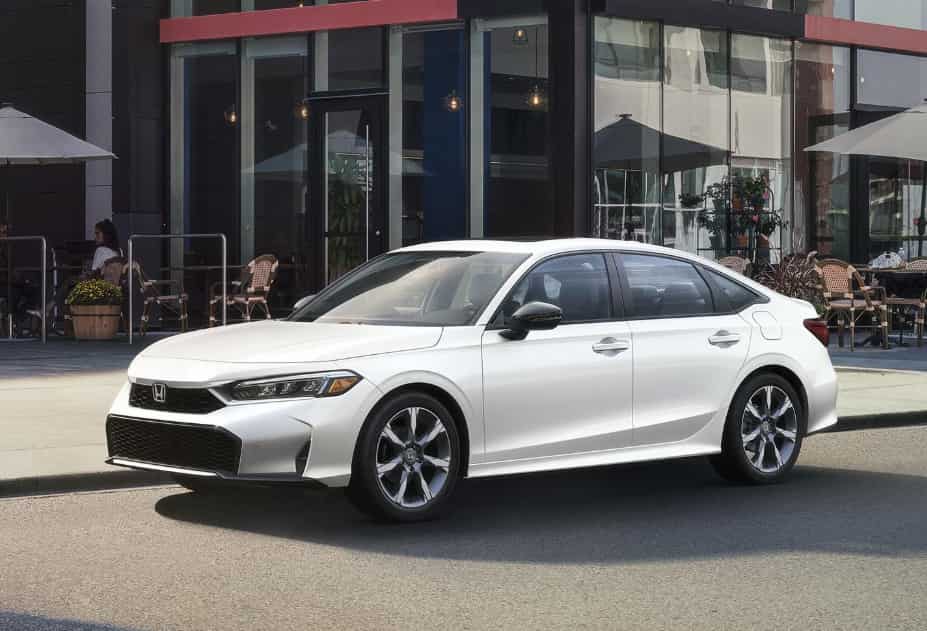
How Long Do Honda Civics Last on Average?
A Honda Civic can last between 200,000 and 300,000 miles with proper care. Many owners reach this mileage because Honda builds Civics with durable engines, reliable components, and affordable maintenance needs. Some well-maintained models can even continue running beyond 300,000 miles.
Most Honda Civics reach at least 150,000 to 200,000 miles when owners follow a consistent maintenance routine. Regular oil changes, fluid checks, inspections, and timely repairs help protect the engine and other important systems. Good driving habits also play an important role in extending the vehicle’s lifespan.
A Civic with fewer than 100,000 miles usually needs basic maintenance. Owners mainly focus on oil changes, tire replacements, brake service, and routine inspections. After reaching 100,000 miles, the vehicle may need more attention. Components such as suspension parts, belts, hoses, and other wear items can require replacement as they age.
Once a Honda Civic passes 200,000 miles, maintenance history becomes more important than the mileage itself. A high mileage Civic with detailed service records can provide years of reliable transportation. In contrast, a low mileage vehicle with poor maintenance may create expensive problems.
The answer to how long do Honda Civics last depends on how owners care for them. Mileage shows how far a car has traveled, but maintenance determines how long it can continue performing well.
Why Are Honda Civics Known for Long Term Reliability?
Honda Civics have earned a reputation for long term reliability because Honda focuses on practical engineering, efficient performance, and affordable ownership. For decades, the Civic has remained one of the most trusted compact cars among drivers who want a vehicle that can handle daily use for many years.
One major reason behind Honda Civic reliability is its durable engine design. Honda develops engines that deliver strong performance while maintaining efficiency and longevity. With regular oil changes and proper maintenance, many Civic engines can continue working smoothly after reaching high mileage.
The Civic also benefits from simple and proven engineering. Honda avoids adding unnecessary complexity to many mechanical systems, which helps reduce potential failures. When repairs become necessary, owners can usually find replacement parts easily and access affordable service options.
Another factor that supports the Honda Civic lifespan is its low ownership cost. Compared with many other vehicles in the same class, the Civic often requires less expensive maintenance. Affordable parts, good fuel economy, and strong resale value make it attractive for both new and used car buyers.
Honda Civic reliability does not come from one single feature. It comes from the combination of quality engineering, regular maintenance, and responsible ownership. A Civic that receives proper care can provide dependable transportation for hundreds of thousands of miles, which explains why many drivers continue choosing this model for long term ownership.
Can a Honda Civic Last 300,000 Miles?
Yes, a Honda Civic can last 300,000 miles when owners provide proper maintenance and take care of the vehicle throughout its life. Reaching this mileage requires more than a reliable engine. Owners must follow a consistent service routine and repair problems before they become major issues.
Regular oil changes play one of the most important roles in extending a Honda Civic lifespan. Clean engine oil helps reduce friction and protects internal components from excessive wear. Owners should also monitor other essential fluids, including transmission fluid and coolant, to maintain smooth operation.
Transmission care also affects how long a Civic can stay on the road. Following the recommended service schedule helps prevent costly transmission problems. This is especially important for older models and vehicles with higher mileage.
Driving habits can also determine whether a Honda Civic reaches 300,000 miles. Smooth acceleration, careful braking, and avoiding excessive stress on the engine can reduce long term wear. In addition, owners should address warning signs quickly instead of delaying repairs.
A high mileage Honda Civic can still deliver excellent value. For example, a 200,000 mile Civic with complete maintenance records may perform better than a lower mileage vehicle with poor care. Mileage provides useful information, but maintenance history reveals the true condition of the car.
For drivers wondering how long do Honda Civics last, the answer depends largely on ownership decisions. With proper attention and regular maintenance, a Civic can remain reliable for several decades and hundreds of thousands of miles.
Honda Civic Maintenance Tips to Extend Its Lifespan
Regular maintenance plays the biggest role in extending a Honda Civic lifespan. Even the most reliable vehicle needs proper care to maintain performance, efficiency, and safety over time. A consistent maintenance routine can help prevent expensive repairs and allow a Civic to reach high mileage.
Engine care should always remain a priority. Owners should change the engine oil at the recommended intervals and use the correct oil type for their specific model. Clean oil protects internal engine parts and helps the vehicle operate smoothly. Drivers should also replace air filters, spark plugs, and other engine components when necessary.
Transmission maintenance also affects long term reliability. Regular transmission fluid checks and services help protect the system from unnecessary wear. Owners should pay attention to unusual noises, delayed shifting, or changes in driving performance because early action can prevent larger problems.
Tire, brake, and suspension maintenance also contribute to overall vehicle health. Proper tire rotation, wheel alignment, and brake inspections improve safety while reducing stress on other components. Replacing worn suspension parts can also improve driving comfort and prevent additional damage.
Preventive maintenance costs less than major repairs. Many Honda Civic owners achieve 200,000 miles or more because they fix small issues before they develop into serious failures. A simple maintenance habit can make a significant difference in how long the vehicle remains dependable.
For anyone asking how long do Honda Civics last, maintenance remains one of the most important answers. A well cared for Civic can deliver reliable performance for many years and hundreds of thousands of miles.
Common Honda Civic Problems After 100,000 Miles
Honda Civics have a strong reputation for reliability, but every vehicle can develop issues as it gets older. After reaching 100,000 miles, owners may notice signs of wear that require attention. These problems do not mean the Civic is unreliable. They are normal maintenance concerns that appear as components age.
One common issue on high mileage Honda Civics involves engine wear. Some older models may experience oil consumption or minor oil leaks after years of use. Regular inspections and proper oil changes can help owners identify these problems early and prevent more serious engine damage.
Transmission concerns can also appear, especially in vehicles with poor maintenance history. Older automatic transmissions and some CVT systems require proper servicing to maintain smooth performance. Owners should follow the recommended maintenance schedule and address unusual shifting behavior quickly.
Suspension wear is another common issue after 100,000 miles. Components such as shocks, struts, and bushings naturally lose effectiveness over time. Replacing these parts can restore ride comfort and improve handling.
Electrical components may also require attention as a Civic ages. Sensors, batteries, and other electronic parts can experience normal wear after many years of operation.
Understanding these potential problems helps owners make better decisions. A Honda Civic with 150,000 or 200,000 miles can still provide excellent reliability when it receives proper care. The key factor is not avoiding every repair, but maintaining the vehicle consistently throughout its lifespan.
When considering how long do Honda Civics last, buyers should remember that even reliable cars need maintenance as they accumulate mileage.
Which Honda Civic Years Last the Longest?
Not every Honda Civic model year offers the same level of reliability. While most Civic generations have earned a positive reputation, some models stand out because of their durability, simple engineering, and strong owner satisfaction. When choosing a used Honda Civic, the vehicle’s maintenance history often matters more than the model year alone.
Older Honda Civic generations are popular among long term owners because they use proven mechanical designs. Many of these models feature reliable engines, simple systems, and affordable repair costs. Their straightforward construction makes them easier to maintain and helps owners keep them on the road for many years.
Newer Honda Civic models provide improved technology, better fuel efficiency, and more advanced safety features. These vehicles can also achieve high mileage when owners follow the recommended maintenance schedule. However, newer systems may require more specialized repairs compared with older models.
When searching for the most reliable Honda Civic years, buyers should consider several factors. A vehicle with complete service records, regular maintenance, and careful ownership history often provides better value than a newer model with neglected care.
The best Honda Civic is not always the newest one. A well maintained Civic from a reliable generation can deliver excellent performance and long term value. Buyers should focus on the vehicle’s overall condition, maintenance records, and previous ownership rather than relying only on the production year.
For drivers researching how long do Honda Civics last, choosing the right model year can help improve the chances of owning a dependable vehicle for many years.
Honda Civic vs Toyota Corolla: Which One Lasts Longer?
When comparing long lasting compact cars, the Honda Civic and Toyota Corolla are two of the most popular choices. Both models have built strong reputations for reliability, affordable maintenance, and impressive resale value. Choosing between them often depends on personal preferences and the condition of the specific vehicle.
The Honda Civic stands out because of its engaging driving experience, efficient engines, and practical design. Many owners appreciate its responsive handling and comfortable interior. With regular maintenance, a Civic can often reach 200,000 miles or more while continuing to provide dependable transportation.
The Toyota Corolla also has a reputation for exceptional durability. It focuses on simplicity, comfort, and low ownership costs. Many Corolla owners report reaching high mileage with minimal major repairs, making it another excellent choice for drivers who prioritize reliability.
Both vehicles offer affordable maintenance and strong fuel economy. Repair costs remain reasonable compared with many competitors, and replacement parts are widely available. However, maintenance history plays a bigger role than the badge on the vehicle. A carefully maintained Honda Civic can easily outperform a neglected Toyota Corolla, and the same applies in reverse.
For buyers looking for a vehicle that can last for many years, both options are strong choices. The Honda Civic offers a balance of reliability, efficiency, and driving enjoyment, while the Toyota Corolla focuses on simplicity and long term dependability.
When researching how long do Honda Civics last, it is important to remember that proper care often determines lifespan more than the brand comparison itself.
Should You Buy a Honda Civic With Over 100,000 Miles?
Buying a Honda Civic with over 100,000 miles can be a smart decision for many drivers. High mileage does not always mean a vehicle has reached the end of its life. In fact, many Honda Civics continue to provide reliable transportation well beyond this mileage when previous owners follow proper maintenance practices.
One of the biggest advantages of buying a high mileage Civic is the lower purchase price. Used vehicles with more miles often cost less than newer alternatives, allowing buyers to save money while still getting a dependable car. The Civic’s strong reputation for reliability makes it one of the more attractive options in the used car market.
However, buyers should look beyond the mileage number. A complete maintenance history provides valuable information about how the previous owner treated the vehicle. Regular oil changes, transmission services, and timely repairs can indicate that the Civic has many more years of service ahead.
Before purchasing a used Honda Civic, buyers should inspect important areas such as the engine condition, transmission performance, suspension components, and vehicle history report. A professional inspection can also help identify potential issues before completing the purchase.
A high mileage Honda Civic can offer excellent value when it has received proper care. Instead of focusing only on the number on the odometer, buyers should evaluate the vehicle’s overall condition and maintenance record.
For anyone asking how long do Honda Civics last, a well maintained Civic with more than 100,000 miles can still be a reliable choice for daily driving and long term ownership.
Final Thoughts: How Long Can You Expect Your Honda Civic to Last?
The answer to how long do Honda Civics last depends on how well the vehicle receives care throughout its life. In general, a Honda Civic can reach 200,000 miles or more with regular maintenance, while some well maintained examples can continue running beyond 300,000 miles.
The Civic’s long lifespan comes from a combination of reliable engineering, efficient engines, affordable maintenance, and strong owner commitment. Regular oil changes, proper servicing, and quick repairs help protect the vehicle from major problems and extend its overall durability.
Mileage alone does not determine whether a Honda Civic remains a good vehicle. A high mileage Civic with detailed maintenance records can provide better reliability than a newer car with poor ownership history. For buyers searching for a used vehicle, checking maintenance records and overall condition remains one of the most important steps.
Whether you already own a Honda Civic or plan to purchase one, proper care will have the biggest impact on its future performance. With responsible ownership, this compact car can provide dependable transportation for many years.
Do you own a Honda Civic with high mileage? Share your experience and tell us how many miles your Civic has reached.