Few situations are more frustrating than getting into your vehicle, turning the key, or pressing the start button only to discover that your Hyundai refuses to start. Many drivers experience this problem without warning. In some cases, the engine cranks slowly before failing completely. In other situations, the dashboard lights come on normally, yet the engine remains silent. These unexpected starting issues can disrupt your schedule, create safety concerns, and lead to expensive repairs if ignored for too long.
Hyundai starting problems can come from several different sources. A weak battery is often the most common cause, but it is far from the only possibility. Faulty starter motors, ignition switch failures, damaged alternators, fuel delivery problems, and electronic system malfunctions can all prevent the vehicle from starting properly. Modern Hyundai models also rely heavily on smart technology, which means that push button start systems, key fobs, and engine control modules can sometimes create additional complications.
One of the biggest challenges for drivers is identifying the real source of the problem before spending money on unnecessary repairs. Many people replace the battery only to discover that the alternator or starter motor was actually responsible. Others ignore small warning signs such as slow cranking or intermittent starting until the vehicle eventually stops working completely.
This guide explains the most common Hyundai starting problems, the warning symptoms drivers should never ignore, and the best ways to diagnose and fix these issues before they become serious. Whether your Hyundai cranks but will not start, struggles during cold weather, or randomly refuses to turn on, understanding the root cause can help you avoid stress, save money, and keep your vehicle reliable for years to come.
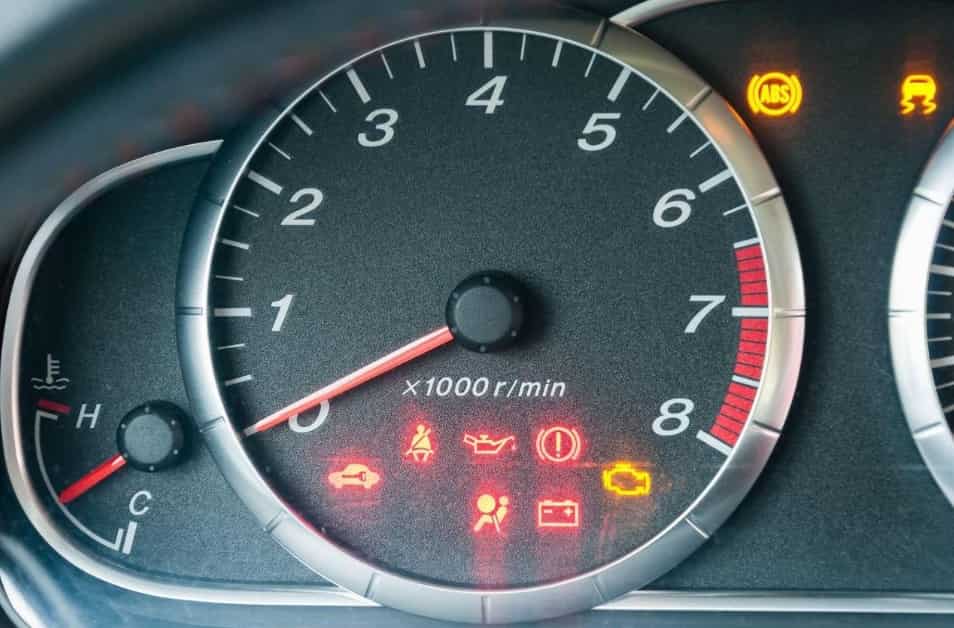
What Causes Hyundai Starting Problems?
Hyundai starting problems can happen for many different reasons, and identifying the exact cause is often difficult without proper diagnosis. Modern Hyundai vehicles rely on advanced electrical systems, sensors, and engine control modules to start correctly. When one component fails, the entire starting process can be affected. Some problems appear gradually over time, while others happen suddenly and leave drivers stranded without warning.
One of the most common causes of Hyundai starting problems is a weak or dead battery. Batteries lose power as they age, especially in extreme hot or cold weather. Corroded battery terminals and loose connections can also prevent enough electricity from reaching the starter motor. In many cases, drivers notice slow engine cranking or clicking sounds before the battery fails completely.
A faulty starter motor is another major reason why a Hyundai may not start. The starter is responsible for turning the engine during ignition. When it becomes damaged, the vehicle may produce grinding noises, rapid clicks, or complete silence when the key is turned.
Alternator failure can also create serious starting issues. Since the alternator charges the battery while driving, a weak alternator eventually drains battery power and causes repeated no start situations. Other possible causes include ignition switch problems, damaged spark plugs, fuel pump failure, crankshaft sensor malfunctions, or smart key detection errors in push button start systems.
Understanding these common causes helps drivers diagnose Hyundai starting problems faster and avoid unnecessary repair costs in the future.
Common Symptoms of Hyundai Starting Problems
Hyundai starting problems rarely happen without warning. In many situations, the vehicle shows small symptoms before it completely refuses to start. Recognizing these early warning signs can help drivers avoid sudden breakdowns, expensive towing costs, and major engine damage. Some symptoms appear occasionally at first, but they often become worse over time if the underlying problem is ignored.
One of the most common symptoms is slow engine cranking. When the engine turns over more slowly than usual, the battery may be weak or the starter motor may be losing power. Drivers often notice this issue during cold mornings or after the vehicle has been sitting for several days. Clicking noises during startup are also common. A single loud click may indicate a faulty starter motor, while repeated rapid clicks usually point to a weak battery or poor electrical connection.
Another major warning sign occurs when the dashboard lights turn on normally but the engine fails to start. This often suggests problems with the ignition system, starter relay, or fuel delivery components. In some Hyundai models, push button start systems may stop responding because of key fob battery failure or electronic communication issues.
Intermittent starting problems can be especially frustrating because the vehicle may start perfectly one day and fail the next. Loose wiring, alternator failure, damaged sensors, or battery corrosion can all create inconsistent behavior. Drivers should also pay attention to burning smells, flickering lights, or sudden electrical failures because these symptoms may indicate serious problems within the charging or ignition system.
Understanding these common symptoms allows Hyundai owners to identify potential problems early and prevent more costly repairs later.
Hyundai Cranks But Won’t Start
One of the most confusing Hyundai starting problems occurs when the engine cranks normally but fails to actually start. In this situation, the starter motor is working and the engine is turning over, but combustion does not happen. This usually indicates that the problem is not related to the battery or starter, but instead comes from fuel delivery, ignition, or sensor systems.
A common cause is fuel delivery failure. If the fuel pump is not supplying enough pressure or the fuel filter is clogged, the engine will not receive the fuel it needs to ignite. In many cases, drivers will hear the engine cranking but it will never “catch” and run. Ignition system issues are another frequent reason. Faulty spark plugs or ignition coils can prevent the air fuel mixture from igniting properly, even though the engine is turning normally.
Sensor problems, especially with the crankshaft position sensor, can also lead to a no start condition. This sensor sends critical timing data to the engine control unit. If it fails, the ECU may block ignition signals entirely, preventing the engine from starting. In some cases, engine flooding caused by repeated failed starting attempts can also contribute to this issue by oversaturating the cylinders with fuel.
Modern Hyundai vehicles may also experience electronic or ECU related issues. When the engine control module cannot communicate properly with other systems, it may disable the starting process as a safety measure. Understanding these causes helps narrow down the diagnosis and reduces unnecessary part replacement.
Hyundai Starter Motor Problems
Starter motor problems are another major cause of Hyundai starting issues, especially when the vehicle shows signs of electrical activity but fails to crank the engine properly. The starter motor is responsible for turning the engine over during ignition, and if it becomes weak or damaged, the vehicle may not start even if the battery is fully charged.
One of the most common symptoms of a failing starter motor is a single loud click when the ignition is turned. This usually indicates that the starter relay is receiving power but the motor itself is unable to engage. In other cases, drivers may hear grinding noises, which often suggest worn internal gears inside the starter assembly. If the starter motor fails completely, the vehicle may produce no sound at all when attempting to start.
Starter problems can develop gradually over time due to wear and tear. Heat exposure, oil leaks, and electrical resistance in wiring connections can all reduce starter efficiency. In some situations, the issue may not be the starter itself but a faulty starter relay or damaged wiring that prevents sufficient current from reaching the motor.
It is also common for drivers to confuse starter motor failure with battery issues because both conditions can result in similar no start symptoms. However, a key difference is that a weak battery typically causes slow cranking, while a bad starter often results in clicking or no response at all.
Proper diagnosis is essential before replacing parts, as starter motor replacement can be costly. Understanding Hyundai starter motor problems helps drivers identify the real cause quickly and avoid unnecessary repairs.
Hyundai Push Button Start Problems
Hyundai push button start problems are increasingly common in modern vehicles that use smart key and keyless ignition systems. Instead of a traditional key, these systems rely on electronic communication between the key fob, brake pedal sensor, and engine control unit. When any part of this system fails, the vehicle may not start even if the battery is in good condition.
One of the most frequent causes is a weak or dead key fob battery. If the key fob cannot transmit a strong signal, the vehicle may fail to detect it, preventing the start button from working properly. In some cases, the car may display a “key not detected” warning on the dashboard. Another common issue is a faulty brake pedal switch. Since Hyundai push button start systems require the brake to be pressed before starting, a malfunctioning switch can block the ignition process even when the driver is pressing the pedal correctly.
Electrical communication errors between the smart key system and the engine control module can also lead to starting failures. These issues may appear randomly and are sometimes caused by software glitches or low system voltage. In colder weather, electronic components may become less responsive, increasing the chance of temporary starting issues.
Steering wheel lock problems can also interfere with push button start systems. If the steering wheel is locked or under tension, the vehicle may refuse to start as a safety measure. Understanding these Hyundai push button start problems helps drivers quickly identify whether the issue is mechanical, electrical, or related to the smart key system, reducing unnecessary repairs and confusion.
Hyundai Starting Problems by Model
Hyundai starting problems can vary depending on the model, production year, and level of onboard electronics. While many issues are shared across the Hyundai lineup, certain models tend to show more specific patterns related to battery drain, starter wear, or smart key system failures. Understanding these model based differences can help drivers diagnose problems more accurately and avoid unnecessary repairs.
Hyundai Elantra Starting Problems
The Hyundai Elantra often experiences starting issues related to battery drain and electrical system load. In some cases, drivers report intermittent no start conditions caused by weak batteries or corroded terminals. Push button start variants may also suffer from key detection problems or brake switch failures, especially in older model years with higher mileage.
Hyundai Tucson Starting Problems
The Hyundai Tucson is more likely to show issues related to smart key systems and alternator performance. Some drivers report difficulty starting in cold weather conditions, where battery efficiency drops and the vehicle struggles to crank. Faulty relays or inconsistent voltage supply can also contribute to occasional starting failures.
Hyundai Sonata Starting Problems
The Hyundai Sonata can experience intermittent starting issues linked to ignition switch wear or electronic communication errors between control modules. In some cases, the vehicle may start normally for several days and then suddenly fail without warning, making diagnosis more difficult. Starter motor wear is also common in higher mileage vehicles.
Hyundai Santa Fe Starting Problems
The Hyundai Santa Fe may show starting issues related to electrical instability or battery charging problems. Drivers sometimes report slow cranking or complete no start conditions caused by alternator weakness or parasitic battery drain. In advanced cases, sensor related issues can also prevent proper engine startup.
By understanding model specific Hyundai starting problems, drivers can narrow down potential causes more quickly and improve the accuracy of their diagnosis process.
How to Diagnose Hyundai Starting Problems
Diagnosing Hyundai starting problems requires a structured approach because multiple systems can produce similar symptoms. A vehicle that refuses to start may be affected by the battery, starter motor, fuel system, ignition components, or electronic control modules. Without a clear diagnostic process, drivers often replace parts randomly, which increases repair costs without solving the real issue.
The first step is to check the battery condition. A healthy battery should maintain stable voltage and provide enough power for the starter motor. If the voltage is low or unstable, the battery may need charging or replacement. It is also important to inspect the battery terminals for corrosion or loose connections because poor contact can prevent proper current flow even when the battery is still functional.
Next, listen carefully when attempting to start the vehicle. A clicking sound usually indicates a starter or battery issue, while complete silence may point to a faulty ignition switch, relay failure, or electrical interruption. If the engine cranks but does not start, the problem is more likely related to fuel delivery or ignition system failure.
Using an OBD2 scanner can significantly improve diagnosis accuracy. This tool helps identify error codes related to sensors, ignition timing, or engine control module issues. Checking fuel pump operation is also important because a lack of fuel pressure will prevent combustion even if the engine is cranking normally.
A systematic diagnostic approach helps isolate the root cause of Hyundai starting problems more efficiently and reduces the risk of unnecessary repairs.
Repair Costs for Hyundai Starting Problems
Repair costs for Hyundai starting problems can vary widely depending on the root cause, vehicle model, and severity of the issue. In many cases, the total expense is relatively low if the problem is identified early, but it can become significantly higher if multiple components fail or if the issue is ignored for a long period of time.
Battery replacement is usually the most affordable solution, typically ranging from basic to mid level pricing depending on the battery type and capacity. Since batteries are consumable parts, they are often replaced more frequently than other components. Starter motor replacement is more expensive because it involves labor intensive work and a more complex mechanical part. The cost increases further if related wiring or relays also need replacement.
Alternator repairs tend to be in the higher price range because the alternator is a critical charging component and often requires specialized labor. Ignition switch repairs are generally moderate in cost, but push button start systems can be more expensive due to electronic integration and programming requirements. Fuel pump replacement is also a costly repair because it directly affects engine operation and may require tank access or disassembly.
In some cases, sensor or ECU related issues can become the most expensive repairs due to diagnostic complexity and part programming. Understanding these potential costs helps Hyundai owners make informed decisions, avoid unnecessary replacements, and prioritize accurate diagnosis before committing to any repair.
How to Prevent Hyundai Starting Problems
Preventing Hyundai starting problems is much easier and more cost effective than dealing with unexpected breakdowns. Most starting issues develop gradually due to wear and tear, poor maintenance habits, or neglected electrical components. By following a consistent maintenance routine, drivers can significantly reduce the risk of no start situations and improve long term vehicle reliability.
One of the most important preventive steps is regular battery maintenance. Checking battery voltage and ensuring the terminals are clean and tightly connected helps maintain stable electrical flow. Corrosion should be cleaned as soon as it appears because even a small amount can interfere with starting performance. It is also important to replace the battery before it reaches the end of its lifespan, especially in regions with extreme temperatures.
Keeping the ignition and electrical system in good condition is equally important. Worn spark plugs should be replaced according to the manufacturer’s schedule to ensure proper combustion. Software updates for modern Hyundai vehicles can also help prevent electronic glitches that may affect starting systems, especially in models with push button start technology.
Drivers should also avoid leaving the vehicle unused for long periods because inactivity can lead to battery drain. Short trips that do not allow the alternator to fully recharge the battery can also contribute to long term starting issues. Regular driving helps maintain battery health and keeps the charging system stable.
Finally, periodic inspections of the fuel system, sensors, and starter components can help detect early signs of failure. Addressing small issues early is the most effective way to prevent major Hyundai starting problems in the future.
When Should You Visit a Mechanic?
Not all Hyundai starting problems can be fixed at home. Some issues need professional diagnosis. Knowing the right time to visit a mechanic can save you money and prevent further damage.
You should seek help when your Hyundai refuses to start repeatedly, even after checking the battery and connections. If the battery is healthy but the engine still does not respond, the problem is likely deeper. It may involve the starter motor, ignition system, or ECU. These components require specialized tools to diagnose correctly.
A complete no start condition is another serious warning sign. If nothing happens when you press the start button or turn the key, you may be dealing with a faulty starter or a wiring issue. These problems often need expert testing equipment to identify the exact cause.
Intermittent starting is also a red flag. If your Hyundai starts sometimes but fails at random times, the issue is often linked to weak sensors or loose electrical connections. These faults are difficult to detect without professional scanning tools.
You should also visit a mechanic if you notice burning smells or electrical odors during startup. These signs can indicate overheating wires or short circuits. Do not ignore them because they can lead to bigger electrical failures.
Dashboard warning lights that stay on or flash during startup are another concern. They often point to communication problems between electronic modules. Modern Hyundai vehicles rely on these systems to control engine start functions.
Finally, get professional help if the vehicle stalls right after starting or while driving. This may signal alternator failure or fuel system issues. A trained technician can run proper diagnostics and prevent more serious damage.
Timely inspection helps stop small Hyundai starting problems from becoming expensive repairs.
Frequently Asked Questions About Hyundai Starting Problems
Why does my Hyundai click but not start?
This usually points to a weak battery or a failing starter motor. A single click often means the starter relay receives power but the motor cannot engage. Rapid clicking usually indicates low battery voltage or poor electrical connections.
Can a bad alternator cause starting problems?
Yes, a bad alternator can lead to starting issues. The alternator charges the battery while the engine runs. If it fails, the battery slowly drains. Eventually, the vehicle may not have enough power to start.
Why does my Hyundai start sometimes but not always?
Intermittent starting problems often come from loose battery connections, failing sensors, or early stage starter motor wear. In some cases, a weak battery can also cause inconsistent starting behavior.
How long does a Hyundai starter motor last?
A starter motor usually lasts between 100,000 and 150,000 miles under normal conditions. Lifespan can be shorter if the vehicle is frequently started in harsh conditions or if electrical issues are ignored.
Is it safe to keep driving with starting problems?
It is not safe to ignore starting problems. The issue can get worse without warning. The vehicle may fail to start completely at any time, which can leave you stranded. Early diagnosis is always recommended.
Conclusion
Hyundai starting problems can come from many different sources. The most common causes include battery failure, starter motor issues, ignition system faults, fuel delivery problems, and electronic malfunctions. Each issue creates different symptoms, but they often overlap and confuse drivers during diagnosis.
Most starting issues begin with small warning signs. Slow cranking, clicking sounds, or intermittent starting should never be ignored. These early symptoms usually indicate that one part of the starting system is weakening. If you address the problem early, you can avoid breakdowns and reduce repair costs.
Modern Hyundai vehicles rely heavily on electrical systems and smart technology. This makes accurate diagnosis more important than ever. Replacing the wrong part can waste money and does not solve the real issue. A structured troubleshooting approach helps identify whether the problem comes from the battery, starter, alternator, or electronic control systems.
Regular maintenance is the best way to prevent starting problems. Keeping the battery in good condition, checking electrical connections, and servicing key components on time will improve reliability. Drivers should also pay attention to unusual behavior and act quickly when symptoms appear.
If your Hyundai shows repeated starting issues, professional inspection is the safest solution. A qualified mechanic can run proper diagnostics and fix the root cause before it becomes a major failure.