The Ecotec3 5.3 L V8 engine powers many GM trucks and SUVs, including the Chevrolet Silverado and Chevrolet Tahoe. It delivers strong performance and fuel efficiency through systems like Active Fuel Management and Dynamic Fuel Management. Many drivers still search for Ecotec3 5.3 L V8 Problems because real-world use often reveals issues that do not appear in factory testing.
Owners frequently report engine ticking noises, oil consumption problems, and lifter failures. These problems often develop slowly over time. Drivers may not notice them until the engine starts to lose smooth performance or shows warning signs. In many cases, the AFM system plays a key role in these failures. It switches cylinders on and off to save fuel, but this process can increase stress on engine components.
Understanding these issues helps owners make better decisions about maintenance and long-term use. It also helps buyers avoid unexpected repair costs. This guide explains the most common Ecotec3 5.3 L V8 Problems, their causes, and the most effective fixes based on real-world engine behavior.
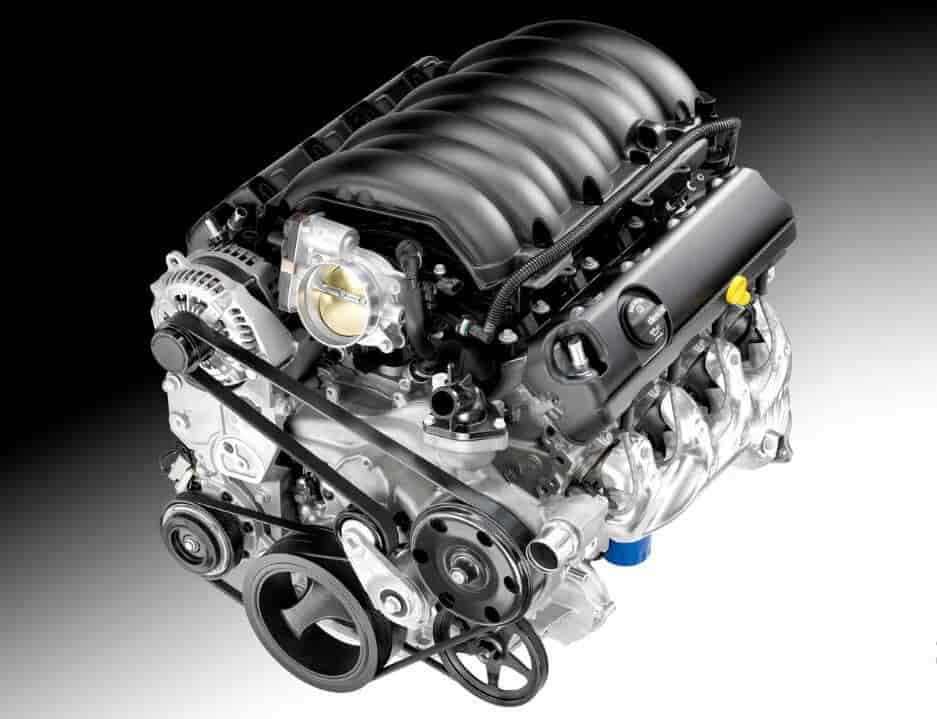
Overview of the Ecotec3 5.3L V8 Engine
The Ecotec3 5.3 L V8 is part of General Motors’ Gen V small block engine family. It powers many full size trucks and SUVs, including the Chevrolet Silverado and Chevrolet Tahoe. Many buyers choose this engine because it offers strong towing power, solid acceleration, and better fuel economy than older V8 designs.
One major feature is Active Fuel Management. This system shuts down some cylinders during light driving conditions to reduce fuel use. Newer versions may also use Dynamic Fuel Management, which adjusts cylinder operation more actively. These systems improve efficiency, but they also connect to many reported Ecotec3 5.3 L V8 Problems.
The engine uses direct injection, variable valve timing, and an aluminum block design to improve performance. These technologies help the engine produce power while meeting modern emissions standards. However, more complex systems can also create more failure points over time.
Many reliability concerns begin where fuel-saving technology meets long-term wear. Lifters, camshaft components, and oil flow systems often receive the most attention from owners and mechanics. That is why understanding the engine’s design matters before looking at specific failures.
Despite common complaints, not every Ecotec3 5.3 L V8 develops major problems. Many engines reach high mileage with proper maintenance. Oil change intervals, driving habits, and early diagnosis often make a major difference in long-term durability.
Most Common Ecotec3 5.3 L V8 Problems
Many of the most discussed Ecotec3 5.3 L V8 Problems trace back to a few recurring mechanical weaknesses. Lifter failure ranks among the most serious concerns. Many owners first notice a ticking noise during cold starts or at idle. What begins as a minor sound can develop into misfires, rough engine operation, and noticeable power loss. In more severe cases, a failed lifter can damage the camshaft, turning a manageable repair into a costly engine job.
Excessive oil consumption is another common complaint. Some drivers report losing oil between scheduled changes without obvious leaks. This issue can increase wear throughout the valvetrain and may contribute to lifter-related failures. Because lubrication plays a major role in this engine’s durability, low oil levels can accelerate larger mechanical problems. For many owners researching Ecotec3 5.3 L V8 Problems, oil consumption often appears as an early warning sign rather than an isolated defect.
Engine ticking noise also raises concern, although not every tick signals major damage. Some sounds come from normal injector operation, while others may indicate exhaust leaks, worn lifters, or oil pressure issues. Correct diagnosis becomes critical because these symptoms can overlap. Another problem often linked to long-term wear is camshaft damage, which may develop after unresolved lifter failure.
Many owners also report rough idle or intermittent misfires, especially during cylinder deactivation transitions. These issues often connect to the same broader pattern involving AFM components, lubrication sensitivity, and progressive wear. That overlap is what makes these Ecotec3 5.3 L V8 Problems especially important to understand early.
AFM and DFM System Failures Explained
Active Fuel Management sits at the center of many reported Ecotec3 5.3 L V8 Problems. GM designed this system to improve fuel economy by shutting down selected cylinders during light-load driving. Newer versions added Dynamic Fuel Management, which adjusts cylinder activation in a more advanced way. While both systems improve efficiency, many owners and mechanics point to these technologies as a major source of long-term reliability concerns.
Much of the problem involves the AFM lifters. These components constantly switch between active and deactivated modes. Over time, that repeated movement can increase wear, especially when oil pressure drops or lubrication quality declines. A lifter may stick, collapse, or fail to reengage correctly. When that happens, drivers may notice ticking noises, rough idle, misfires, or sudden power loss. In more serious cases, failed lifters can damage camshaft lobes and lead to expensive internal repairs.
Oil management also plays a major role in AFM-related failures. The system depends on consistent oil pressure and clean oil flow to operate properly. Delayed oil changes, incorrect oil viscosity, or sludge buildup can raise the risk of malfunction. This explains why maintenance history often affects whether these engines develop serious problems.
DFM systems can present similar concerns, although their operation differs. The broader issue is not fuel-saving technology itself, but the added mechanical complexity it introduces. For many owners researching Ecotec3 5.3 L V8 Problems, AFM and DFM often represent the root cause behind several symptoms rather than a separate issue on their own.
Symptoms You Should Never Ignore
Many serious Ecotec3 5.3 L V8 Problems begin with small warning signs that drivers dismiss too early. One of the most common symptoms is a ticking noise during startup or idle. While some engine sounds may be harmless, persistent ticking can point to lifter wear, oil flow problems, or early valvetrain damage. Catching that symptom early can prevent much larger repairs.
Another warning sign is unusual oil loss between service intervals. Drivers may notice the oil level dropping faster than expected, even when no leaks appear. Because lubrication is critical in this engine, low oil levels can increase wear on lifters, camshaft components, and internal moving parts. Many major failures begin after this warning goes ignored.
Rough idle and intermittent misfires also deserve attention. Some owners report vibration, hesitation, or inconsistent engine performance during low-speed driving. These symptoms may appear when cylinder deactivation systems transition under load. In some cases, a check engine light and misfire codes such as P0300 can surface before a mechanical issue becomes obvious.
Reduced power, delayed throttle response, and unusual engine behavior under acceleration can also signal developing trouble. These symptoms often overlap, which makes diagnosis important. What seems like a minor drivability issue may connect to deeper mechanical wear.
Many Ecotec3 5.3 L V8 Problems become expensive because owners react after failure rather than at the symptom stage. Recognizing these warning signs early often makes the difference between preventive repair and major engine damage.
Why These Problems Happen
Understanding why these issues develop is essential when evaluating Ecotec3 5.3 L V8 Problems. In many cases, the root cause is not a single defective part but a combination of design complexity, wear patterns, and maintenance sensitivity. The Ecotec3 platform introduced modern efficiency technologies, but those same systems added more moving parts and more potential failure points.
A major factor involves the stress created by cylinder deactivation systems. AFM and DFM components depend on precise oil pressure and smooth lifter operation. Over time, repeated activation cycles can increase wear on lifters and related valvetrain parts. If lubrication performance declines, those components may fail faster. This is one reason many reported problems often trace back to the same mechanical chain reaction.
Maintenance practices also play a major role. Extended oil change intervals, low-quality oil, or incorrect viscosity can increase the risk of internal wear. Because this engine relies heavily on oil flow for both lubrication and system control, neglect often has greater consequences than on older, simpler V8 designs.
Driving conditions can also influence long-term durability. Frequent stop and go driving, heavy towing, and repeated short trips may place different stress on the engine than steady highway use. In some cases, these patterns accelerate the symptoms owners associate with Ecotec3 5.3 L V8 Problems.
Rather than one isolated flaw, many failures result from how design, maintenance, and operating conditions interact over time. That broader pattern helps explain why some engines develop serious issues while others reach high mileage with few major repairs.
Repair Options and Real Costs
When Ecotec3 5.3 L V8 Problems progress beyond early symptoms, repair options become more complex and expensive. The cost depends heavily on how quickly the issue is identified and how much internal damage has already occurred. In many cases, lifter and camshaft repairs represent the most common major service jobs for this engine.
If a lifter fails, mechanics often need to replace not only the damaged lifter but also inspect or replace the camshaft. Once metal wear begins, both components can be affected at the same time. This type of repair usually requires significant labor because it involves disassembling a large portion of the engine. As a result, repair costs can escalate quickly compared to simpler maintenance work.
Oil consumption issues are usually less expensive to address at first, but they can become serious if they lead to internal wear. Depending on the cause, solutions may range from replacing seals or piston rings to performing more extensive engine work. Early diagnosis can significantly reduce total cost.
Some owners choose AFM delete solutions or hardware upgrades to prevent recurring issues. These modifications can reduce the risk of lifter failure, but they also involve upfront costs and may affect emissions compliance depending on location. Full engine rebuilds represent the most expensive outcome and are usually considered when multiple internal components fail.
Overall, repair costs for Ecotec3 5.3 L V8 Problems vary widely, but delayed maintenance almost always leads to higher expenses. Early intervention remains the most effective way to control long-term ownership cost and avoid major engine damage.
How to Prevent Ecotec3 5.3 L V8 Problems
Preventing Ecotec3 5.3 L V8 Problems depends heavily on maintenance quality and how the engine is operated over time. The most important factor is consistent oil service. Regular oil changes using the correct viscosity help maintain stable oil pressure, which supports both lubrication and the proper function of AFM related components. Many long term issues start when oil degrades or service intervals are extended too far.
Driving habits also play a role in engine health. Short trips that do not allow the engine to fully warm up can increase moisture buildup and reduce oil efficiency. On the other hand, steady driving conditions help stabilize temperature and reduce unnecessary stress on internal parts. Avoiding excessive load during low RPM operation can also reduce strain on the lifter system.
Some owners choose to disable or modify AFM systems to reduce long term wear risk. While this can improve mechanical consistency, it should be considered carefully due to cost and regulatory implications. For others, simply maintaining strict service schedules and using high quality oil is enough to extend engine life significantly.
Early diagnosis is another key factor. Paying attention to small changes such as ticking sounds, oil level drops, or rough idle can help prevent larger failures. Addressing these symptoms early often avoids camshaft damage or full valvetrain repairs.
In many cases, Ecotec3 5.3 L V8 Problems are not immediate failures but long term wear issues. Proper maintenance, careful driving habits, and early response to warning signs remain the most effective strategy to keep this engine reliable over high mileage.
Conclusion
The Ecotec3 5.3 L V8 engine delivers strong performance and efficient fuel use, but it also comes with a set of well documented challenges. Many Ecotec3 5.3 L V8 Problems are linked to long term wear in systems such as Active Fuel Management and Dynamic Fuel Management. These systems improve fuel economy, but they also add mechanical complexity that can increase the risk of lifter failure, oil consumption, and camshaft wear over time.
Most issues do not appear suddenly. Instead, they often start with small warning signs such as ticking noises, minor oil loss, or inconsistent engine behavior. When these symptoms are ignored, repair costs can rise quickly and lead to major internal damage. This is why early diagnosis and consistent maintenance play a critical role in long term reliability.
Despite these concerns, the engine can still perform well when properly maintained. Many owners of vehicles like the Chevrolet Silverado and Chevrolet Tahoe report high mileage success when oil changes are done on time and warning signs are addressed early. The difference between a reliable engine and a costly repair often comes down to maintenance discipline and driving habits.
In summary, Ecotec3 5.3 L V8 Problems are not random failures but patterns that develop under specific conditions. Understanding these patterns helps owners make better decisions about maintenance, repairs, and long term ownership. Have you experienced any of these issues with your engine, or are you considering buying a vehicle with this powertrain?