Chevy 6.6 Gas Problems Explained: Common Engine Issues, Causes, and Reliable Fixes is a topic that many truck owners search for when they start noticing performance changes in their vehicles. The Chevrolet 6.6L gas engine, commonly used in heavy duty trucks like the Silverado HD series, is designed for power and durability, but like any complex internal combustion system, it is not immune to operational issues over time. When problems appear, they often show up in ways that directly affect daily driving such as rough idling, reduced fuel efficiency, or unexpected warning lights on the dashboard.
For many drivers, the frustration does not come only from the mechanical issue itself but from the uncertainty behind it. It is not always clear whether the problem is minor, like a worn spark plug, or more serious, such as fuel system imbalance or sensor malfunction. This uncertainty often leads to confusion, unnecessary repair costs, or delayed maintenance that can make the condition worse.
Understanding Chevy 6.6 gas engine problems requires more than just listing symptoms. It involves looking at how the engine system works, why certain failures occur under load or high mileage, and how different components interact with each other. Once the root causes are clear, it becomes much easier to identify whether a repair is simple, preventive, or requires professional diagnostics.
In this article, we will break down the most common engine issues, explain the underlying causes in a clear and structured way, and provide reliable fixes that owners can apply or discuss with a mechanic. The goal is to give you a practical understanding so you can make informed decisions and avoid unnecessary damage or expenses.
Overview of Chevy 6.6 Gas Engine System
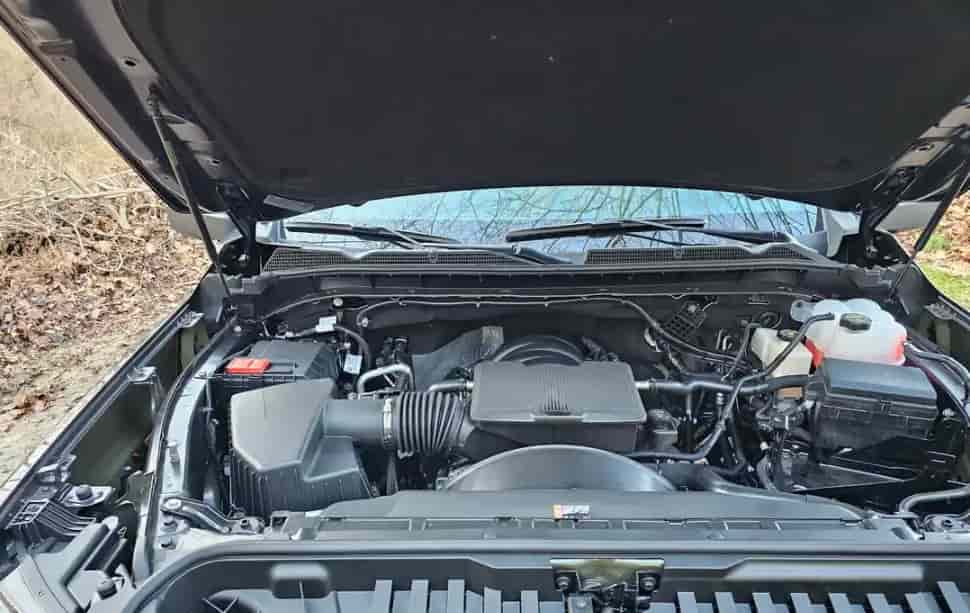
The Chevy 6.6 gas engine powers heavy duty trucks built for towing, hauling, and demanding work. Many drivers choose this V8 because it offers strong performance without the higher maintenance costs often linked to diesel engines. It delivers solid torque, dependable power, and smoother daily driving for many truck owners.
This engine uses a modern fuel injection system to support combustion efficiency. The ECU controls ignition timing, fuel delivery, and air intake. These systems work together to keep the engine responsive under changing loads. When all components operate properly, the engine performs well in both work and highway conditions.
Several core parts affect how the engine runs. Spark plugs ignite the air fuel mixture. Ignition coils support consistent combustion. Fuel injectors deliver the correct fuel volume. Sensors such as oxygen and mass airflow sensors help the ECU make real time adjustments. If one part begins to fail, the engine may show rough idle, hesitation, or reduced fuel economy.
Heavy duty use often creates additional stress. Frequent towing, steep grades, and heavy payloads can accelerate wear on key components. This is one reason some Chevy 6.6 gas problems appear after mileage builds.
Regular maintenance plays a major role in preventing issues. Clean fuel, timely spark plug service, and sensor checks can help maintain long term reliability. Understanding how these systems connect makes it easier to diagnose problems when symptoms appear.
Before looking at common failures, it is important to understand that many issues start as small performance changes. Early detection often prevents larger and more expensive repairs.
Common Chevy 6.6 Gas Engine Problems
Many owners begin researching Chevy 6.6 gas problems after noticing small changes in performance. In many cases, these issues start with minor symptoms but can grow into larger repair concerns if ignored.
One common problem involves engine misfires. Drivers may feel hesitation during acceleration or notice rough operation at idle. Worn spark plugs, weak ignition coils, or fuel delivery problems often trigger this issue. Misfires can reduce power and may increase fuel consumption over time.
Rough idle is another complaint owners report. The engine may vibrate more than normal when stopped or idling. This condition often points to airflow imbalance, dirty injectors, or sensor related problems. Even a small fault in the air fuel mixture can affect smooth operation.
Poor fuel economy also ranks high among reported Chevy 6.6 gas problems. Some owners notice lower mileage than expected, especially under towing loads. Carbon buildup, injector inefficiency, or faulty oxygen sensors may contribute to excessive fuel use.
Check engine lights can create another layer of concern. Trouble codes may reveal ignition faults, emissions problems, or fuel system issues. While some codes indicate minor faults, others can warn of developing mechanical trouble.
Fuel injector issues can also affect performance. Restricted injectors may cause lean conditions, power loss, or uneven combustion. In some cases, poor fuel quality increases the risk of deposits.
Sensor failures are another common source of complaints. A failing mass airflow sensor or oxygen sensor can send inaccurate data to the ECU. That can lead to poor throttle response, unstable idle, or inefficient combustion.
Many of these problems do not begin as catastrophic failures. They often develop gradually. Recognizing early symptoms can help owners address problems before repairs become expensive.
Root Causes of Chevy 6.6 Gas Problems
Understanding symptoms is only part of the picture. To solve Chevy 6.6 gas problems, owners also need to understand what causes these issues in the first place. In many cases, several factors contribute to the same problem.
Poor fuel quality can lead to many engine concerns. Low quality gasoline may leave deposits in injectors and combustion chambers. Over time, those deposits can affect fuel flow and combustion efficiency. This often contributes to rough running, hesitation, or reduced fuel economy.
Ignition wear is another major cause. Spark plugs and ignition coils face constant heat and stress. As these parts age, they may produce weaker combustion. That can lead to misfires, power loss, and unstable engine behavior.
Air fuel imbalance also causes many drivability issues. If the engine receives too much air or too little fuel, combustion can become inconsistent. Vacuum leaks, dirty sensors, or injector restrictions may create these conditions. Even small imbalances can trigger noticeable symptoms.
Electronic control issues may also play a role. The ECU relies on sensor input to manage performance. If sensors provide inaccurate data, the engine may adjust fuel or timing incorrectly. This can affect idle quality, throttle response, and emissions performance.
Mileage and wear add another layer of risk. As components age, tolerances change and efficiency may decline. What starts as minor wear can develop into larger performance problems over time.
Maintenance neglect often makes these issues worse. Delayed tune ups, dirty filters, and missed inspections can allow small problems to grow. Preventive care often costs far less than major repairs.
Most Chevy 6.6 gas problems do not come from one single failure. They usually result from a chain of related factors. Identifying the true cause is what leads to the right repair.
Diagnostic Process for Chevy 6.6 Gas Problems
When symptoms appear, proper diagnosis becomes the next critical step. Many Chevy 6.6 gas problems share similar warning signs, so guessing often leads to wasted time and unnecessary repairs. A structured diagnostic process helps identify the real issue.
The first step is checking for trouble codes with an OBD2 scanner. Even if the check engine light appears only occasionally, stored codes may reveal ignition faults, sensor errors, or fuel system problems. These codes often provide the first clue about where the problem begins.
After checking codes, inspect the ignition system. Spark plugs should show even wear and proper gap. Damaged or worn plugs may cause weak combustion. Ignition coils should also be tested if misfires occur under load or acceleration.
Fuel delivery should be evaluated next. Restricted injectors can affect power and efficiency. Signs such as hesitation or uneven idle may point toward injector flow issues. In some cases, fuel pressure testing may help confirm whether the system delivers proper fuel volume.
Air intake components also deserve attention. A dirty mass airflow sensor can disrupt air fuel calculations. Vacuum leaks may create unstable idle or lean conditions. Simple inspection of hoses and intake connections can often reveal hidden problems.
If symptoms continue, a compression test may help rule out internal mechanical concerns. This step becomes more important when the engine has high mileage or persistent misfire issues.
Some owners try replacing parts too early, but diagnosis should come before repairs. Replacing sensors, coils, or injectors without testing can increase costs without solving the issue.
A systematic approach saves money and often prevents larger damage. In many cases, early diagnosis turns a major repair concern into a manageable fix.
Reliable Fixes for Chevy 6.6 Gas Problems
Once the cause of the issue becomes clear, the next step is choosing the right fix. Many Chevy 6.6 gas problems can be corrected without major engine work, especially when owners address them early.
Basic maintenance often solves minor performance issues. Replacing worn spark plugs can improve combustion and reduce misfires. New ignition coils may restore smooth acceleration if weak spark causes hesitation. In many cases, these simple repairs resolve rough idle complaints.
Fuel system cleaning can help when injector deposits affect performance. Professional injector cleaning or fuel system treatments may improve fuel flow and combustion quality. If an injector has failed, replacement may be necessary.
Sensor related problems often require targeted repairs. Replacing a faulty oxygen sensor or mass airflow sensor can restore proper engine management. Once the ECU receives accurate data again, idle stability and fuel efficiency often improve.
Some issues involve software rather than hardware. In certain cases, ECU updates or recalibration may improve drivability concerns. This is especially relevant if symptoms involve shifting behavior, throttle response, or persistent fault codes.
Air intake problems may need simple corrections. Replacing a clogged air filter or repairing a vacuum leak can eliminate airflow imbalance and improve engine performance.
For larger problems, professional repair may be the best option. Compression issues, persistent fuel pressure faults, or repeated misfires may require deeper mechanical inspection. Addressing these early can prevent more costly damage.
Repair costs vary depending on the issue. Minor ignition repairs may be affordable, while injector or sensor replacement can cost more. Internal engine repairs increase costs significantly, which makes early action important.
The best fix depends on accurate diagnosis. Solving the root cause rather than treating symptoms is what restores reliability and helps prevent recurring Chevy 6.6 gas problems.
Preventive Maintenance Tips to Avoid Chevy 6.6 Gas Problems
Preventive maintenance remains one of the best ways to reduce Chevy 6.6 gas problems over the long term. Many common issues begin with wear or contamination that could have been managed earlier.
Regular oil changes help protect internal engine components and support smooth operation. Clean oil reduces friction, limits heat buildup, and helps prevent premature wear. Following the recommended service intervals is important, especially for trucks used under heavy loads.
Spark plug inspections should also be part of routine maintenance. Worn plugs can affect combustion efficiency before major symptoms appear. Replacing them at the proper interval may help prevent misfires and rough running.
Fuel system maintenance is equally important. Using quality fuel can reduce deposit buildup in injectors and combustion chambers. Some owners also use periodic injector cleaning services to maintain proper fuel delivery.
Air intake components should not be overlooked. A clean air filter supports balanced airflow and efficient combustion. Dirty filters can restrict performance and may contribute to fuel economy issues.
Monitoring sensors and engine codes can also prevent larger problems. Even a minor warning light should not be ignored. Early detection often allows owners to address faults before they lead to expensive repairs.
Cooling system care matters as well, especially for heavy duty towing applications. Proper coolant levels and healthy cooling components help control engine temperatures under stress.
Driving habits can influence long term reliability too. Excessive towing beyond rated limits or constant heavy load operation can accelerate wear. Using the truck within its intended capacity often improves durability.
Preventive maintenance may seem routine, but it often determines whether small issues stay manageable or become major repairs. For many owners, prevention is far less costly than fixing advanced Chevy 6.6 gas problems.
Long Term Reliability of the Chevy 6.6 Gas Engine
Many buyers researching Chevy 6.6 gas problems also want to know whether the engine is reliable in the long run. This question matters even more for owners who tow regularly or plan to keep their trucks for high mileage.
Overall, the Chevy 6.6 gas engine has built a reputation for solid durability when maintained properly. Its simpler design, compared with some diesel alternatives, appeals to owners who want strong capability with fewer complex maintenance demands.
Like many heavy duty engines, reliability often depends on usage patterns. Trucks used for moderate towing and consistent maintenance often deliver strong long term performance. Owners who stay ahead of spark plug service, fuel system care, and sensor maintenance usually report fewer serious problems.
Higher mileage naturally introduces wear. After one hundred thousand miles, components such as ignition parts, injectors, and sensors may begin showing age related issues. That does not necessarily signal major engine failure, but it does increase the need for proactive service.
Some concerns associated with Chevy 6.6 gas problems stem from neglect rather than design flaws. Delayed maintenance can turn ordinary wear items into larger repair issues. In contrast, well maintained engines often continue operating reliably far beyond expected service intervals.
Compared with some heavy duty diesel platforms, gasoline models may avoid expensive emissions related repairs. That can improve ownership costs over time, even if fuel economy is lower.
For many truck owners, the real strength of this engine lies in durability under practical use. It may not be free from common wear related problems, but many issues are manageable and predictable.
Long term reliability often comes down to maintenance discipline, operating conditions, and early diagnosis. For owners who take care of the engine, the Chevy 6.6 gas platform can remain a dependable workhorse for years.
Conclusion
Chevy 6.6 gas problems can seem concerning at first, especially when symptoms such as misfires, rough idle, or poor fuel economy begin to appear. However, many of these issues trace back to common causes such as ignition wear, fuel system deposits, sensor faults, or routine maintenance gaps. Understanding those root causes makes a major difference when deciding how to respond.
Throughout this guide, we covered the most reported engine issues, explored why they happen, and looked at reliable fixes that can restore performance. In many cases, early diagnosis prevents small problems from developing into expensive repairs. That is often the difference between replacing a wear item and facing major mechanical work.
Preventive maintenance also plays a critical role in long term ownership. Consistent service, quality fuel, and early attention to warning signs can help reduce many common Chevy 6.6 gas problems before they become serious concerns.
While no engine is completely free from problems, the Chevy 6.6 gas platform has shown strong durability when owners maintain it properly. Many reported issues are manageable, predictable, and often repairable without catastrophic costs.
For truck owners, the key takeaway is simple. Do not ignore small symptoms. Diagnose problems early, address root causes, and stay ahead of maintenance. That approach not only protects reliability but also helps avoid unnecessary repair expenses over time.
If you are experiencing Chevy 6.6 gas problems now, identifying symptoms early may be the first step toward a simple fix rather than a costly surprise.