The 2.5 Ecotec engine appears in many General Motors vehicles and is known for balanced fuel economy and daily usability. Many owners start searching for information only after performance problems show up at higher mileage. These issues often follow clear patterns linked to specific weak points in the engine design.
The most common problems include oil consumption, timing chain noise, overheating, and rough engine operation. These problems do not always appear suddenly. They often develop over time. This makes early detection difficult for most drivers. As a result, small issues can turn into expensive repairs.
Many owners first notice warning signs such as dropping oil levels, ticking sounds during cold starts, or unstable temperature readings. In some cases, the check engine light appears only after the issue has progressed. This creates confusion because symptoms can point to several different causes.
Most frustration comes from uncertainty. Drivers often cannot tell if the problem is minor or a sign of serious engine damage. Without clear diagnosis, repairs become reactive instead of preventive. This usually increases both cost and repair time.
This guide breaks down the most common 2.5 Ecotec engine problems in a structured way. It explains the causes behind each issue and shows practical repair solutions. The focus is not only on symptoms but also on how internal engine systems interact. This helps you understand why failures happen and how to prevent them.
By the end of this article, you will have a clear view of how to diagnose problems early and make better decisions about maintenance or repair.
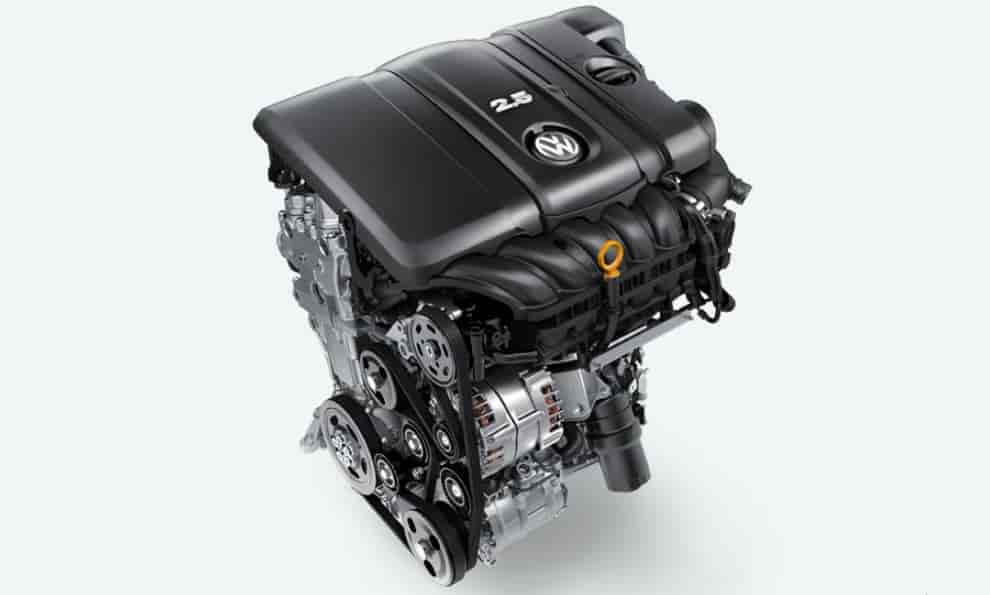
Overview of the 2.5 Ecotec Engine
The 2.5 Ecotec engine belongs to the GM Ecotec engine family developed by General Motors. It is a four cylinder inline engine designed for a balance between fuel efficiency, emissions control, and everyday driving comfort. This engine appears in several mid size vehicles and has been used in different tuning and emission configurations depending on model year and market.
General Motors built this engine with a focus on efficiency. It uses a modern combustion system that improves fuel economy while reducing emissions. Many versions also use direct fuel injection, which increases power delivery and efficiency. However, this design also introduces sensitivity to carbon buildup in the intake system over time.
The engine is commonly found in vehicles such as the Chevrolet Equinox, Chevrolet Malibu, and GMC Terrain in certain configurations. These models rely on the 2.5 Ecotec for smooth city driving and moderate highway performance. Drivers often appreciate its quiet operation and predictable power delivery under normal conditions.
At the core of this engine is a DOHC layout with variable valve timing. This system improves performance across different RPM ranges. It allows the engine to adjust airflow more efficiently depending on driving conditions. While this improves drivability, it also increases mechanical complexity.
One important aspect of the 2.5 Ecotec design is its sensitivity to maintenance quality. Oil condition plays a critical role in long term durability. Poor oil quality or extended oil change intervals can accelerate wear in components such as the timing chain system and valve train. This is why maintenance history strongly affects engine reliability.
Overall, the 2.5 Ecotec engine is not considered inherently weak. It is a modern efficiency focused design that performs well when properly maintained. However, its advanced systems require consistent care to avoid the common problems discussed in the next sections.
Excessive Oil Consumption
Excessive oil consumption is one of the most common 2.5 Ecotec engine problems and often becomes the first warning sign of deeper mechanical wear. Many owners notice oil levels dropping between service intervals even when no visible leak appears. This issue often develops gradually, which makes it easy to ignore in the early stages.
In many cases, worn piston rings allow engine oil to enter the combustion chamber, where it burns along with fuel. This can lead to blue exhaust smoke, increased carbon deposits, and reduced combustion efficiency. A malfunctioning PCV system can also contribute to the problem by increasing crankcase pressure and forcing oil into areas where it should not circulate. These conditions often work together and can accelerate long term engine wear.
Low oil levels create more than a lubrication problem because they can affect the timing chain system, internal bearings, and other moving components that depend on steady oil pressure. Some drivers first notice symptoms such as frequent top offs, burning oil smell, or low oil pressure warnings under load. Others only discover the issue after rough operation or internal engine noise appears.
Ignoring excessive oil consumption can turn a manageable repair into major engine damage. Early diagnosis is critical because correcting piston ring wear, restoring PCV function, and maintaining proper oil intervals can reduce the risk of severe failure. Proper maintenance can also improve long term reliability in the 2.5 Ecotec engine.
Timing Chain Noise and Failure
Timing chain noise is another well known issue linked to 2.5 Ecotec engine problems. Many owners first notice a rattling sound during cold starts, especially after the vehicle has been sitting for several hours. Although the sound may disappear once oil pressure builds, it often signals wear inside the timing system.
A weak timing chain tensioner is a common cause of this problem. As the tensioner loses effectiveness, the chain can develop slack and create abnormal movement. In some cases, poor lubrication or extended oil change intervals can accelerate chain stretch and guide wear. These conditions often increase stress on related timing components.
As wear progresses, valve timing may shift and begin affecting engine performance. Drivers may notice hesitation, rough idle, reduced fuel economy, or a check engine light. Fault codes related to camshaft and crankshaft timing correlation can also appear. These symptoms often develop before complete failure, which makes early diagnosis especially important.
Ignoring timing chain noise can lead to severe engine damage. A stretched chain can jump timing under certain conditions and create internal valve damage. What begins as a startup rattle can become a major repair if left unaddressed.
Regular oil maintenance plays a major role in reducing timing chain wear. Using the correct oil viscosity and avoiding long service intervals can help protect the lubrication system. When unusual chain noise appears, prompt inspection can prevent much more expensive engine repairs in the 2.5 Ecotec engine.
Engine Overheating Problems
Overheating is another issue associated with 2.5 Ecotec engine problems and can lead to serious damage if ignored. In many cases, the problem begins with small warning signs rather than sudden failure. Drivers may notice temperature fluctuations, coolant loss, or heat output changes before a major overheating event occurs.
A faulty thermostat is one of the most common causes. When the thermostat does not regulate coolant flow correctly, engine temperature can rise beyond normal operating range. Water pump wear can create similar problems by reducing coolant circulation. In some cases, radiator restrictions or aging hoses can also contribute to heat buildup.
Coolant leaks often make overheating harder to diagnose because they may develop slowly. Small leaks can reduce coolant levels over time without leaving obvious signs under the vehicle. Some owners only recognize the issue after repeated high temperature readings or dashboard warning alerts.
Persistent overheating places stress on major engine components. Excess heat can damage the head gasket, affect cylinder sealing, and increase wear throughout the engine. Even short periods of overheating can create long term reliability concerns if the cause remains unresolved.
Routine cooling system inspections can reduce the risk of severe problems. Checking coolant levels, monitoring temperature behavior, and replacing worn cooling components at proper intervals can help prevent failure. When overheating symptoms appear, early diagnosis is critical for protecting long term durability in the 2.5 Ecotec engine.
Rough Idle and Misfire Issues
Rough idle and misfire complaints are also common among reported 2.5 Ecotec engine problems. These issues often begin with subtle symptoms such as slight vibration at idle, unstable RPM, or hesitation during acceleration. Because the symptoms can appear intermittently, many drivers overlook them until performance worsens.
Ignition system faults are a frequent cause of misfires. Worn spark plugs or failing ignition coils can interrupt proper combustion and create uneven engine operation. In some cases, direct injection carbon buildup can restrict airflow and reduce combustion efficiency, which can make idle quality worse over time.
Fuel delivery problems can also contribute to rough running. Dirty or partially restricted fuel injectors may disrupt fuel atomization and cause random misfires. Some engines may show symptoms mainly during cold starts, while others develop hesitation under load or during highway acceleration.
Misfire conditions often trigger check engine lights and fault codes such as P0300, but not always in the early stages. That is why drivers sometimes mistake rough running for transmission hesitation or normal engine behavior. Proper diagnosis is important before replacing parts unnecessarily.
Ignoring rough idle or misfire symptoms can lead to larger drivability problems and increased engine stress. Unresolved combustion issues may damage catalytic components or worsen fuel efficiency over time. Regular spark plug service, injector maintenance, and early diagnostic testing can help prevent long term reliability concerns in the 2.5 Ecotec engine.
Root Causes Analysis
Many recurring 2.5 Ecotec engine problems do not come from a single defective part. In many cases, they result from the interaction between engine design, maintenance habits, and operating conditions. Understanding these root causes helps explain why the same problems often appear across different vehicles using this engine.
One major factor involves the design priorities of modern efficiency focused engines. The 2.5 Ecotec was developed to improve fuel economy and reduce emissions. While those goals brought benefits, they also introduced tighter tolerances and greater sensitivity to maintenance neglect. Systems designed for efficiency often leave less margin for wear or contamination.
Direct injection is one example. This system improves combustion efficiency, but it can also contribute to carbon buildup on intake valves over time. As deposits increase, airflow can become restricted and combustion quality may decline. This can lead to rough idle, misfires, and long term performance loss.
Lubrication also plays a central role in many failures. Extended oil change intervals can reduce oil quality and increase internal wear. Timing chain components, variable valve timing systems, and internal bearings all depend on stable lubrication. When oil degrades, these systems often suffer first.
The PCV system creates another common connection between multiple problems. Poor crankcase ventilation can increase oil consumption, raise internal pressure, and affect combustion stability. Because this system interacts with both lubrication and emissions control, a small fault can influence several engine behaviors.
Maintenance habits often determine whether design weaknesses become serious problems. Engines with regular oil service, cooling system care, and early diagnostics often avoid major failures. In many cases, the problem is not the engine itself but delayed response to early warning signs.
Understanding these root causes makes diagnosis far more effective. It shifts attention from isolated symptoms toward the systems that drive many common 2.5 Ecotec engine problems.
How to Diagnose 2.5 Ecotec Engine Problems
Diagnosing 2.5 Ecotec engine problems correctly requires more than reacting to symptoms alone. Many issues share similar warning signs, which can lead to incorrect repairs if diagnosis starts with assumptions instead of evidence. A structured approach helps identify whether the problem involves lubrication, ignition, timing, or the cooling system.
The first step often begins with an OBD II scan. Fault codes can reveal valuable clues about engine behavior and narrow the list of possible causes. Codes related to misfires, camshaft timing correlation, or sensor performance often point toward deeper mechanical or combustion related issues. Even when symptoms seem obvious, scan data can help confirm the root problem.
Physical inspection remains equally important. Oil level and oil condition should be checked first, especially when diagnosing timing chain noise or excessive oil consumption. Dark, degraded oil or low oil levels may indicate lubrication related stress. Coolant level inspection can also reveal possible overheating concerns before severe damage develops.
Listening to engine sounds can provide additional diagnostic insight. A startup rattle may suggest timing chain wear, while irregular ticking or rough idle may point toward injector or combustion issues. Changes in sound under load can also help identify developing mechanical faults.
Performance symptoms should also be evaluated under real driving conditions. Hesitation during acceleration, unstable idle, temperature fluctuations, or loss of power can reveal patterns that static inspection may miss. These patterns often help separate ignition faults from deeper engine problems.
Accurate diagnosis often depends on combining fault codes, physical inspection, and symptom behavior rather than relying on one clue alone. This approach reduces unnecessary parts replacement and helps target the real cause behind many 2.5 Ecotec engine problems.
Fixes and Repair Solutions
Repairing 2.5 Ecotec engine problems depends on identifying the root cause rather than treating symptoms alone. Many owners replace parts too early without confirming what triggered the issue, which often leads to repeated repairs. Effective solutions focus on correcting the underlying problem while protecting long term engine reliability.
For excessive oil consumption, repairs often begin with inspecting piston ring condition and checking the PCV system. In mild cases, restoring proper crankcase ventilation may reduce oil use. More advanced cases may require internal engine repair if ring wear has progressed. Maintaining proper oil intervals after repair is critical to prevent the problem from returning.
Timing chain related problems usually require prompt attention once abnormal noise or timing faults appear. Replacing a worn chain, guides, and tensioner as a complete system often provides the most reliable fix. Addressing lubrication issues at the same time is equally important, since poor oil quality often contributes to repeat failures.
Overheating repairs depend on locating the exact source of heat buildup. Thermostat replacement, water pump service, or cooling system leak repair often solves the problem when diagnosed early. If overheating has occurred repeatedly, further inspection may be necessary to rule out secondary engine damage.
For rough idle and misfire concerns, repairs often involve spark plug replacement, ignition coil testing, or fuel injector cleaning. In some cases, intake carbon cleaning may improve airflow and combustion stability. The correct repair depends on whether the fault comes from ignition, fuel delivery, or airflow restriction.
Preventive maintenance often works as an extension of repair strategy. Using the correct oil, following shorter service intervals, and responding early to warning signs can reduce repeat failures. In many cases, the right repair combined with disciplined maintenance can resolve common 2.5 Ecotec engine problems before they become major engine failures.
Prevention and Maintenance Strategy
Preventing 2.5 Ecotec engine problems often costs far less than repairing them after failure develops. Because many common issues relate to lubrication, heat management, and carbon buildup, consistent maintenance plays a major role in long term reliability. In many cases, preventive care determines whether small weaknesses remain manageable or turn into major repairs.
Regular oil service is one of the most important preventive steps. Many owners reduce risk by shortening oil change intervals rather than waiting for maximum factory recommendations. Fresh oil helps protect timing components, supports variable valve timing operation, and reduces wear throughout the engine.
Cooling system maintenance is equally important. Routine inspection of coolant levels, hoses, thermostat performance, and water pump condition can help prevent overheating related damage. Even small cooling issues can create larger problems if ignored over time.
Carbon buildup prevention also matters, especially in direct injection engines. Periodic intake cleaning and fuel system maintenance can help preserve airflow and combustion efficiency. This may reduce the likelihood of rough idle, misfires, and long term performance loss.
Drivers should also pay attention to early warning signs rather than treating them as normal aging behavior. Startup rattles, falling oil levels, temperature fluctuations, or recurring fault codes often appear before major failures develop. Early response can prevent far more expensive repairs.
Long term reliability in the 2.5 Ecotec engine often depends less on avoiding every weakness and more on managing them proactively. Consistent maintenance, proper fluids, and early diagnosis remain the most effective strategy for reducing common 2.5 Ecotec engine problems.
Is the 2.5 Ecotec Engine Reliable?
The 2.5 Ecotec engine has a mixed reputation, but reliability often depends more on maintenance history than design alone. Some owners report long service life with few serious issues, while others encounter recurring problems related to oil consumption, timing components, or cooling system performance. Much of that difference comes down to upkeep and early intervention.
From a design standpoint, the engine offers several strengths. It delivers good fuel efficiency, smooth daily operation, and relatively simple four cylinder packaging compared with more complex modern powertrains. When serviced properly, many of these engines reach high mileage without major internal failure.
The concerns usually arise when known weak points go unaddressed. Extended oil change intervals, neglected cooling system maintenance, or ignored startup noise can accelerate wear and create the impression that the engine itself is fundamentally unreliable. In many cases, the problem grows from maintenance neglect rather than sudden design failure.
Compared with some other modern direct injection engines, the 2.5 Ecotec does have areas that require closer monitoring. Timing chain health, oil usage, and carbon related issues deserve more attention than some owners expect. However, those concerns do not automatically make it a poor engine.
For buyers considering a used vehicle with this powertrain, condition matters more than reputation alone. A well maintained engine with documented service history may prove far more dependable than a neglected example with lower mileage.
Overall, the 2.5 Ecotec engine can be reliable, but it rewards proactive maintenance. For many owners, long term durability depends less on avoiding common 2.5 Ecotec engine problems and more on managing them before they escalate.
Conclusion
The most common 2.5 Ecotec engine problems often center around oil consumption, timing chain wear, overheating, and misfire related drivability issues. While these concerns can sound serious, they do not automatically mean the engine is poorly designed or destined to fail. In many cases, the real difference lies in how early symptoms are recognized and how consistently the engine is maintained.
Understanding the causes behind these problems is critical for long term ownership. Issues involving lubrication, cooling, and combustion often develop gradually, which gives owners a chance to intervene before major damage occurs. Early diagnosis and proper repairs can prevent many of the expensive failures often associated with neglected engines.
The 2.5 Ecotec engine performs well when maintenance is treated as prevention rather than reaction. Regular oil service, cooling system care, and attention to warning signs can improve reliability and extend engine life significantly. For buyers and current owners alike, maintenance history often matters more than reputation alone.
If you have been researching 2.5 Ecotec engine problems because of unusual symptoms or concerns about long term reliability, the key takeaway is simple. Most problems become far more manageable when diagnosed early and addressed correctly. With informed maintenance and prompt repairs, this engine can remain dependable well beyond average expectations.