The TurboMax engine is one of the key powertrain developments from General Motors in recent years. It is a 2.7L turbocharged inline four engine designed for trucks and SUVs that need a balance of power, efficiency, and everyday usability. This engine reflects a shift in the automotive industry away from large naturally aspirated engines toward smaller turbocharged systems that deliver strong performance with better fuel economy.
Drivers who search for TurboMax Engine Specs usually want more than just numbers on paper. They want to understand how the engine performs in real driving conditions. This includes towing heavy loads, driving on highways, and handling daily city traffic. Many people also compare turbocharged engines with traditional V6 or V8 engines because they want to know if smaller engines can truly replace larger ones in real use.
The TurboMax engine appears in vehicles such as the Chevrolet Silverado 1500 and GMC Canyon, where performance and durability are both important. General Motors designed this engine to provide strong low end torque and consistent power delivery across different driving situations.
In this article, we will break down the TurboMax engine in detail. We will look at its technical specifications, performance behavior, fuel efficiency, towing capability, and reliability. We will also compare it with other turbocharged engines in the market to understand where it stands in terms of real world value. The goal is to give a clear and practical view of what this engine actually delivers beyond the specification sheet.
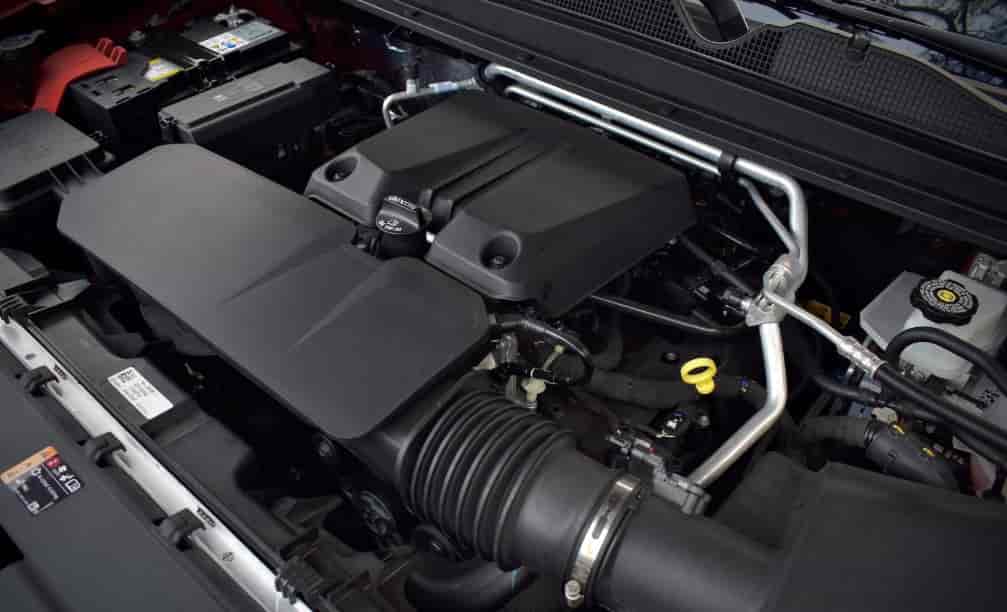
What Is the TurboMax Engine?
The TurboMax engine is a turbocharged 2.7L inline four powertrain developed by General Motors. It belongs to GM’s modern engine strategy that focuses on smaller displacement combined with forced induction. The goal is to replace larger naturally aspirated engines while still maintaining strong performance for trucks and SUVs.
General Motors uses the TurboMax engine in several mid size and full size truck platforms. It appears in vehicles such as the Chevrolet Silverado 1500 and the GMC Canyon. These models rely on the engine to deliver both everyday drivability and heavy duty capability. GM designed the engine to handle towing, hauling, and long distance driving without sacrificing fuel efficiency.
The TurboMax engine is built around a turbocharged system that increases air intake pressure. This allows a smaller engine to produce higher output compared to a naturally aspirated engine of similar size. The design focuses on low end torque delivery, which is important for truck performance. Drivers experience stronger pulling power at lower RPM, which improves towing confidence and acceleration under load.
GM engineered the engine with modern fuel injection technology and advanced thermal management systems. These systems help control combustion efficiency and maintain stability under demanding driving conditions. The result is a compact engine that performs like a larger displacement unit in many real world situations.
The TurboMax engine is not just a replacement for older V6 or V8 engines. It represents a shift in how truck engines are designed. Instead of relying on displacement, GM focuses on boost pressure, torque curves, and electronic control systems to deliver performance that matches modern driving needs.
TurboMax Engine Specs (Core Technical Breakdown)
The TurboMax engine is a 2.7L turbocharged inline four engine designed by General Motors for truck applications. It focuses on combining compact engine size with high output performance through turbocharging technology. The main purpose of this engine is to deliver strong torque at low RPM while maintaining fuel efficiency under different driving conditions.
The engine uses a turbocharged forced induction system. This system increases the amount of air entering the combustion chamber. More air allows more fuel to burn efficiently, which increases power output without increasing engine size. This is one of the main reasons why TurboMax can compete with larger displacement engines.
The TurboMax engine uses direct fuel injection. This system injects fuel directly into the combustion chamber instead of the intake port. It improves combustion efficiency and helps control fuel consumption. It also enhances throttle response, especially during acceleration and towing situations.
In terms of output, the engine delivers strong horsepower and high torque levels depending on configuration. The torque curve is designed to peak early at low RPM. This design improves towing capability and makes the engine more responsive during heavy load conditions.
The engine is paired with advanced automatic transmissions depending on vehicle application. These transmissions help manage power delivery smoothly and improve overall driving efficiency. Gear ratios are optimized to maintain torque availability during acceleration and towing.
Thermal management is another key part of the design. The engine uses advanced cooling systems to control temperature during high load operation. This is important for maintaining long term durability, especially in trucks that operate under heavy stress.
Overall, the TurboMax engine specs show a focus on balanced engineering. It is not designed only for high horsepower numbers but for usable performance in real world truck scenarios.
Performance Analysis
The TurboMax engine delivers performance that focuses on real world usability rather than peak specification numbers. General Motors designed it to provide consistent torque and smooth power delivery across different driving conditions. This makes it well suited for trucks that handle towing, hauling, and daily commuting.
Low end torque is one of the strongest features of this engine. The engine produces torque early in the RPM range, which helps the vehicle respond quickly during acceleration. Drivers feel this advantage when starting from a stop, merging into traffic, or carrying heavy loads. The early torque delivery also reduces the need to rev the engine at high RPM.
The turbocharger improves overall performance by increasing air intake pressure. This helps the smaller 2.7L engine produce power similar to larger displacement engines. The turbo system responds quickly in most driving situations. Some minor lag may appear at low speed, but boost builds fast once acceleration begins.
On highways, the engine maintains steady performance with low effort. It does not require high RPM to sustain speed, which supports better fuel efficiency during long distance driving. The power delivery stays stable, which improves driving comfort.
In city conditions, the engine feels responsive and easy to control. Stop and go traffic does not strain the system because torque is available early. This makes urban driving smoother compared to traditional larger engines.
During towing or heavy load use, the engine maintains consistent pulling power. It uses boost and torque management instead of high RPM power. This approach improves control and reduces engine stress under load.
Overall, the TurboMax engine focuses on balanced performance. It prioritizes torque, responsiveness, and stability across different driving environments.
Fuel Efficiency and Real MPG Analysis
The TurboMax engine is designed to improve fuel efficiency without sacrificing usable power. General Motors achieves this balance by combining a smaller 2.7L displacement with turbocharging technology. This allows the engine to produce strong torque when needed while staying efficient during light driving conditions.
Fuel economy varies depending on the vehicle and drivetrain setup. In general, the engine performs better than many traditional V6 engines in similar truck categories. The improvement comes from its ability to operate at lower RPM during cruising. This reduces fuel consumption on highways and during steady speed driving.
In city driving, fuel usage increases due to frequent acceleration and braking. However, the turbocharged system helps maintain efficiency by delivering power only when needed. The engine avoids constant high fuel injection rates during normal driving, which helps reduce unnecessary fuel burn.
Highway driving shows the strongest efficiency results. The engine maintains steady speeds with low engine stress. It does not require high RPM to sustain motion, which improves overall MPG performance. This makes it suitable for long distance travel and daily commuting combined.
Real world fuel economy often differs from manufacturer claims. Driving style plays a major role in actual results. Aggressive acceleration, towing heavy loads, or frequent stop and go traffic can reduce efficiency. Smooth driving and steady throttle use help achieve better fuel economy.
Compared to larger naturally aspirated engines, the TurboMax engine offers a clear efficiency advantage in most normal driving conditions. It achieves this by using turbo boost strategically instead of relying on constant high displacement power.
Overall, the fuel efficiency profile of the TurboMax engine reflects its modern design approach. It balances performance and economy by adapting power output to driving demand rather than maintaining constant high fuel usage.
Towing Capacity and Load Capability
The TurboMax engine is built with towing performance as a core design goal. General Motors tuned this 2.7L turbocharged engine to deliver strong low end torque, which is essential for pulling heavy loads. Instead of relying on high RPM power, the engine focuses on early torque delivery to improve control and stability under load.
In real world use, the engine supports competitive towing capacities depending on the vehicle it is installed in. Models like the Chevrolet Silverado 1500 and GMC Canyon use this engine to handle trailers, boats, and work equipment. The torque curve stays flat at low RPM, which helps maintain steady pulling force without frequent gear changes.
The turbocharger plays a key role in load performance. It increases air intake pressure, which allows the engine to generate higher output when needed. This helps the vehicle maintain speed even when carrying heavy weight. The system responds quickly to load changes, which improves driving confidence during towing.
Cooling and thermal control systems support sustained performance. The engine manages heat effectively during long towing sessions. This reduces performance drop and helps protect internal components under stress. Drivers can maintain consistent performance on highways and inclines without overworking the engine.
Transmission tuning also contributes to towing stability. The automatic gearbox works with the engine to keep torque available in the optimal range. This reduces strain and improves smoothness during gear shifts under load.
Compared to smaller turbo engines or entry level naturally aspirated engines, the TurboMax engine performs more confidently in towing scenarios. It delivers predictable power and reduces the need for high RPM operation, which improves both control and efficiency.
Overall, the TurboMax engine is not just focused on fuel economy or daily driving. It is engineered to handle real towing demands with stable torque, controlled power delivery, and reliable thermal management.
Reliability and Long Term Durability
The TurboMax engine is designed with durability in mind, especially for truck applications that involve heavy workloads. General Motors focuses on strengthening internal components to handle consistent torque output from the turbocharged system. This is important because turbo engines operate under higher pressure compared to naturally aspirated engines.
The engine uses modern thermal management systems to control operating temperature. This helps reduce wear during long driving sessions, towing, and high load conditions. Stable temperature control also supports consistent combustion, which improves long term engine health.
Direct fuel injection improves efficiency but also requires precise engineering to maintain cleanliness inside the combustion chamber. GM designs the system to reduce carbon buildup risks and maintain stable fuel delivery over time. Regular maintenance such as oil changes plays an important role in keeping the engine performing well.
The turbocharger is built to handle repeated boost cycles. It works under varying load conditions without significant performance degradation when properly maintained. Cooling systems also protect the turbo unit from excessive heat, which is one of the key factors affecting turbo longevity.
In real world use, reliability depends heavily on driving habits. Smooth acceleration, proper warm up time, and regular servicing help extend engine lifespan. Harsh driving or poor maintenance can reduce durability, as with any modern turbocharged engine.
Compared to older engine designs, the TurboMax benefits from improved materials and electronic control systems. These systems monitor performance in real time and adjust operation to prevent damage under stress. This adds an extra layer of protection during demanding usage.
Overall, the TurboMax engine is built for long term durability when properly maintained. It combines reinforced mechanical design, thermal control, and smart engine management to support consistent performance over time.
TurboMax vs Competitors
The TurboMax engine competes directly with other turbocharged and naturally aspirated engines in the mid size truck segment. Its main competitors include Ford EcoBoost engines and traditional V6 engines used in similar vehicles. Each option has different strengths depending on performance needs, efficiency goals, and driving style.
When compared to Ford EcoBoost engines, the TurboMax focuses more on low end torque stability. Ford EcoBoost engines often emphasize a broader power range and stronger high RPM performance in some configurations. TurboMax, on the other hand, delivers more consistent pulling power at lower RPM. This makes it feel more stable during towing and heavy load situations.
In comparison with naturally aspirated V6 engines, the TurboMax shows a clear advantage in torque output. V6 engines typically rely on higher RPM to generate peak power. The TurboMax engine produces strong torque earlier, which improves acceleration under load and reduces the need for frequent downshifting. This creates a more relaxed driving experience in trucks.
Fuel efficiency also plays an important role in comparison. TurboMax engines generally perform better than larger displacement V6 engines during highway driving. This is because the engine operates efficiently at lower RPM and adjusts boost only when needed. However, efficiency differences can narrow when the engine is used aggressively or under heavy towing conditions.
In terms of complexity, turbocharged engines like TurboMax and EcoBoost require more advanced engineering than naturally aspirated engines. This includes turbo systems, cooling management, and electronic control systems. While this improves performance and efficiency, it also increases maintenance sensitivity compared to simpler engine designs.
Overall, the TurboMax engine positions itself as a balanced option. It focuses on torque-driven performance, improved efficiency, and modern turbo technology. It competes strongly in real world truck usage, especially for drivers who prioritize towing and everyday drivability over high RPM horsepower figures.
Pros, Cons, and Conclusion
The TurboMax engine offers a modern approach to truck performance by combining turbocharging technology with a small displacement design. It focuses on delivering practical power for real world driving instead of relying on traditional large engine displacement. This makes it an important option in the evolving mid size and full size truck market.
One of the biggest advantages of the TurboMax engine is its strong low end torque. The engine delivers power early in the RPM range, which improves acceleration and towing confidence. It also provides better fuel efficiency compared to many larger naturally aspirated engines, especially during highway driving and light load conditions.
Another strength is its balanced performance design. The engine adapts well to different driving situations, including city traffic, highway cruising, and towing heavy loads. The turbocharged system helps maintain consistent power delivery without requiring high RPM operation. This improves overall drivability and comfort.
However, the engine also has some limitations. Its complexity is higher than simpler naturally aspirated engines. It relies on turbocharging systems, advanced cooling, and electronic controls, which require proper maintenance. Repair and servicing can be more sensitive if maintenance schedules are not followed. Some drivers also prefer the sound and simplicity of larger V6 or V8 engines.
In conclusion, the TurboMax engine represents a shift in modern engine design. It replaces displacement with technology and efficiency while still maintaining strong real world performance. It is best suited for drivers who need towing capability, daily usability, and improved fuel economy in one package. While it may not fully replace the character of larger engines for some enthusiasts, it delivers a strong and practical balance for modern truck users.
Overall, TurboMax Engine Specs show a clear focus on efficiency, torque, and real world capability, making it a competitive choice in today’s automotive landscape.