What makes a V8 engine truly stand out in a market increasingly dominated by turbocharged V6 and hybrid powertrains? The answer often lies in balance, and that is exactly where the L83 engine earns its reputation. When people search for L83 Engine Specs, they are not just looking for numbers. They want to understand how those numbers translate into real driving performance, fuel efficiency, and long term reliability.
The L83 engine is part of General Motors’ EcoTec3 family, a modern evolution of the classic small block V8. Found in popular models like the Chevrolet Silverado, GMC Sierra, and full size SUVs, this 5.3L V8 has become a go to choice for drivers who need dependable power without sacrificing everyday usability. It combines advanced technologies like direct injection, variable valve timing, and cylinder deactivation to deliver both strength and efficiency.
However, many buyers face a common challenge. Specifications on paper can feel confusing or even misleading. Horsepower, torque, compression ratio, and fuel systems all sound technical, but what do they actually mean for towing, hauling, or daily commuting? This is where a full breakdown becomes essential.
In this guide, we will go beyond basic L83 Engine Specs and explore what truly matters. You will discover how this engine performs in real world conditions, what technologies power it, and whether it is the right fit for your needs. By the end, you will not only know the specs but also understand their real value.
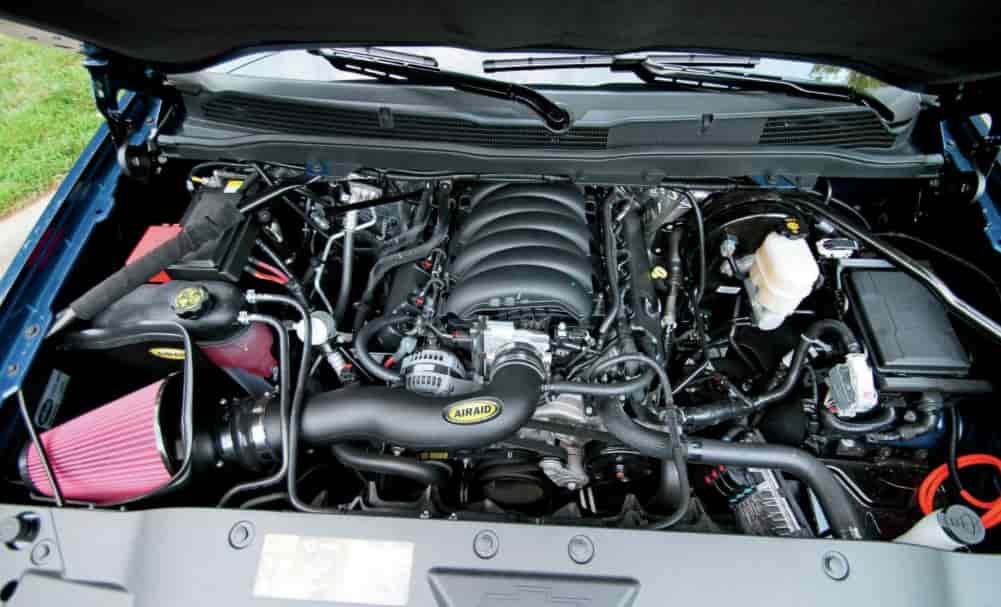
L83 Engine Overview
To understand L83 Engine Specs, you first need to know what this engine really is. The L83 is a 5.3 liter V8 developed by General Motors. It belongs to the EcoTec3 family, which is part of the fifth generation small block engines.
GM introduced the L83 engine in 2014. It quickly became a standard option in full size trucks and SUVs. You can find it in models like the Chevrolet Silverado 1500, GMC Sierra 1500, Chevrolet Tahoe, and GMC Yukon. Its wide usage shows how versatile and reliable it is in real world conditions.
The engine uses a traditional overhead valve design. While this layout may seem outdated, GM has refined it for modern performance. The compact design improves durability and saves space. This makes it ideal for trucks that need strength and long term reliability.
What makes the L83 stand out is its technology. The engine uses direct fuel injection to deliver fuel more precisely. It also includes variable valve timing, which improves performance at different speeds. Another key feature is Active Fuel Management. This system shuts down some cylinders under light load to save fuel.
These technologies work together to balance power and efficiency. As a result, the L83 delivers strong performance without excessive fuel consumption.
When you look at L83 Engine Specs, you should not see just numbers. You should see a system designed for real world driving, towing, and daily use.
L83 Engine Specs (Full Technical Specifications)
When people search for L83 Engine Specs, they often want clear and structured data. This section gives you exactly that. Instead of scattered information, you get a complete and easy to read breakdown of the L83 engine’s core specifications.
Below is a detailed table that highlights the most important technical data.
| Specification | L83 Engine |
|---|---|
| Engine Type | 5.3L V8 EcoTec3 |
| Engine Family | Gen V Small Block |
| Displacement | 5.3 liters (5328 cc) |
| Horsepower | 355 hp @ 5600 rpm |
| Torque | 383 lb ft @ 4100 rpm |
| Fuel System | Direct Injection |
| Valvetrain | OHV (Overhead Valve), VVT |
| Compression Ratio | 11.0:1 |
| Cylinder Deactivation | Active Fuel Management |
| Block Material | Cast Aluminum |
| Cylinder Head | Aluminum |
| Bore x Stroke | 96.01 mm x 92 mm |
This table answers most basic questions about L83 Engine Specs. However, numbers alone do not tell the full story. You also need to understand how these specs affect real performance.
The 5.3 liter displacement offers a strong balance between power and efficiency. It delivers enough output for towing and hauling while still remaining practical for daily driving. The 355 horsepower gives the engine solid acceleration, especially in full size trucks. At the same time, 383 lb ft of torque provides the low end strength needed for heavy loads.
The direct injection system improves fuel control and combustion efficiency. This leads to better fuel economy and more consistent power delivery. Variable valve timing adjusts engine behavior based on speed and load. As a result, the engine performs well in both city and highway conditions.
Another key highlight is the 11.0:1 compression ratio. This relatively high ratio helps improve thermal efficiency. However, it also means the engine relies on precise fuel management to avoid knocking.
Active Fuel Management plays an important role in efficiency. Under light driving conditions, the engine shuts down half of its cylinders. This reduces fuel consumption without affecting normal driving comfort.
Understanding these L83 Engine Specs helps you see the bigger picture. This engine is not just powerful. It is carefully engineered to balance performance, efficiency, and everyday usability.
Horsepower and Torque Explained
Understanding L83 Engine Specs becomes much easier when you break down horsepower and torque. Many drivers see these numbers but do not fully understand how they affect real driving.
The L83 engine produces 355 horsepower at 5600 rpm. Horsepower measures how fast the engine can perform work. In simple terms, it affects how quickly your vehicle accelerates and how well it maintains speed on the highway. This level of power gives full size trucks strong passing ability and smooth high speed performance.
Torque, on the other hand, plays a different role. The L83 delivers 383 lb ft of torque at 4100 rpm. Torque represents rotational force. It determines how much pulling power the engine can generate. This is especially important for trucks and SUVs that carry heavy loads or tow trailers.
In real world driving, torque matters more at low speeds. When you press the accelerator from a stop, torque is what moves the vehicle forward. It also helps when climbing hills or hauling cargo. The L83 provides a strong and steady torque curve, which makes it feel responsive even under load.
Horsepower becomes more important at higher speeds. Once the vehicle is already moving, horsepower keeps it going efficiently. This balance between torque and horsepower is what makes the L83 engine versatile. It performs well in both city driving and highway conditions.
One common misunderstanding is that higher horsepower always means better performance. In reality, trucks need a balance. Too much focus on horsepower without enough torque can reduce towing capability. The L83 avoids this issue by delivering both in a well matched range.
When you look at L83 Engine Specs, these two numbers tell a clear story. The engine is built for real work, not just speed. It offers enough power for daily driving while maintaining the strength needed for towing and heavy duty use.
Fuel Efficiency and MPG
Fuel economy is one of the biggest concerns when people look at L83 Engine Specs. Many drivers assume that a V8 engine will consume too much fuel. This concern is valid, especially with rising fuel costs. However, the L83 engine takes a different approach by combining power with efficiency.
The L83 delivers an estimated fuel economy of around 16 to 17 MPG in the city and 22 to 23 MPG on the highway, depending on the vehicle and drivetrain. These numbers are competitive for a full size truck engine. More importantly, they reflect real world usability rather than just laboratory results.
One key reason behind this efficiency is Active Fuel Management. This system automatically deactivates four cylinders during light driving conditions. When you cruise on the highway or drive at a steady speed, the engine switches from V8 to V4 mode. This reduces fuel consumption without requiring any action from the driver.
Another important factor is direct fuel injection. This technology delivers fuel directly into the combustion chamber with high precision. It improves combustion efficiency and reduces waste. As a result, the engine produces more power from less fuel compared to older V8 designs.
Variable valve timing also contributes to better fuel economy. It adjusts the timing of the valves based on engine speed and load. This allows the engine to operate efficiently in both stop and go traffic and long highway drives.
In real world conditions, drivers often report better efficiency during highway cruising than city driving. This makes the L83 a practical option for long distance travel. At the same time, it still provides the power needed for towing and hauling when required.
When you evaluate L83 Engine Specs, fuel efficiency is no longer a major weakness. Instead, it becomes one of the engine’s key strengths. The L83 proves that a V8 can deliver both performance and reasonable fuel consumption in everyday use.
Key Technologies in the L83 Engine
To fully understand L83 Engine Specs, you need to look beyond raw numbers. The real strength of this engine comes from the technologies behind it. GM designed the L83 to combine traditional V8 power with modern efficiency systems. These technologies improve performance, reduce fuel consumption, and enhance overall driving experience.
One of the most important features is direct fuel injection. This system sprays fuel directly into the combustion chamber at high pressure. It allows better control over the air fuel mixture. As a result, the engine produces more power while using less fuel. It also helps reduce emissions and improves throttle response.
Another key technology is variable valve timing. This system adjusts the timing of the intake and exhaust valves based on engine speed. At low speeds, it improves efficiency and smoothness. At higher speeds, it increases airflow to boost performance. This flexibility allows the L83 engine to perform well in different driving conditions.
Active Fuel Management plays a major role in fuel savings. Under light load conditions, the system shuts down four of the eight cylinders. The engine then runs as a V4 instead of a V8. When more power is needed, all cylinders reactivate instantly. This transition happens seamlessly, so most drivers do not notice it.
The L83 also uses an aluminum block and cylinder heads. This reduces overall engine weight. A lighter engine improves vehicle handling and efficiency. At the same time, it maintains the strength required for heavy duty use.
These technologies work together as a complete system. They do not operate independently. Instead, they constantly adjust based on driving conditions. This is why the L83 engine feels both powerful and efficient at the same time.
When analyzing L83 Engine Specs, these technologies explain how the engine achieves its balance. They turn a traditional V8 into a modern, adaptable powertrain that meets today’s performance and efficiency demands.
Real World Performance and Towing Capacity
Numbers in L83 Engine Specs look impressive, but real value comes from how the engine performs on the road. The L83 engine delivers a driving experience that feels strong, smooth, and predictable in daily use.
In city driving, the engine responds quickly to throttle input. It provides enough low end torque to move a full size truck without effort. This makes stop and go traffic less stressful. The power delivery feels linear, which means you do not experience sudden or unpredictable acceleration.
On the highway, the L83 shows its versatility. The 355 horsepower allows the vehicle to maintain speed with ease. Overtaking slower vehicles feels smooth and controlled. The engine does not struggle even when the vehicle is fully loaded.
Towing is where the L83 engine truly proves its capability. Depending on the vehicle and configuration, towing capacity typically ranges from 8000 to over 11000 pounds. This makes it suitable for trailers, boats, and work equipment. The strong torque output ensures stable pulling power, especially at low and mid range speeds.
Another important factor is stability under load. The engine maintains consistent performance even during long towing trips. It does not feel strained or overheated under normal conditions. This reliability is one of the reasons why many truck owners trust the L83.
Fuel efficiency also remains reasonable during highway towing, although it naturally decreases under heavy load. However, the engine still performs better than older V8 designs thanks to its modern technology.
In real world conditions, the L83 engine delivers exactly what most drivers need. It balances daily comfort with serious work capability. This makes it a practical choice for both personal and professional use.
When reviewing L83 Engine Specs, real world performance confirms the numbers. The engine is not just powerful on paper. It proves its value in everyday driving and demanding situations.
Common Problems and Reliability
When evaluating L83 Engine Specs, performance is only one part of the story. Reliability is often the deciding factor, especially for buyers who plan to keep their vehicle long term. The L83 engine has a strong reputation overall, but like any modern engine, it comes with some known issues that you should understand.
One of the most discussed concerns is related to Active Fuel Management. While this system improves fuel economy, it can lead to long term wear on certain components. Some drivers report lifter failure over time. This issue can cause unusual ticking noises and reduced engine performance. In more serious cases, it may require costly repairs.
Carbon buildup is another common issue. Because the L83 uses direct injection, fuel does not wash over the intake valves. Over time, carbon deposits can accumulate on these valves. This may lead to reduced airflow and lower efficiency. Regular maintenance and occasional cleaning can help minimize this problem.
Oil consumption is also something to watch. Some L83 engines may consume more oil than expected, especially as mileage increases. This does not affect every engine, but it is important to monitor oil levels regularly. Ignoring this issue can lead to more serious damage.
Despite these concerns, many owners report that the L83 engine can last well over 200000 miles with proper care. Routine maintenance plays a key role in long term reliability. Regular oil changes, quality fuel, and timely inspections can prevent most major problems.
It is also worth noting that not every engine experiences these issues. Many drivers use the L83 for years without significant trouble. The engine remains one of the most widely used V8 options in GM vehicles, which reflects a solid level of trust in the market.
When you look at L83 Engine Specs together with reliability data, the conclusion becomes clear. The engine offers strong performance and durability, but it requires proper maintenance. Understanding these potential issues helps you make a more informed decision and avoid unexpected costs.
Vehicles That Use the L83 Engine
Understanding L83 Engine Specs becomes more practical when you know where this engine is actually used. The L83 is not limited to a single model. GM installs it across a wide range of full size trucks and SUVs. This wide application shows how flexible and reliable the engine is in different driving scenarios.
One of the most popular vehicles with the L83 engine is the Chevrolet Silverado 1500. This truck targets both personal and work use. It benefits from the engine’s balance of power and fuel efficiency. Whether you need daily transportation or light duty towing, the Silverado performs well with the L83.
The GMC Sierra 1500 also uses the same engine. It offers a slightly more premium experience compared to the Silverado. However, the core performance remains similar. Drivers get strong towing capability and smooth highway performance.
For SUV buyers, the Chevrolet Tahoe is a common choice. It uses the L83 engine to deliver both passenger comfort and hauling capability. Families benefit from its spacious interior, while still having enough power for long trips and heavy loads.
The GMC Yukon shares many similarities with the Tahoe. It uses the same engine but focuses more on luxury features. Despite its size and weight, the L83 provides enough power to keep the driving experience smooth and controlled.
In some cases, the L83 engine also appears in the Chevrolet Suburban and GMC Yukon XL. These extended length SUVs require more power due to their size. The L83 handles this demand well, especially in highway driving and moderate towing situations.
This wide range of vehicles highlights an important point. The L83 engine adapts to different needs without losing efficiency or performance. It works equally well in pickup trucks and large SUVs.
When reviewing L83 Engine Specs, it is helpful to connect the data with real vehicles. This gives you a clearer picture of how the engine performs in everyday use. It also helps you decide which model best fits your needs.
Conclusion
After exploring the full L83 Engine Specs, it becomes clear why this engine remains a popular choice in GM trucks and SUVs. It delivers a strong combination of power, efficiency, and reliability that fits a wide range of driving needs. From daily commuting to towing heavy loads, the L83 proves it can handle both without compromise.
The 5.3L V8 offers 355 horsepower and 383 lb ft of torque, which creates a balanced performance profile. It provides enough strength for demanding tasks while still maintaining reasonable fuel economy. Technologies like direct injection, variable valve timing, and Active Fuel Management further enhance its overall efficiency.
At the same time, understanding potential issues such as AFM related wear or carbon buildup helps you make a smarter decision. No engine is perfect, but with proper maintenance, the L83 can deliver long lasting performance well beyond expectations.
When you look at L83 Engine Specs as a whole, you are not just seeing technical data. You are looking at an engine designed for real world use. It meets the needs of drivers who want durability, capability, and everyday practicality in one package.
So the key question is simple. Does the L83 engine match your driving needs and expectations? If you are looking for a reliable V8 that balances power and efficiency, this engine is definitely worth considering.