What makes the LS9 engine one of the most legendary supercharged V8s ever produced by General Motors? For performance enthusiasts and engine builders, the LS9 is not just another high horsepower engine. It represents a peak in engineering where raw power meets precision design and durability. While many people search for LS9 engine specs to find simple numbers like horsepower and torque, the real story goes much deeper than цифures on paper.
The LS9 engine, famously used in the Corvette ZR1, delivers an impressive 638 horsepower and 604 lb ft of torque straight from the factory. However, these numbers alone do not explain why this engine continues to dominate conversations in the performance world years after its release. The combination of a supercharged setup, forged internal components, and advanced cooling systems creates a level of performance that few engines in its class can match.
One common problem for buyers and enthusiasts is misunderstanding what actually makes the LS9 so powerful and reliable. Many engines can produce high horsepower, but not all can sustain that power under stress without sacrificing longevity. This is where the LS9 stands out. It was engineered not only for speed but also for consistency and durability under extreme conditions.
In this complete technical breakdown of LS9 engine specs, we will go beyond basic numbers. You will understand how each component contributes to performance, why the supercharger design is so effective, and what truly makes this engine a benchmark in the world of high performance V8s.
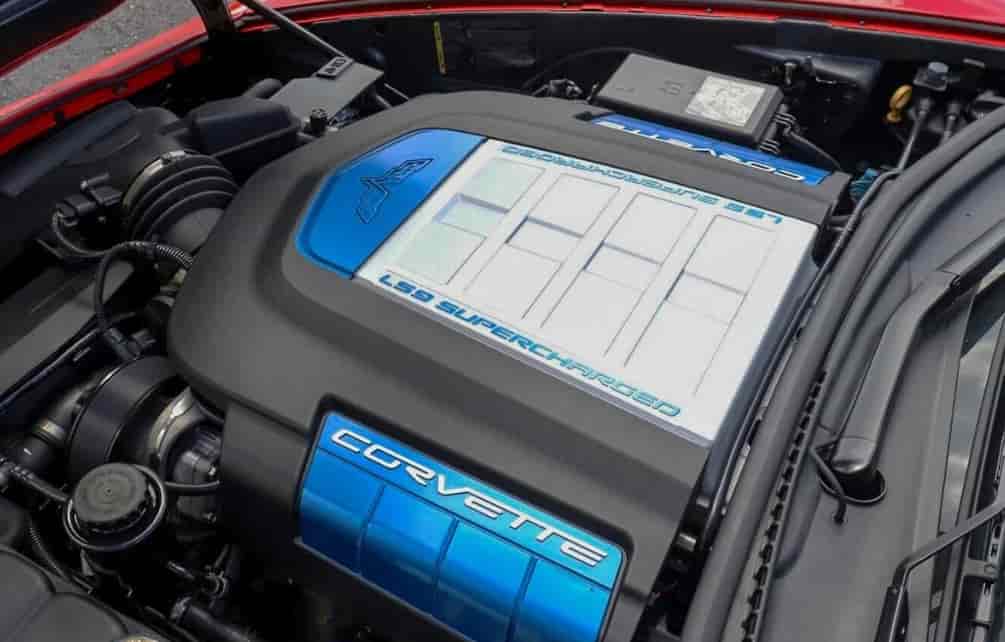
LS9 Engine Overview
The LS9 engine represents one of the most advanced performance engines in the LS family from General Motors. It features a 6.2 liter supercharged V8 layout that focuses on delivering both high power and strong reliability. Engineers designed this engine with a clear goal, which is to produce extreme performance without sacrificing durability.
General Motors built each LS9 by hand at the Performance Build Center. This process ensures better precision and consistent quality. Unlike many standard production engines, the LS9 receives careful attention during assembly. As a result, it meets higher expectations from performance enthusiasts.
The LS9 was developed specifically for the Corvette ZR1 C6. This vehicle required an engine that could dominate both on the street and on the track. To achieve this, engineers used an aluminum block to reduce weight while maintaining strength. Inside the engine, forged pistons and titanium connecting rods handle high pressure from forced induction.
A key highlight of the LS9 is its integrated supercharger system. Engineers designed it as part of the engine, not as an add on. This approach improves airflow, cooling efficiency, and power delivery. It also helps the engine perform consistently under heavy load.
Compared to engines like the LS3 or LS7, the LS9 delivers more torque across a wider RPM range. This makes acceleration faster and more responsive in real driving conditions. Overall, the LS9 engine combines smart engineering with powerful design, which explains why its specs still stand out today.
LS9 Engine Specs (Full Technical Specifications)
Understanding LS9 engine specs requires more than listing numbers. Each specification plays a direct role in how the engine delivers power, efficiency, and durability. Below is a detailed breakdown of the key technical data and what it means in real performance.
The LS9 features a 6.2 liter displacement with a bore of 4.065 inches and a stroke of 3.622 inches. This configuration allows the engine to balance high rev capability with strong low end torque. As a result, drivers experience both quick acceleration and stable power delivery across the RPM range.
The compression ratio sits at 9.1 to 1. This lower ratio supports forced induction by reducing the risk of engine knock under boost. It allows the supercharger to push more air into the combustion chamber without compromising reliability.
In terms of output, the LS9 produces 638 horsepower at 6500 RPM and 604 lb ft of torque at 3800 RPM. These numbers place it among the most powerful production V8 engines of its time. More importantly, the torque curve remains broad and consistent, which improves real world driving performance.
The engine uses a sequential multi port fuel injection system. This setup delivers precise fuel control and helps maintain efficiency under different driving conditions. In addition, the LS9 includes an advanced cooling system with a dedicated intercooler. This system reduces intake air temperature and protects the engine during high boost operation.
The redline is set at around 6600 RPM. This limit ensures the engine maintains reliability while still delivering strong top end power. Combined with high strength internal components, the LS9 can handle sustained performance without excessive wear.
Overall, these LS9 engine specs highlight a well balanced design. Each element works together to support both high output and long term durability, making the engine a benchmark in the world of supercharged V8 performance.
Supercharger System Explained
The supercharger system plays a central role in the LS9 engine specs and overall performance. Instead of relying on natural airflow, the LS9 uses a forced induction system to deliver more air into the engine. This allows it to generate significantly more power without increasing engine size.
At the heart of this system is the Eaton TVS R2300 supercharger. This unit uses a twin vortex rotor design that improves airflow efficiency and reduces heat buildup. As the supercharger compresses incoming air, it forces more oxygen into the combustion chamber. This process leads to stronger and more controlled explosions, which directly increases horsepower and torque.
The LS9 operates with around 10.5 PSI of boost pressure. This level of boost strikes a balance between performance and engine safety. It delivers massive power gains while keeping stress on internal components within safe limits. Because of this, the LS9 can maintain high output without sacrificing long term reliability.
To manage the heat generated during compression, the LS9 includes an advanced intercooler system. This system cools the compressed air before it enters the engine. Cooler air is denser, which improves combustion efficiency and reduces the risk of detonation. As a result, the engine can sustain high performance even under demanding conditions.
Another important factor is the integration of the supercharger into the engine design. Engineers built the LS9 with this system in mind from the beginning. This approach ensures better airflow routing, improved cooling, and smoother power delivery. Unlike many aftermarket setups, the LS9 system works as a complete and optimized package.
In real world driving, this supercharger setup provides instant throttle response and consistent power across the RPM range. It eliminates the lag often associated with turbocharged engines. This is one of the key reasons why the LS9 engine specs translate so effectively into real performance on both the street and the track.
Internal Components and Build Quality
The strength of the LS9 engine comes from its internal components and overall build quality. Engineers designed every part to handle high pressure and extreme performance. This focus on durability is a key reason why the LS9 engine specs remain impressive even today.
Inside the engine, forged aluminum pistons are used to withstand high temperatures and pressure. These pistons help maintain stability during intense combustion. In addition, titanium connecting rods reduce weight while increasing strength. This combination allows the engine to rev smoothly and handle boost without failure.
The cylinder heads receive CNC porting to improve airflow. This process enhances air intake and exhaust flow, which leads to better combustion efficiency. As a result, the engine produces more power without unnecessary strain. Sodium filled valves are also included to manage heat more effectively. They help prevent overheating during high performance driving.
The LS9 also features a high strength crankshaft that supports consistent power delivery. Each component works together to reduce stress and increase engine lifespan. This level of engineering ensures that the LS9 performs reliably under demanding conditions.
Compared to engines like the LS3 or LS7, the LS9 stands out with its forced induction ready design. While the LS7 focuses on high RPM performance, the LS9 delivers stronger torque and handles boost more effectively. This makes it a better choice for drivers who want both power and durability.
Overall, the internal design of the LS9 reflects careful planning and advanced engineering. These components are not only built for performance but also for long term reliability. This balance is what makes the LS9 engine a benchmark in the world of high performance V8 engines.
Performance Analysis (Real World vs Factory Specs)
The LS9 engine specs look impressive on paper, but real performance matters most to enthusiasts. Many buyers often question whether the factory numbers reflect actual output. In the case of the LS9, real world results confirm that this engine delivers performance very close to its official ratings.
From the factory, the LS9 produces 638 horsepower and 604 lb ft of torque. On a chassis dyno, most stock LS9 engines show around 540 to 560 wheel horsepower. This result aligns well with expected drivetrain loss. It also proves that GM provided honest and reliable performance figures.
Acceleration performance further highlights the strength of the LS9. The Corvette ZR1 equipped with this engine can reach 0 to 60 mph in about 3.3 seconds. Quarter mile times typically fall in the low 11 second range under stock conditions. These numbers place the LS9 among the top performing production engines of its era.
Another key advantage is consistency. The LS9 maintains stable power output even under repeated high load conditions. Thanks to its supercharger and cooling system, the engine avoids significant heat soak. This means drivers can push the car hard without experiencing major drops in performance.
Throttle response is also a strong point. The supercharged setup delivers instant power with minimal delay. This creates a more direct and engaging driving experience compared to many turbocharged engines. Drivers can feel the torque immediately, especially at lower RPM levels.
Overall, the LS9 engine specs translate very well into real world performance. The engine not only meets expectations but often exceeds them in terms of consistency and drivability. This reliability in performance is one of the main reasons why the LS9 continues to be respected in the high performance community.
LS9 Strengths and Weaknesses
The LS9 engine stands out for its performance, but it is not perfect. Understanding both strengths and weaknesses helps buyers and enthusiasts make better decisions. The LS9 engine specs may look impressive, but real ownership involves more than just power numbers.
One of the biggest strengths of the LS9 is its high horsepower output straight from the factory. With 638 horsepower, it delivers supercar level performance without requiring modifications. This makes it attractive for drivers who want instant power without extra tuning.
Another major advantage is the strength of its internal components. Forged pistons, titanium connecting rods, and a strong crankshaft allow the engine to handle high boost safely. These parts increase durability and reduce the risk of failure under stress. As a result, the LS9 can maintain performance over time.
The integrated supercharger system also improves reliability and efficiency. Since engineers designed it as part of the engine, it provides smooth power delivery and consistent airflow. This setup reduces lag and enhances throttle response, which improves the driving experience.
However, the LS9 also has some drawbacks. One of the main concerns is cost. The engine itself is expensive, and maintenance costs can be high. Replacement parts and specialized service add to long term ownership expenses.
Heat management is another challenge. Supercharged engines generate more heat, and the LS9 is no exception. While the cooling system is advanced, aggressive driving can still push temperatures higher. This requires proper maintenance and monitoring.
In summary, the LS9 offers exceptional power and engineering, but it comes with higher costs and complexity. Buyers need to balance performance benefits with long term ownership considerations.
Conclusion
The LS9 engine specs reveal much more than just impressive numbers. They reflect a carefully engineered system that combines power, precision, and durability. From its 6.2 liter supercharged design to its forged internal components, every detail serves a clear purpose. This is what allows the LS9 to deliver both extreme performance and long term reliability.
Unlike many high performance engines that focus only on peak horsepower, the LS9 provides a balanced driving experience. It delivers strong torque across a wide RPM range, offers instant throttle response, and maintains consistent output under pressure. These qualities make it not only powerful but also highly usable in real world conditions.
At the same time, potential buyers should consider the higher cost and maintenance requirements. The LS9 is not a casual upgrade. It is an investment in performance that requires proper care and understanding. For enthusiasts who value engineering quality and proven power, this engine remains one of the best options available.
In the end, the LS9 engine specs highlight why this engine continues to stand out in the performance world. It is not just about speed. It is about how that speed is achieved and sustained over time.
Would you choose the LS9 over newer turbocharged engines, or do you prefer modern alternatives?