Your Chevy Tahoe check engine light just turned on. You start asking questions right away. Is it a small issue or a serious engine problem? Will it cost a few dollars or thousands to fix?
Many Chevy Tahoe owners face this exact situation. The warning light appears without clear explanation. This creates stress and uncertainty, especially if you rely on your vehicle every day.
Modern Chevy Tahoe models use an advanced onboard diagnostics system. This system detects problems early and stores them as trouble codes. Each code tells you what is wrong. However, most drivers do not know how to read or understand these codes.
Because of this, many people ignore the warning or rush to a mechanic too quickly. Both choices can cost you money. You might pay for repairs you do not need. You might also miss a simple fix you could handle yourself.
When you understand Chevy Tahoe check engine light codes, you take control of the situation. You can identify problems faster, avoid unnecessary costs, and make better repair decisions.
In this guide, you will find the full list of Chevy Tahoe check engine light codes. You will also learn what each code means and how to fix the most common issues. By the end, you will feel more confident handling any warning light on your Tahoe.
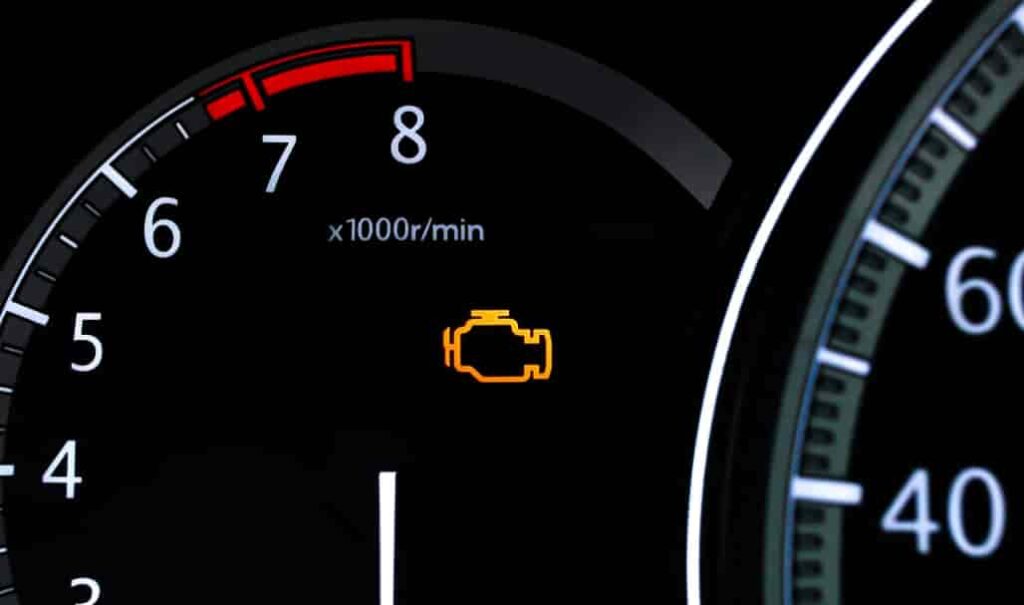
What Are Chevy Tahoe Check Engine Light Codes?
Chevy Tahoe check engine light codes are diagnostic signals from your vehicle. These codes help you understand what is happening inside the engine and related systems. When something goes wrong, your Tahoe does not stay silent. It records the issue and shows a warning through the check engine light.
Your vehicle uses an onboard diagnostics system called OBD2. This system monitors engine performance, fuel efficiency, emissions, and many other components. When it detects a problem, it generates a diagnostic trouble code, often called a DTC.
Each code follows a specific format. Most Chevy Tahoe codes start with the letter P, which stands for powertrain. The powertrain includes the engine, transmission, and fuel system. For example, code P0300 points to engine misfire, while P0171 indicates a lean fuel condition.
These codes are not random. Engineers design them to give clear and structured information. The first character shows the system. The numbers that follow provide more detailed insight into the exact issue.
The check engine light activates when the system detects a fault. A steady light usually signals a less urgent issue. A flashing light often means a serious problem that needs immediate attention.
Understanding these codes gives you a major advantage. Instead of guessing, you can identify the exact problem. This helps you decide whether you can fix it yourself or need professional help.
How to Read Chevy Tahoe Check Engine Light Codes
You do not need advanced mechanical skills to read Chevy Tahoe check engine light codes. With the right tools and a simple process, you can do it yourself in just a few minutes.
The easiest way is to use an OBD2 scanner. This is a small device that connects directly to your vehicle. Most Chevy Tahoe models have an OBD2 port located under the dashboard, near the steering wheel.
Start by turning off the engine. Plug the scanner into the OBD2 port. Then turn the ignition to the “on” position without starting the engine. The scanner will power on and begin communication with the vehicle.
Next, follow the instructions on the scanner screen. Select the option to read codes. Within seconds, the device will display one or more diagnostic trouble codes. Each code represents a specific issue detected by the system.
Write down the codes exactly as shown. Do not rely on memory. Even a small mistake can lead to the wrong diagnosis. After that, you can look up the meaning of each code in a reliable guide or database.
Some advanced scanners also show live data. This includes engine temperature, fuel trim, and sensor readings. These details help you understand the problem more deeply.
If you do not have a scanner, you still have options. Many auto parts stores offer free code reading services. You can also use Bluetooth OBD2 adapters with mobile apps. These tools turn your smartphone into a diagnostic device.
Once you read the codes, you move from guessing to knowing. This step gives you clarity and helps you decide the next action with confidence.
Full List of Chevy Tahoe Check Engine Light Codes
Chevy Tahoe check engine light codes follow a standardized OBD2 format. Each code points to a specific system and issue. When you understand the structure, you can identify problems faster and avoid confusion.
Most codes fall into four main categories. These include powertrain, body, chassis, and network systems. Each category uses a different starting letter.
Powertrain Codes (P Codes)
Powertrain codes appear most often. These codes relate to the engine, transmission, fuel system, and emissions. If your check engine light turns on, you will usually see a P code.
Here are some of the most important ones:
- P0171 – System Too Lean
This code means the engine receives too much air and not enough fuel. It often links to vacuum leaks or a faulty mass airflow sensor. - P0300 – Random or Multiple Misfire
This issue occurs when one or more cylinders fail to fire properly. You may notice engine shaking or loss of power. - P0420 – Catalyst Efficiency Below Threshold
This code points to a weak or failing catalytic converter. It can affect emissions and fuel efficiency. - P0442 – Small EVAP Leak Detected
This usually comes from a loose gas cap or a small leak in the evaporative emissions system. - P0128 – Coolant Temperature Below Thermostat Range
The engine does not reach the correct operating temperature. A faulty thermostat often causes this issue.
These codes directly impact engine performance. You should always check them first.
Body Codes (B Codes)
Body codes relate to components inside the cabin and vehicle comfort systems. These codes do not always affect engine performance, but they still matter.
Common areas include:
- Airbags
- Climate control
- Lighting systems
For example, a B code may indicate an issue with an airbag sensor or HVAC system. While these problems may not stop your vehicle, they can affect safety and comfort.
Chassis Codes (C Codes)
Chassis codes focus on mechanical systems outside the engine. These include suspension, brakes, and steering.
Typical systems involved:
- ABS braking system
- Traction control
- Steering sensors
If you see a C code, your Tahoe may still run normally. However, safety systems may not function correctly. You should not ignore these warnings.
Network Codes (U Codes)
Network codes deal with communication between modules. Modern Chevy Tahoe vehicles use multiple control units that must work together.
These modules include:
- Engine control module
- Transmission control module
- Body control module
A U code often signals a communication failure. This can result from wiring issues, weak connections, or module faults.
Quick Lookup Tip
Always focus on the first letter of the code:
- P = Engine and transmission
- B = Interior and comfort systems
- C = Chassis and safety
- U = Communication network
This simple method helps you narrow down the problem quickly.
Most Common Chevy Tahoe Check Engine Codes and Fixes
Not all Chevy Tahoe check engine light codes have the same impact. Some issues are minor, while others can lead to serious damage. Therefore, you need to understand the most common codes and how to fix them quickly.
First, P0171, System Too Lean appears very often. This happens when the engine gets too much air and not enough fuel. As a result, you may notice rough idling or poor acceleration. In most cases, a vacuum leak or dirty mass airflow sensor causes this issue. Fortunately, cleaning the sensor or fixing a leak can solve it at a low cost.
Next, P0300, Random Misfire directly affects engine performance. For example, the engine may shake or lose power. In addition, fuel efficiency often drops. This problem usually comes from worn spark plugs or faulty ignition coils. If you ignore it, the damage can become more expensive.
Another common code is P0442, EVAP Leak. At first, this may seem serious. However, in many cases, a loose gas cap causes the issue. Therefore, you should always check the gas cap before doing anything else.
Finally, P0420, Catalyst Efficiency Low signals a failing catalytic converter. Meanwhile, P0128 points to a faulty thermostat. Both issues can increase fuel consumption over time.
Overall, early action makes a big difference. If you fix these problems quickly, you can avoid costly repairs and keep your Chevy Tahoe running smoothly.
What Causes the Check Engine Light on Chevy Tahoe?
The check engine light on your Chevy Tahoe can turn on for many reasons. Some causes are simple, while others require immediate attention. Therefore, understanding the root causes helps you avoid bigger problems.
First, issues with the oxygen sensor are very common. This sensor measures the air and fuel mixture in the engine. If it fails, the engine may burn more fuel than needed. As a result, fuel efficiency drops and emissions increase.
Next, worn spark plugs or ignition coils often trigger the warning light. These components control the combustion process. When they fail, the engine may misfire. In addition, you may feel shaking or loss of power while driving.
Another frequent cause involves the fuel system. For example, a clogged fuel injector or weak fuel pump can disrupt performance. Consequently, the engine may struggle to run smoothly.
Meanwhile, problems in the EVAP system can also activate the light. A loose gas cap is the simplest example. However, leaks in the system can also occur and affect emissions.
More serious cases involve the catalytic converter. This component reduces harmful gases. If it fails, repair costs can become very high. Therefore, you should not ignore related codes.
In some situations, the issue comes from the mass airflow sensor or engine temperature system. These parts help regulate performance and efficiency. When they malfunction, the system quickly detects it.
Overall, the check engine light does not appear without a reason. If you identify the cause early, you can fix the problem faster and avoid expensive repairs.
Chevy Tahoe Check Engine Light Cost to Fix
The cost to fix Chevy Tahoe check engine light codes can vary a lot. It depends on the problem, the parts involved, and how early you take action. Therefore, understanding the cost range helps you avoid overpaying.
First, minor issues usually cost between $50 and $200. For example, a loose gas cap, dirty mass airflow sensor, or small EVAP leak falls into this range. In many cases, you can fix these problems yourself with basic tools.
Next, moderate repairs often range from $200 to $800. This includes replacing spark plugs, ignition coils, or oxygen sensors. Although these repairs cost more, they are still manageable if you act early.
However, serious problems can exceed $1000 or more. For instance, a failing catalytic converter or major engine issue can quickly become expensive. In addition, labor costs can increase the total price significantly.
Meanwhile, diagnostic fees also add to the cost. Many repair shops charge between $50 and $150 just to scan and identify the problem. However, you can avoid this fee by using your own OBD2 scanner.
Because of this, early diagnosis plays a key role. If you read the codes as soon as the light appears, you can fix small issues before they become major repairs.
Overall, Chevy Tahoe check engine light codes do not always mean high costs. In fact, quick action often saves you hundreds or even thousands of dollars.
Can You Drive With the Check Engine Light On in a Chevy Tahoe?
The answer depends on how the check engine light appears. In some cases, you can continue driving. However, in other situations, you should stop immediately. Therefore, you need to understand the difference.
First, a steady check engine light usually signals a minor issue. For example, it may come from a sensor problem or a small emissions fault. In this case, the vehicle often still drives normally. However, you should not ignore it for too long. Instead, check the codes as soon as possible.
On the other hand, a flashing check engine light indicates a serious problem. This often relates to engine misfire or severe damage risk. As a result, driving the vehicle can harm critical components like the catalytic converter. Therefore, you should stop driving immediately and inspect the issue.
In addition, pay attention to how your Tahoe feels. If you notice shaking, loss of power, or strange noises, the problem may be urgent. Even if the light is steady, these symptoms require quick action.
Meanwhile, short trips may seem harmless. However, they can still worsen hidden problems over time. Because of this, delaying repairs often leads to higher costs later.
Overall, you should never treat the check engine light as a minor warning by default. Instead, use it as an early signal to act. If you respond quickly, you protect your engine and avoid expensive repairs.
How to Reset Check Engine Light on Chevy Tahoe
You can reset the check engine light on your Chevy Tahoe in several ways. However, you should only do this after identifying and fixing the problem. Otherwise, the light will come back quickly.
First, the safest method is to use an OBD2 scanner. Connect the scanner to the port under the dashboard. Then turn the ignition on and select the option to clear codes. Within seconds, the system will reset the check engine light. This method is fast, accurate, and reliable.
Next, you can disconnect the battery. Remove the negative cable and wait for about 10 to 15 minutes. After that, reconnect it and start the vehicle. In many cases, this resets the system. However, this method may also erase other settings like radio presets.
Another option involves driving the vehicle for a few cycles. Sometimes, the system clears the code automatically if the issue no longer exists. However, this method takes more time and does not always work.
Most importantly, resetting the light does not fix the problem. It only clears the warning from the system. If the root cause remains, the check engine light will return.
Therefore, always read the Chevy Tahoe check engine light codes first. Then fix the issue before resetting the system. This approach saves time, prevents confusion, and protects your vehicle in the long run.
Conclusion
Chevy Tahoe check engine light codes give you more than just a warning. They provide clear insight into what is happening inside your vehicle. When you understand these codes, you move from guessing to making informed decisions.
Throughout this guide, you have learned how to read Chevy Tahoe check engine light codes, what they mean, and how to fix the most common issues. In addition, you now understand the possible causes, repair costs, and when it is safe to continue driving.
Many drivers ignore the check engine light or rely completely on mechanics. However, this often leads to unnecessary expenses or delayed repairs. Instead, taking a proactive approach helps you save money and avoid serious damage.
At the same time, not every code signals a major problem. Some issues are simple and inexpensive to fix. Therefore, early diagnosis always gives you an advantage.
If you want to keep your vehicle running smoothly, make it a habit to check codes as soon as the warning appears. A small action today can prevent a costly repair tomorrow.
Now it is your turn. Have you ever seen a check engine light on your Chevy Tahoe? What code did you get, and how did you fix it? Share your experience and let others learn from it.