A Chevrolet Silverado that will not shift gears can quickly disrupt normal driving. The vehicle may feel unresponsive and difficult to control. Many drivers notice this problem while accelerating or slowing down. The transmission may stay stuck in one gear or fail to engage properly.
The Chevrolet Silverado is built for strength and reliability, yet transmission issues can still occur. These problems often appear without warning. Drivers may see symptoms like delayed shifting, engine revving without movement, or sudden loss of power.
A Chevy Silverado not shifting gears can come from different sources. Some causes are simple, such as low transmission fluid or sensor errors. Others involve deeper mechanical or electronic faults inside the transmission system. Each cause requires a different diagnostic approach.
This guide explains the full diagnostic process in a clear and structured way. You will learn the main symptoms, the most common causes, and the correct steps to identify the problem. The goal is to help you understand the transmission issue before making any repair decisions. This reduces the risk of unnecessary repairs and helps you find the real cause faster.
SYMPTOMS OF CHEVY SILVERADO NOT SHIFTING GEARS
A transmission problem in a Chevrolet Silverado often shows clear warning signs. Drivers can usually notice changes in how the vehicle responds. These symptoms often appear before a complete transmission failure.
One common symptom is the vehicle getting stuck in a single gear. The truck may refuse to shift up or down while driving. This makes acceleration feel weak and uneven.
Another sign is delayed shifting. The engine may increase RPM, but the vehicle takes time to respond. This creates a lag between pressing the accelerator and actual movement.
Some drivers notice slipping gears. The transmission may shift unexpectedly or lose power during acceleration. This can make driving feel unstable and unpredictable.
Engine revving without movement is another strong indicator. The engine speed increases, but the vehicle does not gain speed. This often points to a serious transmission issue.
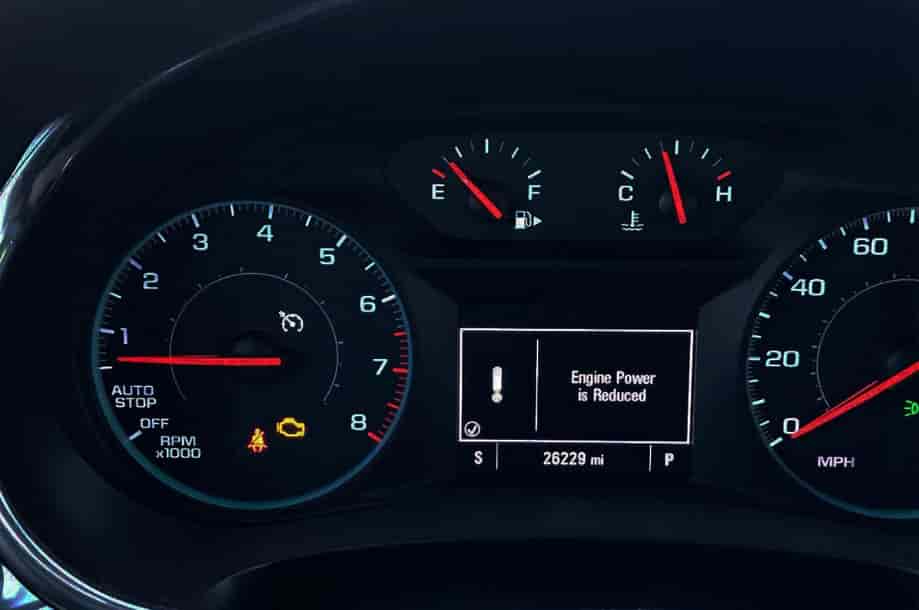
In some cases, the Chevrolet Silverado enters limp mode. The system limits gear usage to protect the transmission. This reduces speed and performance to prevent further damage.
A check engine light may also appear. In many cases, the error codes relate to transmission sensors or internal components. These codes help narrow down the root cause during diagnosis.
Unusual noises can also signal a problem. Drivers may hear grinding, humming, or clunking sounds when the transmission struggles to shift.
These symptoms often appear together. When multiple signs occur at the same time, the transmission system likely has a deeper issue that needs immediate attention.
MAIN CAUSES OF TRANSMISSION FAILURE
A Chevy Silverado not shifting gears often comes from a small number of core transmission problems. These issues usually affect fluid pressure, electronic control, or internal mechanical components. Identifying the right cause is important because each problem requires a different repair approach.
One of the most common causes is low or degraded transmission fluid. The transmission depends on clean fluid to create hydraulic pressure and support smooth gear changes. When the fluid level drops or becomes contaminated, the system loses efficiency. Drivers may notice delayed shifting, rough engagement, or complete failure to change gears. Using the wrong fluid type can also create serious performance issues.
Faulty shift solenoids are another frequent cause. These components control the flow of transmission fluid during gear changes. When a solenoid fails, the transmission may get stuck in one gear or shift at the wrong time. Electrical faults or internal blockages often trigger this issue.
Problems in the Transmission Control Module can also affect shifting behavior. The module sends electronic signals that control gear changes based on speed and load. When it malfunctions, it may send incorrect commands, leading to unstable or failed shifting.
Torque converter failure is another serious cause. It transfers engine power into the transmission system. When it stops working correctly, the vehicle may rev without proper acceleration or feel like it is slipping.
In some cases, internal mechanical wear is the root problem. Worn clutch packs or damaged gears reduce the transmission’s ability to engage properly. This type of issue usually develops over time and often requires major repair.
HOW TO DIAGNOSE THE PROBLEM STEP BY STEP
When a Chevy Silverado not shifting gears issue appears, a structured diagnostic process helps identify the real cause. You should always start with simple checks before moving to complex systems. This reduces time and avoids unnecessary repairs.
The first step is to check the transmission fluid. You should inspect both the level and condition. Clean fluid should look red or light brown. Dark or burnt fluid often signals internal wear or overheating. Low fluid levels can also cause immediate shifting problems.
The second step is to scan the vehicle for diagnostic trouble codes. An OBD2 scanner helps identify errors related to sensors, solenoids, or the transmission control system. These codes provide direction for further inspection.
The third step is to test gear response while driving. You should observe how the vehicle shifts under normal acceleration. Pay attention to delays, slipping, or failure to engage specific gears. These behaviors help narrow down the issue.
The fourth step is to inspect electrical connections. Loose or damaged wiring can interrupt communication between sensors and the transmission control module. This often leads to inconsistent shifting behavior.
The fifth step is to evaluate limp mode activation. When the system detects a serious fault, it may limit gear usage to protect the transmission. This condition usually points to an electronic or sensor related issue.
By following these steps in order, you can isolate the problem more accurately. This approach helps distinguish between fluid issues, electronic faults, and internal mechanical damage.
ELECTRONIC AND SENSOR RELATED ISSUES
A Chevy Silverado not shifting gears is not always caused by mechanical failure. In many cases, the problem comes from electronic or sensor related issues. Modern transmissions depend heavily on accurate data from multiple sensors to shift correctly.
One key component is the speed sensor. This sensor tracks how fast the vehicle moves and sends data to the transmission control module. When it fails, the system cannot decide the correct shift timing. This often leads to delayed shifting or incorrect gear selection.
The throttle position sensor also plays an important role. It measures how much the driver presses the accelerator. If this sensor sends wrong signals, the transmission may shift too early or too late. This creates unstable driving behavior.
Wiring problems can also cause shifting issues. Damaged or corroded wires interrupt communication between sensors and the control module. Even a small electrical fault can lead to major transmission errors.
The Transmission Control Module itself can also fail. It processes all sensor data and controls gear changes. When it malfunctions, it may send incorrect commands or stop responding properly. This can trigger limp mode or prevent shifting entirely.
In some cases, the issue comes from poor software calibration. The system may need an update or reset to restore correct shifting behavior. Without proper calibration, the transmission may behave unpredictably.
Electronic and sensor related problems often mimic mechanical failure. This makes diagnosis more difficult. A proper scan and inspection are necessary to separate electronic faults from internal transmission damage.
COMMON FIXES FOR SHIFTING PROBLEMS
When a Chevy Silverado not shifting gears occurs, the solution depends on the root cause. A correct diagnosis helps you choose the right fix and avoid unnecessary repairs.
One of the simplest fixes is replacing or topping up the transmission fluid. Clean and correct fluid restores proper hydraulic pressure. This often improves shifting performance when the issue is caused by low or degraded fluid.
Resetting the Transmission Control Module can also help. A reset clears stored errors and allows the system to relearn shifting behavior. This is useful when electronic glitches affect gear changes.
If shift solenoids fail, replacing them can restore normal operation. These components control fluid flow inside the transmission. A faulty solenoid often causes stuck gears or delayed shifting.
Repairing wiring issues is another common fix. Damaged or loose wires can interrupt communication between sensors and the control module. Fixing these connections restores stable transmission signals.
In some cases, updating or reprogramming the ECU improves shifting behavior. Software updates correct calibration errors and improve communication between electronic components.
When the torque converter fails, replacement is usually required. This part transfers engine power into the transmission system. A faulty converter often causes slipping or weak acceleration.
For severe internal damage, a full transmission rebuild may be necessary. This involves replacing worn clutch packs, gears, and internal components. It is the most expensive option but restores full performance.
Choosing the right fix depends on early and accurate diagnosis. Ignoring symptoms often leads to more expensive repairs later.
COST OF REPAIR AND SEVERITY LEVELS
When a Chevy Silverado not shifting gears happens, the repair cost depends on how serious the issue is. Understanding severity levels helps you decide whether to repair, replace, or continue diagnosis.
Minor issues usually involve transmission fluid or sensor problems. These repairs are the least expensive. A fluid change or sensor replacement often restores normal shifting without major labor costs. These problems are common and easy to fix when detected early.
Moderate issues often involve shift solenoids or wiring faults. Replacing a solenoid requires more labor and diagnostic work. Wiring repairs can also increase cost depending on the damage. These repairs are more expensive than basic maintenance but still manageable compared to internal transmission damage.
Electronic control problems such as a faulty Transmission Control Module can also increase repair costs. Reprogramming or replacing the module requires specialized tools and professional service. This type of repair sits in the mid to high cost range.
Severe issues involve internal transmission damage or torque converter failure. These repairs are expensive and time consuming. A rebuild or full replacement may be required when clutch packs or gears are worn out. This level of damage often results from long term neglect of early symptoms.
The most important factor is early detection. Small issues can escalate quickly into major transmission failure if ignored. Regular diagnosis and timely repair help reduce overall cost and prevent full system breakdown.
WHEN YOU SHOULD NOT DRIVE THE VEHICLE
When a Chevy Silverado not shifting gears occurs, some situations make driving unsafe. Continuing to drive under these conditions can increase damage and lead to complete transmission failure.
One clear warning sign is when the vehicle gets stuck in one gear. If the transmission refuses to shift up or down, the engine cannot operate efficiently. This puts extra stress on internal components and reduces control while driving.
Another serious condition is slipping gears combined with sudden loss of power. If the vehicle revs high but does not accelerate properly, the transmission may already be failing. Driving in this state can cause further internal damage.
Unusual noises such as grinding or heavy clunking also indicate a serious problem. These sounds often come from worn or damaged internal parts. Continuing to drive can worsen the mechanical failure quickly.
A burning smell is another critical warning sign. It often indicates overheated transmission fluid or internal friction. Overheating can destroy transmission components in a short time if the vehicle remains in use.
If the Silverado enters limp mode repeatedly, it means the system has detected a major fault. Limp mode is designed to protect the transmission by limiting performance. Driving long distances in this mode is not recommended.
When multiple symptoms appear at the same time, you should avoid driving the vehicle. At this stage, professional inspection becomes necessary. Early action can prevent a full transmission breakdown and reduce repair costs significantly.
PREVENTION TIPS FOR FUTURE TRANSMISSION ISSUES
Preventing a Chevy Silverado not shifting gears issue starts with proper maintenance and early attention to warning signs. Regular care helps extend transmission life and reduce repair costs over time.
One of the most important steps is maintaining clean transmission fluid. You should check fluid levels regularly and replace it based on the manufacturer schedule. Clean fluid helps maintain proper hydraulic pressure and smooth gear changes.
Driving habits also play a major role. Avoid aggressive acceleration and heavy towing beyond vehicle capacity. Excess load puts stress on the transmission and increases wear on internal components.
Early diagnosis is another key factor. When you notice delayed shifting, slipping gears, or unusual noises, you should inspect the vehicle immediately. Ignoring early symptoms often leads to more serious transmission damage.
Keeping the cooling system in good condition also helps protect the transmission. Overheating is one of the main causes of internal wear. A properly functioning cooling system helps maintain stable operating temperature.
Regular sensor and electrical inspections can also prevent shifting problems. Faulty sensors or loose wiring often cause communication errors between components. Fixing these small issues early prevents larger system failures.
Software updates for the transmission control system may also improve performance. These updates help maintain correct shifting logic and system calibration.
Consistent maintenance and careful driving behavior significantly reduce the risk of transmission failure. A well maintained system performs more reliably and lasts much longer under normal driving conditions.
CONCLUSION
A Chevy Silverado not shifting gears is a serious issue that should not be ignored. This problem can come from fluid issues, sensor failures, electronic faults, or internal transmission damage. Each cause creates different symptoms, but they often appear together and make driving unstable.
This guide explained the full diagnostic process in a clear structure. You learned how to identify key symptoms such as delayed shifting, slipping gears, and limp mode activation. You also saw the main causes, including fluid problems, solenoid failure, torque converter issues, and transmission control module errors. Each section helps you narrow down the real source of the problem before making repair decisions.
Early diagnosis plays the most important role. Small issues can quickly turn into major transmission failure if they are ignored. Simple maintenance like fluid checks and sensor inspection can prevent expensive repairs. More serious issues require professional evaluation to avoid further damage.
If your Chevrolet Silverado shows repeated shifting problems, you should act early and avoid continued driving. Proper inspection and timely repair help protect the transmission system and reduce long term costs. Understanding the warning signs and causes gives you a clear advantage in keeping your vehicle safe and reliable.