Imagine parking your GMC Terrain after a long drive, shifting into Park, turning off the engine, and reaching for the key, only to discover it won’t come out of the ignition. It’s a frustrating situation that can leave you wondering whether you’re dealing with a simple inconvenience or an expensive repair. Fortunately, a key stuck in the ignition is a fairly common issue, and in many cases, the solution is much simpler than you might think.
Several components work together to release the key once your vehicle is safely parked, including the ignition lock cylinder, shift interlock system, transmission park switch, steering wheel lock, and even the battery. If just one of these parts isn’t functioning correctly, your GMC Terrain may prevent the key from being removed as a safety measure. While this can be alarming, it doesn’t always mean that a major component has failed.
In this guide, we’ll explain the most common reasons why a GMC Terrain key is stuck in the ignition, walk you through step-by-step troubleshooting methods, discuss repair costs, and help you determine when it’s safe to handle the problem yourself and when it’s time to seek professional assistance. By the end of this article, you’ll have a clear understanding of what causes this issue and how to get your key out safely without risking damage to the ignition system.
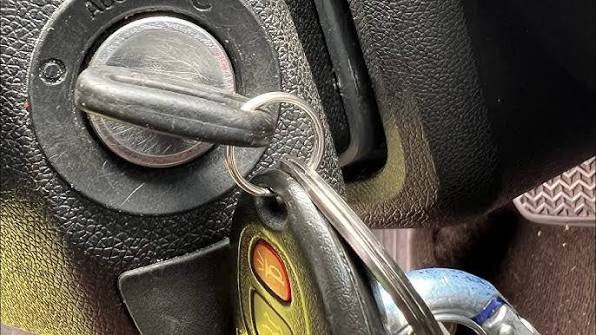
How the GMC Terrain Ignition Key Release System Works
Before troubleshooting the problem, it helps to understand how the ignition key release system in a GMC Terrain is designed to operate. Although it may seem like the key should come out as soon as you turn off the engine, several mechanical and electronic components must work together before the vehicle allows the key to be removed.
When you shift the transmission into Park (P), the transmission range sensor sends a signal indicating that the vehicle is safely parked. At the same time, the shift interlock mechanism verifies the shifter’s position. Once the ignition is turned to the OFF position, the ignition lock cylinder releases the key, allowing you to remove it without resistance.
Modern GMC Terrain models also rely on electrical components such as the ignition switch, body control module (BCM), and brake switch to coordinate this process. If any of these components fail to communicate correctly, the vehicle may assume it is not safe to release the key, even though the engine has already been turned off.
Another component involved is the steering wheel lock. If excessive pressure is placed on the steering column, such as when the front wheels are turned sharply against a curb while parked, the locking mechanism can bind the ignition cylinder. In this situation, the key may remain trapped until the pressure on the steering wheel is relieved.
Understanding how these systems interact makes it much easier to identify the source of the problem. In many cases, the issue isn’t a broken ignition cylinder at all but rather a small fault somewhere else in the vehicle’s safety system.
Quick Checklist Before Assuming Something Is Broken
If your GMC Terrain key is stuck in the ignition, don’t panic or try to force it out. Many ignition issues are caused by simple conditions that can be resolved in just a few minutes. Before considering expensive repairs, perform the following checks.
First, confirm that the transmission is fully engaged in the Park position. Sometimes the shifter appears to be in Park but hasn’t completely engaged the parking mechanism. Firmly move the gear selector into Park again while keeping your foot on the brake pedal, then try removing the key.
Next, gently move the steering wheel from left to right while lightly turning the key toward the OFF position. If the steering wheel lock is under pressure, this movement often releases enough tension for the ignition cylinder to unlock.
Restarting the engine is another surprisingly effective solution. Start the vehicle, depress the brake pedal, shift through Reverse, Neutral, and Drive, then return the transmission to Park before shutting the engine off again. This process can reset the shift interlock mechanism if it temporarily failed to recognize the Park position.
If your Terrain has a weak or dead battery, inspect the battery voltage as well. Some model years use electronically controlled ignition lock systems that may fail to release the key when battery voltage is too low.
Finally, examine the key itself. A bent, cracked, or heavily worn key may not align properly with the tumblers inside the ignition lock cylinder. If you have a spare key, test it before assuming the ignition assembly has failed.
Completing these simple checks can often save both time and money by eliminating the most common causes before moving on to more advanced diagnostics.
10 Common Causes of a GMC Terrain Key Stuck in the Ignition
1. The Transmission Is Not Fully in Park
The most common reason a GMC Terrain key becomes stuck in the ignition is that the transmission isn’t completely engaged in the Park position. Even if the gear selector appears to be in Park, a worn shifter, stretched shift cable, or misaligned linkage can prevent the transmission range sensor from confirming the correct gear position.
When this happens, the ignition system intentionally keeps the key locked as a safety feature to prevent the vehicle from rolling unexpectedly. Drivers often notice that slightly moving the shifter forward or backward while gently turning the key immediately releases it.
If this issue occurs frequently, inspect the shifter assembly and shift cable for excessive wear. Continuing to drive with a faulty shifter mechanism can eventually lead to more serious transmission-related problems.
2. Faulty Shift Interlock Solenoid
The shift interlock solenoid is responsible for coordinating communication between the brake pedal, transmission, and ignition system. Its primary function is to ensure the vehicle is safely parked before allowing the ignition key to be removed.
Over time, the solenoid may fail due to electrical wear, internal corrosion, or damaged wiring. When this happens, the ignition system may continue to believe the vehicle is not in Park, causing the key to remain locked inside the ignition.
Common symptoms include difficulty shifting out of Park, an intermittent clicking sound near the shifter, or a key that only releases after moving the gear selector several times. Diagnosing this issue typically requires checking for proper voltage at the solenoid and scanning for transmission-related fault codes.
3. Worn Ignition Lock Cylinder
Like any mechanical component, the ignition lock cylinder experiences wear after thousands of key insertions. Inside the cylinder are small pins and tumblers that must align perfectly with the grooves on the key. As these internal parts wear down, they may begin to stick, preventing the cylinder from rotating fully into the OFF position.
A worn ignition cylinder often causes the key to feel rough when turning or become increasingly difficult to insert and remove. In some cases, lightly wiggling the key will temporarily free the mechanism, but this is only a short-term solution.
Ignoring these warning signs can eventually result in complete ignition failure, leaving the key permanently stuck or preventing the vehicle from starting altogether. Replacing the ignition lock cylinder before total failure is usually less expensive than repairing additional damage caused by forcing the key.
4. Damaged or Worn Key
Sometimes the problem isn’t inside the ignition at all. Instead, the key itself may be the culprit. After years of daily use, the grooves on the metal blade gradually wear down, making it difficult for the ignition lock cylinder to recognize the correct pattern. A bent key, cracked key head, or poorly cut duplicate key can also prevent the tumblers from aligning properly.
One of the first signs of a worn key is needing to jiggle or reposition it before the engine starts. As the wear becomes more severe, the key may become difficult to remove after the engine is turned off. Many drivers mistakenly assume the ignition cylinder has failed when replacing the key would have solved the problem.
Inspect your key for rounded edges, visible bends, cracks, or excessive wear. If you own a spare key, test it in the ignition. If the spare works normally, the original key has likely reached the end of its service life. Replacing a worn key is significantly less expensive than replacing an ignition lock cylinder, making it one of the easiest problems to eliminate during diagnosis.
5. Weak or Dead Battery
Although many drivers associate a weak battery only with starting problems, it can also prevent the ignition key from being released in certain GMC Terrain model years. Vehicles equipped with electronically controlled ignition lock systems depend on sufficient battery voltage to communicate with the body control module and other electronic components.
When battery voltage drops below the required level, the system may fail to confirm that the ignition has been turned off or that the transmission is safely in Park. As a result, the key remains locked inside the ignition even though the engine has already stopped running.
Additional symptoms often accompany a weak battery, including dim interior lights, slow engine cranking, warning messages on the dashboard, or electrical accessories that behave unpredictably. If you suspect battery issues, measure the voltage using a multimeter. A fully charged battery should typically read around 12.6 volts with the engine off. Anything significantly lower may indicate that the battery needs charging or replacement.
If your battery recently died, charging or replacing it may immediately restore normal operation of the ignition release system without requiring any additional repairs.
6. Faulty Ignition Switch
The ignition switch serves as the electrical control center for starting and shutting down your GMC Terrain. While the ignition lock cylinder physically accepts the key, the ignition switch sends electrical signals that power various vehicle systems and confirms the ignition’s operating position.
As the switch ages, internal electrical contacts may wear out or develop intermittent failures. This can cause the ignition to incorrectly detect the key position, preventing it from moving completely into the OFF position where the release mechanism is activated.
Drivers experiencing a failing ignition switch often report multiple warning signs before the key becomes permanently stuck. These may include accessories remaining powered after the engine is turned off, difficulty starting the vehicle, intermittent dashboard warning lights, or occasional stalling while driving.
Unlike a worn key or steering wheel lock, a faulty ignition switch generally requires replacement rather than adjustment. Continuing to operate the vehicle with a failing switch can eventually leave you unable to start the engine or remove the key at all. Because the ignition switch is integrated with several electrical systems, proper diagnosis is recommended before replacing any components.
7. Steering Wheel Lock Is Under Pressure
The steering wheel lock is a built in anti theft feature designed to prevent the steering wheel from turning when the key is removed. However, if the front wheels are turned sharply before the vehicle is parked, especially against a curb or parking stop, pressure can build inside the steering column. This pressure may prevent the ignition lock cylinder from rotating completely into the OFF position, leaving the key stuck.
Fortunately, this is one of the easiest issues to resolve. Insert the key fully into the ignition and gently turn the steering wheel left and right while applying light pressure to the key. Avoid forcing either component. Once the pressure is relieved, the steering lock should disengage and allow the key to turn freely.
If this happens only occasionally after parking on an incline or with the wheels turned sharply, there is usually no need for repairs. However, if the steering wheel repeatedly locks under normal parking conditions, the steering lock mechanism or ignition cylinder should be inspected for excessive wear.
8. Faulty Park Position Switch
The Park position switch, also known as the transmission range sensor, tells the vehicle’s computer that the transmission has been shifted into Park. If this switch fails or provides inaccurate information, the ignition system may never receive confirmation that the vehicle is safely parked. As a result, the key remains locked in the ignition as a built in safety precaution.
A faulty Park position switch often causes more than just a stuck key. Drivers may notice that the vehicle occasionally refuses to start, displays a “Shift to Park” message even when the shifter is already in Park, or allows the key to be removed only after repeatedly moving the shifter back and forth.
In many GMC Terrain models, this issue becomes more common as the vehicle ages and the internal contacts of the switch wear out. Diagnosing the problem typically involves scanning the transmission control module for fault codes and verifying the switch’s operation with diagnostic equipment. Replacing a defective Park position switch usually restores normal communication between the transmission and ignition system.
9. Dirt or Debris Inside the Ignition Cylinder
The ignition cylinder is exposed to dust, lint, moisture, and other contaminants every time the key is inserted. Over time, small particles can accumulate inside the cylinder, preventing the internal tumblers from moving smoothly. Even tiny metal shavings from a worn key can eventually interfere with normal operation.
Signs of contamination include a rough feeling when inserting the key, resistance while turning the ignition, or intermittent sticking that gradually becomes more frequent. Drivers who work in dusty environments or frequently leave their windows open may experience this issue sooner than expected.
Cleaning the ignition cylinder should always be done carefully. A specialized lock lubricant or electronic contact cleaner is generally recommended because it evaporates without leaving residue. Avoid using grease, motor oil, or thick penetrating lubricants, as these products attract even more dirt over time and can worsen the problem.
If cleaning the cylinder does not improve operation, internal wear is likely the underlying cause, and replacement of the ignition lock cylinder may be necessary.
10. Internal Ignition Assembly Failure
When all other possibilities have been ruled out, the problem may lie within the ignition assembly itself. The complete ignition assembly includes the lock cylinder, ignition switch, housing, release mechanism, and several interconnected components. Years of daily use can eventually cause these parts to wear beyond their service limits.
An internal ignition assembly failure often develops gradually. You may first notice the key becoming difficult to turn, followed by occasional sticking when removing it. Eventually, the ignition may fail to rotate completely or trap the key every time the vehicle is turned off.
Unlike minor issues such as a worn key or steering wheel pressure, an internal ignition assembly failure usually cannot be repaired with simple adjustments. Replacement of the damaged components is often the only reliable long term solution. Because the ignition system is closely linked to the vehicle’s anti theft system and electronic controls, professional installation and programming may be required depending on the model year of your GMC Terrain.
Step by Step Troubleshooting Guide
If your GMC Terrain key is stuck in the ignition, work through the following troubleshooting steps in order. Start with the simplest checks before assuming a major component has failed. In many cases, the issue can be resolved in just a few minutes without special tools.
Step 1: Make Sure the Vehicle Is Fully in Park
The first thing to verify is that the transmission is completely engaged in the Park position. Keep your foot on the brake pedal and firmly move the gear selector into Park again. Sometimes the shifter stops just short of the correct position, preventing the ignition from releasing the key.
If the key comes out after slightly moving the shifter, the problem may be related to the shift linkage or Park position switch rather than the ignition itself.
Step 2: Relieve Pressure on the Steering Wheel
If the steering wheel is locked under tension, gently move it left and right while lightly turning the key toward the OFF position. Never use excessive force. Once the steering lock releases, the ignition cylinder should rotate normally, allowing the key to be removed.
This is especially common if the vehicle was parked with the front wheels turned sharply against a curb.
Step 3: Restart the Engine
Start the engine again and allow it to idle for a few seconds. Press the brake pedal and shift through Reverse, Neutral, Drive, and then back into Park before turning the engine off once more.
This simple procedure can reset the shift interlock mechanism and allow the ignition system to recognize that the transmission is properly parked.
Step 4: Press the Brake Pedal Firmly
A faulty or sticking brake switch can sometimes prevent the shift interlock from operating correctly. Press the brake pedal several times while attempting to remove the key.
If you notice that the brake lights do not illuminate consistently, the brake light switch may need inspection or replacement.
Step 5: Inspect the Key
Remove the key as far as possible and inspect it carefully. Look for bent edges, cracks, excessive wear, or signs of damage. Compare it with your spare key if one is available.
If the spare key works normally, replacing the worn key may solve the problem without requiring ignition repairs.
Step 6: Check the Battery
A weak battery can interfere with electronically controlled ignition release systems. If the battery is more than three or four years old or has recently been discharged, measure its voltage or have it tested at an auto parts store.
Charging or replacing a weak battery may restore normal ignition operation.
Step 7: Listen for Unusual Sounds
While turning the key or shifting into Park, listen for clicking noises around the shifter or ignition. Repeated clicking, grinding, or complete silence can help identify whether the problem originates from the shift interlock, ignition switch, or lock cylinder.
Paying attention to these sounds can provide valuable information before replacing expensive components.
Step 8: Call a Professional Mechanic
If none of the previous steps release the key, avoid forcing it out. Excessive force can damage the ignition lock cylinder, break the key, or create a much more expensive repair.
A qualified technician can inspect the ignition system, transmission sensors, electrical circuits, and body control module using professional diagnostic equipment to identify the exact cause.
Can You Drive If the Key Gets Stuck?
Whether you can continue driving depends on the underlying cause of the problem. In some situations, the vehicle may still operate normally even though the key becomes difficult to remove after parking. In other cases, the issue may indicate a developing failure that could eventually leave you stranded.
If the key only sticks occasionally and is released after repositioning the shifter or steering wheel, you may be able to drive the vehicle safely for a short period while scheduling repairs. However, recurring symptoms should never be ignored because they often become more severe over time.
If the ignition switch is failing, the transmission cannot consistently recognize the Park position, or the vehicle displays warning messages such as “Shift to Park,” driving may no longer be advisable. These problems can affect starting reliability, transmission operation, or other safety related systems.
Never attempt to pull the key out with pliers or excessive force. Doing so can snap the key inside the ignition cylinder or permanently damage the locking mechanism, resulting in a significantly more expensive repair than addressing the original issue.
GMC Terrain Key Stuck in Ignition Repair Costs
The cost of repairing a GMC Terrain key stuck in the ignition depends on the failed component, labor rates in your area, and your vehicle’s model year. Fortunately, many common causes are relatively inexpensive to fix if diagnosed early.
Replacing a worn key is typically the least expensive repair, especially if you still have a working spare that can be duplicated. Cleaning the ignition cylinder or replacing the battery also falls into the lower end of the cost range.
Repairs become more expensive when components such as the ignition lock cylinder, ignition switch, or shift interlock assembly require replacement. Vehicles equipped with advanced anti theft systems may also require key programming after certain ignition components are replaced.
Below is a general estimate of common repair costs.
| Repair | Estimated Cost (Parts & Labor) |
|---|---|
| New key or key duplication | $50 to $250 |
| Battery replacement | $150 to $350 |
| Brake light switch replacement | $100 to $250 |
| Shift interlock repair | $200 to $500 |
| Park position switch replacement | $200 to $600 |
| Ignition switch replacement | $250 to $700 |
| Ignition lock cylinder replacement | $300 to $800 |
| Complete ignition assembly replacement | $500 to $1,200 |
Actual prices may vary depending on your location, dealership labor rates, aftermarket versus OEM parts, and the model year of your GMC Terrain. Obtaining a professional diagnosis before replacing parts is often the most cost effective approach because several different components can produce similar symptoms.
How to Prevent Your GMC Terrain Key From Getting Stuck Again
While some ignition problems are caused by normal wear and tear, many can be avoided with routine maintenance and good driving habits. Taking a few preventive measures can help extend the life of your ignition system and reduce the chances of finding yourself unable to remove the key.
Always Shift Completely Into Park
Many cases of a GMC Terrain key stuck in the ignition occur because the transmission is not fully engaged in the Park position. Before turning off the engine, firmly move the gear selector into Park and verify that the gear indicator on the instrument panel displays “P.”
Rushing through the parking process can leave the shifter slightly out of position, preventing the ignition release mechanism from activating.
Avoid Heavy Keychains
A heavy keychain may seem harmless, but the extra weight constantly pulls on the ignition lock cylinder while driving. Over thousands of miles, this additional stress can accelerate wear on the lock cylinder, ignition switch, and internal components.
Keeping only your vehicle key and essential fob attached to the keyring helps reduce unnecessary strain on the ignition assembly.
Replace Worn Keys Early
Keys wear down gradually, making the change difficult to notice until problems develop. If your key becomes harder to insert, feels loose in the ignition, or requires extra effort to turn, consider replacing it before it begins damaging the lock cylinder.
Using a fresh key cut from the original factory code instead of copying an already worn key provides the best fit and helps preserve the ignition cylinder.
Keep the Battery in Good Condition
Modern GMC Terrain models rely on electronic systems to manage ignition functions. A weak battery can lead to communication errors that prevent the key from being released.
Have the battery tested periodically, especially if it is more than three years old or if you notice slow engine cranking, dim headlights, or intermittent electrical issues.
Keep the Ignition Cylinder Clean
Dust, dirt, and moisture can accumulate inside the ignition cylinder over time, increasing friction and causing the internal tumblers to stick.
If the key no longer turns as smoothly as it once did, use a lock-safe lubricant specifically designed for automotive ignition cylinders. Avoid oil-based lubricants because they attract dirt and can create additional buildup.
Address Small Problems Before They Become Major Repairs
Many ignition failures begin with minor warning signs. If you notice the key sticking occasionally, the steering wheel locking more frequently, or the vehicle displaying intermittent “Shift to Park” messages, schedule an inspection before the issue becomes severe.
Fixing a worn switch or sensor early is almost always less expensive than replacing an entire ignition assembly after complete failure.
Frequently Asked Questions
Why is my GMC Terrain key stuck in the ignition?
The most common causes include the transmission not being fully in Park, a faulty shift interlock, a worn ignition lock cylinder, a damaged key, low battery voltage, or a failing ignition switch. Less common causes include a defective Park position switch or internal ignition assembly failure.
Can a dead battery cause the key to get stuck?
Yes. Some GMC Terrain model years use electronically controlled ignition release systems that depend on battery power. If the battery voltage drops too low, the ignition system may not release the key until the battery is recharged or replaced.
Is it safe to force the key out?
No. Pulling the key with excessive force can bend or break the key, damage the ignition lock cylinder, or create additional repair costs. If the key does not come out after basic troubleshooting, it is better to have the vehicle inspected by a qualified technician.
Can I drive my GMC Terrain if the key occasionally gets stuck?
If the vehicle starts and drives normally, you may be able to continue driving temporarily. However, recurring ignition problems should not be ignored because they often worsen over time and may eventually prevent the vehicle from starting or shutting down correctly.
How much does it cost to repair a key stuck in the ignition?
Repair costs vary depending on the cause. A replacement key may cost less than $100, while replacing the ignition lock cylinder or ignition switch can cost several hundred dollars. A professional diagnosis helps ensure that only the faulty component is replaced.
Does GMC have a recall for keys getting stuck in the ignition?
Certain General Motors vehicles have been subject to recalls involving ignition-related components over the years. However, not every GMC Terrain model is affected. Check your vehicle identification number (VIN) on the official National Highway Traffic Safety Administration website or contact a GMC dealership to determine whether your vehicle has any open recalls.
Final Thoughts
Experiencing a GMC Terrain key stuck in the ignition can be frustrating, but it does not always indicate a serious mechanical failure. In many cases, the problem is caused by something as simple as the transmission not being fully shifted into Park, pressure on the steering wheel lock, a worn key, or a weak battery. These issues can often be resolved in minutes without replacing expensive components.
If the basic troubleshooting steps do not solve the problem, avoid forcing the key out of the ignition. Doing so can damage the ignition lock cylinder or break the key, leading to significantly higher repair costs. Instead, inspect the most common failure points or seek professional assistance to accurately diagnose the issue.
Routine maintenance plays an important role in preventing ignition problems. Replacing worn keys, keeping the battery in good condition, avoiding heavy keychains, and addressing minor warning signs early can help extend the life of your ignition system and reduce the risk of future failures.
Have you experienced a stuck ignition key in your GMC Terrain? Share your experience, the symptoms you noticed, and the solution that worked for you in the comments below. Your insights may help other owners diagnose the problem more quickly and avoid unnecessary repairs.