The LZ1 Engine Specs Explained: Complete Technical Breakdown of GM V8 Performance gives a clear look at one of the refined V8 engines from General Motors. This engine belongs to the GM small block V8 family and reflects the company’s focus on balance between power and reliability.
Many users search for LZ1 Engine Specs because they want more than basic numbers. They want to understand how the engine performs on the road. They also want to know how it compares to other LS based engines and what makes it different in real use.
GM designed the LZ1 engine as part of the LS platform evolution. Engineers focused on smooth torque delivery, stable power output, and long term durability. The engine performs well in different driving conditions, from city use to highway cruising.
This article explains the LZ1 Engine Specs in a simple but technical way. You will learn about displacement, horsepower, torque, and internal design. You will also see how these specs affect real world performance.
We will also compare the LZ1 engine with other GM V8 engines. This helps you understand its strengths and limits in a clear context. Each section focuses on practical meaning, not just technical data.
By the end, you will understand how the LZ1 engine works as a complete system. You will also see why it still matters in the GM engine lineup today.
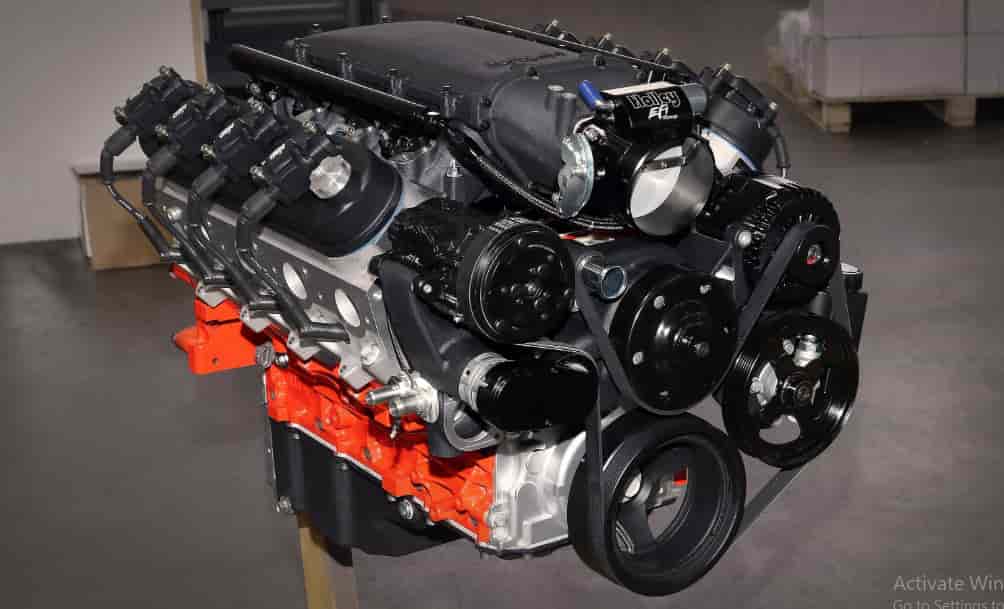
Engine Overview and Position in GM V8 Family
The LZ1 engine belongs to the small block V8 lineup developed by General Motors. It sits inside the LS based engine family and reflects the continued evolution of GM’s push for balance between power, durability, and efficiency.
GM designed the LS platform to replace older small block engines with a more refined architecture. The LZ1 follows this direction. It uses a traditional overhead valve V8 layout, which GM has refined over many decades. This design supports strong low end torque and simple mechanical structure, which improves long term reliability.
The LZ1 engine also fits into a transitional phase of GM engineering. It does not represent the earliest LS generation, but it also does not belong to the newest Gen V architecture. Instead, it sits in a mature stage of LS development where GM optimized both performance and drivability.
Engineers focused on improving thermal stability and combustion efficiency. They adjusted internal components to support smoother power delivery across different RPM ranges. This makes the LZ1 suitable for both daily driving and performance oriented use depending on the vehicle application.
The LS family includes many variants such as LS1 and LS2, but the LZ1 stands out because of its balanced tuning approach. It does not chase extreme horsepower. Instead, it prioritizes consistent torque and predictable response under load.
In the broader GM V8 ecosystem, the LZ1 plays a role as a refined and stable engine option. It supports a wide range of vehicle platforms and maintains the core identity of the LS architecture while improving refinement and usability.
LZ1 Engine Specs Breakdown
The LZ1 Engine Specs focus on a refined V8 setup built by General Motors. This engine belongs to the LS based small block family and follows a traditional V8 layout. GM designed it to deliver stable performance, strong torque, and consistent reliability across different driving conditions.
The LZ1 engine uses a displacement around the large V8 range typical of GM small block designs. It combines a pushrod overhead valve configuration with an aluminum block architecture in most applications. This helps reduce weight while maintaining structural strength.
The engine produces horsepower in a range that supports both performance and comfort focused driving. Instead of chasing extreme peak power, GM tuned it for balanced output. This allows the engine to perform smoothly in daily use while still offering strong acceleration when needed.
Torque output remains one of the strongest characteristics of the LZ1. The engine delivers low end torque early in the RPM range. This improves drivability in city traffic and gives better response under load conditions such as climbing or towing.
The bore and stroke configuration follows GM’s LS design philosophy. It uses a slightly undersquare setup in many variants. This design improves torque delivery and enhances long term engine durability.
Fuel delivery uses electronic fuel injection. This system improves combustion efficiency and helps maintain stable performance across different temperatures and driving environments. The ignition system also supports precise timing control, which improves fuel economy and throttle response.
Compression ratio varies depending on application, but GM optimized it for regular fuel compatibility in most versions. This makes the engine practical for long term ownership without requiring specialized fuel types.
Overall, the LZ1 Engine Specs show a clear focus on balanced engineering. The engine does not aim for extreme performance numbers. Instead, it prioritizes consistent output, mechanical simplicity, and long term reliability.
Performance Analysis
The LZ1 Engine Specs translate into a driving experience that focuses on balance rather than aggressive peak performance. Developed by General Motors, this V8 engine delivers smooth power delivery and predictable behavior across different driving conditions.
In real world use, the LZ1 engine responds quickly at low RPM. It produces strong torque early, which helps the vehicle move easily from a stop. This makes city driving more comfortable because the engine does not need high revs to feel responsive.
On the highway, the engine maintains stable performance at steady speeds. It does not feel stressed during long distance cruising. The power delivery stays linear, which helps reduce fatigue during extended driving sessions. The engine also avoids sudden power spikes, which improves control and drivability.
During acceleration, the LZ1 shows consistent but not extreme performance. It builds speed in a smooth curve rather than an aggressive surge. This behavior reflects GM’s tuning goal of creating a reliable V8 that works well in daily use instead of a track focused setup.
Throttle response is predictable. When the driver presses the pedal, the engine reacts in a controlled way. This improves confidence, especially in heavier vehicles where stability matters more than raw speed.
Dyno based behavior shows that the engine maintains a flat torque curve across a usable RPM range. This means the engine does not rely on high revs to generate usable power. Instead, it focuses on mid range strength where most driving happens.
Compared to high performance LS variants, the LZ1 prioritizes refinement. It sacrifices some peak horsepower in exchange for smoother operation and improved durability. This makes it suitable for long term ownership and varied driving conditions.
Overall, the LZ1 Engine Specs reflect an engine designed for real world usability. It delivers stable performance, strong low end torque, and controlled power delivery without unnecessary complexity.
Vehicle Applications
The LZ1 Engine Specs are not only defined by technical data but also by how the engine is used in real vehicles. General Motors deployed this V8 engine across selected platforms that required a balance of smooth performance, durability, and everyday usability.
The LZ1 engine mainly appears in large passenger vehicles where comfort and long distance driving matter more than extreme performance. GM positioned it in models that use rear wheel drive or full size platforms. This allows the engine to take advantage of its strong low end torque and stable power delivery.
One of the key application areas is in full size sedans and luxury oriented vehicles. In these cars, the engine supports smooth acceleration and quiet operation at cruising speeds. It also handles heavier vehicle weight without losing drivability.
The engine also fits well in utility focused platforms. Its torque output helps with towing capability and load carrying performance. This makes it suitable for vehicles that need both comfort and functional strength.
Within GM’s lineup, the LZ1 is closely associated with vehicles built on established V8 platforms rather than experimental or high performance focused models. It supports consistent performance in real world conditions instead of track oriented use cases.
Engineers selected this engine for vehicles that require long term reliability. The design reduces stress during normal driving and maintains stable operation over time. This makes it a practical choice for owners who prioritize durability and low maintenance concerns.
The LZ1 Engine Specs therefore connect directly to its real world role. Instead of being a niche performance engine, it serves as a dependable power unit for everyday driving applications within the GM ecosystem.
Reliability and Common Issues
The LZ1 Engine Specs are often evaluated not only through performance but also through long term reliability. In this area, the engine built by General Motors shows a strong focus on durability and stable operation under daily driving conditions.
The LZ1 engine benefits from the proven LS based architecture. This design reduces mechanical complexity and improves long term strength. The overhead valve V8 layout also supports fewer moving parts compared to more modern overhead cam engines. This helps lower the risk of major mechanical failure over time.
In normal usage, the engine maintains stable performance with proper maintenance. Oil changes, cooling system care, and routine inspections play a key role in extending its lifespan. When these basic requirements are followed, the engine can deliver consistent operation over many years.
However, like most V8 engines, the LZ1 is not completely free from issues. Some owners may experience oil consumption over time, especially in high mileage units. This usually develops gradually and often relates to wear in internal sealing components.
Cooling system wear can also appear in older engines. Components such as hoses, pumps, and thermostats may require replacement after long use. These issues are not unique to the LZ1 but are common in aging V8 platforms.
Ignition components and sensors may also degrade over time. This can lead to minor performance inconsistencies such as rough idle or reduced fuel efficiency. These problems are typically manageable and do not indicate major engine failure.
Overall, the LZ1 Engine Specs reflect a design focused on long term usability. The engine prioritizes mechanical simplicity and proven engineering principles. While minor issues can appear with age, the core structure remains strong and dependable when properly maintained.
LZ1 vs Other GM Engines
The LZ1 Engine Specs become easier to understand when compared with other engines in the LS family developed by General Motors. This comparison helps highlight where the LZ1 stands in terms of performance, tuning philosophy, and real world usability.
The LS1 engine represents one of the earlier and more performance oriented versions of the LS platform. It focuses on higher RPM power and delivers stronger peak horsepower in many applications. Compared to it, the LZ1 feels more refined and less aggressive. It prioritizes smooth torque delivery instead of maximum top end output.
The LS2 engine moves further into performance territory. It increases displacement efficiency and improves airflow characteristics. This results in higher horsepower potential. However, it also shifts the engine toward a more performance focused driving style. The LZ1 does not follow this direction. Instead, it stays closer to balanced daily usability.
When comparing torque behavior, the LZ1 stands out for its low end response. It delivers usable torque earlier in the RPM range. This makes it more comfortable for city driving and heavy vehicle applications. LS1 and LS2 engines tend to build power more aggressively as RPM increases.
In terms of engineering philosophy, all three engines share the same LS foundation. They use similar small block architecture and overhead valve design. However, GM tuned each engine differently based on intended use. The LZ1 sits in the comfort and reliability focused category.
Fuel efficiency and long term durability also favor the LZ1 in many real world cases. It does not push extreme performance limits, which helps reduce mechanical stress. LS1 and LS2 engines often require more careful maintenance when driven aggressively.
Overall, the LZ1 Engine Specs position the engine as a balanced option within the GM V8 family. It does not aim to outperform LS engines in raw power. Instead, it focuses on consistency, drivability, and long term ownership value.
Conclusion
The LZ1 Engine Specs Explained: Complete Technical Breakdown of GM V8 Performance shows that this engine is built around balance, durability, and real world usability rather than extreme performance figures. Across all technical areas, the engine developed by General Motors demonstrates a clear engineering focus on stable torque delivery, predictable power output, and long term reliability.
From a specification standpoint, the LZ1 engine follows the proven LS based V8 architecture. It uses a simple but effective overhead valve design that supports strong low end performance and reduced mechanical complexity. This structure helps the engine maintain consistent operation even after high mileage usage.
In real driving conditions, the engine performs in a smooth and controlled way. It does not prioritize aggressive acceleration or high RPM power. Instead, it delivers steady performance that works well in city driving, highway cruising, and light load applications. This makes it suitable for drivers who value comfort and reliability over raw speed.
When compared to other GM V8 engines, the LZ1 holds a unique position. It does not compete directly with high performance LS variants like LS1 or LS2. Instead, it focuses on refinement and usability. This design approach makes it a practical choice for long term ownership and everyday driving scenarios.
The LZ1 Engine Specs therefore represent a mature stage of GM V8 engineering. The engine combines proven mechanical design with balanced tuning to deliver dependable performance over time. While it may not be the most powerful engine in the LS family, it remains one of the most consistent and user friendly options in its category.