The LS1 engine changed the way enthusiasts looked at modern American V8 performance. When General Motors introduced this 5.7 liter small block, it brought together lightweight aluminum construction, strong factory horsepower, and exceptional tuning potential in a package that quickly earned legendary status. Even decades later, people still search for LS1 engine specs because this platform remains popular among collectors, builders, tuners, and swap enthusiasts.
Understanding LS1 engine specs goes far beyond memorizing horsepower and torque numbers. Bore and stroke dimensions influence how the engine delivers power. Compression ratio affects efficiency and tuning potential. Cylinder head design, internal components, and factory calibrations all contribute to why the LS1 became one of the most respected performance engines of its era. For buyers considering a used F body Camaro or C5 Corvette, these specifications can also reveal durability strengths and warning signs that many overlook.
One reason the LS1 still commands attention is its balance of performance and affordability. Many enthusiasts want strong V8 power without stepping into expensive modern performance platforms. Others are drawn to LS swaps and want to understand whether an LS1 offers the right foundation. Those decisions often come down to knowing the real specs, not just the advertised factory numbers.
This guide breaks down LS1 engine specs in detail, including horsepower, torque, bore, stroke, compression ratio, internal design, and performance potential. It also covers reliability concerns and how these specifications translate into real world performance. By the end, you will understand not only what the LS1 specs are, but why they still matter today.
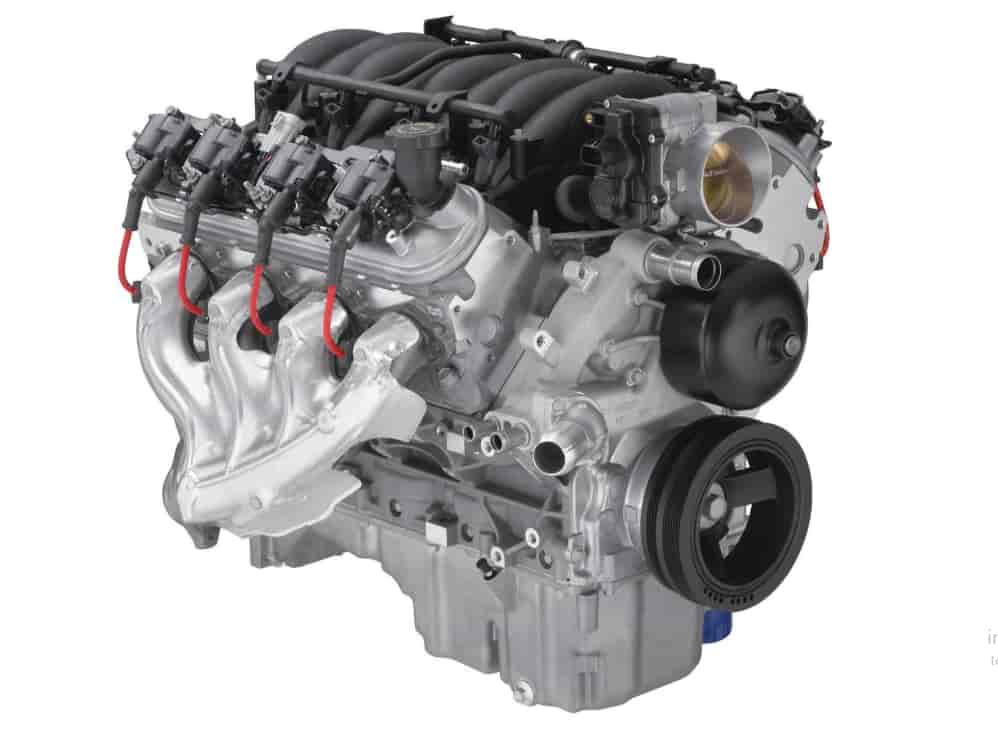
What Is the LS1 Engine?
The LS1 is a 5.7 liter Gen III small block V8 introduced by General Motors for the 1997 model year. It first appeared in the C5 Corvette and quickly expanded into performance icons such as the Chevrolet Camaro Z28, Pontiac Firebird Trans Am, and later the Holden performance lineup. While many enthusiasts refer to every GM performance V8 as an LS engine, the LS1 specifically represents the engine that launched the modern LS era.
What made the LS1 revolutionary was not simply displacement or horsepower. Traditional small block Chevrolet engines had already built a strong reputation, but the LS1 introduced a cleaner-sheet design with major engineering improvements. Its aluminum block helped reduce weight, improving both acceleration and handling. Deep skirt block construction increased rigidity, while six bolt main caps added bottom end strength. These features gave the LS1 durability advantages that made it attractive for both factory performance and aftermarket builds.
Another major factor behind the LS1’s reputation was airflow. Cathedral port cylinder heads delivered impressive breathing capability for a factory engine, allowing the platform to respond well to bolt on modifications. Even in stock form, this contributed to strong horsepower numbers for its time. For tuners, it opened the door to cam upgrades, intake improvements, and forced induction combinations that pushed the engine far beyond factory output.
The LS1 also arrived at a turning point in performance history. Emissions standards were becoming stricter, yet buyers still demanded power. GM responded with an engine that offered both. It produced strong V8 performance while remaining lighter, more efficient, and more advanced than many competitors. That combination helped establish the blueprint for later LS engines such as the LS2 and LS3.
Part of the reason people continue researching LS1 engine specs today is because this engine serves multiple audiences. Collectors want originality. Performance enthusiasts want upgrade potential. Builders want a swap friendly platform with proven aftermarket support. Those needs all start with understanding what makes the LS1 fundamentally different from older small blocks and newer LS variants.
The LS1 is not just another production V8. It is the engine that transformed GM performance and created one of the most influential engine families ever built.
LS1 Engine Specs Overview
To understand why the LS1 became so respected, it helps to begin with the core numbers that define the platform. While enthusiasts often focus on horsepower alone, the real story is found in the engineering specifications behind the engine.
The LS1 has a 5.7 liter displacement, or 346 cubic inches. That displacement comes from a 3.898 inch bore combined with a 3.622 inch stroke. This oversquare design, where bore diameter exceeds stroke length, plays a major role in the engine’s character. It promotes higher rpm capability, efficient airflow, and strong top end performance, all traits that helped the LS1 stand out.
Compression ratio is rated at 10.1:1 in standard LS1 applications. This was an aggressive figure for a mass produced naturally aspirated V8 of its era. It contributed to both power production and efficiency, while also creating a strong foundation for tuning.
The LS1 uses a traditional pushrod overhead valve layout with two valves per cylinder. While some viewed pushrod designs as outdated, the compact architecture kept weight low and packaging efficient. In practice, this became one of the reasons LS engines proved so versatile in swaps and performance applications.
Key LS1 engine specs include:
- Displacement: 5.7 liters or 346 cubic inches
- Bore: 3.898 inches
- Stroke: 3.622 inches
- Compression Ratio: 10.1:1
- Block Material: Aluminum
- Cylinder Heads: Aluminum cathedral port heads
- Valvetrain: OHV 16 valve pushrod design
- Firing Order: 1 8 7 2 6 5 4 3
- Typical Redline: Around 6,000 rpm
These figures may seem straightforward, but each affects performance behavior. Bore and stroke influence power delivery. Compression affects thermal efficiency and tuning headroom. Firing order contributes to balance and combustion characteristics. Even redline tells part of the story, especially when comparing the LS1 to longer stroke engines designed more for low end torque.
One reason buyers and tuners study LS1 engine specs so closely is because these numbers reveal how much performance is available before modifications even begin. They also help determine whether the engine is a better fit for street driving, drag racing, road course use, or swap projects.
In the next section, the focus shifts from technical architecture to what many enthusiasts care about most: stock LS1 horsepower and torque ratings, and why those numbers often spark debate.
LS1 Horsepower and Torque Ratings
One of the biggest reasons enthusiasts continue researching LS1 engine specs is the engine’s factory performance output. Even in stock form, the LS1 delivered numbers that helped redefine affordable V8 performance in its era. However, horsepower and torque figures are often misunderstood because ratings varied by application, model year, and even manufacturer measurement methods.
Early LS1 powered C5 Corvette models were rated at 345 horsepower and 350 lb ft of torque. Later versions increased to 350 horsepower, showing the platform’s development over time. F body applications such as the Camaro Z28 and Pontiac Firebird Trans Am were generally rated at 305 horsepower in early versions, later climbing to 325 horsepower. While those figures appeared lower than Corvette ratings, many enthusiasts argued actual output was often closer than factory numbers suggested.
This difference created one of the most debated topics in LS history. Some believed GM intentionally underrated certain applications for insurance, marketing, or model positioning reasons. Dyno testing over the years often supported that idea, with stock LS1 cars producing rear wheel horsepower figures that implied stronger crank output than official ratings suggested.
Factory LS1 horsepower and torque commonly ranged as follows:
- Corvette C5 LS1
305 to 350 horsepower depending on year
335 to 365 lb ft of torque - Camaro Z28 and Firebird Trans Am LS1
305 to 325 horsepower
335 to 350 lb ft of torque
These numbers may not seem extraordinary by modern standards, but context matters. In the late 1990s and early 2000s, few naturally aspirated V8 platforms offered this level of performance combined with lightweight construction, tuning flexibility, and reliability.
Torque is another reason the LS1 earned such a strong reputation. Peak torque arrived in a broad, usable range, giving the engine strong street manners and impressive acceleration. Rather than feeling peaky or narrow in power delivery, the LS1 produced a wide torque curve that made the car feel responsive throughout the rev range.
Horsepower alone also does not show the full potential of the platform. Many owners discovered simple bolt on upgrades could unlock significant gains. Intake modifications, long tube headers, and ECU tuning often produced results that felt far beyond modest advertised increases. That responsiveness became a major part of the LS1’s appeal.
For buyers, these factory numbers also matter when evaluating used vehicles. A healthy stock LS1 should still reflect much of its original performance when properly maintained. Weak power delivery, excessive oil consumption, or unusual valvetrain noise may point to issues that raw spec sheets cannot reveal.
Understanding horsepower and torque ratings is important, but those numbers come from deeper engineering decisions. To see why the LS1 produces power the way it does, the next step is examining bore and stroke dimensions in greater detail.
LS1 Bore and Stroke Explained
Among all LS1 engine specs, bore and stroke may be the most important for understanding how this engine behaves. They are not just measurements on paper. They shape airflow, rpm capability, torque delivery, and the character of the engine itself.
The LS1 uses a 3.898 inch bore and a 3.622 inch stroke. Because bore diameter is larger than stroke length, the engine is considered oversquare. This design is a major reason the LS1 developed a reputation for rev happy performance and strong breathing capability.
A larger bore allows room for bigger valves and improved airflow through the cylinder heads. That supports efficient combustion and stronger high rpm power. For performance enthusiasts, this is one reason the LS1 responds so well to camshaft upgrades and head modifications.
The relatively short 3.622 inch stroke also contributes to the engine’s character. Shorter stroke designs generally reduce average piston speed at a given rpm. That can improve durability at higher engine speeds and support a broader operating range. In simple terms, it helps explain why the LS1 feels comfortable revving where some longer stroke engines begin to feel strained.
This bore and stroke combination also affects torque behavior. While long stroke engines often emphasize low rpm torque, the LS1 balances strong midrange pull with top end performance. That blend is part of what made the platform so versatile, whether in factory sports cars or modified builds.
For tuners, bore and stroke dimensions matter even more because they influence upgrade strategy. Cam selection, cylinder head flow goals, intake choices, and displacement increases all connect back to these base dimensions. Even stroker builds that transform an LS1 into larger cubic inch combinations begin with understanding the stock architecture.
Another reason these dimensions matter is engine identity. Some buyers focus only on displacement, assuming all 5.7 liter V8 engines behave similarly. In reality, bore and stroke ratios can make two engines with similar displacement feel very different. The LS1’s geometry is a major reason it developed its distinct performance personality.
When people discuss why the LS1 became legendary, they often point to horsepower figures or swap popularity. Much of that reputation actually begins here, with the core dimensions engineered into the block.
Next, we move deeper into the engine by examining internal components and valvetrain specifications that support those performance characteristics.
LS1 Internal Components and Valvetrain Specs
A major reason the LS1 earned long term respect was not just its factory horsepower but the engineering underneath it. Many engines can post strong power numbers, but fewer combine that with internal durability and modification potential. This is where LS1 engine specs become especially important for enthusiasts and builders.
At the heart of the engine is an aluminum deep skirt block that adds rigidity while reducing weight. Compared with older iron small blocks, this was a major advancement. The deep skirt design extends lower around the crankshaft, improving structural strength, while six bolt main caps provide bottom end stability under load. These features helped make the LS1 a stronger foundation than many expected from a production V8.
Inside the block, the LS1 uses a cast nodular iron crankshaft paired with powdered metal connecting rods and hypereutectic pistons. For a factory engine, this combination offered a solid balance of strength, cost efficiency, and performance. It also contributed to why many stock bottom end LS1 builds have survived significant power increases with proper tuning.
Cylinder heads were another breakthrough. The LS1 introduced cathedral port aluminum heads that delivered excellent airflow for their time. Their design became one of the biggest reasons the engine responded so well to modifications. Even today, many enthusiasts still consider factory LS1 heads surprisingly capable.
The valvetrain uses a traditional pushrod overhead valve layout with hydraulic roller lifters. Some once viewed this architecture as old technology compared with overhead cam designs, yet the LS1 proved otherwise. The compact valvetrain reduced overall engine size, lowered weight, and simplified upgrades. That simplicity remains a major reason the platform is so popular.
Factory camshaft specifications were relatively conservative, designed to balance emissions compliance, drivability, and reliability. For many owners, this also became an opportunity. Mild cam upgrades often unlock dramatic performance improvements because the rest of the engine already supports more airflow than the stock cam fully exploits.
Key internal component highlights include:
- Aluminum deep skirt block construction
- Six bolt main caps for added strength
- Cast nodular iron crankshaft
- Powdered metal connecting rods
- Hypereutectic pistons
- Cathedral port aluminum cylinder heads
- Hydraulic roller lifter valvetrain
- Pushrod OHV configuration
These components explain much of the LS1’s dual reputation for reliability and tunability. They also reveal why the engine became a favorite for naturally aspirated builds, turbo setups, and supercharged applications.
For buyers looking at used LS1 vehicles, understanding these internal specs also helps identify value. A well maintained stock bottom end can be a strong starting point, while heavily modified examples may require closer inspection depending on tuning quality and intended power levels.
The internal design lays the foundation, but compression ratio plays an equally important role in how the engine turns that hardware into performance. That is where the next section focuses.
LS1 Compression Ratio and Performance Potential
Compression ratio is one of the most influential LS1 engine specs, yet it is often overlooked compared with horsepower or displacement. In reality, it affects power output, efficiency, fuel requirements, and how the engine responds to modifications.
The LS1 came with a factory compression ratio of 10.1:1, an aggressive figure for a production naturally aspirated V8 during its time. This helped the engine generate strong power while maintaining street manners and reasonable reliability.
Higher compression improves thermal efficiency by extracting more energy from the air fuel mixture during combustion. In practical terms, that contributes to stronger power production and sharper throttle response. It is one reason the LS1 delivered impressive performance even before modifications.
This compression ratio also gave the engine strong naturally aspirated tuning potential. With supporting upgrades such as camshafts, cylinder head work, and proper calibration, the platform could produce significant gains without opening the bottom end. Many enthusiasts discovered the LS1 was capable of much more than factory numbers suggested.
Compression ratio also influences forced induction planning. This is where some buyers and builders face a common concern. Higher compression can raise sensitivity to detonation under boost if tuning is poor. However, many well built LS1 turbo and supercharged combinations have proven the stock compression ratio can work effectively with the right setup.
This is where the LS1 earned part of its legendary status. It offered enough compression to support strong naturally aspirated performance while still leaving room for serious boosted builds when managed correctly.
Performance potential often becomes a major reason people study LS1 engine specs before purchasing one. Common questions include how much power a stock bottom end can support and whether the factory internals limit future upgrades. While exact numbers vary by tune, fuel quality, and build quality, the platform has repeatedly shown impressive headroom.
Another reason compression matters is drivability. Some highly aggressive performance engines sacrifice everyday usability, but the LS1 maintained a balance many enthusiasts still appreciate. That blend of power and practicality helped keep the platform relevant long after production ended.
Understanding performance potential also means understanding limits. That leads naturally into an equally important topic for buyers and builders, the common reliability issues and known weaknesses every LS1 owner should know.
Common LS1 Problems and Reliability
One reason the LS1 continues to hold value is its reputation for durability. Many examples have accumulated high mileage while remaining mechanically strong, which says a great deal about the platform. Still, no engine is without weaknesses, and understanding common issues is just as important as knowing LS1 engine specs.
One of the most discussed concerns is piston slap. Early LS engines developed a reputation for cold start piston noise, often creating anxiety among owners. In many cases, this noise was more of an annoyance than a catastrophic failure indicator. However, buyers should still distinguish harmless startup noise from signs of deeper wear.
Oil consumption is another issue that appears in some LS1 engines, particularly higher mileage examples. This can stem from ring wear, PCV related issues, or general age. Excessive oil usage may not immediately mean an engine is failing, but it can signal maintenance needs that affect long term ownership costs.
Rear main seal leaks also show up in some LS1 applications. While not unique to this engine, they are common enough to deserve attention when inspecting a used vehicle. Small leaks can be manageable, but neglected seals may lead to more extensive service.
Valvetrain related concerns can appear as well. Hydraulic lifter wear, pushrod issues, or aging valve springs may affect performance over time, especially in modified engines. Because many LS1 cars have seen performance upgrades, buyers should evaluate whether modifications were professionally executed or simply pushed beyond safe limits.
Common LS1 issues enthusiasts often watch for include:
- Cold start piston slap
- Oil consumption concerns
- Rear main seal leaks
- Aging valve springs
- Hydraulic lifter wear
- Knock sensor moisture issues in some setups
Despite these concerns, reliability is still one of the LS1’s biggest strengths. Properly maintained examples often deliver excellent longevity. The key is separating internet myths from genuine problem areas. Some issues have been exaggerated over the years, while others are worth serious attention during a purchase inspection.
For buyers, this is where specs alone do not tell the full story. Compression ratio, horsepower, and block strength matter, but maintenance history often matters more. Service records, oil pressure behavior, startup condition, and tuning quality can reveal far more about an engine’s condition than mileage alone.
Pain points for many enthusiasts often center around buying a used performance car and discovering hidden repair costs later. That is exactly why reliability belongs in any serious discussion of LS1 engine specs.
For many owners, reliability is only part of the appeal. The other side of the equation is how much more performance the platform can deliver. That leads directly into upgrades.
LS1 Performance Upgrades
Few production V8 engines built their reputation around aftermarket support the way the LS1 did. A major reason enthusiasts still pursue this platform is not just the factory specs, but how easily those specs can be expanded through modifications.
One of the most popular upgrades is a camshaft swap. Because the factory cam is relatively conservative, upgrading it often transforms the engine’s character. Gains in horsepower, torque, and throttle response can be dramatic, which is why cam packages became almost synonymous with LS performance culture.
Long tube headers are another common modification. Improved exhaust flow helps unlock power already restricted by factory components. Combined with tuning, this often delivers noticeable gains while improving engine responsiveness.
Cold air intake systems and intake manifold upgrades also remain popular. While some intake upgrades offer modest results alone, they often become more effective as part of a broader combination.
ECU tuning may be the single most underestimated upgrade. Proper tuning can optimize fueling, ignition timing, and drivability while extracting more from existing hardware. Many enthusiasts consider tuning essential after major bolt ons.
Popular LS1 upgrade paths often include:
- Camshaft upgrades
- Long tube headers
- Cold air intake improvements
- ECU tuning
- Cylinder head upgrades
- Intake manifold modifications
One reason the LS1 became so respected is that these upgrades often stack well together. Instead of isolated gains, they frequently produce stronger combined results. That makes the platform rewarding for both entry level builders and experienced tuners.
Another major attraction is stock bottom end capability. Many enthusiasts have pushed factory internals far beyond stock power levels with proper tuning. That does not mean limits do not exist, but it explains why the LS1 remains attractive as a performance foundation.
Pain points often emerge here as well. New builders sometimes chase peak horsepower numbers while ignoring supporting modifications, fuel delivery, or tuning quality. That approach can turn a reliable platform into an expensive problem. Understanding upgrade balance matters as much as selecting parts.
At some point many enthusiasts begin comparing whether upgrading an LS1 makes more sense than moving to newer LS variants. That brings us naturally to the next major question, how the LS1 compares with the LS2 and LS3.
LS1 vs LS2 vs LS3 Specs Comparison
Comparing these engines is one of the most common follow up searches after reviewing LS1 engine specs. While all belong to the same broader family, each has important differences in displacement, airflow, power output, and upgrade potential.
The LS1 uses 5.7 liters of displacement and helped establish the modern LS foundation. The LS2 expanded displacement to 6.0 liters and introduced improvements in airflow and output. The LS3 pushed even further at 6.2 liters with stronger factory performance and highly regarded cylinder heads.
A simplified comparison looks like this:
LS1
5.7 liters
305 to 350 horsepower
335 to 365 lb ft torque
10.1:1 compression
LS2
6.0 liters
400 horsepower
400 lb ft torque
10.9:1 compression
LS3
6.2 liters
430 plus horsepower
420 plus lb ft torque
10.7:1 compression
The LS1 often appeals to builders focused on affordability, lightweight packaging, and huge aftermarket support. The LS2 adds displacement and factory power. The LS3 tends to attract those seeking stronger stock airflow and higher performance potential from the start.
However, newer does not always mean better for every use case. Many enthusiasts still choose LS1 platforms because entry costs can be lower, aftermarket parts remain extensive, and the engine responds exceptionally well to upgrades.
This comparison also reinforces an important point. Understanding LS1 engine specs is not just about isolated numbers. It is about seeing where the engine fits in the broader evolution of GM performance V8 design.
The final question many readers ask is whether the LS1 still makes sense today. That is where we conclude.
Is the LS1 Still Worth It Today?
For many enthusiasts, the answer is yes.
The LS1 remains one of the best value performance V8 platforms available. It offers proven reliability, strong factory specs, massive aftermarket support, and real tuning potential without requiring modern performance car budgets.
For buyers seeking a classic performance car, an engine swap candidate, or a project platform, the LS1 still makes a compelling case. Its reputation was not built on nostalgia alone. It was built on engineering that continues to hold up.
Modern engines may offer higher factory power, but the LS1 still delivers a balance of simplicity, affordability, and performance that many newer platforms struggle to match.
Conclusion
LS1 engine specs tell the story of far more than a 5.7 liter V8. They reveal why this engine became a turning point in American performance. From horsepower and torque to bore, stroke, compression ratio, and internal design, each specification contributes to a platform that remains relevant decades after its debut.
Part of the LS1’s appeal is that the numbers support real world results. Strong factory output, durable architecture, upgrade flexibility, and long term reliability all help explain why enthusiasts continue building around this engine.
Whether you are evaluating a used performance car, planning an LS swap, or comparing engine platforms, understanding these specs gives you a far stronger foundation for making the right decision.
The LS1 may have launched years ago, but its influence is still very much alive.