The L76 engine is one of the most notable 6.0 liter V8 powertrains developed by General Motors within the Gen IV small block family. It has earned attention from enthusiasts and engineers because it combines strong displacement based torque with modern fuel management technology designed to improve efficiency without fully sacrificing performance.
When people search for L76 engine specs, they are usually trying to understand more than just basic numbers. They want to know how much power the engine produces, how it behaves in real driving conditions, how reliable it is over time, and how it compares to other engines in the same GM lineup. This makes the L76 an important subject not only for technical analysis but also for practical ownership decisions.
What makes this engine especially interesting is its balance between traditional V8 strength and newer efficiency focused systems like Active Fuel Management. This system allows the engine to operate on fewer cylinders during light load conditions, which can improve fuel consumption in specific driving scenarios. However, this also introduces complexity that affects long term durability and maintenance expectations.
In this article, we will break down the full L76 engine specs in detail, including performance output, internal design characteristics, real world behavior, common issues, and its place within the broader GM engine ecosystem. The goal is to provide a complete and practical understanding of the engine so that readers can evaluate it from both a technical and ownership perspective.
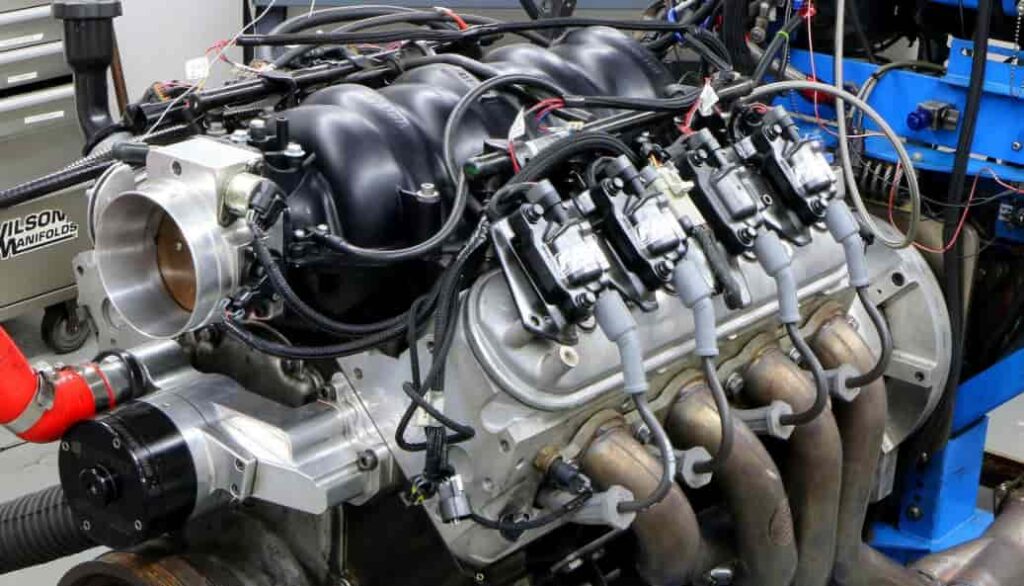
What Is the L76 Engine
The L76 engine is a 6.0 liter V8 from General Motors. It belongs to the Gen IV small block family. GM designed it for a mix of performance and efficiency. The engine shares its foundation with the LS engine family, which is known for durability and strong torque.
The L76 uses a pushrod V8 layout. This design keeps the valvetrain simple. It also helps produce strong low end torque. Many drivers prefer this setup because it delivers power early and feels responsive in normal driving.
GM built the L76 with an aluminum block in many applications. This reduces engine weight. It also helps improve heat control during operation. The lighter structure supports better vehicle balance and efficiency.
A key feature of the L76 is Active Fuel Management. This system shuts down four cylinders during light load driving. The engine switches between V8 and V4 mode automatically. It improves fuel economy during cruising conditions. When the driver demands power, all eight cylinders activate again without delay.
GM created the L76 to meet different needs. It works in both performance cars and utility vehicles. The engine delivers strong towing ability. It also supports smooth highway driving with reduced fuel use when conditions allow.
The L76 represents an important step in GM engine development. It combines traditional V8 strength with early efficiency technology. This makes it a useful reference point when studying modern GM powertrains.
L76 Engine Specs Overview
The L76 engine is a 6.0 liter V8 designed by General Motors. It sits in the Gen IV small block family. The engine focuses on torque, durability, and balanced efficiency.
The displacement measures 5967 cc. This gives the engine strong low end power. It supports heavy vehicles and performance oriented sedans. The V8 configuration uses a 90 degree layout. This design improves balance and smooth operation.
The L76 uses a pushrod OHV valvetrain. This setup keeps the engine compact. It also reduces mechanical complexity. Many GM LS based engines use the same architecture.
The engine produces around 348 to 361 horsepower depending on the application. Torque output reaches about 510 to 530 Nm. These numbers vary slightly by tuning and vehicle setup. The engine delivers most of its torque at low and mid RPM ranges.
The compression ratio sits around 10.4 to 1. This helps improve combustion efficiency. It also supports strong throttle response. The fuel system uses sequential fuel injection. This system improves fuel delivery accuracy and stability.
Active Fuel Management is included in most L76 versions. The system disables four cylinders during light load driving. It reduces fuel consumption on highways. The engine returns to full V8 mode instantly when power is needed.
The L76 engine runs on regular unleaded fuel in most applications. It supports a wide range of GM vehicles. These include sedans and utility focused platforms. The engine design prioritizes flexibility across different driving conditions.
Overall, the L76 specs show a strong balance between performance and efficiency. The engine delivers reliable V8 power while maintaining modern fuel saving capability.
L76 Engine Performance Characteristics
The L76 engine delivers strong real world performance. It focuses on low end torque and smooth power delivery. This makes it suitable for both city driving and highway use.
The engine responds quickly at low RPM. Drivers feel strong initial acceleration without needing high revs. This behavior comes from its large 6.0 liter displacement. It produces torque early and maintains it across a wide range.
In normal driving conditions, the L76 feels stable and predictable. The throttle response is smooth. Power builds in a linear way. This improves comfort during daily use and long distance travel.
On highways, the engine performs efficiently when Active Fuel Management is active. It switches to four cylinder mode during light load cruising. This reduces fuel use without affecting drivability. When acceleration is needed, the engine instantly returns to full V8 power.
Under load, the L76 shows strong pulling capability. It handles towing and heavy vehicle weight with ease. The torque output supports steady acceleration even when the vehicle is fully loaded.
The engine also maintains good mid range performance. This range is where most real driving happens. The L76 feels strong and consistent during overtaking or merging situations.
Overall, the L76 engine focuses on usable performance rather than high RPM power. It delivers strength where drivers need it most. This makes it a practical V8 for both performance and utility applications.
Active Fuel Management System (AFM)
The Active Fuel Management system is one of the most important technologies inside the L76 engine. GM designed it to improve fuel efficiency without removing the benefits of a V8 layout. It allows the engine to operate in both eight cylinder and four cylinder modes depending on driving conditions.
When the engine runs under light load, the AFM system deactivates four cylinders. The engine then operates using only half of its cylinders. This reduces fuel consumption during steady cruising or low demand driving. The transition happens automatically and does not require driver input.
When the driver applies more throttle, the system immediately reactivates all eight cylinders. The change is quick and smooth. The engine returns to full V8 power without noticeable delay in normal conditions.
This system improves highway fuel economy. It reduces fuel use during long distance travel. In city driving, the benefit is smaller because load changes happen more frequently.
The AFM system also adds mechanical complexity. It uses special lifters and control components to manage cylinder activation. This complexity can increase long term maintenance requirements. Some engines experience wear related issues in these components over time.
From a performance perspective, AFM does not limit full power output. The L76 still delivers full torque and horsepower when all cylinders are active. However, some drivers notice subtle vibration changes when the engine switches modes.
Overall, Active Fuel Management gives the L76 engine a balance between efficiency and performance. It helps reduce fuel consumption in real conditions while keeping the V8 capability intact when needed.
Vehicles That Use the L76 Engine
The L76 engine was used across several General Motors platforms. GM installed it in both performance oriented sedans and utility focused vehicles. This shows how flexible the engine design is.
One of the most well known applications is the Pontiac G8. In this model, the L76 delivers strong V8 performance with rear wheel drive dynamics. It supports quick acceleration and stable highway cruising.
The engine also appeared in the Holden Commodore lineup in Australia. These vehicles used the L76 for both daily driving and performance variants. The engine matched well with large sedan platforms that required strong torque.
GM also used the L76 in certain Chevrolet models depending on market and configuration. These vehicles focused more on balanced performance and comfort rather than pure sport tuning.
In utility applications, the L76 supported heavier vehicles that needed towing capability. Its strong low end torque made it suitable for carrying loads and handling demanding driving conditions.
Across all applications, the L76 engine kept the same core identity. It delivered V8 power with a focus on usability. It worked well in both performance sedans and practical transport vehicles.
This wide usage range shows that GM designed the L76 as a flexible engine platform. It was not limited to one category of vehicle. Instead, it adapted to different driving needs while maintaining consistent performance characteristics.
L76 Engine Reliability and Common Issues
The L76 engine is generally considered a durable V8. It shares its foundation with the GM LS engine family, which has a strong reputation for long service life. However, real world reliability depends heavily on maintenance and driving conditions.
One of the most discussed issues is related to the Active Fuel Management system. The AFM lifters can wear over time. When this happens, the engine may develop ticking noise or misfire symptoms. In some cases, repairs require partial engine disassembly.
Oil consumption can also appear in some L76 engines. This issue often relates to valve seals or AFM related components. Regular oil checks help reduce the risk of long term damage. Using correct oil grades also improves engine stability.
The L76 performs well when it receives consistent maintenance. Regular oil changes play a key role in extending engine life. Ignoring service intervals increases the risk of internal wear, especially in AFM equipped versions.
Cooling system health also matters. The engine generates heat under load due to its V8 configuration. A well maintained cooling system helps prevent overheating and protects internal components.
Despite these issues, many L76 engines reach high mileage without major failures. The core engine design remains strong. Most serious problems come from peripheral systems rather than the block itself.
Overall, the L76 engine offers good reliability for a performance oriented V8. It requires proper maintenance to avoid known AFM related issues. With care, it can deliver long service life and stable performance.
L76 Engine vs Other GM V8 Engines
The L76 engine is often compared with other GM V8 engines like the LS2 and LS3. These engines share the same LS based architecture but differ in performance, efficiency, and internal design choices.
The LS2 engine is an earlier 6.0 liter V8. It does not use Active Fuel Management. This makes it simpler in design. The LS2 often delivers more consistent mechanical behavior, but it lacks modern fuel saving features.
The LS3 engine is a more performance focused 6.2 liter V8. It produces higher horsepower than the L76. It also uses improved airflow design and stronger top end power. However, it does not focus on fuel efficiency like the L76.
The L76 sits between these two engines. It offers similar displacement to the LS2 but adds AFM for fuel efficiency. It does not match LS3 power output, but it delivers better fuel economy in real driving conditions.
In terms of torque, all three engines perform strongly. The L76 produces strong low and mid range torque similar to LS2. The LS3 shifts more power toward higher RPM performance.
From a reliability perspective, the LS2 has fewer electronic systems. The LS3 and L76 include more advanced technology. The L76 has AFM components that can introduce additional maintenance considerations.
For tuning potential, all three engines respond well to modifications. The LS3 offers the highest performance ceiling. The L76 can still achieve strong gains, but AFM may require modification or deletion for serious builds.
Overall, the L76 is a balanced option. It does not focus purely on performance like the LS3. It also adds efficiency features that the LS2 does not have. This makes it a middle ground choice in the GM V8 lineup.
Conclusion
The L76 engine stands out as a balanced 6.0 liter V8 in the GM Gen IV lineup. It combines traditional LS based performance with modern fuel efficiency technology. This combination makes it different from earlier engines like the LS2 and more efficiency focused than pure performance engines like the LS3.
In terms of specifications, the L76 delivers strong torque and solid horsepower output. It performs well in real driving conditions, especially at low and mid RPM ranges. This makes it suitable for daily driving, highway cruising, and towing applications.
The inclusion of Active Fuel Management improves fuel economy during light load conditions. This system helps reduce consumption without removing full V8 capability. However, it also introduces additional mechanical complexity that can affect long term maintenance needs.
From a reliability perspective, the L76 performs well when properly maintained. Most issues are linked to AFM components rather than the core engine design. Regular servicing and correct oil usage significantly improve engine lifespan.
When compared to other GM V8 engines, the L76 sits in a middle position. It does not match the LS3 in peak performance. It is more advanced than the LS2 in efficiency technology. This makes it a practical choice for drivers who want a mix of power and fuel savings.
Overall, the L76 engine is a versatile V8 that delivers strong real world usability. It remains relevant for both enthusiasts and practical users who value a combination of performance and efficiency.