Why do some GM engines fail unexpectedly even when the mileage seems relatively low? This question has frustrated thousands of truck and SUV owners over the past decade. The answer often leads back to one specific technology: Active Fuel Management.
Introduced by General Motors in the mid 2000s, Active Fuel Management was designed to improve fuel efficiency by deactivating certain engine cylinders under light load conditions. On paper, this innovation sounded like a perfect balance between power and efficiency. In reality, however, the story is far more complex.
Many drivers have reported serious issues such as lifter failure, excessive oil consumption, and even complete engine damage. These problems are not random. They are closely tied to specific GM Active Fuel Management years, engine types, and vehicle models.
This is exactly why understanding GM Active Fuel Management years is critical before buying a used GM truck or SUV. In this comprehensive guide, you will discover the full timeline of AFM development from 2005 to 2025, the most problematic years to avoid, and the best models that offer reliability without hidden risks.
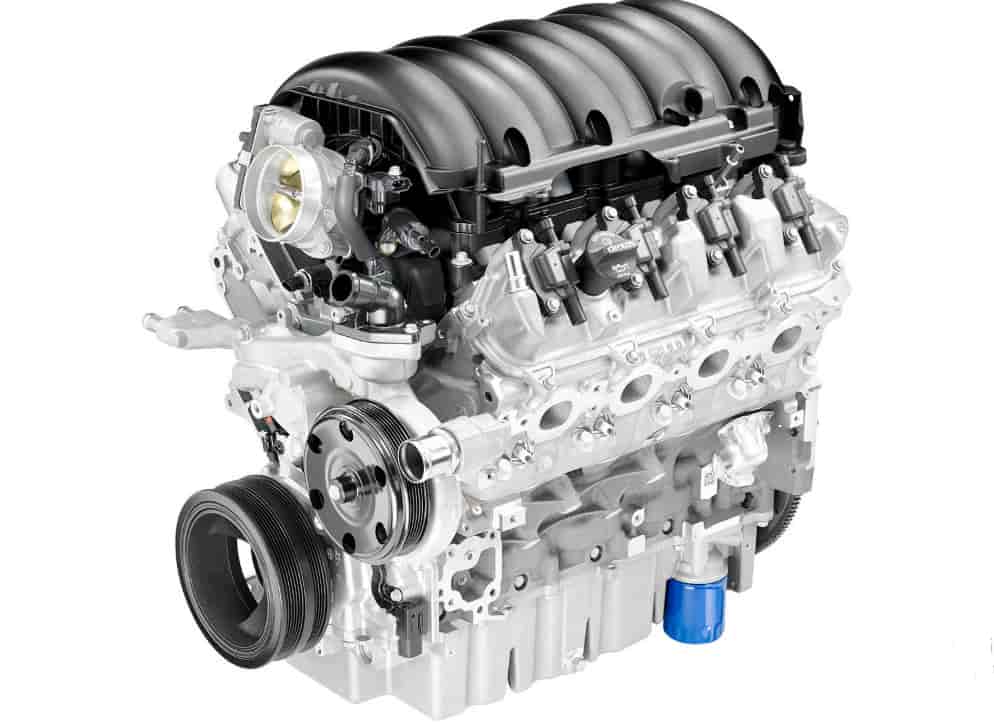
Full Timeline of GM Active Fuel Management Years (2005–2025)
Active Fuel Management did not become widespread overnight. Its evolution reflects General Motors’ ongoing effort to balance fuel efficiency, emissions regulations, and engine performance. Understanding this timeline is essential if you want to identify which GM Active Fuel Management years are reliable and which ones carry higher risks.
Early Introduction Phase (2005–2009)
Active Fuel Management first appeared around 2005 in GM’s Gen IV V8 engines, particularly the 5.3L and 6.0L variants. During this period, the technology was primarily introduced in full size SUVs and trucks such as the Chevrolet Tahoe and GMC Yukon.
At its core, AFM worked by deactivating four cylinders during light driving conditions, effectively turning a V8 engine into a V4. This helped improve fuel economy, especially on highways. However, the early implementation lacked refinement. Oil management systems were not optimized, and the lifter design was still in its early stages.
As a result, some of the earliest GM Active Fuel Management years already showed warning signs. While not every engine failed, this phase laid the foundation for issues that would become more visible in later years.
Expansion Phase (2010–2014)
Between 2010 and 2014, General Motors expanded AFM across a wider range of vehicles. This included popular models like the Chevrolet Silverado, GMC Sierra, and Chevrolet Suburban. The system became more standardized, especially in 5.3L V8 engines, which were widely used across GM’s truck lineup.
During this phase, AFM improved in terms of smoothness and fuel efficiency. Drivers experienced better transitions between cylinder modes, and the system became less noticeable during everyday driving. On the surface, this looked like a successful evolution.
However, underlying mechanical vulnerabilities remained. Oil consumption issues began to appear more frequently, and some engines showed early signs of lifter wear. These problems were not always immediate, which made them harder for buyers to detect during short term ownership.
Peak Problem Years (2014–2018)
The period from 2014 to 2018 is widely considered the most problematic among all GM Active Fuel Management years. This is when reports of serious engine failures increased significantly, especially in trucks equipped with the 5.3L V8 engine.
One of the most critical issues was lifter collapse. When AFM lifters failed, they could damage the camshaft and lead to complete engine breakdown. In many cases, repairs were expensive and required major engine work.
At the same time, excessive oil consumption became a widespread complaint. Drivers often had to add oil frequently between service intervals, which increased maintenance costs and long term wear.
This period represents a key turning point. It is also the reason why many buyers specifically search for which GM Active Fuel Management years to avoid before purchasing a used vehicle.
Transition to Dynamic Fuel Management (2019–Present)
Starting around 2019, General Motors introduced a more advanced system known as Dynamic Fuel Management. Unlike AFM, which switches between fixed cylinder patterns, DFM can deactivate different cylinders in real time depending on driving conditions.
This transition marked a major improvement in both performance and reliability. The system became more flexible, smoother, and less prone to the mechanical stress associated with earlier AFM designs.
While AFM is still present in some engines, newer GM vehicles increasingly rely on DFM technology. For buyers, this shift is important because it represents a safer choice when evaluating modern GM Active Fuel Management years.
Common Problems with GM Active Fuel Management by Year
When analyzing GM Active Fuel Management years, the most important factor for buyers is not just the timeline but the real world reliability issues tied to specific periods. Among all known problems, lifter failure stands out as the most critical and costly. The AFM system relies on specialized lifters that activate and deactivate cylinders, but over time these components can collapse or fail completely. Once this happens, the engine may develop misfires, ticking noises, and reduced performance, and in severe cases, the camshaft can be damaged, leading to expensive repairs or even full engine replacement. This issue is especially common in GM Active Fuel Management years between 2014 and 2018, which are widely considered the most problematic.
Another major concern is excessive oil consumption, a problem that became increasingly noticeable from 2010 onward. The design of AFM can allow oil to enter the combustion chamber during cylinder deactivation, causing drivers to add oil frequently between service intervals. Over time, this not only increases maintenance costs but also accelerates engine wear. In many cases, oil consumption and lifter failure are closely connected, creating a chain reaction that leads to camshaft wear and long term reliability issues. While earlier years from 2005 to 2009 showed initial instability and later models after 2019 improved with newer technology, the middle period remains the highest risk zone for anyone evaluating GM Active Fuel Management years before making a purchase decision.
Best Models to Buy Based on GM Active Fuel Management Years
Choosing the right vehicle based on GM Active Fuel Management years can help buyers avoid costly engine problems while still enjoying strong performance and fuel efficiency. The safest choice is to focus on models produced after 2019, when General Motors introduced Dynamic Fuel Management. Vehicles such as the Chevrolet Silverado, GMC Sierra, and Chevrolet Tahoe from this period feature improved cylinder control systems, smoother operation, and better long term reliability. These models provide a balanced driving experience without the mechanical weaknesses common in older AFM engines.
Buyers should approach models from 2014 to 2018 with caution. During these years, many vehicles experienced lifter failures, excessive oil consumption, and accelerated engine wear, especially those with the 5.3L V8 engine. While these models often cost less on the used market, repair expenses can quickly exceed the initial savings. Vehicles from 2005 to 2013 offer slightly better reliability than the peak problem years, but they still carry risks due to less refined AFM technology.
Drivers who prioritize durability and performance often prefer the 6.2L V8 engine, which tends to handle AFM stress better than the 5.3L variant. Regular maintenance remains essential for all engines, but selecting the right model year can reduce the likelihood of major repairs. Understanding GM Active Fuel Management years allows buyers to make informed decisions, avoid high risk vehicles, and choose models that provide better long term value and peace of mind.
Conclusion
Understanding GM Active Fuel Management years is essential for anyone considering a used GM truck or SUV. Vehicles produced between 2014 and 2018 carry the highest risk of lifter failures, excessive oil consumption, and camshaft wear. Choosing these models can result in expensive repairs and ongoing maintenance challenges. On the other hand, early AFM models from 2005 to 2013 show moderate reliability, while newer vehicles from 2019 onward benefit from Dynamic Fuel Management, offering improved cylinder control, smoother operation, and longer engine life.
Buyers who focus on reliable engine options, such as the 6.2L V8, and pay attention to maintenance history can significantly reduce the risk of costly problems. Checking the engine type, production year, and maintenance records provides a practical framework to make informed decisions. By understanding the evolution of GM Active Fuel Management, drivers can avoid high-risk vehicles, select the best models for long term value, and enjoy both performance and fuel efficiency.
Ultimately, knowing which GM Active Fuel Management years to prioritize or avoid empowers buyers to make confident choices. It helps protect investments and ensures a smoother ownership experience without unexpected engine issues. Always research the vehicle thoroughly and consider professional inspections before purchase to maximize reliability and satisfaction.