When shopping for a vehicle, reliability is often the deciding factor. After all, no one wants to spend their hard-earned money on a car that constantly breaks down, requires expensive repairs, or leaves them stranded unexpectedly. Whether you’re considering a brand-new model or browsing the used car market, understanding a vehicle’s long-term dependability is essential before making a purchase.
The Toyota Corolla has built one of the strongest reputations in the automotive industry for reliability. For decades, it has been recognized as a practical, fuel-efficient, and low-maintenance compact sedan that appeals to commuters, students, families, and first-time car buyers alike. In fact, many Corolla owners report driving their vehicles well beyond 200,000 miles with proper maintenance, making it one of the most trusted nameplates on the road.
However, many buyers still ask an important question: Are Toyota Corollas reliable enough to justify their reputation? While the Corolla is widely praised for durability, every vehicle has strengths and weaknesses that potential owners should understand before making a decision.
In this complete ownership guide, we’ll examine Toyota Corolla reliability ratings, expected lifespan, common problems, maintenance costs, best and worst model years, and what you can realistically expect from long-term ownership. By the end, you’ll have a clear understanding of whether the Toyota Corolla is the right vehicle for your needs and budget.
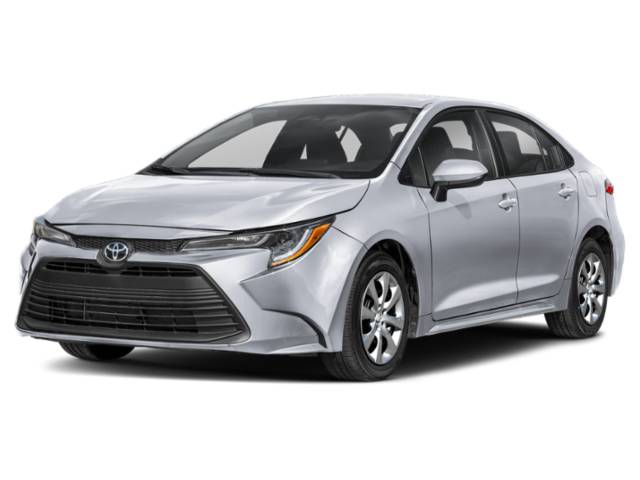
Toyota Corolla Reliability at a Glance
The Toyota Corolla has consistently earned a reputation as one of the most reliable compact cars available. Over several decades and multiple generations, it has become a benchmark for dependability, attracting millions of drivers worldwide who prioritize long term ownership and low operating costs.
One of the main reasons the Corolla stands out is its ability to deliver reliable performance year after year with minimal unexpected repairs. Independent reliability studies and owner surveys frequently rank the Corolla among the top vehicles in its segment. Many owners report driving their vehicles for more than 200,000 miles while experiencing only routine maintenance expenses.
Reliability is about more than simply avoiding breakdowns. A dependable vehicle reduces stress, lowers repair costs, improves resale value, and provides confidence during daily commutes or long road trips. The Corolla excels in all of these areas, making it a favorite among budget conscious drivers and families seeking practical transportation.
Another factor contributing to its reliability reputation is Toyota’s commitment to continuous improvement. Instead of introducing radical design changes with every new generation, Toyota often focuses on refining proven components and systems. This conservative engineering approach helps reduce the risk of widespread mechanical problems and contributes to the Corolla’s long standing record of dependability.
For buyers seeking a vehicle that offers peace of mind, low ownership costs, and proven durability, the Toyota Corolla remains one of the strongest choices in the compact car market.
Why Toyota Corollas Are Known for Reliability
Toyota’s reputation for reliability did not happen by accident. The company has spent decades developing manufacturing processes and engineering standards designed to maximize durability and minimize failures. The Corolla is perhaps the best example of this philosophy in action.
One key reason for the Corolla’s reliability is its proven engineering. Toyota often avoids adopting new technologies until they have been thoroughly tested and refined. While some competitors rush to introduce cutting edge features, Toyota typically prioritizes long term durability and real world performance. This strategy may not always generate headlines, but it helps prevent many of the issues associated with untested technology.
The Corolla’s powertrain also plays a significant role in its dependability. Toyota engines are known for their robust construction and efficient design. When maintained properly, many Corolla engines continue running smoothly for hundreds of thousands of miles. The transmissions used throughout various Corolla generations have generally demonstrated strong durability as well, contributing to lower ownership costs over time.
Another advantage is Toyota’s manufacturing quality. The company’s production system emphasizes consistency, precision, and quality control throughout the assembly process. As a result, Corollas often leave the factory with fewer defects and maintain their reliability throughout their lifespan.
The widespread availability of replacement parts further enhances ownership. Because the Corolla is one of the best selling vehicles in the world, parts are readily available and affordable. Most repair shops are familiar with the vehicle, which helps keep labor costs reasonable and reduces repair wait times.
How Long Does a Toyota Corolla Last?
One of the most impressive aspects of Toyota Corolla ownership is the vehicle’s longevity. With proper maintenance, a Corolla can remain reliable for many years and accumulate significantly higher mileage than many competing compact cars.
Most experts agree that a well maintained Toyota Corolla can easily reach 200,000 miles. Many owners report surpassing 250,000 miles, while some exceptional examples have exceeded 300,000 miles without requiring major engine or transmission replacements. This remarkable lifespan is one of the primary reasons buyers continue to trust the Corolla generation after generation.
Reaching these mileage milestones depends heavily on maintenance practices. Regular oil changes, timely fluid replacements, brake inspections, and scheduled servicing all contribute to extending the vehicle’s lifespan. Drivers who ignore routine maintenance may experience reduced reliability and higher repair costs as the vehicle ages.
Driving habits also influence longevity. Consistent highway driving typically places less stress on the engine and transmission compared to frequent stop and go city traffic. Climate conditions, road quality, and storage practices can also affect how well a Corolla ages over time.
At 100,000 miles, most Corollas are still considered relatively young and often require only routine maintenance. By 200,000 miles, some wear items such as suspension components, water pumps, and belts may need replacement. Beyond 300,000 miles, continued reliability depends largely on the quality of previous maintenance and the overall condition of the vehicle.
For drivers seeking a car that can provide dependable transportation for a decade or more, few vehicles have a track record as impressive as the Toyota Corolla.
Common Toyota Corolla Problems Owners Should Know
Although the Toyota Corolla is widely regarded as one of the most reliable vehicles on the market, no car is completely free from mechanical issues. Understanding the most commonly reported problems can help current and future owners prepare for potential repairs and make informed purchasing decisions.
One issue that has affected certain older Corolla models is excessive oil consumption. Some vehicles, particularly those produced during specific model years in the late 2000s and early 2010s, were reported to burn oil at a higher rate than expected. Owners who fail to monitor oil levels regularly may risk engine damage over time. Fortunately, routine inspections and timely maintenance can help prevent serious complications.
Another concern involves Continuously Variable Transmissions found in some newer Corolla models. While Toyota’s CVT systems are generally considered more reliable than many competitors, a small number of owners have reported hesitation, unusual noises, or reduced responsiveness. Regular transmission fluid maintenance and prompt attention to warning signs can help extend transmission life.
Water pump failures are another issue occasionally reported by Corolla owners. Symptoms may include coolant leaks, overheating, or unusual noises coming from the engine compartment. Fortunately, water pump replacement is a relatively common repair and is generally less expensive than major engine work.
As Corollas accumulate mileage, suspension components such as struts, shocks, and control arm bushings may begin to wear out. These parts naturally degrade over time and are considered normal maintenance items rather than major reliability concerns.
The good news for prospective buyers is that most Corolla problems are relatively minor compared to those experienced by many competing vehicles. Major engine and transmission failures remain uncommon when the vehicle receives proper maintenance throughout its life.
Toyota Corolla Maintenance Costs
One of the strongest advantages of owning a Toyota Corolla is its affordability when it comes to maintenance and repairs. While every vehicle requires routine servicing, the Corolla consistently ranks among the least expensive compact cars to maintain over the long term.
Routine maintenance expenses typically include oil changes, tire rotations, brake inspections, air filter replacements, and fluid services. Because the Corolla uses widely available components and a proven mechanical design, these services are generally straightforward and affordable. Most owners find that annual maintenance costs remain manageable even as the vehicle ages.
Brake replacement is usually less expensive than on larger vehicles such as SUVs and trucks. Tire costs also tend to be reasonable due to the Corolla’s modest wheel sizes and efficient design. Replacement parts are readily available from both original equipment manufacturers and aftermarket suppliers, creating competitive pricing for repairs.
Compared to competitors such as the Honda Civic, Hyundai Elantra, Nissan Sentra, and Mazda3, the Corolla often delivers similar or lower ownership costs over time. Its reputation for reliability means owners typically face fewer unexpected repair bills, which can significantly reduce the total cost of ownership.
Another benefit is the vehicle’s strong reliability record, which helps owners avoid costly major repairs. While no car is immune to maintenance expenses, the Corolla’s combination of durability, affordable parts, and widespread service availability makes it one of the most economical vehicles to own over the long term.
For buyers concerned about future expenses, the Corolla offers a level of financial predictability that many competing vehicles struggle to match.
Best Toyota Corolla Model Years
Not every Toyota Corolla model year is identical. While the Corolla has maintained a strong reliability reputation overall, certain model years stand out for their exceptional dependability, owner satisfaction, and low number of reported issues.
The 2017 Toyota Corolla is frequently recommended by automotive experts and long term owners. It benefits from years of refinement within its generation and offers a strong balance of reliability, fuel economy, safety features, and affordability. Many owners report trouble free operation well beyond 100,000 miles.
The 2019 Toyota Corolla is another highly regarded option. As one of the final years before a major redesign, it incorporates numerous improvements developed throughout the generation’s production cycle. This model year is often praised for its durability and low maintenance requirements.
The 2021 Toyota Corolla introduced improvements in technology, safety systems, and overall driving refinement while maintaining the reliability expected from the Corolla name. Owners generally report positive experiences with both gasoline and hybrid versions.
Recent models from 2023 through 2026 continue Toyota’s commitment to reliability while offering updated safety features, improved fuel efficiency, and more modern technology. These vehicles benefit from Toyota’s extensive experience refining the Corolla platform and are expected to maintain strong long term durability.
When shopping for a used Corolla, selecting one of these highly rated model years can increase the likelihood of a positive ownership experience. However, vehicle condition, maintenance history, and previous ownership practices often matter more than the model year alone.
A well maintained Corolla from an average model year will frequently outperform a neglected vehicle from a highly rated year. Buyers should always review service records, inspect the vehicle thoroughly, and consider obtaining a professional pre purchase inspection before making a final decision.
Toyota Corolla Years to Approach Carefully
Although the Toyota Corolla has earned an outstanding reputation for reliability, some model years have generated more owner complaints than others. This does not necessarily mean these vehicles should be avoided entirely, but buyers should perform additional research and inspections before making a purchase.
The 2002 Toyota Corolla is one example frequently mentioned in reliability discussions. Some owners reported issues involving engine performance, excessive oil consumption, and aging mechanical components. Since these vehicles are now more than two decades old, age related wear can become a significant factor regardless of reliability history.
The 2009 Corolla received complaints related to oil consumption and steering concerns. While many owners enjoyed years of dependable service, potential buyers should carefully inspect maintenance records and verify that any known issues have been properly addressed.
Certain 2014 Corolla models generated reports involving transmission behavior and minor electronic issues. Although these problems were generally not catastrophic, they may impact the ownership experience if left unresolved.
When evaluating any used Corolla, buyers should focus less on the model year itself and more on the vehicle’s condition. A comprehensive inspection should include checking for fluid leaks, unusual engine noises, transmission performance, suspension wear, accident history, and evidence of regular maintenance.
A vehicle with a complete service history and consistent maintenance often represents a better purchase than a neglected example from a highly praised model year. Careful research and due diligence remain the best tools for avoiding unexpected repair expenses.
Toyota Corolla Ownership Experience
The Toyota Corolla has become one of the world’s best selling vehicles because it consistently delivers what most drivers need from a daily commuter. While it may not be the most exciting car in its segment, it excels in practicality, efficiency, and long term dependability.
For everyday driving, the Corolla offers a comfortable and user friendly experience. Visibility is generally excellent, controls are intuitive, and the compact dimensions make parking and maneuvering through city traffic relatively easy. These characteristics appeal to new drivers as well as experienced commuters.
Fuel efficiency remains one of the Corolla’s biggest strengths. Many owners appreciate the ability to travel long distances while keeping fuel costs under control. This advantage becomes especially important during periods of rising fuel prices, when operating expenses can significantly impact household budgets.
Long term ownership brings additional benefits. The Corolla typically experiences slower depreciation than many competitors, helping owners retain more value when it comes time to sell or trade in the vehicle. Its reputation for reliability also attracts buyers in the used car market, contributing to strong resale values.
However, ownership is not without compromises. Some drivers may find the Corolla’s performance less engaging than sportier alternatives. Acceleration is generally adequate rather than exciting, and enthusiasts may prefer competitors that offer more dynamic handling characteristics.
Despite these limitations, most owners view the Corolla as a dependable and practical transportation solution. Its combination of affordability, reliability, fuel efficiency, and resale value continues to make it one of the most sensible choices in the compact car segment.
Toyota Corolla vs Competitors: Which Is More Reliable?
The compact car market includes several strong competitors, many of which have developed loyal followings over the years. To understand the Corolla’s reliability advantages, it is helpful to compare it with some of its closest rivals.
The Honda Civic is perhaps the Corolla’s most direct competitor. Both vehicles are known for excellent reliability and strong resale value. The Civic often offers a sportier driving experience and more engaging handling, while the Corolla is typically viewed as the safer choice for buyers prioritizing long term dependability and lower ownership risk. In practice, both vehicles perform exceptionally well, though Toyota’s conservative engineering approach often gives the Corolla a slight edge in reliability discussions.
The Hyundai Elantra has improved dramatically over the past decade and offers impressive technology and value for money. However, the Corolla generally maintains a stronger reputation for long term durability, particularly among high mileage owners who plan to keep their vehicles for many years.
The Nissan Sentra provides attractive styling and comfortable interior space, but transmission concerns in certain Nissan models have affected consumer confidence. The Corolla’s track record for powertrain reliability remains one of its most significant advantages when comparing the two vehicles.
The Mazda3 delivers a more premium driving experience and sharper handling characteristics. Many drivers enjoy its upscale interior and engaging road manners. However, when reliability alone is the primary consideration, the Corolla often remains the benchmark against which other compact cars are measured.
Ultimately, each competitor offers unique strengths, but the Toyota Corolla continues to stand out for buyers seeking maximum reliability, predictable ownership costs, and long term peace of mind. While no vehicle is perfect, few compact cars have demonstrated the Corolla’s ability to provide dependable transportation year after year with minimal unexpected expenses.
Is a Used Toyota Corolla Worth Buying?
For many buyers, purchasing a used vehicle is the most practical way to save money while still obtaining reliable transportation. In this regard, the Toyota Corolla has long been considered one of the smartest choices on the market. Its reputation for durability, affordable maintenance, and strong resale value makes it an attractive option for a wide range of drivers.
First time car buyers often gravitate toward the Corolla because it offers predictable ownership costs and a lower risk of major mechanical failures compared to many alternatives. Students appreciate its fuel efficiency and affordability, while commuters value its reliability during daily travel. Families looking for an economical second vehicle also frequently choose the Corolla due to its practicality and long lifespan.
One of the biggest advantages of buying a used Corolla is its proven ability to handle high mileage. Unlike many vehicles that become increasingly problematic as they age, a well maintained Corolla can continue delivering dependable performance long after surpassing 100,000 or even 200,000 miles.
However, buyers should never assume that every used Corolla is automatically a good purchase. Vehicle history remains critically important. Before completing a transaction, it is essential to review maintenance records, verify accident history, inspect the vehicle’s overall condition, and obtain a professional inspection whenever possible.
Pay close attention to signs of neglected maintenance, including oil leaks, unusual engine noises, warning lights, transmission hesitation, and excessive tire wear. These issues may indicate underlying problems that could lead to future repair expenses.
For buyers seeking maximum value, a Corolla that is three to seven years old often represents an excellent balance between affordability, modern features, and remaining lifespan. Such vehicles typically offer substantial savings compared to new models while still providing many years of reliable service.
Overall, a used Toyota Corolla remains one of the safest purchases in the automotive market. With careful research and proper inspection, buyers can secure a dependable vehicle capable of serving them for many years.
Frequently Asked Questions
Are Toyota Corollas reliable after 100,000 miles?
Yes. A properly maintained Toyota Corolla is widely regarded as reliable well beyond 100,000 miles. Many owners continue driving their vehicles for years after reaching this milestone with only routine maintenance and occasional wear item replacements.
How many miles can a Toyota Corolla last?
A Toyota Corolla can often last between 200,000 and 300,000 miles when maintained according to manufacturer recommendations. Some owners have reported even higher mileage figures while retaining the original engine and transmission.
Are Toyota Corollas expensive to maintain?
No. The Corolla is generally considered one of the most affordable vehicles to maintain in the compact car segment. Routine servicing, replacement parts, and repair labor costs are typically lower than average, helping owners control long term expenses.
Which Toyota Corolla year is the most reliable?
Several model years are highly regarded for reliability, including 2017, 2019, 2021, and many recent models. However, vehicle condition and maintenance history often have a greater impact on reliability than the specific model year itself.
Is a Toyota Corolla better than a Honda Civic for reliability?
Both vehicles have excellent reliability records. The Honda Civic offers a slightly sportier driving experience, while the Toyota Corolla is often viewed as the more conservative and predictable choice for long term ownership. The difference is relatively small, but many reliability focused buyers favor the Corolla.
Is buying a used Toyota Corolla a good idea?
Yes. A used Toyota Corolla is often an excellent investment for buyers seeking dependable transportation at a reasonable cost. As long as the vehicle has been properly maintained and thoroughly inspected, it can provide many years of reliable service.
Conclusion
So, are Toyota Corollas reliable? The answer is a resounding yes. Few vehicles have built a reputation for dependability as strong as the Toyota Corolla. Decades of proven performance, affordable maintenance costs, fuel efficiency, and exceptional longevity have made it one of the most trusted compact cars in automotive history.
One of the Corolla’s greatest strengths is its ability to deliver predictable ownership. While every vehicle requires maintenance and occasional repairs, the Corolla consistently demonstrates lower operating costs and fewer major mechanical problems than many competitors. This reliability helps owners save money, reduce stress, and enjoy greater confidence behind the wheel.
Whether you are considering a brand new model or a used vehicle with significant mileage, the Corolla remains one of the safest choices available. Proper maintenance can allow many examples to exceed 200,000 miles and, in some cases, even reach 300,000 miles or more.
For first time buyers, daily commuters, students, and families seeking practical transportation, the Toyota Corolla continues to set the standard for reliability in the compact car segment. Before purchasing any vehicle, remember to review maintenance records, inspect the car carefully, and choose the model that best fits your budget and needs.
If long term dependability is your top priority, the Toyota Corolla remains one of the strongest automotive investments you can make.