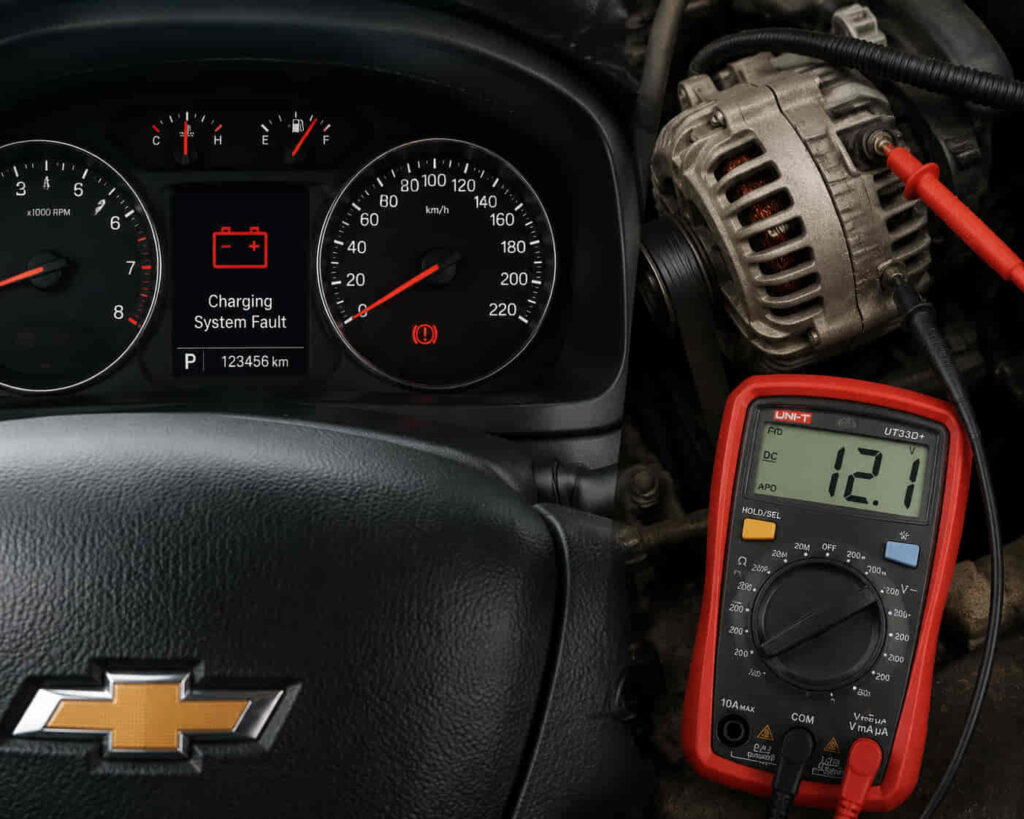
A Chevrolet Captiva alternator may stop charging because of alternator failure, voltage regulator problems, damaged wiring, loose drive belts, battery connection issues, or other charging system faults. The alternator is responsible for converting engine power into electrical energy, but it does not work alone. The complete charging system includes the alternator, battery, voltage regulator, electrical connections, and mechanical components that allow the alternator to operate correctly.
When the Chevrolet Captiva alternator is not charging, drivers may notice symptoms such as a battery warning light, dim headlights, slow engine starting, electrical failures, or a battery that repeatedly loses power. These signs indicate that the vehicle is not receiving enough electrical energy to maintain normal operation.
The correct troubleshooting approach is to examine the entire charging system instead of replacing the alternator immediately. A faulty battery terminal, damaged wiring connection, or loose serpentine belt can create symptoms similar to alternator failure. Identifying the actual source of the problem helps avoid unnecessary repairs and restores reliable electrical performance.
Is the Chevrolet Captiva Battery Causing the Charging Problem?
A Chevrolet Captiva battery can contribute to charging problems because the battery and alternator operate as one electrical system, and a weak battery or poor connection can create symptoms that appear similar to alternator failure. The alternator produces electrical power while the battery stores and distributes energy when the engine starts or when electrical demand exceeds alternator output.
A battery problem does not always mean the alternator is faulty. A weak battery, damaged battery terminals, or corrosion around the connection points can interrupt the flow of electricity between the alternator and the vehicle electrical system. When this happens, the alternator may generate power correctly, but the battery cannot receive or maintain the charge.
The first inspection should focus on the battery condition and connection points. Corroded terminals, loose clamps, or damaged cables increase electrical resistance and reduce charging efficiency. For example, a Chevrolet Captiva may show a battery warning light or experience starting problems even when the alternator itself is still capable of producing charging voltage.
Testing battery voltage helps separate battery issues from alternator problems. A battery that has normal voltage when the engine is off but fails to maintain power during operation may indicate a charging system problem. However, if the voltage remains unstable because of a damaged battery or poor connection, repairing the alternator alone will not solve the underlying issue.
This guide explains the main ways to diagnose and fix Chevrolet Captiva alternator charging problems, from checking basic connections to testing alternator output and determining when professional repair is required.
Is the Alternator Belt Loose or Damaged?
A loose or damaged alternator belt can prevent a Chevrolet Captiva alternator from charging because the alternator requires mechanical rotation from the engine to generate electrical power. The alternator does not create electricity independently; it depends on the belt-driven system to spin at the correct speed.
The serpentine belt transfers engine movement to several components, including the alternator. When the belt becomes loose, worn, cracked, or contaminated, it can slip instead of turning the alternator efficiently. This reduces alternator output and may cause the battery to slowly lose charge while driving.
Belt-related charging problems often appear with additional symptoms such as squealing noises, visible belt damage, or intermittent electrical performance. A driver may notice that headlights become weaker at idle or that the battery warning light appears during certain driving conditions because alternator speed is not consistent.
Inspecting the belt is an important diagnostic step before replacing expensive electrical components. For example, if a Chevrolet Captiva alternator produces normal output during testing but the belt is slipping under load, replacing the alternator would not correct the charging failure because the real issue is the mechanical connection.
Read more: Chevrolet Android Auto Not Working
Are the Alternator Electrical Connections Damaged?
Damaged alternator electrical connections can prevent a Chevrolet Captiva alternator from charging because electrical energy must travel through cables and connection points before reaching the battery and vehicle systems. An alternator may generate power correctly, but damaged wiring can interrupt the charging process and create symptoms similar to alternator failure.
The charging system depends on several electrical connections, including the alternator output cable, battery positive cable, ground connection, and wiring harness. Corrosion, loose connections, broken wires, or increased resistance can reduce the amount of electrical current transferred from the alternator to the battery.
Electrical connection problems are common causes of inconsistent charging behavior. A Chevrolet Captiva may charge normally at certain times but fail under vibration, temperature changes, or increased electrical demand because a damaged connection cannot maintain stable current flow.
Inspecting wiring and terminals should be part of the diagnosis before replacing the alternator. For example, if a voltage test shows that the alternator produces normal output at its terminal but the battery receives lower voltage, the problem may exist in the cable or connection path rather than inside the alternator itself.
Is the Voltage Regulator Preventing the Alternator From Charging?
A faulty voltage regulator can prevent a Chevrolet Captiva alternator from charging correctly because it controls the amount of electrical output delivered to the battery. The alternator creates electrical energy, but the voltage regulator manages that energy to maintain a safe and stable charging level.
The voltage regulator protects the vehicle electrical system by preventing both undercharging and overcharging conditions. When it fails, the alternator may produce insufficient voltage, causing the battery to lose charge during normal driving. In other cases, it may allow excessive voltage that can damage the battery and other electronic components.
Voltage regulator problems often appear through symptoms such as a battery warning light, unstable electrical performance, flickering lights, or repeated battery failure. These symptoms can be confusing because the alternator may appear functional while the regulation system is preventing proper charging.
Testing the charging voltage helps determine whether the voltage regulator is operating correctly. For example, if a Chevrolet Captiva alternator produces inconsistent charging voltage instead of maintaining a stable output, the regulator may be the actual source of the problem rather than the alternator itself.
How Do You Test Chevrolet Captiva Alternator Output?
Testing alternator output is the most reliable way to determine whether a Chevrolet Captiva alternator is actually charging because it measures the electrical performance of the charging system instead of relying only on symptoms. A battery warning light or starting problem can indicate a charging failure, but voltage testing helps identify whether the alternator, wiring, or another component is responsible.
The charging system can be evaluated by measuring battery voltage with the engine off and comparing it with voltage while the engine is running. A healthy charging system should show a clear increase in voltage after the engine starts because the alternator begins supplying electrical energy to the battery and vehicle systems.
A multimeter is commonly used for this type of diagnosis because it provides a direct measurement of charging voltage. If the voltage remains close to the battery’s resting level while the engine is running, the alternator may not be producing enough output. However, low voltage can also result from damaged wiring, poor connections, or a faulty voltage regulator, so the complete charging system must be considered.
For example, if a Chevrolet Captiva battery measures normal voltage before starting but the reading does not increase after the engine runs, the problem may be related to alternator output or the connection between the alternator and battery. Testing prevents unnecessary replacement of parts that are still functioning correctly.
Should You Repair or Replace Your Chevrolet Captiva Alternator?
You should repair or replace a Chevrolet Captiva alternator based on the actual source of the charging failure because not every alternator problem requires complete replacement. Some charging issues come from external components such as wiring, belt problems, battery terminals, or voltage regulation, while internal alternator damage may require professional repair or replacement.
Repairing the charging system is often possible when the problem involves serviceable components outside the alternator itself. Cleaning corroded connections, tightening cables, replacing a damaged belt, or correcting wiring problems can restore normal charging performance without replacing the entire unit.
An alternator replacement becomes more likely when internal components fail, including damaged diodes, worn bearings, internal regulator failure, or reduced electrical output from the alternator assembly. These failures prevent the alternator from generating or delivering enough power even when external connections are in good condition.
The correct repair decision depends on diagnosis rather than symptoms alone. For example, replacing an alternator because the battery keeps dying may not solve the problem if the actual cause is a loose belt or damaged charging cable. A complete inspection of the Chevrolet Captiva charging system ensures that the repair addresses the real failure point.
When Should You Contact a Mechanic About Chevrolet Captiva Charging Problems?
You should contact a mechanic when Chevrolet Captiva charging problems continue after checking the battery, belt, electrical connections, voltage regulator, and alternator output because persistent charging failures usually require deeper electrical diagnosis. The charging system contains multiple connected components, and a failure in one area can create symptoms that look similar to another component problem.
Professional inspection becomes important when the vehicle repeatedly loses battery power, stops running while driving, or shows unstable electrical performance. These symptoms may indicate a more complex issue involving alternator internals, wiring faults, charging control systems, or other electrical components that require specialized testing equipment.
A mechanic can perform advanced checks such as electrical load testing, alternator output analysis, wiring continuity testing, and charging system inspection under different operating conditions. These tests provide more accurate information than replacing parts based only on symptoms.
Drivers should also seek professional assistance when warning signs become severe, such as burning electrical smells, unusual alternator noises, extreme voltage fluctuations, or repeated battery failures after replacement. Continuing to drive with an unstable charging system can leave the vehicle without enough electrical power and may affect other electronic systems.
Providing detailed information helps speed up diagnosis. Details such as the Chevrolet Captiva model year, mileage, battery condition, previous repairs, warning lights, and when the charging problem occurs allow technicians to identify the most likely failure point more efficiently.
How Can You Prevent Chevrolet Captiva Alternator Charging Problems?
Preventing Chevrolet Captiva alternator charging problems requires maintaining the complete charging system rather than focusing only on the alternator itself. The alternator, battery, belt, wiring connections, and voltage regulation system work together, so regular inspection of each component improves long-term reliability.
Battery terminals should remain clean and securely connected because poor electrical contact increases resistance and places additional stress on the charging system. The alternator belt should also be inspected regularly because wear or incorrect tension can reduce alternator performance before a complete failure occurs.
Monitoring early warning signs helps prevent unexpected breakdowns. A dimming headlight, slow engine start, battery warning light, or unusual electrical behavior can indicate that the charging system is becoming less effective. Addressing these symptoms early reduces the risk of battery damage and more expensive repairs.
For example, replacing a worn belt or cleaning corroded terminals during routine maintenance can prevent a situation where the alternator appears to fail even though the main problem is a simple mechanical or electrical connection issue. A properly maintained charging system allows the Chevrolet Captiva to deliver stable electrical performance and reduces the chance of sudden power loss.
How Can You Restore Chevrolet Captiva Charging System Performance?
You can restore Chevrolet Captiva charging system performance by identifying the exact cause of the failure instead of replacing the alternator immediately. The alternator is only one component in a larger electrical system that includes the battery, voltage regulator, drive belt, wiring connections, and charging circuits.
The most effective troubleshooting approach starts with basic inspections and moves toward advanced testing. Checking battery condition, examining belt operation, inspecting electrical connections, testing charging voltage, and evaluating alternator performance helps determine whether the problem comes from the alternator itself or another part of the system.
A Chevrolet Captiva alternator that is not charging does not always mean the alternator has completely failed. Issues such as corroded terminals, damaged cables, loose belts, or faulty voltage regulation can create identical symptoms. Understanding how each component works together prevents unnecessary repairs and ensures the correct solution is applied.
Regular maintenance also plays an important role in preventing future charging problems. Keeping battery connections clean, monitoring warning signs, and inspecting charging system components during routine service can improve reliability and reduce the risk of unexpected electrical failure.
When the charging problem continues after basic checks, professional diagnosis provides the most accurate solution. A properly functioning charging system ensures the Chevrolet Captiva receives stable electrical power for starting, vehicle operation, and electronic systems.