Few things are more frustrating than turning on your Toyota Tacoma’s air conditioning during a hot summer day and realizing that the air coming from the vents is no longer cold. Whether you use your Tacoma for daily commuting, off-road adventures, or long-distance travel, a malfunctioning AC system can quickly make every drive uncomfortable.
One of the most common causes of AC failure is a damaged or worn-out air conditioning compressor. Because the compressor serves as the heart of the entire cooling system, replacing it is often one of the most expensive AC repairs Tacoma owners face. The challenge is that replacement costs can vary significantly depending on your vehicle’s model year, labor rates in your area, and whether you choose OEM or aftermarket parts.
If you have recently received a repair estimate or suspect your compressor may be failing, understanding the potential costs beforehand can help you avoid overpaying and make a more informed decision. In this Toyota Tacoma AC Compressor Replacement Cost Guide, we will break down average replacement expenses, labor charges, parts pricing, model-year differences, and practical ways to save money while restoring your truck’s cooling performance.
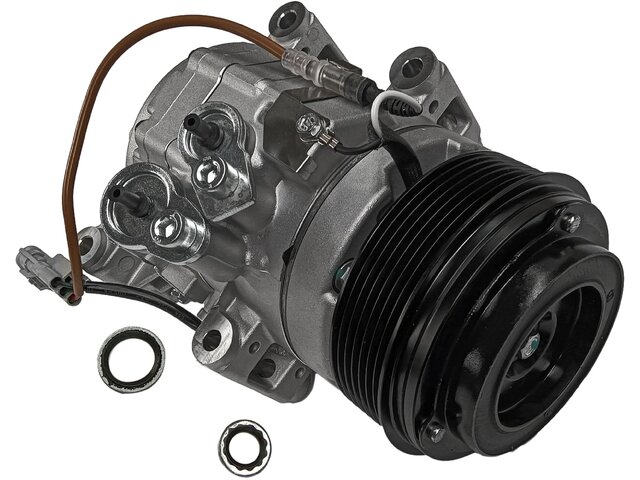
What Does an AC Compressor Do?
The air conditioning compressor is one of the most important components in your Toyota Tacoma’s climate control system. Often referred to as the “heart” of the AC system, the compressor is responsible for circulating refrigerant between various components and maintaining the pressure necessary for effective cooling.
When you turn on the air conditioner, the compressor pressurizes the refrigerant and sends it through the condenser, where heat is released. The refrigerant then moves through the expansion valve and evaporator, absorbing heat from the cabin before returning to the compressor to repeat the cycle. This continuous process is what allows your Tacoma to produce cold air and maintain a comfortable interior temperature.
A properly functioning compressor not only keeps the cabin cool but also helps protect other AC components from excessive strain. If the compressor begins to fail, the entire system can become less efficient, leading to poor cooling performance and potentially causing damage to the condenser, expansion valve, or other related parts.
Many vehicle owners mistakenly assume that warm air from the vents automatically means the compressor has failed. In reality, several AC components can produce similar symptoms. Understanding the compressor’s role within the system can help you diagnose problems more accurately and avoid unnecessary repairs.
Signs Your Toyota Tacoma Needs a New AC Compressor
Recognizing the warning signs of a failing AC compressor early can save you from more expensive repairs later. While compressors are designed to last for many years, wear and tear, contamination, and lack of maintenance can eventually lead to failure.
One of the most common symptoms is warm air blowing from the vents even when the air conditioning is set to its coldest setting. If the compressor cannot properly circulate refrigerant, the cooling process becomes ineffective, resulting in reduced cabin comfort.
Unusual noises are another warning sign. Grinding, squealing, rattling, or clicking sounds coming from the engine bay when the AC is operating may indicate internal compressor damage. These noises often suggest worn bearings, damaged internal components, or a failing compressor clutch.
Many Tacoma owners also experience compressor clutch problems. The clutch engages and disengages the compressor during operation. If it fails, the compressor may not activate correctly, causing inconsistent cooling or complete AC failure.
Visible refrigerant leaks around the compressor can also signal trouble. Refrigerant often carries oil through the system, so oily residue near the compressor housing may indicate a leak that requires immediate attention.
Another common symptom is short cycling, where the AC system repeatedly turns on and off within short intervals. This behavior places additional stress on the compressor and may indicate internal wear or pressure-related issues.
Ignoring these warning signs can lead to contamination throughout the AC system. In severe cases, metal debris from a failed compressor can spread through the refrigerant lines, increasing repair costs significantly.
Toyota Tacoma AC Compressor Replacement Cost Breakdown
The cost of replacing an AC compressor in a Toyota Tacoma can vary considerably depending on the model year, location, and quality of replacement parts. Understanding where the money goes can help you evaluate repair estimates and avoid unnecessary expenses.
The compressor itself is typically the most expensive component. Aftermarket compressors generally range from $250 to $600, while premium aftermarket options may cost between $600 and $900. Genuine OEM Toyota compressors often range from $700 to $1,200 or more depending on the specific Tacoma generation.
Labor costs can also represent a substantial portion of the repair bill. Most compressor replacement jobs require between two and five hours of labor. Depending on local shop rates, labor charges typically range from $250 to $700.
In many cases, additional services are necessary during the replacement process. Refrigerant recovery and system recharging often add another $100 to $300. Some repair facilities also recommend flushing the AC system to remove contaminants, which may cost an additional $100 to $250.
Other components frequently replaced during compressor service include the receiver drier, expansion valve, seals, O-rings, and occasionally the serpentine belt. While these parts increase the initial repair cost, replacing them proactively can help prevent future failures and improve long-term reliability.
For most Toyota Tacoma owners, the total AC compressor replacement cost typically falls between $700 and $2,000. Older models with readily available aftermarket parts tend to be less expensive to repair, while newer Tacomas equipped with more advanced climate control systems often fall toward the higher end of the price range.
Before approving any repair estimate, ask for a detailed breakdown of parts, labor, refrigerant charges, and additional services. Comparing multiple quotes can often save hundreds of dollars without sacrificing repair quality.
Cost by Toyota Tacoma Model Year
The cost of replacing an AC compressor can vary significantly depending on the generation of your Toyota Tacoma. Differences in component design, parts availability, labor requirements, and system complexity all contribute to the final repair bill.
First Generation Toyota Tacoma (1995–2004)
Owners of first-generation Tacoma models often benefit from lower repair costs due to the simplicity of the AC system and the wide availability of aftermarket replacement parts. Most compressors for these trucks are relatively affordable, and labor procedures are generally less complicated than those found in newer vehicles.
In most cases, owners can expect total replacement costs ranging from $700 to $1,300 depending on parts selection and local labor rates. Because many of these trucks remain on the road despite their age, the aftermarket continues to provide cost-effective replacement options.
Second Generation Toyota Tacoma (2005–2015)
The second-generation Tacoma remains one of the most popular used trucks in North America, resulting in strong parts availability and competitive repair pricing. AC compressor replacement costs for these models typically range from $800 to $1,600.
Factors that influence pricing include engine type, drivetrain configuration, and whether additional AC components require replacement. Many repair shops recommend replacing the receiver drier and inspecting the expansion valve during compressor service to ensure long-term system reliability.
Third Generation Toyota Tacoma (2016–2023)
Third-generation models often require higher repair budgets due to more advanced HVAC systems and increased parts costs. Genuine Toyota compressors for these vehicles can be considerably more expensive than older-generation units.
Most owners should expect replacement costs between $1,000 and $2,000, particularly if OEM components are used. Labor rates may also increase because some model years require additional disassembly to access the compressor.
Fourth Generation Toyota Tacoma (2024–2026)
The latest Tacoma generation incorporates newer technologies and redesigned systems that can influence repair costs. OEM parts for these vehicles typically command premium prices, and independent aftermarket options may still be limited.
As a result, compressor replacement costs can exceed $2,000 at some dealerships. Owners of newer vehicles should also review factory warranty coverage before authorizing repairs, as certain issues may still qualify for manufacturer support.
One interesting fact is that many Toyota Tacoma compressors can last well beyond 150,000 miles when the AC system is maintained properly and refrigerant levels remain within factory specifications.
OEM vs Aftermarket AC Compressors
One of the most important decisions Tacoma owners face during compressor replacement is choosing between an OEM compressor and an aftermarket alternative. Each option offers distinct advantages and disadvantages that should be considered carefully.
OEM, or Original Equipment Manufacturer, compressors are produced according to Toyota’s specifications. These units are designed to match the original component installed at the factory, providing excellent fitment, reliable performance, and predictable durability.
Many owners prefer OEM compressors because they reduce the risk of compatibility issues. Installation is usually straightforward, and warranty support is often stronger when compared with lower-cost alternatives. However, these benefits come at a higher price. OEM compressors can cost several hundred dollars more than comparable aftermarket options.
Aftermarket compressors are manufactured by third-party companies and are available across a wide range of price points. High-quality aftermarket brands can provide performance similar to OEM units while offering substantial cost savings.
The primary advantage of aftermarket parts is affordability. Budget-conscious owners can often reduce repair costs significantly by selecting a reputable aftermarket compressor. However, quality can vary considerably between manufacturers. Lower-priced units may use inferior materials or have shorter service lives, potentially leading to future repairs.
When evaluating replacement options, consider factors such as warranty coverage, brand reputation, customer reviews, and the intended lifespan of the vehicle. If you plan to keep your Tacoma for many years, investing in a premium compressor may provide better long-term value than selecting the cheapest available option.
Ultimately, both OEM and high-quality aftermarket compressors can deliver excellent results when installed correctly and paired with proper AC system maintenance.
Can You Replace a Toyota Tacoma AC Compressor Yourself?
Many Toyota Tacoma owners consider replacing the AC compressor themselves in an effort to reduce labor expenses. While a do-it-yourself repair can potentially save several hundred dollars, the job is considerably more complex than many routine maintenance tasks.
Replacing an AC compressor requires more than basic hand tools. Proper service typically involves refrigerant recovery equipment, manifold gauge sets, a vacuum pump, and the ability to safely recharge the system according to manufacturer specifications.
The process generally begins with recovering the refrigerant from the AC system. Federal and local regulations often prohibit releasing refrigerant into the atmosphere, making proper recovery equipment essential. Once the refrigerant has been removed, the serpentine belt and related components can be disconnected to access the compressor.
After removing the old compressor, technicians typically inspect the system for contamination. If internal compressor failure has occurred, metal particles may have circulated throughout the AC system. In such cases, flushing the system and replacing additional components may be necessary before installing the new compressor.
Once the replacement unit is installed, the system must be evacuated using a vacuum pump to remove air and moisture. The correct amount of refrigerant is then added according to Toyota specifications. Improper charging can negatively affect cooling performance and potentially damage the new compressor.
For experienced DIY mechanics with access to specialized AC equipment, compressor replacement can be a rewarding project. However, for many owners, professional installation remains the safest and most reliable option. A qualified technician can ensure the system is properly cleaned, tested, and recharged, reducing the likelihood of future problems and protecting your investment in the new compressor.
How to Save Money on AC Compressor Replacement
Replacing an AC compressor is often one of the most expensive air conditioning repairs Toyota Tacoma owners encounter. Fortunately, there are several practical strategies that can help reduce costs without sacrificing reliability or long-term performance.
One of the most effective ways to save money is to obtain multiple repair estimates before committing to a service provider. Labor rates can vary significantly between dealerships, independent repair shops, and specialized HVAC technicians. Comparing quotes allows you to identify competitive pricing and better understand what services are included.
Choosing the right replacement compressor is another important factor. While it may be tempting to purchase the least expensive unit available, extremely low-cost compressors can lead to premature failure and additional repair expenses. Investing in a reputable aftermarket brand often provides a balance between affordability and durability.
Routine maintenance can also help minimize future repair costs. Addressing refrigerant leaks, replacing worn seals, and performing regular AC inspections can prevent excessive strain on the compressor and extend the lifespan of the entire system.
When replacing a compressor, many technicians recommend installing new O-rings, seals, and a receiver drier at the same time. Although these additional parts increase the upfront cost slightly, they can help prevent contamination and reduce the likelihood of future failures.
Another common mistake is skipping an AC system flush after compressor failure. If metal debris remains inside the refrigerant lines, the new compressor may become damaged shortly after installation. Spending a little more on proper cleaning can prevent a much larger repair bill later.
Owners of newer Tacoma models should also review any remaining factory warranty or extended warranty coverage. In some cases, warranty protection may offset a portion of the repair expenses and significantly reduce out-of-pocket costs.
Frequently Asked Questions
How long does a Toyota Tacoma AC compressor typically last?
A Toyota Tacoma AC compressor can often last between 8 and 15 years, depending on driving conditions, climate, maintenance practices, and refrigerant system health. Many well-maintained compressors continue operating beyond 150,000 miles without major issues.
What are the most common signs of a failing AC compressor?
Common symptoms include warm air from the vents, unusual noises when the AC is running, refrigerant leaks, intermittent cooling performance, and compressor clutch failure. Early diagnosis can often prevent additional damage to the AC system.
Is it worth replacing the AC compressor on an older Tacoma?
In many cases, yes. Toyota Tacoma trucks are known for their longevity, and many owners keep them on the road for hundreds of thousands of miles. If the vehicle is otherwise in good condition, compressor replacement is often a worthwhile investment.
Can a bad AC compressor damage other components?
Yes. When a compressor fails internally, metal particles and debris can circulate through the AC system. This contamination can damage the condenser, expansion valve, receiver drier, and other components, leading to substantially higher repair costs.
How many labor hours does AC compressor replacement require?
Most Toyota Tacoma compressor replacements require between two and five labor hours. The exact time depends on the model year, engine configuration, and whether additional components must be removed to access the compressor.
Should the condenser be replaced at the same time?
Not always. However, if the compressor experiences catastrophic internal failure and sends debris throughout the system, replacing the condenser may be recommended. A professional inspection can determine whether the condenser remains serviceable.
Can I drive my Tacoma with a bad AC compressor?
While the vehicle may still be drivable in some situations, continuing to operate the truck with a failing compressor can lead to additional damage. Certain compressor failures may also affect the serpentine belt system, creating more serious mechanical issues.
Conclusion
Understanding the Toyota Tacoma AC compressor replacement cost is essential before approving any repair estimate. While total expenses typically range from $700 to over $2,000, the final price depends on several factors, including the model year, labor rates, parts selection, and the overall condition of the air conditioning system.
A failing compressor should never be ignored. What may initially seem like a simple cooling problem can quickly develop into a much larger repair if contamination spreads throughout the AC system. Identifying warning signs early and addressing issues promptly can help minimize both downtime and repair costs.
Whether you choose an OEM compressor for maximum reliability or a high-quality aftermarket option to reduce expenses, selecting the right parts and ensuring proper installation are critical to long-term performance. Obtaining multiple estimates, replacing supporting components when necessary, and maintaining the AC system regularly can also help protect your investment.
By understanding the costs, repair process, and available options outlined in this guide, you can make informed decisions and keep your Toyota Tacoma’s air conditioning system operating efficiently for years to come. A properly functioning AC system not only improves comfort but also enhances the overall driving experience, especially during the hottest months of the year.