Few automotive issues are as frustrating as discovering that your Toyota Camry key is stuck in the ignition when you’re ready to leave your vehicle. Whether you’re parked at home, at work, or in a busy parking lot, a key that refuses to come out can quickly turn a routine situation into a stressful experience. Many drivers immediately fear an expensive repair, but the good news is that the cause is often simpler than expected.
A Toyota Camry key can become stuck in the ignition for several reasons, ranging from a transmission that is not fully shifted into Park to a worn ignition cylinder, steering wheel lock pressure, or even a weak vehicle battery. While some issues can be resolved in just a few minutes without professional assistance, others may indicate a developing mechanical or electrical problem that should not be ignored.
In this comprehensive guide, you’ll learn the most common causes of a Toyota Camry key stuck in ignition issue, practical troubleshooting steps you can try yourself, estimated repair costs, and proven maintenance tips to prevent the problem from happening again. By understanding what causes this issue and how to respond correctly, you can avoid unnecessary damage, save money on repairs, and get back on the road with confidence.
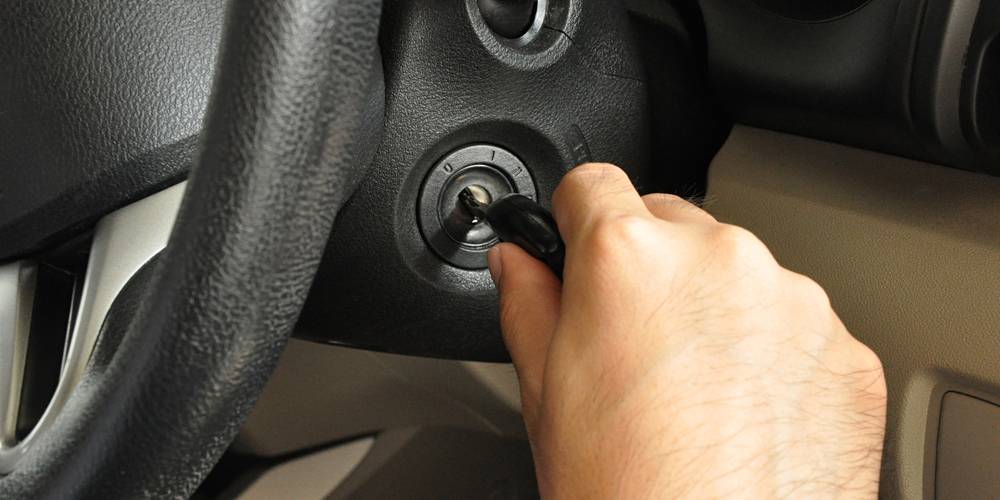
How the Toyota Camry Ignition System Works
Before diagnosing why a Toyota Camry key is stuck in the ignition, it helps to understand how the ignition system functions. Although the process appears simple from the driver’s perspective, several mechanical and electrical components must work together correctly before the key can be removed.
The ignition system begins with the key itself, which is designed to match the internal tumblers of the ignition lock cylinder. When the correct key is inserted, the tumblers align and allow the cylinder to rotate. This movement activates the ignition switch, which controls power distribution throughout the vehicle and enables the engine to start.
Modern Toyota Camry models also include a shift interlock system. This safety feature ensures that the key cannot be removed unless the transmission is fully engaged in the Park position. If the vehicle fails to recognize that it is in Park, the key may remain locked in the ignition even after the engine has been turned off.
Another important component is the steering wheel lock mechanism. When the vehicle is parked and the key is removed, the steering wheel may lock to prevent unauthorized movement. Excessive pressure on the steering wheel can sometimes interfere with the ignition cylinder and make key removal difficult.
In many newer Camry models, electronic sensors and battery power also play a role in the ignition and shift lock systems. A weak battery or electrical malfunction can disrupt communication between components, causing unexpected ignition-related problems.
Because multiple systems are involved, identifying the root cause of a stuck key often requires a systematic inspection rather than focusing solely on the ignition cylinder itself.
Symptoms That Often Accompany a Stuck Ignition Key
A key that will not come out of the ignition is rarely an isolated problem. In many cases, additional warning signs appear before the issue becomes severe. Recognizing these symptoms can help drivers identify the underlying cause and address it before costly repairs become necessary.
One of the most common signs is difficulty turning the key. Drivers may notice increased resistance when rotating the key between the ACC, ON, and LOCK positions. This often indicates wear inside the ignition cylinder or damage to the key itself.
Another frequent symptom is a key that only partially exits the ignition. The key may move outward slightly but stop before it can be fully removed. This situation often points to internal lock cylinder wear or a malfunctioning release mechanism.
Many Camry owners also report dashboard lights remaining illuminated after the engine has been shut off. This may indicate that the ignition switch is not fully returning to the LOCK position. When this occurs, the vehicle may continue drawing battery power even though the engine is no longer running.
Steering wheel stiffness is another warning sign. If the steering wheel feels unusually tight or locked when attempting to remove the key, excessive pressure may be affecting the steering lock mechanism.
Transmission-related symptoms are equally important. Drivers may notice that the shifter feels loose, requires extra force to engage Park, or does not provide the usual tactile feedback when shifted. These issues can prevent the shift interlock system from recognizing that the vehicle is safely parked.
Some drivers also experience intermittent problems. The key may become stuck occasionally and then function normally again. While this can be tempting to ignore, intermittent symptoms often indicate components that are beginning to fail and will likely worsen over time.
In more serious cases, the vehicle may refuse to start, the key may become trapped in multiple positions, or unusual grinding noises may occur inside the ignition assembly. These symptoms typically suggest significant wear or internal mechanical damage.
Paying attention to these warning signs can help prevent a minor inconvenience from developing into a complete ignition system failure.
1. Vehicle Not Fully in Park
Among all possible causes, a transmission that is not fully shifted into Park is by far the most common reason a Toyota Camry key becomes stuck in the ignition.
Toyota engineers designed the shift interlock system as a safety measure to prevent drivers from removing the key while the vehicle is still capable of moving. When the transmission reaches the Park position, a signal is sent to the ignition system confirming that key removal is safe. If that signal is not received, the key remains locked in place.
Sometimes the issue is as simple as the shifter stopping slightly short of its intended position. This can occur when the vehicle is parked on an incline, when the shifter mechanism experiences wear, or when a driver moves the lever too quickly without allowing it to fully engage.
A common symptom is that the key remains stuck even though the dashboard indicator appears to show Park. In reality, the transmission linkage or position sensor may not be accurately communicating the vehicle’s status.
Fortunately, this problem is often easy to fix. Start by pressing the brake pedal firmly. Move the gear selector out of Park and then slowly return it to Park. Apply gentle pressure toward the front of the vehicle while ensuring the shifter is fully seated. Once the transmission is correctly positioned, try turning the key to the LOCK position again.
If the key can be removed after repositioning the shifter, the issue may simply have been a temporary misalignment. However, if the problem occurs repeatedly, further inspection of the shift linkage, shift lock solenoid, or transmission position sensor may be necessary.
Drivers should avoid forcing the key out when this situation occurs. Excessive force can damage the ignition cylinder and transform a simple adjustment into a much more expensive repair.
Because transmission-related issues account for a significant percentage of stuck key complaints, checking the Park position should always be the first troubleshooting step before exploring more complex causes.
2. Worn or Damaged Key
Many Toyota Camry owners overlook the condition of their key when troubleshooting ignition problems. However, a worn or damaged key is one of the most common causes of a key becoming stuck in the ignition.
Every time a key is inserted, turned, and removed, a small amount of wear occurs. Over the years, the grooves and ridges that allow the key to interact with the ignition cylinder gradually become less defined. As this wear progresses, the key may no longer align perfectly with the internal tumblers inside the ignition lock cylinder.
When the tumblers fail to align correctly, the cylinder may not fully return to the LOCK position. As a result, the key can become difficult to remove or may remain trapped inside the ignition altogether.
Physical damage can create similar problems. A bent key, cracked key head, or key that has been dropped repeatedly may no longer fit the cylinder as intended. Even slight deformation can interfere with the precise tolerances required for smooth operation.
Drivers often notice warning signs before the key becomes completely stuck. The key may require extra effort to turn, feel loose in the cylinder, or occasionally stick during insertion and removal. These symptoms should never be ignored because continued use of a damaged key can accelerate wear inside the ignition cylinder itself.
The easiest way to diagnose this issue is to test a spare key. If the spare key operates normally and can be removed without difficulty, the original key is likely the source of the problem.
In situations where no spare key is available, carefully inspect the key for visible signs of wear. Rounded edges, uneven grooves, bends, or cracks are all indicators that replacement may be necessary.
Replacing a worn key is often significantly less expensive than repairing an ignition cylinder damaged by prolonged use of a defective key. Depending on the model year and key type, replacement costs may range from a relatively inexpensive mechanical key to a more advanced transponder or smart key system.
Addressing key wear early can prevent additional strain on the ignition system and reduce the likelihood of more extensive repairs in the future.
3. Faulty Ignition Lock Cylinder
When a Toyota Camry key repeatedly becomes stuck despite the transmission being properly positioned and the key appearing undamaged, the ignition lock cylinder itself may be failing.
The ignition lock cylinder is the mechanical component that receives the key and controls rotation between the various ignition positions. Inside the cylinder are multiple spring-loaded tumblers that must align perfectly with the key’s cut pattern before movement is possible.
Over time, these internal components experience wear. Dirt, metal shavings, lack of lubrication, and thousands of operating cycles can gradually damage the tumblers and springs. As the wear becomes more severe, the cylinder may struggle to recognize the key correctly.
One of the earliest warning signs is inconsistent operation. The key may work normally one day and become difficult to turn the next. Drivers often report needing to jiggle the key, apply pressure, or repeatedly insert and remove it before the ignition functions correctly.
As deterioration progresses, the key may become trapped in the ignition more frequently. In some cases, the cylinder may refuse to rotate fully to the LOCK position, preventing key removal. Grinding sensations, rough movement, and unusual resistance are also common symptoms.
Mileage can play a significant role in ignition cylinder wear. Vehicles with higher mileage naturally accumulate more ignition cycles, increasing the likelihood of internal component fatigue. However, environmental factors such as dust, moisture, and poor maintenance can accelerate wear even in lower-mileage vehicles.
Diagnosing a faulty ignition cylinder often requires a careful inspection by a qualified technician. Because many symptoms overlap with ignition switch problems, professional evaluation may be necessary to identify the exact source of the malfunction.
Repair options vary depending on the severity of the damage. Minor issues may sometimes be resolved through cleaning and lubrication, although this is typically a temporary solution. In many cases, replacement of the ignition lock cylinder is the most reliable long-term fix.
Drivers should avoid forcing a sticking cylinder. Excessive force can break the key inside the ignition, resulting in a more complicated and costly repair process. If the key repeatedly sticks despite basic troubleshooting efforts, scheduling an inspection as soon as possible is strongly recommended.
A failing ignition lock cylinder rarely improves on its own. Early intervention can help avoid complete ignition failure and reduce repair expenses.
4. Steering Wheel Lock Pressure
A surprisingly common cause of a Toyota Camry key becoming stuck in the ignition is excessive pressure on the steering wheel lock mechanism.
The steering wheel lock is an anti-theft feature designed to prevent the vehicle from being steered without the key. When the key is removed and the steering wheel is turned slightly, a locking pin engages within the steering column. This mechanism helps secure the vehicle when parked.
Problems can occur when the steering wheel is placed under tension before the engine is shut off. This often happens when parking on steep hills, uneven surfaces, or when the front wheels are turned sharply against a curb.
As pressure builds within the steering system, the locking mechanism can place additional force on the ignition cylinder. This tension may prevent the key from rotating completely to the LOCK position, making removal impossible.
Many drivers mistakenly assume the ignition cylinder has failed when the actual issue is simply steering wheel pressure. Fortunately, this problem can often be resolved within seconds.
To release the tension, gently attempt to move the steering wheel left and right. One direction will usually feel locked, while the other may allow slight movement. While maintaining light pressure in the direction that permits movement, turn the ignition key toward the LOCK position.
This coordinated motion relieves stress on the locking pin and often allows the key to rotate normally. Once the tension is released, the key can typically be removed without difficulty.
The situation can be particularly confusing because the symptoms may appear suddenly. A vehicle that has never experienced ignition problems may develop a stuck key immediately after parking on an incline or with the wheels turned aggressively.
To reduce the likelihood of future occurrences, drivers should straighten the wheels whenever possible before shutting off the engine. When parking on steep slopes, allowing the vehicle’s weight to rest against the parking brake rather than the steering system can also help minimize steering lock pressure.
Although steering wheel lock tension is generally harmless, repeated episodes may indicate underlying wear within the steering column or ignition assembly. If the problem becomes frequent, a professional inspection may be warranted to ensure all components are functioning correctly.
Understanding how steering wheel pressure affects the ignition system can save drivers considerable frustration and prevent unnecessary replacement of otherwise healthy ignition components.
5. Shift Lock Solenoid Failure
The shift lock solenoid is a small but critical component within your Toyota Camry’s safety system. Its primary purpose is to ensure that the transmission and ignition systems communicate properly. When functioning correctly, it allows the vehicle to recognize that the transmission is fully engaged in Park, enabling the ignition system to release the key.
Over time, the shift lock solenoid can wear out due to normal use, electrical faults, or internal mechanical failure. When this happens, the vehicle may incorrectly assume that the transmission is still in gear, even when the shifter appears to be in the Park position.
One of the most common symptoms is a key that becomes trapped in the ignition intermittently. Drivers may find that moving the shifter slightly forward or backward suddenly allows the key to come out. This temporary workaround often points directly to a shift lock system issue.
Additional warning signs may include difficulty shifting out of Park, inconsistent gear indicator readings, or unusual clicking sounds near the center console when pressing the brake pedal. In some cases, the transmission may appear to function normally while the key removal problem gradually becomes more frequent.
Diagnosing a faulty shift lock solenoid usually involves checking electrical connections, verifying brake switch operation, and testing communication between the transmission and ignition systems. Because these components are interconnected, a failure in one area can sometimes mimic symptoms originating elsewhere.
Repair costs vary depending on the model year and labor requirements. In many cases, replacing the solenoid is relatively straightforward and significantly less expensive than replacing major ignition components. Addressing the issue early can prevent additional strain on related systems and help restore reliable operation.
Drivers who experience recurring key removal problems despite properly shifting into Park should consider having the shift lock system inspected by a qualified technician. Ignoring the issue may eventually lead to complete failure of the mechanism.
6. Dead or Weak Battery
Many drivers are surprised to learn that a weak or discharged battery can sometimes cause a Toyota Camry key to become stuck in the ignition.
While older vehicles relied primarily on mechanical systems, modern Camry models incorporate numerous electronic components that interact with the ignition and transmission systems. These components require adequate battery voltage to operate correctly.
When battery voltage drops below normal levels, communication between various control modules may become unreliable. The vehicle may fail to recognize that it is in Park, fail to release the shift lock mechanism, or prevent the ignition system from completing the key release sequence.
A weak battery often presents additional symptoms alongside a stuck key. Drivers may notice dim interior lights, slow engine cranking, dashboard warning lights, or power accessories operating inconsistently. In severe cases, the vehicle may not start at all.
The issue is especially common after a battery has reached the end of its service life or after the vehicle has been left unused for an extended period. Extreme weather conditions can also accelerate battery degradation and contribute to voltage-related problems.
If a key becomes stuck and a battery issue is suspected, begin by checking for obvious signs of battery weakness. Attempting to jump-start the vehicle or connecting a battery charger may restore sufficient voltage for the ignition system to function normally.
After power is restored, test whether the key can be removed from the ignition. If the problem disappears, the battery may have been the root cause. However, repeated battery failures should be investigated further because they may indicate charging system issues or excessive electrical drain.
Routine battery maintenance plays an important role in preventing ignition-related problems. Regular testing, cleaning battery terminals, and replacing aging batteries before failure occurs can help ensure reliable operation of all vehicle systems.
Although a weak battery may not be the first cause that comes to mind, it remains an important possibility that should not be overlooked during the diagnostic process.
7. Ignition Switch Failure
The ignition switch is another component that can contribute to a Toyota Camry key becoming stuck in the ignition. Unlike the ignition lock cylinder, which is primarily mechanical, the ignition switch is responsible for controlling electrical power throughout the vehicle.
When the driver turns the key, the ignition switch activates various electrical circuits that power essential systems such as the starter, fuel system, dashboard electronics, and engine management components. Once the engine is turned off, the switch should return smoothly to the LOCK position, allowing the key to be removed.
Over time, internal electrical contacts within the ignition switch can wear out. Heat, vibration, age, and repeated operation gradually reduce the reliability of these components. As wear progresses, the switch may fail to complete its normal operating cycle.
One common symptom is difficulty returning the key to the LOCK position. Drivers may notice that the key stops just short of the final position required for removal. In some situations, dashboard lights remain illuminated even after the engine has been shut off, indicating that the ignition switch has not fully disengaged.
Other symptoms may include intermittent starting problems, unexpected electrical behavior, accessories remaining powered after shutdown, or occasional engine stalling. Because the ignition switch controls multiple systems, its failure can create a wide range of confusing and seemingly unrelated symptoms.
Diagnosing ignition switch problems often requires specialized testing equipment. Technicians typically inspect electrical continuity, monitor voltage output, and verify proper communication between related components.
Repair costs depend on the complexity of the vehicle’s ignition system and labor requirements. While replacing an ignition switch is generally less expensive than replacing extensive electronic modules, delaying repairs can increase the risk of being stranded or experiencing complete ignition failure.
Drivers should be especially cautious if key removal issues are accompanied by electrical irregularities. These warning signs often suggest that the ignition switch is beginning to fail and should be inspected promptly.
A properly functioning ignition switch is essential for safe and reliable vehicle operation. Addressing problems early can help prevent unexpected breakdowns and reduce the likelihood of more costly repairs later.
8. Dirt and Debris Inside the Ignition
Although often overlooked, dirt and debris inside the ignition cylinder can prevent a Toyota Camry key from operating smoothly and may eventually cause it to become stuck.
The ignition cylinder contains a series of precisely engineered internal components that require clean and unobstructed movement. Over time, dust, pocket lint, metal particles, and other contaminants can accumulate inside the cylinder. Each time a key is inserted, small amounts of debris may be introduced into the mechanism.
Drivers who frequently place their keys in pockets, purses, tool bags, or dusty work environments may be particularly susceptible to this issue. As contaminants build up, the internal tumblers may no longer move freely, causing increased resistance when inserting, turning, or removing the key.
One of the earliest warning signs is a rough or gritty feeling when operating the ignition. The key may require additional force to turn, or it may feel as though something is obstructing its movement. In some cases, the key may become temporarily stuck before eventually releasing.
Moisture can make the problem even worse. Dirt combined with humidity may create residue inside the cylinder, increasing friction and accelerating wear of internal components. If left unaddressed, contamination can eventually contribute to permanent ignition cylinder damage.
Drivers should avoid inserting foreign objects into the ignition in an attempt to remove debris. Using paper clips, screwdrivers, or similar tools can damage delicate internal parts and create more serious problems.
A safer approach involves using manufacturer-approved lock lubricants specifically designed for automotive ignition systems. These products help remove contaminants while reducing friction inside the cylinder. Compressed air may also be used carefully to clear loose debris from the ignition opening.
Regular maintenance and keeping keys clean can significantly reduce the likelihood of contamination-related ignition issues. While dirt and debris may seem minor compared to mechanical failures, they can still cause considerable inconvenience if ignored.
9. Damaged Shifter Assembly
The shifter assembly plays a critical role in the communication between the transmission and ignition systems. When this assembly becomes worn or damaged, it can prevent the vehicle from recognizing that it is safely in Park, causing the key to remain locked in the ignition.
Over years of use, components within the shifter assembly may experience wear. Bushings can deteriorate, cables can stretch, sensors can fail, and mechanical linkages can become misaligned. Any of these conditions may interfere with the proper operation of the transmission position detection system.
A damaged shifter assembly often produces symptoms beyond a stuck key. Drivers may notice that the gear selector feels unusually loose, difficult to move, or inconsistent when changing gears. The gear indicator on the dashboard may also display incorrect information or fail to match the actual gear position.
In some cases, applying slight pressure to the shifter while attempting to remove the key may temporarily solve the problem. While this can help identify the source of the issue, it should not be considered a permanent fix.
The challenge with diagnosing shifter assembly problems is that many symptoms closely resemble those caused by a faulty shift lock solenoid or transmission position sensor. Professional inspection may be necessary to determine which component is responsible.
Technicians typically inspect the entire shifting mechanism, checking for worn parts, damaged cables, loose connections, and sensor malfunctions. Modern diagnostic equipment may also be used to verify that transmission position data is being communicated accurately to the vehicle’s control systems.
Repair costs vary significantly depending on the extent of the damage. Minor adjustments or replacement of individual components may be relatively affordable, while complete shifter assembly replacement can be considerably more expensive.
Addressing shifter-related issues promptly is important because continued operation with a damaged assembly can affect not only key removal but also overall transmission performance and driving safety.
10. Internal Ignition Mechanism Damage
While less common than many of the previously discussed causes, internal ignition mechanism damage represents one of the most serious reasons a Toyota Camry key may become stuck in the ignition.
The ignition assembly contains numerous interconnected components that work together to secure, rotate, and release the key. Years of wear, excessive force, attempted theft, poor maintenance, or repeated operation with damaged components can eventually cause significant internal damage.
When internal damage occurs, the ignition system may no longer function as designed. Springs can break, locking pins can become jammed, internal housings can crack, and mechanical alignment can be compromised. Once these failures develop, the key may become trapped with little or no warning.
Drivers experiencing internal ignition mechanism damage often report severe symptoms. The key may refuse to rotate, become locked in a specific position, or require substantial force to operate. Grinding noises, unusual resistance, and complete ignition failure are also common indicators.
Unlike simpler issues such as steering wheel pressure or a weak battery, internal ignition damage typically cannot be resolved through basic troubleshooting. Attempting to force the key free may worsen the damage and increase repair costs substantially.
Professional diagnosis is usually required to determine the extent of the failure. Depending on the severity of the damage, repairs may involve rebuilding portions of the ignition assembly or replacing the entire unit.
Although these repairs can be more expensive than many other ignition-related fixes, addressing the problem promptly helps prevent secondary damage to associated components. Delaying repairs may increase the likelihood of becoming stranded or experiencing complete loss of ignition functionality.
Understanding that severe internal damage is possible helps drivers recognize when professional assistance is necessary rather than continuing unsuccessful DIY attempts.
Step-by-Step Guide to Remove a Stuck Toyota Camry Key Safely
When a key becomes stuck in the ignition, many drivers instinctively pull harder in an attempt to free it. This approach can easily damage the key, ignition cylinder, or related components. Instead, follow a systematic troubleshooting process designed to identify and resolve the issue safely.
Step 1: Verify the Vehicle Is Fully in Park
Begin by pressing the brake pedal firmly and moving the gear selector out of Park. Then slowly return it to the Park position.
Ensure the shifter is fully seated and that the dashboard indicates the correct gear selection. After doing so, attempt to rotate the key to the LOCK position and remove it.
Because transmission position issues are among the most common causes of stuck keys, this simple step often resolves the problem immediately.
Step 2: Relieve Steering Wheel Pressure
Gently move the steering wheel left and right while attempting to turn the key toward the LOCK position.
If the steering wheel lock mechanism is under tension, relieving that pressure may allow the ignition cylinder to rotate normally and release the key.
Avoid applying excessive force. The goal is to reduce pressure, not overpower the mechanism.
Step 3: Check Battery Condition
Inspect the battery for signs of weakness.
Dim interior lights, slow cranking, or multiple warning lights may indicate low voltage. If a battery problem is suspected, try jump-starting the vehicle or connecting a battery charger.
Once adequate power is restored, test whether the key can be removed.
Step 4: Try a Spare Key
If available, insert a spare key into the ignition.
A worn or damaged key may be preventing proper alignment of the ignition cylinder tumblers. If the spare key works normally, replacing the original key may solve the problem without additional repairs.
Step 5: Inspect for Visible Contamination
Examine the ignition opening for signs of dirt, debris, or foreign objects.
If contamination is suspected, use compressed air or an approved lock lubricant designed specifically for automotive ignition systems. Never force tools into the cylinder.
Step 6: Gently Operate the Ignition Cylinder
Insert and remove the key several times while applying only light pressure.
Occasionally, minor alignment issues can be resolved through careful operation. However, if resistance remains significant, discontinue troubleshooting and seek professional assistance.
Step 7: Avoid Excessive Force
This step is perhaps the most important.
Never yank, twist aggressively, or strike the key in an effort to remove it. Breaking a key inside the ignition can transform a relatively simple repair into a much more expensive and time-consuming problem.
If the key remains stuck after completing these steps, professional diagnosis is recommended. Continuing to force the issue may cause permanent damage to the ignition assembly and increase repair costs significantly.
What NOT to Do When Your Key Is Stuck
When faced with a stuck ignition key, frustration often leads drivers to make mistakes that can significantly increase repair costs. Understanding what not to do is just as important as knowing the correct troubleshooting steps.
Do Not Use Excessive Force
One of the most common mistakes is pulling or twisting the key with excessive force. While it may seem like a logical solution, forcing the key can bend it, damage the ignition cylinder, or even cause the key to break inside the lock.
A broken key extraction is typically far more expensive and time-consuming than resolving the original issue. If the key does not move with moderate pressure, stop immediately and investigate the underlying cause.
Do Not Strike the Ignition or Steering Column
Some drivers attempt to free a stuck key by hitting the steering column or surrounding dashboard components. This approach can damage sensitive electronic systems, wiring harnesses, and plastic trim pieces.
Modern Toyota Camry models contain numerous electronic components near the ignition assembly. Impact damage can create additional problems that did not previously exist.
Do Not Insert Foreign Objects Into the Ignition
Using screwdrivers, paper clips, knives, or other metal objects to manipulate the ignition cylinder can cause severe internal damage.
The tumblers and locking components inside the ignition cylinder are precisely engineered. Even minor scratches or deformation can affect their operation and lead to complete cylinder failure.
Do Not Use Improper Lubricants
Many people reach for household lubricants when a key becomes difficult to remove. Products not specifically designed for lock mechanisms can attract dust and debris, creating additional buildup over time.
Always use manufacturer-approved lock lubricants when servicing ignition components.
Do Not Ignore Recurring Symptoms
A key that becomes stuck occasionally may seem like a minor inconvenience, but intermittent problems often indicate developing mechanical or electrical failures.
Addressing the issue early can prevent a small repair from becoming a major expense. If the problem occurs repeatedly, a professional inspection is highly recommended.
Toyota Camry Key Stuck in Ignition Repair Costs
Repair costs vary depending on the root cause of the problem, the model year of the vehicle, labor rates in your area, and whether original equipment manufacturer parts are used.
The least expensive repair is often key replacement. If the issue is caused by a worn or damaged key, replacing it may cost anywhere from $50 to $300 depending on the type of key and programming requirements.
Ignition cylinder repairs generally range from $150 to $500. If the cylinder requires complete replacement, costs may increase to between $250 and $800.
Shift lock solenoid replacement typically falls between $150 and $400. This repair is often less expensive than major ignition work and can resolve many key removal issues.
Ignition switch replacement usually ranges from $200 to $600. Costs depend on component complexity and labor requirements.
Repairs involving the shifter assembly can vary significantly. Minor adjustments may be relatively inexpensive, while complete assembly replacement can cost anywhere from $250 to $900 or more.
In situations involving severe internal ignition mechanism damage, total repair costs may exceed $1,000, particularly if multiple components require replacement.
Drivers should remember that delaying repairs often increases overall costs. What begins as a minor issue may eventually lead to additional component failures if left unresolved.
How to Prevent Your Toyota Camry Key From Getting Stuck Again
Preventive maintenance is often the most effective way to avoid ignition-related problems. A few simple habits can significantly reduce the likelihood of future key removal issues.
Keep Your Key in Good Condition
Inspect your key periodically for signs of wear, bending, or damage.
Replacing a worn key early is considerably less expensive than replacing a damaged ignition cylinder. If you notice rough edges or visible wear patterns, consider obtaining a replacement before problems develop.
Avoid Heavy Keychains
Large keychains place additional stress on the ignition cylinder while driving.
Over time, the extra weight can accelerate wear on internal ignition components. Keeping only essential keys attached to your vehicle key can help extend the lifespan of the ignition system.
Maintain Battery Health
Because modern ignition systems rely on electronic communication, battery condition plays an important role in proper operation.
Have the battery tested regularly, especially if it is more than three years old. Replacing a weak battery before failure occurs can prevent a variety of electrical issues.
Keep the Ignition Clean
Prevent dirt, dust, and debris from entering the ignition cylinder.
Store keys in clean locations and avoid exposing them to excessive contamination. Periodic cleaning and proper lubrication can help maintain smooth operation.
Address Small Problems Early
If you notice difficulty turning the key, occasional sticking, or unusual resistance, investigate the issue immediately.
Small symptoms often provide early warning signs of larger problems. Prompt repairs are typically simpler and less expensive than waiting for complete component failure.
Use the Parking Brake on Inclines
When parking on hills, apply the parking brake before releasing the brake pedal.
This technique helps reduce stress on the transmission and steering lock mechanisms, decreasing the likelihood of key removal issues caused by mechanical tension.
Frequently Asked Questions
Why won’t my Toyota Camry key come out even when the car is in Park?
The most common reason is that the transmission may not be fully engaging the Park position sensor. Other possibilities include a faulty shift lock solenoid, ignition cylinder wear, steering wheel lock pressure, or electrical issues affecting communication between vehicle systems.
Can a dead battery cause a key to get stuck in the ignition?
Yes. Many modern Toyota Camry models rely on battery power for proper operation of the ignition and shift interlock systems. A weak or discharged battery may prevent the key release mechanism from functioning correctly.
Is it safe to use WD-40 in the ignition cylinder?
WD-40 is generally not the preferred product for ignition cylinders. Specialized lock lubricants designed specifically for automotive applications are typically recommended because they are less likely to attract dirt and debris.
How much does it cost to replace a Toyota Camry ignition cylinder?
Replacement costs typically range from $250 to $800 depending on the model year, labor rates, and parts required. Luxury trim levels or advanced key systems may increase costs.
Can I continue driving with a failing ignition cylinder?
Although the vehicle may continue operating temporarily, driving with a failing ignition cylinder is not recommended. The problem can worsen unexpectedly and may eventually prevent the vehicle from starting or allow the key to become permanently stuck.
When should I call a professional mechanic?
Professional assistance is recommended if the key remains stuck after basic troubleshooting, if electrical symptoms accompany the issue, if the ignition cylinder feels damaged, or if the key shows signs of bending or breakage.
Conclusion
A Toyota Camry key stuck in the ignition can be frustrating, but in many cases the problem is both identifiable and repairable. The most common causes include a transmission that is not fully in Park, a worn key, steering wheel lock pressure, a faulty shift lock solenoid, a weak battery, or wear within the ignition cylinder itself.
The key to preventing expensive repairs is early diagnosis. Paying attention to warning signs such as difficulty turning the key, intermittent sticking, unusual resistance, or transmission-related symptoms can help drivers address issues before they become severe.
Following a systematic troubleshooting process can often resolve minor problems safely and quickly. However, drivers should avoid using excessive force or attempting repairs that could damage sensitive ignition components.
Regular maintenance, proper key care, battery health monitoring, and prompt attention to developing symptoms can significantly reduce the risk of future ignition problems.
By understanding the causes, fixes, and prevention strategies outlined in this guide, Toyota Camry owners can confidently respond to a stuck ignition key situation and protect their vehicle from unnecessary damage and costly repairs.