The transmission system is one of the most important parts of a heavy-duty truck. It controls power delivery, fuel use, and driving performance. One of the most well-known systems in this category is the I-Shift transmission from Volvo. This system uses automated gear shifting to improve efficiency and reduce driver workload.
In real operations, many drivers report Volvo I-Shift transmission problems during long-haul transport. These issues often appear under heavy load or after long periods of use. They can affect gear shifting quality, reduce engine power delivery, and create unstable driving behavior.
When transmission problems occur, trucks may stop working efficiently. This leads to delays, higher repair costs, and lower productivity for fleet operators. Even small issues can grow into serious mechanical failures if no action is taken early.
Understanding these problems is important for drivers, mechanics, and fleet managers. Early detection helps reduce downtime and prevents expensive repairs.
This article explains Volvo I-Shift transmission problems in detail. It covers the main causes, common symptoms, and proven fixes. It also provides practical guidance to help maintain system performance in real working conditions.
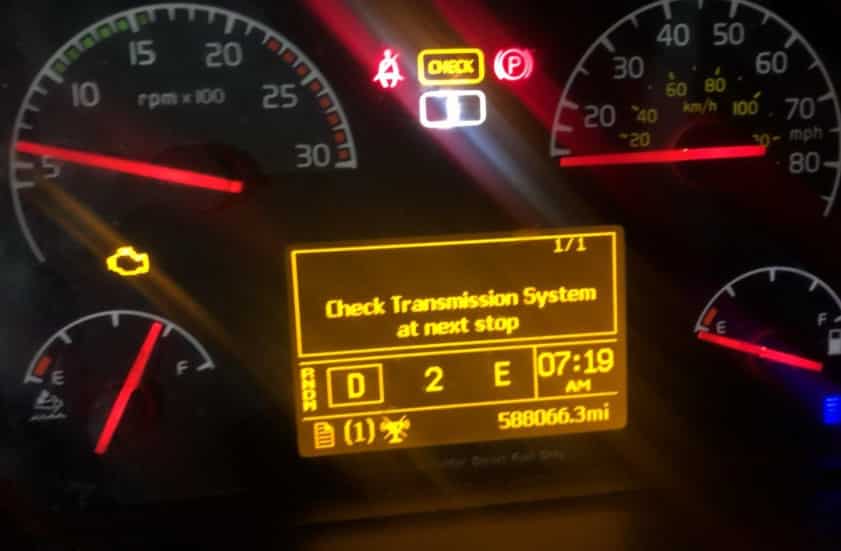
Overview of Volvo I-Shift Transmission System
The I-Shift transmission is an automated manual transmission system developed for heavy-duty trucks. It is designed by Volvo to improve gear shifting efficiency and reduce driver effort in long-distance transport.
The system combines a traditional manual gearbox with electronic control technology. Instead of manual gear changes, the system uses a Transmission Control Unit, also known as TCU, to manage shifting decisions. This allows the truck to select the optimal gear based on speed, load, and driving conditions.
The I-Shift system includes several key components. The clutch system connects and disconnects engine power during gear shifts. The gear selector mechanism executes the actual gear changes. The air pressure system supports smooth operation of mechanical movements inside the transmission.
This design helps improve fuel efficiency and driving comfort. It also reduces wear caused by incorrect gear selection. In fleet operations, the system supports consistent performance across long-haul routes and varying terrain conditions.
However, the system depends heavily on electronic control and precise calibration. This makes it sensitive to sensor issues, software errors, and maintenance quality. When any component fails, it can directly affect shifting performance and overall drivability.
Understanding how the I-Shift system works is essential before analyzing Volvo I-Shift transmission problems. It helps identify which component is responsible when failures occur in real operating conditions.
Common Causes of Volvo I-Shift Transmission Problems
Volvo I-Shift transmission problems usually come from a combination of mechanical wear, electronic faults, and maintenance issues. In real-world operations, these causes often build up gradually before they create visible failure symptoms.
One of the most common causes is clutch wear. The clutch in the I-Shift system works under constant load, especially in heavy-duty transport. Over time, friction materials degrade and reduce shifting precision. This leads to slipping, delayed engagement, and unstable gear changes.
Another frequent cause is sensor malfunction. The system relies on multiple sensors to measure speed, pressure, and gear position. When a sensor sends incorrect data, the Transmission Control Unit makes wrong shifting decisions. This can result in rough shifting or sudden power loss.
Transmission fluid issues also play a major role. Low fluid levels or degraded oil reduce lubrication inside the gearbox. This increases heat and accelerates mechanical wear. In many cases, poor maintenance schedules directly contribute to this problem.
Software and calibration errors in the TCU can also trigger transmission issues. If the control logic becomes outdated or corrupted, the system may shift at the wrong time or fail to engage the correct gear under load conditions.
Air pressure system faults are another important factor. The I-Shift system depends on stable air pressure to operate internal components. Leaks or weak compressor performance can slow down gear changes and reduce system responsiveness.
Finally, heavy load stress is a structural cause that cannot be ignored. Continuous operation at maximum payload puts constant pressure on the transmission system. Over time, this accelerates wear across multiple components.
All these causes often interact with each other. This is why Volvo I-Shift transmission problems rarely come from a single source. Instead, they develop as a combined system failure.
Symptoms of Volvo I-Shift Transmission Problems
Volvo I-Shift transmission problems often show early warning signs before a full failure happens. These symptoms usually appear gradually, and drivers can detect them during normal operation if they pay close attention to vehicle behavior.
One of the most common symptoms is delayed or harsh gear shifting. The transmission may hesitate before changing gears, or it may shift with a noticeable jerk. This often indicates issues with clutch wear, sensor errors, or calibration problems in the control system.
Another clear sign is loss of power during acceleration or when driving uphill. The truck may struggle to maintain speed even when the engine works normally. This usually points to incorrect gear selection or slipping inside the transmission system.
Dashboard warning lights are also a key indicator. When the system detects abnormal behavior, it triggers alerts through the vehicle display. These warnings should never be ignored because they often signal early-stage transmission faults.
In some cases, the truck may enter limp mode. This safety function limits engine power and restricts gear operation to prevent further damage. When this happens, the vehicle performance drops significantly and requires immediate inspection.
Unusual noise or vibration from the gearbox is another symptom. Drivers may hear grinding, clunking, or humming sounds during gear changes. These noises often indicate internal wear or lubrication problems.
Fuel consumption may also increase without any change in driving conditions. This happens when the transmission does not select optimal gears, causing inefficient engine performance.
All these symptoms are early signals of Volvo I-Shift transmission problems. Identifying them early helps prevent serious damage and reduces repair costs.
Diagnostic Methods for Volvo I-Shift Transmission Problems
Diagnosing Volvo I-Shift transmission problems requires a structured technical approach. The system depends on electronic control, mechanical components, and air pressure systems. Each part must be checked carefully to identify the root cause.
The first step is reading error codes from the Transmission Control Unit. The system stores fault codes when it detects abnormal behavior. These codes help identify issues related to sensors, clutch performance, or shifting errors. Technicians use diagnostic tools to interpret these signals and narrow down the problem area.
Next is inspection of the clutch actuator. This component controls clutch engagement and disengagement. When it becomes weak or misaligned, the transmission may shift roughly or fail to engage gears properly. Physical inspection and response testing help evaluate its condition.
Air pressure testing is also important. The I-Shift system relies on stable air pressure to operate internal mechanisms. Low pressure or air leaks can slow down gear changes or cause inconsistent shifting. Technicians check compressors, valves, and air lines to ensure stable operation.
Software diagnostics for the TCU are another key step. Outdated or corrupted software can affect shifting logic. In some cases, updating or recalibrating the system resolves irregular behavior without replacing mechanical parts.
Road testing under load conditions provides additional insight. The technician evaluates how the transmission behaves during acceleration, uphill driving, and gear transitions. This helps confirm whether the issue appears only under real operating stress.
Finally, transmission fluid inspection is performed. The oil condition reveals internal wear, overheating, or contamination. Dark or burnt oil often indicates long-term stress inside the gearbox.
A complete diagnosis combines all these methods. This ensures that Volvo I-Shift transmission problems are identified accurately before any repair is carried out.
Proven Fixes for Volvo I-Shift Transmission Problems
Fixing Volvo I-Shift transmission problems requires matching the correct solution to the exact cause. The system combines mechanical, electronic, and pneumatic components, so each repair must follow proper diagnostics.
One common fix is system reset and recalibration. When the Transmission Control Unit experiences minor errors, resetting the system can restore normal shifting behavior. After reset, the system relearns clutch positions and gear timing to improve accuracy.
Software updates are another effective solution. The control system of Volvo depends on precise programming. Outdated software can cause shifting delays or incorrect gear selection. Updating the TCU software often resolves these issues without mechanical replacement.
Transmission fluid replacement is also important. Old or contaminated oil reduces lubrication and increases internal friction. Replacing the fluid restores smooth gear movement and helps control operating temperature.
In more serious cases, clutch or actuator replacement becomes necessary. When the clutch is heavily worn, the system cannot maintain proper engagement. A faulty actuator also affects gear transitions and causes shifting instability.
Sensor replacement may be required when diagnostic tools detect incorrect signals. Speed sensors, pressure sensors, and position sensors all play a role in system accuracy. Replacing a faulty sensor restores correct data flow to the control unit.
Air system repairs are also critical. Leaks in air lines, weak compressors, or faulty valves can reduce pressure needed for gear shifting. Fixing these components improves responsiveness and stability.
All these fixes must follow proper diagnosis. Applying the wrong solution can increase costs and does not solve the root cause of Volvo I-Shift transmission problems.
Preventive Maintenance Strategies
Preventing Volvo I-Shift transmission problems is more effective than repairing failures after they happen. The system performs best when maintenance follows a consistent schedule and correct operating practices.
Regular servicing of the transmission system is essential. Scheduled maintenance helps detect early wear in components before they develop into serious faults. This includes inspection of clutch condition, gear response, and electronic system performance.
Using approved transmission fluid is another critical factor. The I-Shift system depends on proper lubrication to reduce friction and heat. Low-quality or incorrect oil can damage internal components and reduce shifting accuracy over time.
Avoiding overload conditions also helps protect the system. When trucks operate beyond recommended weight limits, the transmission experiences excessive stress. This accelerates wear on the clutch and other mechanical parts.
Air system checks should be performed regularly. Stable air pressure is necessary for smooth gear shifting. Small leaks or weak compressor performance can gradually reduce system efficiency if not detected early.
Driver behavior also plays an important role. Smooth acceleration and proper gear usage reduce unnecessary strain on the transmission. Aggressive driving patterns often increase wear and lead to early failures.
Early fault detection practices should also be applied. Monitoring dashboard warnings and reacting quickly to unusual behavior helps prevent minor issues from becoming major repairs.
When these preventive strategies are applied consistently, the risk of Volvo I-Shift transmission problems decreases significantly. The system becomes more stable, efficient, and reliable during long-haul operations.
Reliability Analysis of Volvo I-Shift Transmission
The I-Shift transmission system developed by Volvo is widely used in heavy-duty trucking because it balances performance, fuel efficiency, and driving comfort. In normal operating conditions, the system is considered reliable and suitable for long-haul transport.
In fleet operations, the system performs consistently when maintenance schedules are followed correctly. Many operators report stable gear shifting behavior and reduced fuel consumption compared to traditional manual transmissions. This makes the system attractive for logistics companies that prioritize efficiency and driver comfort.
However, reliability depends heavily on usage conditions. The system is sensitive to poor maintenance, incorrect driving habits, and extreme load stress. When these factors are ignored, Volvo I-Shift transmission problems are more likely to appear over time.
Compared to traditional manual gearboxes, the I-Shift system reduces driver error but increases dependency on electronic control. This means that sensor accuracy, software calibration, and air system stability become critical for long-term performance.
In long-haul and highway operations, the system generally performs well because gear changes are optimized for fuel efficiency and engine load. However, in stop-and-go traffic or overloaded conditions, wear on clutch components may increase faster than expected.
Real-world fleet data shows that most failures are not caused by design flaws but by maintenance gaps or operating stress. This highlights the importance of preventive servicing and proper system monitoring.
Overall, the I-Shift transmission remains a strong solution for modern heavy-duty trucks, but its reliability is directly linked to how well it is maintained and operated in real conditions.
Conclusion
Volvo I-Shift transmission problems can appear in many forms, but they usually come from a combination of mechanical wear, sensor issues, software errors, and operating conditions. Understanding these factors helps drivers and fleet managers respond more effectively before small issues turn into major failures.
Throughout this article, we analyzed the main causes, common symptoms, diagnostic methods, and proven fixes for the I-Shift system. Each part of the transmission works together, so a problem in one area can affect the entire system performance. This is why early detection and proper diagnosis are essential in real-world operations.
In most cases, these problems are not permanent system failures. Instead, they are the result of maintenance gaps, heavy load stress, or delayed servicing. When operators follow correct maintenance schedules and use proper diagnostic tools, the system remains stable and efficient over long distances.
Preventive maintenance is the most important factor in extending transmission lifespan. Regular inspections, correct fluid usage, and proper driving behavior all contribute to reducing wear and improving reliability.
The I-Shift system from Volvo is still one of the most advanced transmission solutions in heavy-duty trucking. When managed correctly, it delivers strong performance, smooth shifting, and fuel efficiency across demanding transport conditions.
If you understand how Volvo I-Shift transmission problems develop and how to handle them early, you can significantly reduce downtime, repair costs, and operational risks.