Hyundai key fob not working is a common problem that can stop access to the vehicle and prevent engine start. Drivers often face this issue without any warning, and it can create confusion and stress in daily use.
Modern Hyundai vehicles rely on a Smart Key System. This system connects several key components such as the key fob, RF signal receiver, immobilizer system, and ECU. These parts must communicate correctly for the car to unlock and start. If one component fails, the entire system may stop responding.
Many drivers think the issue comes only from a dead key fob battery. This is a common cause, but it is not the only one. Signal interference can block communication between the key and the vehicle. The immobilizer system can also fail to recognize the key. In some cases, the ECU may not process the signal correctly. Each problem leads to the same result, which is a non working key fob.
This guide explains how to diagnose Hyundai key fob not working issues in a clear and structured way. You will learn how each part of the Smart Key System works together. You will also learn how to identify the real cause step by step instead of replacing parts without reason.
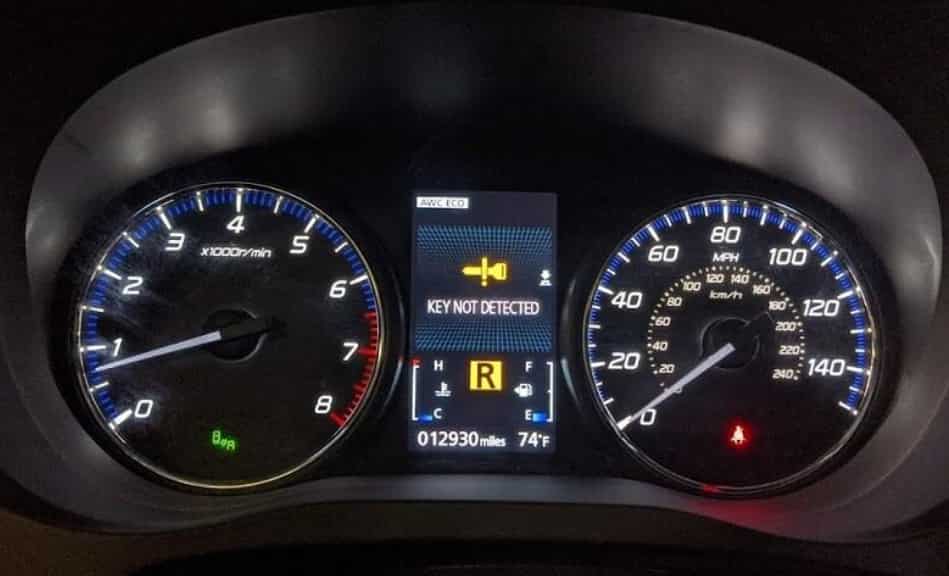
Hyundai Smart Key System Overview
The Hyundai Smart Key System controls vehicle access and engine start without using a traditional key. It works through wireless communication between the key fob and multiple vehicle systems. When the system functions correctly, the driver can unlock the doors and start the engine with a simple push button.
The Smart Key System includes several core components. The key fob acts as a signal transmitter. It sends a coded RF signal to the vehicle. The antenna system inside the car receives this signal and forwards it to the control units. The ECU processes the request and checks whether the signal matches a registered key. The immobilizer system adds an extra layer of security by confirming the identity of the key before allowing the engine to start.
These components depend on each other. The key fob alone cannot unlock or start the vehicle. The ECU will not respond if it does not receive a valid signal from the antenna system. The immobilizer will block ignition if it does not verify the key code. Because of this structure, a small failure in one part can stop the entire system from working.
Understanding this architecture is important before diagnosing Hyundai key fob not working issues. Many drivers replace the battery or the key fob without checking the system structure. A correct diagnosis always starts by understanding how the Smart Key System communicates internally.
Key Fob Battery Failure
One of the most common reasons for Hyundai key fob not working is a weak or dead battery. The key fob depends on a small internal battery to send RF signals to the vehicle. When the battery loses power, the signal becomes weak or disappears completely.
A failing battery often shows clear warning signs. The key fob may only work when it is very close to the car. The unlock response can become slow or inconsistent. In some cases, the push start button may not respond unless the key fob is placed near the emergency detection area inside the vehicle.
Most Hyundai key fobs use a CR2032 coin battery. This battery is small but plays a critical role in system communication. When the voltage drops below the required level, the RF signal becomes unstable. The vehicle may fail to detect the key even if it still works occasionally.
Replacing the battery is a simple process, but it must be done correctly. The battery must be installed in the correct direction. The contact points inside the key fob must be clean and secure. A loose or incorrect installation can create the same symptoms as a dead battery.
After replacement, the system usually restores normal function immediately. If the problem continues after installing a new battery, the issue is likely not related to power. In that case, further diagnosis is needed in other parts of the Smart Key System.
RF Signal Interference Issues
Another common reason for Hyundai key fob not working is RF signal interference. The key fob communicates with the vehicle through radio frequency signals. When this signal gets blocked or disrupted, the car may not respond even if the key fob battery is still working.
Signal interference often comes from the surrounding environment. Large parking structures, underground garages, and areas with strong electronic activity can reduce signal strength. Devices such as smartphones, routers, or other car key systems can also create noise that affects communication between the key fob and the vehicle.
In many cases, the problem appears suddenly and then disappears when the car is moved to a different location. This is a key sign that the issue is not related to hardware failure. Instead, it points to temporary signal disruption. If the key fob works normally outside a specific area, the RF environment is likely the cause.
It is also important to separate signal interference from internal system failure. If the vehicle consistently fails to detect the key in all locations, the issue is not environmental. It may involve the antenna system, ECU communication, or immobilizer validation.
Understanding RF signal behavior helps narrow down the diagnosis. It prevents unnecessary replacement of the key fob when the real issue is external interference.
Immobilizer System Problems
The immobilizer system plays a critical role in preventing unauthorized engine start. In Hyundai vehicles, it verifies whether the key fob is registered and valid before allowing ignition. When this system fails, the vehicle may not start even if the key fob still unlocks the doors.
A common symptom of immobilizer issues is a dashboard warning light related to security or key recognition. The engine may crank but not start, or the push start button may not respond at all. In some cases, the vehicle detects the key intermittently, which creates inconsistent starting behavior.
Immobilizer problems often happen when the key fob loses synchronization with the vehicle system. This can occur after battery replacement, software glitches, or electronic disruption. When synchronization is broken, the ECU cannot confirm the key identity. As a result, the system blocks ignition as a safety measure.
Another possible cause is a failure in the immobilizer module itself. This component stores encrypted key data and handles authentication. If it malfunctions, the vehicle will reject valid keys. This issue cannot be fixed by replacing the key fob battery and usually requires diagnostic tools.
Understanding the immobilizer system is essential when diagnosing Hyundai key fob not working issues. It helps distinguish between simple power problems and deeper security system failures.
ECU Communication Failure
The ECU is the central control unit that manages communication between the Smart Key System and the vehicle. When the ECU does not receive or process signals correctly, the Hyundai key fob not working issue can occur even if the key fob itself is fully functional.
ECU communication failure can happen for several reasons. Software glitches may interrupt signal processing between the antenna system and the immobilizer module. Electrical instability or low vehicle battery voltage can also affect ECU performance. In some cases, internal faults in the control unit can block or delay authentication requests from the key fob.
When this issue occurs, the symptoms often look similar to other Smart Key problems. The vehicle may not respond to unlock commands, or the push start button may fail to activate the ignition system. Unlike a battery or signal issue, ECU-related problems usually affect multiple functions at the same time.
A key sign of ECU communication failure is inconsistency. The system may work briefly and then stop without a clear pattern. In other cases, the vehicle may require multiple attempts before recognizing the key fob. This behavior indicates instability in data processing between system components.
Diagnosing ECU issues typically requires professional diagnostic tools. These tools can read error codes and identify communication breakdowns within the Smart Key System. Without proper diagnosis, replacing the key fob or battery will not resolve the problem.
Key Re Synchronization Process
When Hyundai key fob not working occurs after a battery change or signal disruption, the issue may come from lost synchronization between the key fob and the vehicle system. In this situation, the key is still functional, but the Smart Key System no longer recognizes it correctly.
Re synchronization helps restore communication between the key fob and the vehicle. In some cases, the system can recover automatically after replacing the battery. The driver only needs to press the key fob buttons near the vehicle or use the push start button with the key placed close to the emergency detection area.
However, not all synchronization issues can be fixed manually. If the immobilizer system or ECU has lost stored key data, the vehicle may require a reset using diagnostic equipment. This process is often performed at a dealership or by a trained technician.
A common sign that re synchronization is needed is partial functionality. For example, the key fob may unlock the doors but fail to start the engine. In other cases, the vehicle may recognize the key only at very close range. These symptoms indicate weak or broken communication between system components.
Understanding the re synchronization process helps avoid unnecessary replacement of the key fob. In many cases, the hardware is still working correctly, but the system connection needs to be restored.
Emergency Backup Key Usage
When Hyundai key fob not working completely, the emergency backup key becomes an important solution. Most Hyundai smart key systems include a hidden mechanical key inside the key fob. This backup key allows you to unlock the driver door manually when the electronic system fails.
To use the backup key, you first need to locate the release button on the key fob. This allows you to remove the mechanical key blade. The driver door handle usually has a concealed keyhole cover. Once you remove the cover, you can insert the mechanical key and unlock the vehicle manually.
Even when the door is unlocked, the engine may still not start through normal button operation. In this case, Hyundai vehicles often include an emergency start detection area inside the cabin. Placing the key fob close to this area allows the immobilizer system to detect the chip inside the key, even if the battery is dead.
This method bypasses RF signal transmission and relies on short range chip detection. It helps the vehicle recognize the key fob when normal wireless communication fails. However, this is only a temporary solution and does not fix the underlying issue.
Understanding the emergency backup system is important because it ensures access to the vehicle in critical situations. It also helps confirm whether the problem is related to battery failure or a deeper Smart Key System malfunction.
Key Fob Replacement Decision
When Hyundai key fob not working continues after all basic checks, the problem may come from hardware failure inside the key fob. At this stage, replacement becomes an important consideration. The issue may involve a damaged circuit board, broken RF transmitter, or a failed RFID chip that the vehicle can no longer recognize.
A key fob usually fails completely when internal components are physically damaged. Water exposure, strong impact, or long term wear can cause permanent malfunction. In these cases, replacing the battery or re synchronizing the system will not restore function.
Before deciding to replace the key fob, it is important to confirm that the problem is not related to the vehicle system. If other keys work normally with the same car, the issue is likely isolated to the faulty key fob. If no key works, the problem may involve the immobilizer, ECU, or antenna system instead.
Replacement involves more than just buying a new key fob. The new device must be programmed to match the vehicle’s security system. This process requires diagnostic equipment or dealer support. Without proper programming, the key fob will not communicate with the Smart Key System.
In many cases, replacement is the most reliable solution when internal damage is confirmed. However, correct diagnosis is essential to avoid unnecessary cost and ensure the real problem is addressed.
Conclusion
Hyundai key fob not working can come from multiple causes, and each cause affects a different part of the Smart Key System. The most common issues include battery failure, RF signal interference, immobilizer system errors, ECU communication problems, synchronization loss, and internal key fob damage.
A correct diagnosis always starts with simple checks. The key fob battery should be the first point of inspection. If the battery works correctly, the next step is to evaluate signal conditions and environmental interference. After that, the immobilizer system and ECU communication should be considered. This step by step approach helps avoid unnecessary replacement and reduces repair cost.
Many drivers make the mistake of replacing the key fob too early. In reality, the issue often comes from system level communication rather than hardware failure. Understanding how the Smart Key System works helps identify the real root cause faster and more accurately.
In more complex cases, professional diagnostic tools are required. These tools can read system errors and detect failures inside the ECU or immobilizer module. This ensures that repairs target the exact source of the problem instead of guessing.
By following a structured diagnostic process, you can handle Hyundai key fob not working issues more efficiently. This approach improves accuracy, saves time, and helps maintain the long term reliability of the vehicle’s Smart Key System.