If your Allison transmission has started shifting harder than usual, hesitating between gears, or behaving differently after maintenance, you may be wondering whether a reset can restore its normal performance. These symptoms are common concerns among truck owners, RV enthusiasts, and fleet operators who rely on Allison automatic transmissions for dependable operation.
An Allison transmission reset can help clear adaptive shift data stored in the Transmission Control Module (TCM), allowing the system to relearn your vehicle’s operating conditions. However, it’s important to understand that a reset is not a universal solution. While it may improve shift quality after certain repairs or maintenance procedures, it cannot fix worn clutches, damaged solenoids, low transmission fluid, or other mechanical failures.
In this comprehensive guide, you’ll learn exactly how to reset an Allison transmission safely, when a reset is recommended, and the tools you may need depending on your transmission model. We’ll also explain the adaptive relearn process, common mistakes to avoid, and troubleshooting tips if shifting problems continue after the reset. By following the correct procedure and understanding its limitations, you can help maintain smoother shifting and extend the life of your Allison transmission.
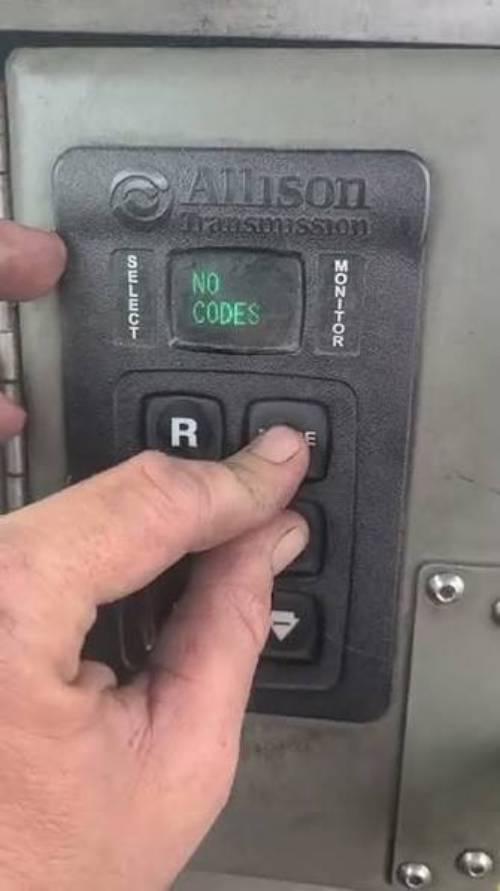
What Does an Allison Transmission Reset Do?
An Allison transmission reset is a procedure that clears the adaptive shift data stored in the Transmission Control Module (TCM). Over time, the TCM continuously monitors driving conditions, throttle input, engine load, vehicle weight, and driver behavior to optimize shift timing and clutch engagement. This process, known as adaptive learning, allows the transmission to deliver smoother and more efficient performance based on real-world operating conditions.
When you perform a reset, the TCM erases these learned values and returns to its factory baseline calibration. After the reset, the transmission begins collecting new data and gradually adjusts its shift strategy to match the current condition of the vehicle.
A reset is often recommended after replacing major transmission components, installing a new TCM, repairing valve body components, changing solenoids, or completing significant transmission maintenance. It can also help eliminate abnormal shift behavior that develops because the adaptive data no longer reflects the transmission’s current mechanical condition.
However, it is important to understand what a reset cannot accomplish. Resetting the TCM does not repair mechanical damage, worn clutch packs, leaking seals, faulty sensors, damaged wiring, or contaminated transmission fluid. If these issues are present, the transmission will continue to experience shifting problems even after the adaptive data has been cleared.
In short, an Allison transmission reset gives the control module a fresh starting point, allowing it to relearn proper shift characteristics. It should be viewed as part of a diagnostic or maintenance process rather than a standalone repair.
Signs Your Allison Transmission May Need a Reset
Not every transmission problem requires a reset. In many cases, abnormal shifting is caused by mechanical wear or electronic faults that must be diagnosed and repaired first. However, there are several situations where resetting the TCM can be beneficial.
One of the most common signs is harsh or abrupt shifting. If the transmission shifts aggressively between gears after maintenance or component replacement, the adaptive learning data may no longer match the transmission’s current operating condition.
Delayed gear engagement is another indicator. When there is an unusual pause before Drive or Reverse engages, especially after repairs, the TCM may benefit from relearning clutch engagement values.
Drivers may also notice inconsistent shift timing, where gear changes occur earlier or later than expected. This can happen when the adaptive memory has been influenced by changing driving conditions over thousands of miles.
A reset is commonly recommended after procedures such as replacing the transmission control module, installing new shift solenoids, rebuilding the transmission, replacing the valve body, or performing major internal repairs. Some technicians also perform a reset after replacing transmission fluid if the previous fluid was severely contaminated and affected shift quality.
In certain cases, disconnecting or replacing the vehicle battery may also require the TCM to relearn operating parameters, depending on the vehicle manufacturer and transmission configuration.
Before attempting any reset, always scan the vehicle for Diagnostic Trouble Codes (DTCs). Active fault codes related to sensors, wiring, pressure control, or solenoid performance should be repaired first. Resetting the transmission without addressing these underlying issues may temporarily mask symptoms but will not solve the actual problem.
Before You Begin
Proper preparation is essential before resetting an Allison transmission. Following the correct safety procedures helps prevent accidental damage and ensures the reset process is completed successfully.
Start by parking the vehicle on a flat, stable surface and applying the parking brake. If the service procedure requires the engine to be running, ensure the area is well ventilated and free of obstacles.
Verify that the transmission fluid is at the correct level and in good condition. Low, contaminated, or overheated transmission fluid can cause shifting problems that no reset procedure can resolve.
Next, check the vehicle’s battery voltage. A weak battery may interrupt communication with the TCM or cause the reset process to fail. If necessary, connect a battery maintainer before beginning any diagnostic work.
Gather the appropriate tools based on your vehicle and transmission model. Depending on the application, you may need:
- A professional OBD-II diagnostic scanner
- Allison DOC diagnostic software
- A manufacturer-approved scan tool capable of performing TCM resets
- The vehicle’s service manual or repair documentation
- Basic hand tools for accessing diagnostic connectors if required
It is equally important to identify the exact Allison transmission model installed in your vehicle. Reset procedures can vary between the Allison 1000, 2000, 3000, and 4000 Series, as well as between different vehicle manufacturers. Following an incorrect procedure may prevent the adaptive reset from completing properly or result in inaccurate relearn behavior.
Finally, remember that some Allison transmissions require specialized diagnostic software to clear adaptive learning values. Simply disconnecting the battery is generally not considered a complete TCM reset and should not be relied upon unless specifically stated in the manufacturer’s service documentation.
Step by Step: How to Reset an Allison Transmission
Resetting an Allison transmission should always begin with diagnosing the vehicle rather than immediately clearing adaptive memory. The exact procedure varies depending on the transmission model, vehicle manufacturer, and whether a professional diagnostic tool is available. Following the correct sequence helps ensure the reset is successful and prevents unnecessary complications.
Step 1: Identify Your Allison Transmission Model
Before performing any reset, determine which Allison transmission is installed in your vehicle. Common models include the Allison 1000, 2000, 3000, and 4000 Series. You can usually find this information on the transmission identification plate, in the owner’s manual, or through the vehicle’s VIN. Different models may require different reset procedures and diagnostic software.
Step 2: Scan for Diagnostic Trouble Codes
Connect a compatible OBD-II scanner or an Allison-approved diagnostic tool to the vehicle’s diagnostic port. Retrieve all stored and pending Diagnostic Trouble Codes (DTCs). If fault codes are present, record them before clearing anything. These codes provide valuable information about electrical, hydraulic, or mechanical issues that may be affecting transmission performance.
Step 3: Repair Existing Problems First
Never perform a reset as a substitute for proper repairs. If the scanner reports faulty speed sensors, pressure control solenoids, wiring faults, or fluid pressure issues, these problems should be corrected before resetting the TCM. Clearing adaptive memory without fixing the underlying cause often results in the same symptoms returning within a short period.
Step 4: Perform the TCM Reset
Using a professional scan tool or Allison DOC software, navigate to the transmission control functions and select the option to clear adaptive learning or reset shift adapts. Follow the on-screen instructions carefully. During this process, the TCM erases the learned shift characteristics that have accumulated over time.
Some vehicle manufacturers provide specific ignition cycles or service procedures that must be completed during the reset. Always refer to the official service manual for your vehicle to ensure compliance with manufacturer recommendations.
Step 5: Cycle the Ignition
After the reset is complete, switch the ignition off for approximately one minute. Restart the engine and verify that no warning lights remain illuminated. If new diagnostic codes appear immediately after restarting, investigate the issue before proceeding with the relearn process.
Step 6: Verify Normal Operation
With the engine running, check that the transmission engages Drive and Reverse normally. Listen for abnormal noises, monitor transmission temperature if available, and verify that there are no leaks or warning messages before taking the vehicle on the road.
How to Perform the Allison Transmission Relearn Procedure
Resetting the adaptive memory is only the first step. Once the TCM has been cleared, it must rebuild its shift strategy by observing real driving conditions. This process is known as the adaptive relearn procedure.
During the relearn period, the transmission gradually adjusts clutch fill times, shift pressure, and gear engagement based on throttle position, engine torque, vehicle load, and driving style. Initially, shifts may feel firmer, softer, or slightly delayed compared to normal operation. This temporary behavior is expected while the TCM collects new operating data.
Begin the relearn by driving the vehicle under normal conditions. Accelerate smoothly through each forward gear without sudden throttle inputs. Maintain steady speeds whenever possible and allow the transmission to complete each upshift and downshift naturally. Avoid aggressive acceleration, heavy towing, or steep grades until the relearn process has progressed.
Many technicians recommend completing a variety of driving conditions, including city traffic, moderate highway cruising, and several complete stops. This allows the TCM to collect sufficient information across different operating scenarios.
The relearn process does not happen instantly. Depending on the transmission model, vehicle application, and driving conditions, noticeable improvements may occur after 20 to 50 miles of driving, while full adaptive optimization can require between 100 and 300 miles. Vehicles that frequently tow heavy loads or operate in commercial applications may require additional drive cycles before shift quality is fully optimized.
If harsh shifting, slipping, delayed engagement, or abnormal transmission behavior continues after completing the relearn process, additional diagnostics should be performed because the issue is likely mechanical or electrical rather than adaptive.
Common Mistakes to Avoid
Many transmission problems become more difficult to diagnose because owners perform an Allison transmission reset without understanding when it is appropriate. Avoiding several common mistakes can save both time and repair costs.
One of the biggest mistakes is assuming that resetting the TCM will repair every transmission issue. A reset cannot restore worn clutch packs, damaged torque converters, failed solenoids, leaking valve bodies, or contaminated transmission fluid. Mechanical failures require proper inspection and repair.
Another common error is skipping the diagnostic scan before performing the reset. Active fault codes often identify the root cause of shifting problems. Clearing adaptive memory without reading these codes may erase valuable diagnostic information and make troubleshooting more difficult.
Many vehicle owners also believe that disconnecting the battery completely resets the Allison transmission. While battery disconnection may reset certain vehicle control modules on some applications, it generally does not perform a complete adaptive reset on modern Allison transmissions equipped with dedicated TCM programming. Professional diagnostic equipment is often required to clear adaptive learning values correctly.
Ignoring the relearn procedure is another frequent mistake. After resetting the TCM, immediately returning to heavy towing, aggressive acceleration, or demanding driving conditions prevents the transmission from developing accurate adaptive data. This can lead to inconsistent shift quality and longer adaptation times.
Using incompatible diagnostic equipment may also produce incomplete resets or communication errors. Always verify that your scan tool supports Allison transmission functions before attempting to clear adaptive memory.
Finally, never overlook basic maintenance items such as transmission fluid level, fluid condition, electrical connectors, battery voltage, and wiring integrity. Many apparent transmission problems are caused by these simple issues rather than faulty adaptive learning, and addressing them first can often eliminate the need for a reset altogether.
Troubleshooting After the Reset
If your Allison transmission continues to experience shifting issues after the reset and relearn procedure, the problem likely extends beyond adaptive learning. While resetting the TCM can improve shift quality in certain situations, it cannot compensate for mechanical wear or electronic component failures. A systematic inspection is the best way to identify the underlying cause.
Begin by scanning the transmission again for Diagnostic Trouble Codes. Some faults may not appear until the vehicle has completed several drive cycles after the reset. Codes related to input speed sensors, output speed sensors, pressure control solenoids, shift solenoids, or communication errors should be investigated immediately.
Next, inspect the transmission fluid. Low fluid levels, burnt fluid, or contaminated fluid can all cause poor shift quality. Healthy Allison transmission fluid should appear clean and maintain the color specified by the manufacturer. A strong burnt odor, excessive discoloration, or visible metal particles may indicate internal wear that requires professional inspection.
Electrical connections should also be examined carefully. Loose connectors, corroded terminals, damaged wiring harnesses, or poor grounding can interrupt communication between the TCM and the transmission. Even intermittent electrical faults can produce inconsistent shifting and false diagnostic codes.
If the transmission remains in limp mode after the reset, the TCM is likely protecting the transmission from further damage. In this situation, simply resetting the module will not solve the issue. The fault that triggered limp mode must be identified and repaired before normal operation can resume.
Drivers who continue experiencing slipping, delayed engagement, harsh gear changes, or unusual noises should avoid operating the vehicle under heavy loads. Continuing to drive with unresolved transmission problems can accelerate internal wear and lead to significantly higher repair costs.
If no obvious problems are found and the transmission still performs poorly after completing the relearn process, consult an authorized Allison service center or a qualified transmission specialist. Professional diagnostic equipment can monitor live transmission data, clutch pressures, adaptive values, and solenoid performance that are not accessible through basic OBD-II scanners.
Frequently Asked Questions
Can I reset an Allison transmission without a scan tool?
In most cases, no. Modern Allison transmissions typically require a professional diagnostic scanner or Allison DOC software to properly clear adaptive learning values and perform a TCM reset. While disconnecting the battery may reset certain electronic systems on some vehicles, it usually does not perform a complete transmission adaptive reset.
Does disconnecting the battery reset the Allison transmission?
Disconnecting the battery is generally not considered a complete Allison transmission reset. Although it may temporarily clear some vehicle memory depending on the manufacturer, the Transmission Control Module often retains adaptive data or requires specialized software to erase learned shift values correctly.
How long does the Allison transmission relearn process take?
Initial improvements are often noticeable after approximately 20 to 50 miles of normal driving. However, complete adaptive learning may require between 100 and 300 miles depending on the transmission model, driving habits, vehicle load, and operating conditions.
Will resetting the transmission fix hard shifting?
It depends on the cause. If harsh shifting results from outdated adaptive learning after maintenance or component replacement, a reset followed by a proper relearn procedure may improve performance. However, if the problem is caused by worn internal components, faulty solenoids, contaminated fluid, or electrical failures, resetting the TCM will not resolve the issue.
Is it safe to reset an Allison transmission?
Yes, when performed using the correct procedure and appropriate diagnostic equipment. The reset itself does not damage the transmission. Problems typically occur when owners reset the system without diagnosing existing faults or fail to complete the required relearn procedure afterward.
Can a reset erase transmission fault codes?
Some diagnostic tools allow both adaptive memory and fault codes to be cleared at the same time. However, clearing Diagnostic Trouble Codes does not repair the underlying problem. If the fault still exists, the code will usually return after the vehicle completes one or more drive cycles.
Conclusion
Knowing how to reset an Allison transmission can be valuable when troubleshooting shift quality issues after maintenance, component replacement, or Transmission Control Module updates. By clearing adaptive learning data and allowing the transmission to relearn current operating conditions, a properly executed reset can restore smoother shifting and improve overall drivability.
However, it is important to remember that a transmission reset is a maintenance procedure rather than a mechanical repair. Problems such as worn clutch packs, damaged solenoids, faulty sensors, contaminated fluid, or internal transmission wear cannot be corrected simply by clearing adaptive memory. Performing a complete diagnostic inspection before resetting the TCM is always the recommended approach.
Following the correct reset procedure, using compatible diagnostic equipment, and completing the adaptive relearn drive cycle are essential steps for achieving the best results. Skipping any of these stages may lead to inconsistent shift performance or unnecessary repeat repairs.
If your Allison transmission continues to experience hard shifting, delayed engagement, slipping, or warning codes after the relearn process has been completed, professional diagnosis is the safest course of action. Identifying and repairing the root cause early can prevent more extensive transmission damage and help extend the service life of one of the industry’s most reliable automatic transmissions.
With proper maintenance, regular fluid service, and correct diagnostic procedures, an Allison transmission can deliver dependable performance for hundreds of thousands of miles, making it a trusted choice for trucks, motorhomes, commercial fleets, and heavy-duty applications.