The GM 5.7L Vortec engine has earned a legendary reputation among truck enthusiasts for one simple reason: it combines impressive reliability with excellent upgrade potential. Found in countless Chevrolet and GMC trucks, SUVs, and vans throughout the late 1990s and early 2000s, the L31 Vortec remains a favorite for drivers who want dependable performance without investing in a complete engine swap. Even decades after its release, this small-block V8 continues to prove that age is no obstacle when the right performance modifications are applied.
However, many owners eventually notice that a stock 5.7 Vortec no longer delivers the acceleration or towing performance expected in today’s driving conditions. Whether you’re hauling heavy loads, navigating steep terrain, or simply looking for stronger throttle response, the factory setup can begin to feel underpowered. The aftermarket offers hundreds of upgrade options, but not every modification delivers meaningful horsepower gains. Spending money on the wrong parts can quickly become an expensive mistake while producing little improvement.
The good news is that the best 5.7 Vortec performance upgrades are well understood and have been tested by thousands of enthusiasts over the years. From simple bolt-on components like cold air intakes and high-flow exhaust systems to more advanced modifications such as performance camshafts, cylinder heads, and ECU tuning, each upgrade plays a different role in unlocking your engine’s true potential.
In this guide, we’ll rank the most effective 5.7 Vortec performance upgrades based on real-world horsepower gains, cost, installation difficulty, and long-term reliability. Whether you’re building a dependable daily driver, improving towing capability, or chasing maximum naturally aspirated power, you’ll learn which modifications are worth your investment and which ones are best left on the shelf.
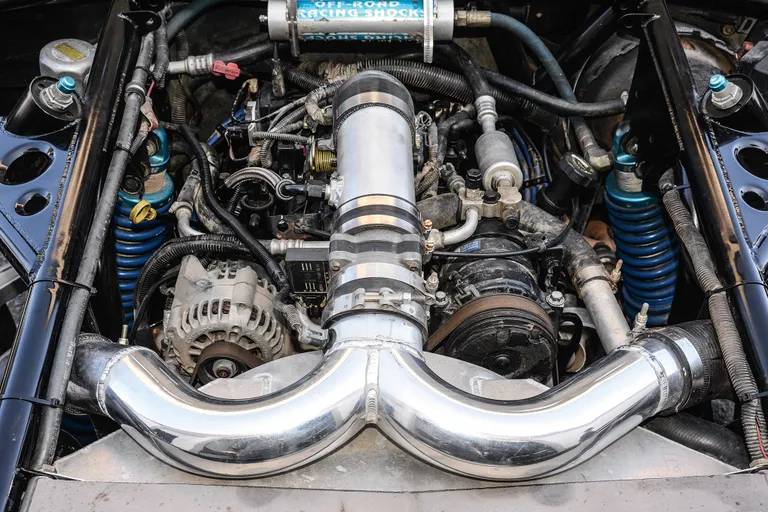
Before You Upgrade Your 5.7 Vortec
Installing aftermarket parts is exciting, but achieving real horsepower gains starts with a healthy engine. Many owners invest in expensive performance components only to discover that worn ignition parts, low compression, or restricted fuel delivery prevent the engine from reaching its potential. Before purchasing upgrades, spend some time evaluating the overall condition of your 5.7 Vortec.
Begin with a compression test to verify that all cylinders produce consistent readings. Large differences between cylinders may indicate worn piston rings, leaking valves, or head gasket issues that should be repaired before any performance modifications. A leak-down test provides even more detailed information about the engine’s internal condition and can help identify problems that a compression test alone might miss.
Next, inspect the ignition system. Old spark plugs, worn ignition wires, a weak distributor cap, or a failing rotor can all reduce combustion efficiency and rob horsepower. Replacing these maintenance items often restores lost performance and creates a solid foundation for future upgrades.
Fuel delivery is equally important. Verify that the fuel pump maintains proper pressure and replace a clogged fuel filter if necessary. Dirty fuel injectors can create uneven air-fuel mixtures, leading to poor throttle response and reduced power. Cleaning or servicing the injectors is often a worthwhile investment before installing larger performance components.
Routine maintenance should never be overlooked. Fresh engine oil, clean coolant, a properly functioning thermostat, and a clean air filter all contribute to reliable operation. Vacuum leaks, exhaust leaks, and aging sensors such as the oxygen sensor or mass airflow sensor can also reduce engine efficiency and should be addressed before modifying the engine.
Taking the time to establish a healthy baseline ensures that every dollar spent on performance parts produces measurable results. A well-maintained stock engine will always respond better to upgrades than one with unresolved mechanical issues.
1. Cold Air Intake
A cold air intake is one of the most popular entry-level 5.7 Vortec performance upgrades because it improves airflow into the engine without requiring extensive mechanical work. The factory intake system is designed to balance noise reduction, emissions compliance, and cost, but it can become restrictive at higher engine speeds. A performance intake reduces airflow resistance and allows the engine to breathe more efficiently.
Although many manufacturers advertise significant horsepower increases, realistic expectations are important. On an otherwise stock 5.7 Vortec, a quality cold air intake typically produces a modest gain of around 5 to 10 horsepower. While the peak horsepower increase may seem small, many drivers notice a sharper throttle response and smoother acceleration throughout the RPM range. These improvements become more noticeable when combined with other airflow modifications such as headers and a performance exhaust system.
A cold air intake works by drawing cooler, denser air from outside the engine bay. Cooler air contains more oxygen than hot underhood air, allowing the engine to burn fuel more efficiently. This improved combustion can increase power while also enhancing engine responsiveness.
Advantages
Higher airflow efficiency
Improved throttle response
Simple installation for most DIY enthusiasts
Reusable high-flow air filters
Excellent foundation for future upgrades
Disadvantages
Modest horsepower gains when installed alone
Low-quality kits may draw hot engine bay air instead of cool outside air
Requires regular cleaning and maintenance of reusable filters
Best For
Owners looking for an affordable first modification that complements future performance upgrades while maintaining factory reliability.
2. Performance Exhaust System
Improving exhaust flow is another highly effective way to increase horsepower on the 5.7 Vortec engine. The factory exhaust system is engineered primarily for quiet operation and emissions compliance, often sacrificing performance in the process. Replacing restrictive factory components with a high-flow cat-back exhaust allows exhaust gases to exit the engine more efficiently, reducing pumping losses and improving overall engine breathing.
A quality cat-back exhaust system typically includes mandrel-bent tubing, a performance muffler, and larger diameter piping. These components reduce exhaust restriction while maintaining proper exhaust velocity. The result is improved horsepower, increased torque, and a more aggressive exhaust note without dramatically affecting daily drivability.
Most naturally aspirated 5.7 Vortec engines see gains of approximately 8 to 15 horsepower from a well-designed cat-back system, especially when paired with a cold air intake and headers. Drivers often notice stronger mid-range acceleration, improved towing performance, and quicker throttle response rather than dramatic increases in peak horsepower.
Selecting the correct pipe diameter is important. Oversized exhaust tubing can actually reduce low-end torque by slowing exhaust gas velocity. For most street-driven 5.7 Vortec applications, a 2.5-inch dual exhaust or a properly engineered 3-inch single system provides an excellent balance between power and drivability.
Advantages
Better exhaust flow
Improved horsepower and torque
Enhanced engine sound
Excellent durability with stainless steel systems
Works well with future modifications
Disadvantages
Premium systems can be expensive
Installation may require cutting or welding on older vehicles
Some aggressive mufflers may create cabin drone during highway driving
Best For
Truck owners seeking a noticeable improvement in both engine performance and exhaust sound without compromising everyday reliability.
3. Long Tube Headers
If you’re looking for one of the most effective bolt-on 5.7 Vortec performance upgrades, long tube headers deserve serious consideration. Unlike the restrictive cast iron exhaust manifolds installed at the factory, long tube headers use carefully designed primary tubes that improve exhaust scavenging. This allows spent exhaust gases to leave the combustion chamber more efficiently while helping draw fresh air and fuel into the next combustion cycle.
The benefits become especially noticeable throughout the mid-range and upper RPM band, where the factory manifolds begin to limit airflow. Depending on the overall build and supporting modifications, quality long tube headers can add anywhere from 15 to 25 horsepower while also increasing torque. Many enthusiasts consider them one of the highest value upgrades available for naturally aspirated small-block Chevrolet engines.
Headers perform best when paired with a free-flowing exhaust system and proper ECU tuning. Without these supporting modifications, the full performance potential may not be realized. Installation is also more involved than other bolt-on upgrades, often requiring additional labor to access mounting bolts and properly align the exhaust system.
When shopping for headers, look for ceramic-coated or stainless steel models. Ceramic coatings reduce underhood temperatures and improve corrosion resistance, while stainless steel provides exceptional durability for long-term use. Investing in high-quality gaskets and hardware also helps prevent exhaust leaks after installation.
Advantages
Excellent horsepower gains
Improved torque across a broad RPM range
Reduced exhaust restriction
Outstanding complement to future engine upgrades
Disadvantages
More difficult installation than most bolt-on modifications
Higher cost than intake or exhaust upgrades alone
ECU tuning is recommended to maximize performance
Best For
Performance enthusiasts building a naturally aspirated 5.7 Vortec who want substantial horsepower gains while preparing the engine for future upgrades such as a performance camshaft or cylinder head modifications.
4. Larger Throttle Body
Upgrading to a larger throttle body is often marketed as an easy way to unlock extra horsepower, but understanding its role in the intake system is essential before making the investment. The throttle body controls the amount of air entering the engine. Increasing its diameter allows more airflow at higher engine speeds, but only if the rest of the engine is capable of using that additional air efficiently.
On a stock 5.7 Vortec engine, replacing the factory throttle body with a larger unit typically delivers only modest performance gains. Most owners can expect an increase of approximately 3 to 8 horsepower, with the most noticeable improvement being quicker throttle response rather than dramatic peak power. This is because the factory cylinder heads, intake manifold, and camshaft become the limiting factors long before the stock throttle body reaches its airflow capacity.
A larger throttle body becomes much more effective when paired with supporting modifications such as a high-flow intake, long tube headers, performance camshaft, ported cylinder heads, and professional ECU tuning. Together, these upgrades create an engine that demands significantly more airflow, allowing the larger throttle body to contribute meaningful horsepower gains.
Choosing the correct size is equally important. An oversized throttle body may reduce air velocity at lower engine speeds, resulting in sluggish throttle response and reduced low-end torque. For most naturally aspirated street-driven 5.7 Vortec engines, selecting a throttle body designed specifically for the intended horsepower range provides the best balance between drivability and performance.
Advantages
Improves throttle response
Supports future airflow modifications
Simple bolt-on installation
Works well with performance intake systems
Disadvantages
Limited horsepower gains on stock engines
Requires additional modifications for maximum effectiveness
Oversized units may reduce low-speed drivability
Best For
Owners planning a complete airflow upgrade package rather than a single standalone modification.
5. Performance Camshaft
For enthusiasts seeking the biggest horsepower increase without adding forced induction, a performance camshaft is widely considered the most rewarding 5.7 Vortec performance upgrade. The camshaft determines when the intake and exhaust valves open and close, directly affecting how efficiently the engine breathes across the RPM range. By increasing valve lift and duration, a performance camshaft allows the engine to move significantly more air, resulting in substantial gains in horsepower and torque.
Depending on the camshaft profile and supporting modifications, a properly selected camshaft can increase output by 30 to 60 horsepower or more. Aggressive camshafts shift the engine’s power band toward higher RPM, making them ideal for performance builds, while mild towing or street cams emphasize low-end torque and everyday drivability.
Installing a camshaft requires more than simply replacing one component. Higher lift camshafts often require upgraded valve springs, retainers, pushrods, and lifters to ensure reliable valve control. ECU tuning is also essential to optimize ignition timing, fuel delivery, and idle characteristics. Skipping these supporting modifications can reduce performance, create drivability issues, and shorten engine life.
When selecting a camshaft, consider how the vehicle will be used. Daily drivers and tow vehicles generally benefit from conservative cam profiles that preserve idle quality and low-speed torque. Performance-oriented trucks and weekend project vehicles can take advantage of more aggressive camshafts that prioritize maximum horsepower at higher engine speeds.
Although installation is considerably more complex than bolt-on modifications, the performance improvement is dramatic enough that many enthusiasts consider the camshaft the turning point between a mildly modified truck and a genuinely powerful street machine.
Advantages
Largest horsepower gain among naturally aspirated upgrades
Improves engine breathing throughout the RPM range
Excellent foundation for future engine modifications
Can be tailored for street, towing, or racing applications
Disadvantages
Higher installation cost and labor
Requires multiple supporting components
Professional ECU tuning is strongly recommended
May produce a rough idle with aggressive cam profiles
Best For
Owners committed to building a high-performance naturally aspirated 5.7 Vortec with significantly increased horsepower.
6. Cylinder Head Upgrades
Cylinder heads play a critical role in determining how much power any naturally aspirated engine can produce. While the factory L31 Vortec heads were considered a major improvement over earlier small-block Chevrolet designs, they still leave room for significant airflow improvements. Upgrading to high-performance cylinder heads is one of the most effective ways to unlock additional horsepower, particularly when combined with a performance camshaft and free-flowing exhaust.
Several upgrade paths are available depending on budget and performance goals. Ported factory Vortec heads provide an affordable option by improving airflow through carefully reshaped intake and exhaust ports. For enthusiasts seeking maximum performance, aftermarket aluminum cylinder heads offer larger intake runners, improved combustion chamber designs, and significantly higher airflow while reducing engine weight.
On a properly matched engine combination, upgraded cylinder heads can contribute 30 to 50 additional horsepower or even more when paired with a performance camshaft, headers, and ECU tuning. The increased airflow not only improves peak horsepower but also enhances throttle response and broadens the engine’s usable power band.
Selecting cylinder heads should never be based solely on airflow numbers. Valve size, combustion chamber volume, compression ratio, and compatibility with the existing camshaft all influence the engine’s final performance. Choosing components that complement one another produces far better results than simply installing the largest or most expensive parts available.
Although cylinder head upgrades require a larger financial investment and more labor than most bolt-on modifications, they represent one of the highest-value upgrades for owners pursuing serious naturally aspirated horsepower. Combined with proper tuning, they can completely transform the driving experience while maintaining the legendary durability that has made the 5.7 Vortec engine so popular.
Advantages
Major increase in airflow and horsepower
Improves both peak power and torque
Excellent upgrade for naturally aspirated builds
Supports future high-performance modifications
Disadvantages
Higher cost than most bolt-on upgrades
Requires significant installation time
Often performed alongside camshaft replacement
Professional tuning is recommended for optimal performance
Best For
Enthusiasts building a complete performance engine who want to maximize the horsepower potential of the legendary GM 5.7L L31 Vortec.
7. ECU Tune
After installing airflow and valvetrain upgrades, an ECU tune becomes one of the most valuable investments you can make. Many owners overlook engine tuning, assuming that bolt-on parts alone will deliver their advertised horsepower gains. In reality, the factory engine control unit is calibrated for stock components, emissions compliance, fuel economy, and long-term reliability rather than maximum performance. Without recalibrating the ECU, your upgraded engine may never reach its full potential.
A professional tune adjusts critical parameters such as ignition timing, fuel mapping, idle speed, rev limiter, and transmission shift points on automatic-equipped trucks. These adjustments allow the engine to take full advantage of increased airflow from modifications like long tube headers, performance camshafts, larger throttle bodies, and upgraded cylinder heads.
One of the biggest benefits of tuning is optimizing the air-fuel ratio throughout the RPM range. A mixture that is too rich wastes fuel and reduces power, while a mixture that is too lean can increase combustion temperatures and potentially damage the engine. Proper tuning finds the ideal balance for both performance and reliability.
Drivers often notice improvements beyond peak horsepower. Throttle response becomes more immediate, acceleration feels smoother, automatic transmissions shift more confidently, and engine hesitation is greatly reduced. Depending on the combination of modifications, a custom tune can contribute an additional 10 to 20 horsepower while maximizing the gains from every other upgrade.
Generic handheld programmers can provide minor improvements, but custom dyno tuning remains the gold standard for heavily modified engines. Every 5.7 Vortec build is unique, and a custom calibration accounts for differences in airflow, fuel delivery, camshaft specifications, and operating conditions.
Advantages
Maximizes the effectiveness of all performance upgrades
Improves horsepower and torque
Enhances throttle response and drivability
Optimizes fuel and ignition timing
Can improve automatic transmission behavior
Disadvantages
Requires professional equipment or experienced tuning knowledge
Custom dyno tuning costs more than generic programmers
Poor tuning can reduce reliability and engine life
Best For
Every modified 5.7 Vortec, especially engines equipped with headers, camshafts, cylinder heads, or other major airflow improvements.
8. Upgraded Fuel Injectors
Fuel injectors are responsible for delivering the precise amount of fuel needed for efficient combustion. As horsepower increases, the stock injectors may eventually reach their maximum duty cycle, limiting engine performance and potentially creating a dangerously lean condition. Upgrading to larger injectors ensures that the engine receives sufficient fuel to match the increased airflow created by other performance modifications.
For mildly modified 5.7 Vortec engines equipped with basic bolt-on parts, the factory injectors are usually adequate. However, once significant upgrades such as performance camshafts, high-flow cylinder heads, or increased compression are introduced, larger injectors become an important supporting modification.
Selecting the proper injector size is critical. Many enthusiasts mistakenly assume that larger injectors automatically produce more horsepower. In reality, oversized injectors without proper tuning can create excessive fuel delivery, poor idle quality, rough cold starts, and reduced fuel economy. Injector sizing should always match the engine’s projected horsepower goals rather than simply choosing the largest available option.
Professional ECU tuning is required after installing larger injectors. The engine management system must be recalibrated to account for the increased fuel flow, ensuring smooth operation under all driving conditions.
When properly matched with the overall engine combination, upgraded injectors provide the fuel capacity necessary to support reliable horsepower gains while protecting the engine under heavy load and high RPM operation.
Advantages
Supports higher horsepower builds
Provides adequate fuel for increased airflow
Improves reliability during heavy engine loads
Essential for advanced naturally aspirated combinations
Disadvantages
Usually unnecessary for lightly modified engines
Requires professional ECU calibration
Incorrect sizing can negatively affect drivability
Best For
Engines producing significantly more power than stock through camshaft, cylinder head, or other major airflow upgrades.
9. Roller Rockers
Roller rockers may not generate the impressive horsepower numbers advertised by larger engine modifications, but they remain an excellent upgrade for improving valvetrain efficiency and long-term reliability. By replacing the factory stamped steel rocker arms with precision roller rockers, friction within the valve train is reduced, allowing the engine to operate more efficiently at higher engine speeds.
The roller tip minimizes resistance as it contacts the valve stem, while higher-quality bearings reduce friction throughout the rocker assembly. These improvements help maintain more consistent valve motion, particularly in engines equipped with performance camshafts that place greater demands on the valvetrain.
Horsepower gains are generally modest, typically ranging from 5 to 10 horsepower depending on the overall engine combination. However, roller rockers contribute more than just additional power. They improve valve control, reduce wear on critical components, and increase durability during sustained high-RPM operation.
Another benefit is the ability to select different rocker arm ratios. Increasing the rocker ratio effectively increases valve lift without changing the camshaft itself, allowing experienced builders to fine-tune engine performance. This modification should be approached carefully, as higher ratios must remain compatible with valve springs, piston-to-valve clearance, and the camshaft design.
Quality roller rockers also improve reliability in engines that see frequent towing, spirited driving, or occasional track use. Although they are rarely the first modification enthusiasts install, they become an excellent supporting upgrade once airflow improvements and camshaft modifications are in place.
Advantages
Reduces valvetrain friction
Improves valve stability at higher RPM
Supports performance camshaft upgrades
Enhances long-term durability
Provides modest horsepower improvements
Disadvantages
Limited gains when installed on an otherwise stock engine
Requires proper adjustment during installation
Premium brands are relatively expensive
Best For
Performance enthusiasts seeking improved valvetrain reliability and additional efficiency as part of a complete engine build.
10. Ignition Upgrades
An efficient ignition system is essential for extracting every bit of power from a modified 5.7 Vortec engine. While the factory ignition components are reliable for stock applications, they can become a limiting factor as horsepower increases. Upgraded ignition parts provide a stronger and more consistent spark, ensuring the air-fuel mixture burns completely under all operating conditions.
The most common ignition upgrades include high-performance spark plugs, low-resistance spark plug wires, premium distributor caps and rotors, high-output ignition coils, and aftermarket ignition control systems from reputable manufacturers. Although none of these components deliver dramatic horsepower gains individually, they work together to improve combustion efficiency and engine reliability.
On mildly modified engines, ignition upgrades typically add between 2 and 5 horsepower. The real benefit, however, comes from improved throttle response, smoother idle, easier cold starts, and reduced misfires under heavy acceleration. These improvements become increasingly important after installing a performance camshaft or raising cylinder pressure with higher compression components.
Choosing the correct spark plugs is also important. Heat range, electrode material, and spark plug gap should match the engine’s level of modification. Installing plugs that are too hot or too cold can negatively affect both performance and durability. Likewise, premium ignition wires help maintain consistent voltage delivery while resisting heat damage from aftermarket headers.
Rather than viewing ignition upgrades as standalone horsepower modifications, think of them as insurance for your entire performance build. A strong ignition system allows every other upgrade to perform consistently while reducing the risk of misfires that can rob power or damage engine components over time.
Advantages
Produces a stronger and more reliable spark
Improves throttle response and engine smoothness
Reduces misfires under heavy load
Supports future horsepower increases
Improves cold-start performance
Disadvantages
Minimal horsepower gains on stock engines
High-end ignition systems can be expensive
Proper component selection is essential
Best For
Owners completing a full performance build who want maximum reliability and consistent combustion under all driving conditions.
Best Upgrade Combinations
Choosing the right combination of upgrades is often more important than purchasing the most expensive parts. Components that complement one another produce significantly better results than random modifications installed without a clear plan. Below are three proven upgrade paths based on different budgets and performance goals.
Budget Build
If your goal is to wake up a stock 5.7 Vortec without spending a fortune, focus on simple bolt-on modifications that improve airflow and restore lost performance.
Recommended upgrades include:
Quality cold air intake
High-flow reusable air filter
Cat-back performance exhaust
Complete ignition tune-up
Fresh spark plugs and wires
Fuel system cleaning
Estimated horsepower gain is approximately 15 to 25 horsepower while maintaining factory reliability and fuel economy. This setup is ideal for daily drivers and towing vehicles that need stronger throttle response without sacrificing durability.
Mid-Level Performance Build
Drivers looking for a noticeable jump in power should combine multiple airflow improvements with engine tuning.
Recommended upgrades include:
Cold air intake
Long tube headers
High-flow exhaust system
Larger throttle body
Professional ECU tune
Roller rockers
These modifications work together to improve engine breathing across the entire RPM range. Most properly tuned combinations produce gains of approximately 40 to 70 horsepower while maintaining excellent street manners. This package offers one of the best performance-to-cost ratios available for the 5.7 Vortec engine.
Maximum Naturally Aspirated Build
For enthusiasts chasing every available horsepower without adding a supercharger or turbocharger, a complete engine combination is required.
Recommended upgrades include:
Performance camshaft
Ported or aftermarket aluminum cylinder heads
Long tube headers
High-flow intake system
Larger throttle body
Performance fuel injectors
Roller rockers
Complete ignition upgrade
Custom dyno ECU tuning
Depending on component selection and engine condition, these builds commonly produce between 350 and 400 horsepower at the crankshaft. Well-planned combinations deliver impressive acceleration while preserving the legendary durability of the GM small-block platform.
Upgrades That Aren’t Worth the Money
Not every aftermarket part advertised for the 5.7 Vortec delivers real performance improvements. Many products promise unrealistic horsepower gains while offering little measurable benefit. Understanding which upgrades to avoid can save hundreds or even thousands of dollars.
Cheap Performance Chips
Many inexpensive plug-in performance chips claim gains of 30 to 60 horsepower within minutes of installation. In reality, these devices rarely modify the factory ECU calibration in any meaningful way. Most simply alter sensor signals, which may actually reduce engine efficiency rather than improve it. A professional custom tune provides far greater value and measurable results.
Oversized Throttle Bodies on Stock Engines
A throttle body that is significantly larger than the engine requires will not magically increase horsepower. Without supporting airflow modifications such as cylinder heads, camshaft upgrades, and headers, the larger throttle body often delivers little more than a lighter wallet.
Electric Turbo Fans
Electric intake fans marketed as “electric superchargers” cannot compress enough air to increase engine output. In many cases, they actually become an airflow restriction because the fan blades obstruct incoming air at higher engine speeds. These products are widely regarded as ineffective by experienced engine builders.
Low-Quality Cold Air Intakes
Not every intake system is an upgrade. Poorly designed kits that pull hot air from inside the engine compartment can reduce performance compared to the factory intake. Look for systems that draw cooler outside air and use properly engineered tubing for smooth airflow.
Miracle Fuel Additives
Fuel additives can help clean injectors and remove deposits, but they cannot produce dramatic horsepower gains. Products claiming increases of 20 horsepower or more without mechanical modifications should be viewed with skepticism. Regular maintenance and quality fuel are far more beneficial than relying on miracle chemicals.
Avoiding ineffective products allows you to focus your budget on upgrades that have been proven through real-world testing. Investing in quality components, proper installation, and professional tuning will always produce better results than chasing unrealistic marketing claims.
Frequently Asked Questions
How Much Horsepower Does a Stock 5.7 Vortec Make?
The GM 5.7L L31 Vortec engine was factory rated at approximately 255 horsepower and 330 lb-ft of torque, although exact figures vary depending on the vehicle model and production year. While these numbers were competitive when the engine debuted, modern trucks often produce significantly more power. Fortunately, the 5.7 Vortec responds exceptionally well to carefully selected performance upgrades, allowing owners to achieve noticeable gains without sacrificing reliability.
What Upgrade Adds the Most Horsepower to a 5.7 Vortec?
For naturally aspirated builds, a performance camshaft typically delivers the largest single horsepower increase. Depending on the cam profile and supporting modifications, a camshaft upgrade can add between 30 and 60 horsepower. However, the greatest results come from combining the camshaft with long tube headers, upgraded cylinder heads, a free-flowing exhaust system, and professional ECU tuning.
Can a 5.7 Vortec Reach 400 Horsepower?
Yes, reaching 400 horsepower is possible, but it requires a carefully planned combination of performance parts rather than a few simple bolt-on modifications. A typical 400-horsepower build includes aftermarket aluminum cylinder heads, a performance camshaft, long tube headers, high-flow intake components, upgraded fuel injectors, roller rockers, and a custom ECU tune. Engine condition and assembly quality also play an important role in achieving this goal while maintaining reliability.
Are 5.7 Vortec Performance Upgrades Reliable?
When quality parts are installed correctly and matched with proper tuning, most performance upgrades maintain excellent reliability. The 5.7 Vortec has earned a reputation as one of GM’s most durable small-block V8 engines, and moderate horsepower increases generally do not compromise longevity. Skipping maintenance, ignoring supporting modifications, or using poor-quality aftermarket components is far more likely to cause problems than the upgrades themselves.
What Is the Best First Upgrade for a 5.7 Vortec?
For most owners, a cold air intake combined with a high-quality cat-back exhaust system is the best place to start. These upgrades improve airflow, sharpen throttle response, and prepare the engine for future modifications. Completing a full maintenance service before adding performance parts is equally important because even the best aftermarket components cannot compensate for worn ignition or fuel system parts.
Is ECU Tuning Necessary After Performance Upgrades?
Minor bolt-on modifications may function adequately with the factory calibration, but professional ECU tuning becomes increasingly important as additional upgrades are installed. Components such as performance camshafts, larger fuel injectors, cylinder heads, and long tube headers significantly alter the engine’s airflow characteristics. A custom tune ensures proper fuel delivery, ignition timing, and overall drivability while maximizing horsepower and protecting the engine from potentially harmful lean or rich operating conditions.
Which Upgrades Are Best for Towing?
Drivers who frequently tow heavy trailers should prioritize modifications that improve low-end torque rather than maximum peak horsepower. Long tube headers, a mild towing camshaft, a performance exhaust system, a cold air intake, and professional ECU tuning create a combination that delivers stronger pulling power, smoother throttle response, and improved drivability under load. Avoid extremely aggressive camshafts that shift the power band to high RPM, as they can reduce the low-speed torque required for towing.
Final Thoughts
The GM 5.7L L31 Vortec remains one of the most respected small-block V8 engines ever produced, and its popularity continues because it offers an ideal combination of durability, simplicity, and outstanding upgrade potential. Whether your goal is to improve daily driving, enhance towing capability, or build a high-performance street truck, choosing the right 5.7 Vortec performance upgrades can transform the way your vehicle performs without sacrificing the engine’s legendary reliability.
The key to a successful build is understanding that horsepower comes from a balanced combination of components rather than a single miracle modification. Simple upgrades like a cold air intake and cat-back exhaust provide an excellent starting point for beginners, while long tube headers, performance camshafts, cylinder head upgrades, and professional ECU tuning unlock the engine’s true potential. Supporting modifications such as upgraded fuel injectors, roller rockers, and ignition components ensure that every part of the engine works together efficiently and reliably.
Just as important, avoid wasting money on products that promise unrealistic horsepower gains. Cheap performance chips, oversized throttle bodies for stock engines, and so-called electric superchargers rarely deliver measurable results. Investing in proven components from reputable manufacturers will always provide better long-term value than chasing exaggerated marketing claims.
No matter your budget, planning your modifications in the correct order will help you achieve the best results. Start with a healthy engine, focus on improving airflow, support those upgrades with proper fuel delivery and ignition, and finish with a professional ECU tune. Following this approach will maximize both horsepower and reliability, allowing your 5.7 Vortec to perform at its absolute best for years to come.
If you’re planning your own build, share your current setup, horsepower goals, or favorite 5.7 Vortec performance upgrades in the comments below. Your experience could help fellow enthusiasts choose the right modifications for their next project. For more expert guides on Chevy small-block engines, performance tuning, and aftermarket upgrades, be sure to explore our latest automotive articles.