If you’ve spent any time researching GM truck engines or planning an LS swap, you’ve probably come across the LM7. Produced from 1999 to 2007, the 5.3L Vortec LM7 has earned a reputation as one of General Motors’ most dependable and versatile V8 engines. Whether powering a Chevrolet Silverado, GMC Sierra, Tahoe, or Suburban, the LM7 delivered a balance of power, durability, and affordability that continues to make it a favorite among truck owners and performance enthusiasts.
One of the biggest reasons people search for LM7 engine specs is to determine whether this engine is the right choice for towing, daily driving, restoration projects, or budget-friendly LS swaps. While its factory output may seem modest by today’s standards, the LM7’s robust cast-iron block, proven Gen III LS architecture, and exceptional aftermarket support have helped it remain relevant more than two decades after its introduction.
In this complete guide, we’ll cover everything you need to know about the LM7 engine, including its technical specifications, horsepower and torque ratings, applications, reliability, common problems, upgrade potential, and how it compares to other 5.3L LS-based engines. Whether you’re considering buying a used LM7, rebuilding one for your project, or simply curious about its capabilities, this guide will provide the essential information you need to make an informed decision.
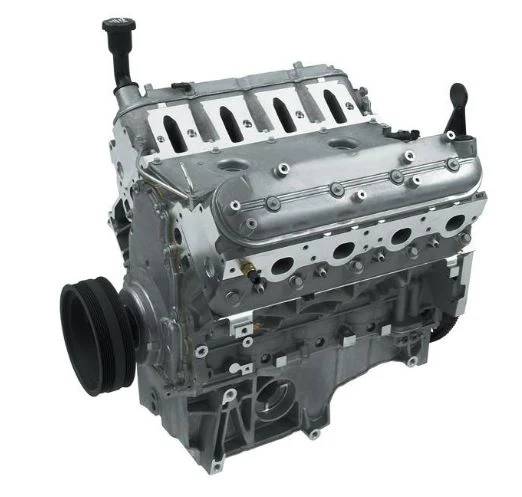
LM7 Engine Overview
The LM7 is a member of General Motors’ legendary Gen III LS engine family, a lineup of small-block V8 engines introduced in the late 1990s to replace the aging Gen I small-block platform. Designed primarily for full-size trucks and SUVs, the LM7 combines a rugged cast-iron block with lightweight aluminum cylinder heads, delivering exceptional durability without sacrificing efficiency.
Manufactured between 1999 and 2007, the LM7 quickly became one of GM’s highest-volume V8 engines. It powered millions of Chevrolet, GMC, and Cadillac vehicles, earning a reputation for reliability, affordability, and excellent aftermarket support. Even today, it remains one of the most sought-after engines for budget LS swap projects due to its strength and wide availability.
Unlike many modern engines equipped with complex technologies such as Active Fuel Management (AFM) or Variable Valve Timing (VVT), the LM7 features a straightforward overhead valve (OHV) design with two valves per cylinder. This simple architecture makes maintenance easier, reduces long-term ownership costs, and provides an excellent foundation for naturally aspirated or forced induction performance builds.
LM7 Engine Overview
| Specification | Details |
|---|---|
| Engine Code | LM7 |
| Engine Family | Gen III LS / Vortec 5300 |
| Manufacturer | General Motors |
| Production Years | 1999–2007 |
| Configuration | 90° V8 |
| Displacement | 5.3L (325 cu in / 5,328 cc) |
| Fuel Type | Gasoline |
| Fuel Delivery | Sequential Multi-Port Fuel Injection |
| Aspiration | Naturally Aspirated |
| Block Material | Cast Iron |
| Cylinder Head Material | Aluminum |
| Valvetrain | OHV, 2 Valves per Cylinder |
| Engine Management | GM PCM |
| Compression Ratio | 9.5:1 |
The LM7 shares much of its architecture with other popular LS-based engines, allowing many internal and external components to interchange. This compatibility has made it one of the easiest and most cost-effective engines to modify, whether for increased towing capability, street performance, or high-horsepower racing applications.
LM7 Engine Specs
Understanding the LM7 engine specs provides valuable insight into why this engine continues to be a favorite among truck owners and LS enthusiasts. Although factory performance figures are modest compared to today’s V8 engines, the LM7 was engineered to deliver strong low-end torque, dependable daily performance, and excellent long-term durability.
LM7 Engine Specifications
| Specification | Value |
|---|---|
| Engine Code | LM7 |
| Engine Family | Gen III LS |
| Displacement | 5.3L (325 cu in / 5,328 cc) |
| Configuration | 90° V8 |
| Block Material | Cast Iron |
| Cylinder Head Material | Aluminum |
| Bore | 3.78 in (96 mm) |
| Stroke | 3.62 in (92 mm) |
| Compression Ratio | 9.5:1 |
| Horsepower | 270 to 295 hp |
| Torque | 315 to 335 lb-ft |
| Fuel System | Sequential Multi-Port Fuel Injection |
| Valvetrain | OHV, 16-Valve |
| Camshaft Position | In-Block |
| Firing Order | 1-8-7-2-6-5-4-3 |
| Redline | Approximately 6,000 RPM |
| Oil Capacity | Approximately 6 quarts with filter |
| Recommended Fuel | Regular Unleaded |
One of the LM7’s greatest strengths is its cast-iron engine block, which is significantly stronger than aluminum alternatives when subjected to heavy towing or forced induction. This robust construction has made the LM7 a preferred choice for turbocharged builds producing well over 600 horsepower with the appropriate supporting modifications.
The engine’s 3.78-inch bore and 3.62-inch stroke create a nearly square design that balances low-end torque with smooth high-RPM operation. This configuration allows the LM7 to deliver strong acceleration in heavy trucks while maintaining excellent reliability under continuous load.
With a 9.5:1 compression ratio, the LM7 operates efficiently on regular gasoline while providing enough compression to achieve respectable power without increasing the risk of engine knock. Combined with GM’s Sequential Multi-Port Fuel Injection system, the engine offers smooth throttle response and dependable cold-start performance.
Another reason enthusiasts appreciate the LM7 is its traditional pushrod valvetrain. Compared with more complex dual overhead cam engines, the OHV design reduces moving parts, simplifies maintenance, and makes camshaft upgrades significantly easier. As a result, even relatively simple modifications can produce substantial horsepower gains.
Vehicles Equipped with the LM7 Engine
General Motors installed the LM7 in a wide variety of full-size pickup trucks, SUVs, and commercial vans between 1999 and 2007. Because these vehicles were produced in large numbers, replacement engines and spare parts remain widely available, making the LM7 one of the most affordable members of the LS engine family.
Chevrolet Models
Chevrolet Silverado 1500 (1999–2007)
The Silverado was one of the primary applications for the LM7. Depending on the model year and configuration, the engine produced between 270 and 295 horsepower, offering a strong balance of towing capability, payload capacity, and everyday drivability.
Chevrolet Tahoe (2000–2006)
In the Tahoe, the LM7 provided dependable V8 performance for families needing generous passenger space and substantial towing capability. Its broad torque curve made it particularly well suited for highway driving and pulling trailers.
Chevrolet Suburban (2000–2006)
As one of GM’s largest SUVs, the Suburban relied on the LM7 to move heavy loads while maintaining respectable fuel efficiency for its size. The engine’s durability made it especially popular among commercial fleets and high-mileage owners.
Chevrolet Avalanche 1500 (2002–2006)
The innovative Avalanche combined the comfort of an SUV with the utility of a pickup truck. The LM7’s smooth power delivery and dependable performance made it an ideal match for this versatile platform.
Chevrolet Express Van (Selected Models)
Certain Chevrolet Express vans also received the LM7, providing commercial operators with a reliable V8 capable of handling cargo transport and long-distance driving.
GMC Models
GMC Sierra 1500
Mechanically similar to the Silverado, the Sierra paired the LM7 with multiple transmission options, delivering dependable performance for work trucks, recreational towing, and daily transportation.
GMC Yukon and Yukon XL
The Yukon lineup benefited from the LM7’s smooth operation and excellent longevity. These SUVs became popular choices for families seeking V8 power without the higher ownership costs associated with larger displacement engines.
GMC Savana
Selected Savana cargo and passenger vans also featured the LM7, where its reliability and relatively low maintenance requirements made it well suited for commercial use.
Cadillac Model
Cadillac Escalade (1999–2000)
Early first-generation Escalade models utilized the LM7 before Cadillac transitioned to larger and more powerful V8 engines. Although tuned similarly to Chevrolet and GMC applications, the Escalade emphasized refined performance and smoother power delivery.
While horsepower ratings varied slightly depending on the vehicle, calibration, emissions requirements, and model year, the LM7 consistently delivered the durability, torque, and reliability that established it as one of General Motors’ most successful truck engines. Even today, these vehicles continue to demonstrate the engine’s ability to exceed 200,000 or even 300,000 miles with proper maintenance.
LM7 Performance
Although the LM7 was never designed to be a high-performance sports car engine, it excels at delivering dependable power where truck owners need it most. Its broad torque curve, responsive throttle, and durable construction make it an excellent choice for towing, hauling, daily driving, and performance upgrades. Even by modern standards, the LM7 provides respectable output while maintaining impressive reliability.
Horsepower
Factory horsepower ratings vary depending on the vehicle, model year, emissions calibration, and ECU tuning. Most LM7 engines produce between 270 and 295 horsepower at approximately 5,200 RPM.
Earlier models generally produced around 270 horsepower, while later versions received minor calibration improvements that increased output to nearly 295 horsepower. Although these numbers may seem conservative compared to modern V8 engines, the LM7 was engineered for longevity and consistent performance rather than maximum peak power.
One of the biggest advantages of the LM7 is its ability to gain significant horsepower through relatively simple modifications. Upgrading the camshaft, intake, exhaust system, and ECU calibration can easily push naturally aspirated output beyond 350 horsepower without sacrificing daily drivability.
Torque
Torque is where the LM7 truly shines. Factory ratings range from 315 to 335 lb-ft, with peak torque arriving at relatively low engine speeds.
This low-end pulling power allows trucks equipped with the LM7 to accelerate confidently while carrying heavy loads or towing trailers. Unlike engines that require high RPM to produce power, the LM7 develops strong torque throughout the mid-range, making it smooth and predictable in everyday driving.
For towing applications, this broad torque curve reduces the need for frequent downshifts and helps maintain speed on steep grades without excessive engine strain.
Fuel Economy
Fuel economy varies depending on vehicle weight, transmission, axle ratio, and driving conditions. In stock form, owners typically report:
| Driving Condition | Estimated Fuel Economy |
|---|---|
| City | 13 to 15 MPG |
| Highway | 18 to 21 MPG |
| Combined | 15 to 18 MPG |
Considering the size of the trucks and SUVs powered by the LM7, these figures remain competitive for a naturally aspirated V8 of its era.
Routine maintenance, proper tire inflation, and conservative driving habits can further improve fuel efficiency. Many owners also notice modest gains after installing modern ECU tunes that optimize ignition timing and fuel delivery.
Towing Capability
The LM7 was specifically engineered for trucks and SUVs expected to perform demanding work. Depending on the vehicle configuration, transmission, axle ratio, and factory towing package, models equipped with the LM7 can typically tow between 7,000 and 8,500 pounds.
This capability made the engine a favorite among contractors, boat owners, campers, and families needing reliable towing performance without stepping up to a larger displacement V8.
Real World Driving Experience
What makes the LM7 especially enjoyable is its balanced character. Throttle response is smooth, power delivery is predictable, and the engine remains composed under heavy loads. Drivers often praise the LM7 for its quiet operation, dependable cold starts, and ability to accumulate hundreds of thousands of miles with minimal mechanical issues.
Its forgiving nature also makes it an excellent platform for first-time engine builders. Whether left completely stock or transformed into a high-horsepower project, the LM7 offers a level of versatility that few truck engines can match.
LM7 Reliability
The LM7 has earned its reputation as one of the most reliable V8 engines General Motors has ever produced. Its simple pushrod design, cast-iron engine block, and proven Gen III LS architecture have allowed countless examples to remain on the road long after many competing engines have reached the end of their service life.
With proper maintenance, it is not uncommon for an LM7 to exceed 250,000 miles, and many owners have documented engines surpassing 300,000 miles without requiring a complete rebuild. This exceptional longevity has made the LM7 a popular choice not only for daily drivers but also for commercial fleets and off-road enthusiasts who demand dependable performance under challenging conditions.
Several factors contribute to the LM7’s outstanding durability. The cast-iron block provides excellent resistance to wear and distortion, even under heavy towing or high-load conditions. The aluminum cylinder heads improve heat dissipation, reducing thermal stress while keeping engine weight relatively low. Combined with a simple overhead valve valvetrain that contains fewer moving parts than many modern dual overhead cam engines, the result is an engine that is both robust and easy to maintain.
Routine service plays a critical role in maximizing engine life. Regular oil changes using high-quality engine oil, timely replacement of spark plugs and ignition components, clean air filters, and proper cooling system maintenance all help preserve performance and prevent premature wear. Because the LM7 does not incorporate Active Fuel Management or Variable Valve Timing, owners avoid many of the costly failures associated with newer GM V8 engines.
Another reason the LM7 continues to be highly regarded is its remarkable tolerance for performance modifications. Many engines reliably support significant horsepower increases while retaining factory internals, provided tuning and supporting components are properly matched. This combination of strength and simplicity has made the LM7 one of the most trusted engines in the LS performance community.
Common LM7 Engine Problems
Despite its excellent reputation, no engine is completely free from mechanical issues. Fortunately, most common LM7 problems are well understood, relatively inexpensive to repair, and rarely result in catastrophic engine failure when addressed early.
Knock Sensor Failure
One of the most frequently reported issues involves the knock sensors located beneath the intake manifold. Moisture can collect in the sensor wells over time, leading to corrosion and inaccurate sensor readings.
Common symptoms include:
- Illuminated check engine light
- Reduced engine performance
- Retarded ignition timing
- Diagnostic trouble codes such as P0327 or P0332
Replacing the knock sensors and the intake manifold gasket typically resolves the problem. Many owners also install updated seals to reduce the likelihood of future moisture intrusion.
Intake Manifold Gasket Leaks
As the engine ages, the intake manifold gaskets may begin to deteriorate, allowing vacuum leaks or coolant seepage.
Typical symptoms include rough idle, poor fuel economy, lean air-fuel mixture codes, and occasional coolant loss. Replacing the gasket set is a straightforward repair that restores proper engine operation.
Excessive Oil Consumption
Some higher-mileage LM7 engines may consume more oil than expected. This condition is often caused by worn piston rings, aging valve stem seals, or extended oil change intervals.
Owners should regularly monitor oil levels and follow recommended maintenance schedules. In many cases, switching to a high-mileage engine oil can help reduce consumption in older engines.
Broken Exhaust Manifold Bolts
Repeated heat cycles can cause exhaust manifold bolts to fracture, resulting in small exhaust leaks.
Symptoms include a ticking noise during cold starts, increased exhaust odor, and reduced engine efficiency. Although replacing broken bolts can be labor intensive, the repair permanently eliminates the leak and restores proper exhaust sealing.
Fuel Pump Failure
After many years of service, the in-tank fuel pump may begin to weaken, particularly on vehicles with high mileage.
Common warning signs include hard starting, hesitation during acceleration, intermittent stalling, or reduced fuel pressure. Replacing the fuel pump assembly typically restores reliable operation and prevents unexpected breakdowns.
While these issues are worth monitoring, they should not discourage prospective buyers. Compared with many engines introduced during the same era, the LM7 remains remarkably dependable, inexpensive to repair, and capable of delivering many additional years of reliable service when properly maintained.
LM7 Upgrade Potential
One of the biggest reasons the LM7 remains highly desirable today is its incredible upgrade potential. Built on GM’s Gen III LS platform, the engine benefits from one of the largest aftermarket ecosystems in the automotive industry. Whether your goal is to improve towing performance, increase horsepower for spirited driving, or build a high-boost race engine, the LM7 provides an excellent foundation.
The cast-iron block is particularly attractive because it can handle significantly more power than its factory rating suggests. Many experienced builders have successfully pushed stock-bottom-end LM7 engines beyond 500 horsepower, while properly tuned turbocharged combinations have exceeded 700 horsepower without requiring expensive aftermarket engine blocks.
Camshaft Upgrade
A camshaft upgrade is widely regarded as the most effective naturally aspirated modification for the LM7. Replacing the factory camshaft with a performance grind improves valve timing, allowing the engine to breathe more efficiently across the RPM range.
Benefits include:
- Noticeable horsepower gains
- Increased torque
- Improved throttle response
- More aggressive exhaust sound
Depending on the cam profile and supporting modifications, owners typically gain between 40 and 70 horsepower after professional tuning.
Long-Tube Headers
The factory exhaust manifolds prioritize durability and packaging rather than maximum airflow. Installing long-tube headers reduces exhaust restriction, improving scavenging efficiency and allowing the engine to produce additional horsepower.
When paired with a free-flowing exhaust system and ECU tune, long-tube headers can add approximately 15 to 30 horsepower while enhancing the engine’s characteristic V8 sound.
Cold Air Intake
Although the factory intake performs reasonably well, a quality cold air intake can improve airflow and slightly reduce intake temperatures.
While gains are relatively modest on an otherwise stock engine, combining a cold air intake with other upgrades helps maximize overall performance and throttle response.
ECU Tuning
Custom engine tuning unlocks much of the LM7’s hidden potential by optimizing ignition timing, fuel delivery, transmission behavior, and throttle calibration.
A professional dyno tune can improve drivability while extracting additional horsepower from existing hardware upgrades. ECU tuning is also essential after installing a larger camshaft, forced induction, or larger fuel injectors.
Turbocharging
The LM7 has become one of the most popular turbocharged LS engines thanks to its durable cast-iron block. With proper fuel system upgrades and conservative tuning, many stock-internal engines comfortably produce between 500 and 700 horsepower.
Key supporting modifications include:
- Larger fuel injectors
- High-flow fuel pump
- Upgraded intercooler
- Performance exhaust
- Boost-compatible engine calibration
For enthusiasts seeking exceptional performance without the cost of an LS3 or aftermarket engine block, the LM7 remains one of the best values available.
Supercharger
A centrifugal or roots-style supercharger offers another effective path to significant horsepower gains while preserving excellent street manners.
Unlike turbochargers, superchargers deliver nearly instant boost, providing stronger low-end acceleration and a more predictable power curve. Depending on boost pressure and supporting modifications, supercharged LM7 engines commonly produce between 450 and 600 horsepower.
Typical Power Levels
| Configuration | Estimated Horsepower |
|---|---|
| Stock | 270–295 hp |
| Intake + Exhaust + Tune | 310–330 hp |
| Camshaft Package | 340–380 hp |
| Cam + Headers + Tune | 380–420 hp |
| Turbocharged | 500–700+ hp |
| Supercharged | 450–600 hp |
Thanks to abundant aftermarket support and relatively low entry costs, the LM7 continues to be one of the best engines for enthusiasts seeking reliable and affordable V8 performance.
LM7 vs Other 5.3L LS Engines
Although the LM7 is one of the best-known members of the 5.3L LS family, it is not the only option available. General Motors produced several closely related engines with different materials, fuel systems, and performance characteristics. Understanding these differences helps buyers choose the engine that best matches their intended application.
LM7 vs L33
The L33 is often considered the premium version of the LM7. While both engines share the same displacement and overall architecture, the L33 features an aluminum engine block instead of cast iron.
| Specification | LM7 | L33 |
|---|---|---|
| Block Material | Cast Iron | Aluminum |
| Cylinder Heads | Aluminum | Aluminum |
| Horsepower | 270–295 hp | 310 hp |
| Torque | 315–335 lb-ft | 335 lb-ft |
| Compression Ratio | 9.5:1 | 10.0:1 |
| Weight | Heavier | Lighter |
| Best For | Durability, Boost | Performance Swaps |
The L33 offers a modest horsepower advantage while reducing overall vehicle weight. However, the LM7’s cast-iron block is generally preferred for turbocharged applications where maximum strength is a priority.
LM7 vs L59
The L59 is mechanically almost identical to the LM7. The primary distinction is its compatibility with Flex Fuel, allowing it to operate on both gasoline and E85 ethanol blends.
| Specification | LM7 | L59 |
|---|---|---|
| Flex Fuel | No | Yes |
| Horsepower | 270–295 hp | 285–295 hp |
| Torque | 315–335 lb-ft | 325–335 lb-ft |
| Internal Components | Similar | Similar |
| Performance Potential | Excellent | Excellent |
For most enthusiasts, the LM7 and L59 perform nearly identically. Unless Flex Fuel capability is important, there is little practical difference between the two engines.
LM7 vs LY5
The LY5 belongs to the later Generation IV small-block family and incorporates several technological updates.
| Specification | LM7 | LY5 |
|---|---|---|
| Engine Generation | Gen III | Gen IV |
| Variable Valve Timing | No | No |
| Active Fuel Management | No | Yes (certain applications) |
| Horsepower | 270–295 hp | Approximately 315 hp |
| Electronics | Simpler | More Complex |
| Swap Difficulty | Easier | Slightly Higher |
While the LY5 delivers slightly more factory horsepower, many enthusiasts still favor the LM7 because of its simpler electronics and absence of Active Fuel Management. This simplicity makes installation, tuning, and long-term maintenance considerably easier.
Which Engine Is Best?
Choosing the right engine ultimately depends on your priorities.
The LM7 is the best option for builders seeking affordability, durability, and outstanding aftermarket support.
The L33 is ideal for weight-conscious performance builds where every pound matters.
The L59 is the logical choice for drivers planning to utilize E85 fuel.
The LY5 offers newer technology and slightly higher factory output but requires additional electronic integration, making it less attractive for many budget LS swaps.
For most enthusiasts, the LM7 continues to represent the best balance of cost, reliability, upgrade potential, and long-term value.
Frequently Asked Questions
Is the LM7 a true LS engine?
Yes. The LM7 is part of General Motors’ Gen III LS engine family. Although it was marketed under the Vortec name in trucks and SUVs, it shares the same core architecture as other LS engines, including similar cylinder spacing, valvetrain design, and many interchangeable components.
How much horsepower does an LM7 produce?
Factory output ranges from 270 to 295 horsepower, depending on the model year, vehicle application, and engine calibration.
How much torque does the LM7 make?
The LM7 generates between 315 and 335 lb-ft of torque, providing excellent low-end pulling power for towing, hauling, and everyday driving.
Is the LM7 reliable?
Absolutely. The LM7 is widely regarded as one of the most dependable V8 engines GM has ever built. With consistent maintenance, many examples exceed 300,000 miles without requiring a major overhaul.
Can the LM7 handle turbocharging?
Yes. Its cast-iron block is one of the strongest in the LS family, making it highly suitable for turbocharged applications. Many stock-bottom-end engines safely support 500 to 700 horsepower when equipped with the proper fuel system and professional tuning.
What vehicles came with the LM7?
The LM7 was installed in numerous General Motors vehicles, including the Chevrolet Silverado 1500, Chevrolet Tahoe, Chevrolet Suburban, Chevrolet Avalanche, GMC Sierra 1500, GMC Yukon, GMC Yukon XL, Chevrolet Express, GMC Savana, and early Cadillac Escalade models.
Is the LM7 good for LS swaps?
Yes. The LM7 is considered one of the best engines for budget LS swaps due to its widespread availability, affordable purchase price, durable construction, and massive aftermarket support.
What is the firing order of the LM7?
The firing order is 1-8-7-2-6-5-4-3, which is shared with most engines in the LS family.
How long does an LM7 engine last?
With proper maintenance, an LM7 can realistically last 250,000 to 350,000 miles, and many well-maintained examples continue operating beyond that milestone.
Conclusion
The LM7 engine has earned its place as one of General Motors’ most respected and dependable V8 powerplants. Introduced as part of the Gen III LS family, this 5.3L Vortec engine successfully balanced performance, durability, affordability, and ease of maintenance, making it a favorite among truck owners, mechanics, and performance enthusiasts alike.
As we’ve explored throughout this guide, the LM7 engine specs reveal why this engine continues to remain relevant decades after production ended. Its cast-iron block offers exceptional strength, the aluminum cylinder heads provide efficient heat management, and the simple pushrod valvetrain minimizes maintenance complexity. Factory output of up to 295 horsepower and 335 lb-ft of torque may not seem extraordinary by modern standards, but the engine’s broad torque curve, proven reliability, and remarkable upgrade potential make it an outstanding all-around performer.
Another major advantage is the LM7’s versatility. Whether you’re searching for a dependable replacement engine, planning an LS swap, building a weekend project car, or upgrading a work truck, the LM7 provides one of the best price-to-performance ratios in the used engine market. Thanks to extensive aftermarket support, even modest upgrades such as a camshaft, long-tube headers, and ECU tuning can dramatically improve performance, while turbocharged or supercharged builds can reliably produce several hundred additional horsepower.
Although every engine has a few common issues, the LM7’s problems are generally well documented, affordable to repair, and rarely severe when routine maintenance is performed. This long-term reliability is one of the primary reasons so many LM7-powered trucks continue to accumulate well over 250,000 miles.
If you’re looking for a V8 engine that combines proven durability, strong aftermarket support, excellent modification potential, and outstanding value, the GM LM7 remains one of the best choices available. Whether left completely stock or transformed into a high-performance build, the LM7 continues to demonstrate why it has become one of the most iconic engines in the LS family.
Before purchasing a used LM7, always verify the engine’s condition, maintenance history, compression readings, and compatibility with your intended application. Investing a little time in research can help ensure years of dependable performance and maximize the value of your build.