The LC9 engine is a 5.3 liter V8 from General Motors. It belongs to the Vortec and LS based engine family. Many trucks and SUVs use this engine because it delivers strong torque and stable long term performance. Drivers and mechanics often search for LC9 engine specs to understand its real capability in horsepower, torque, and reliability.
General Motors designed the LC9 with an aluminum block and a pushrod V8 layout. It also uses Active Fuel Management technology. This system shuts down some cylinders during light driving. It helps reduce fuel consumption while keeping full V8 power when needed. This balance makes the LC9 useful for both daily driving and heavy load situations.
Interest in LC9 engine specs comes from different user groups. Truck owners want towing strength and durability. Car enthusiasts want performance data and tuning potential. Buyers of used vehicles want to know if the engine is still reliable after high mileage. These needs drive strong search demand for this engine.
The LC9 also appears in many discussions about GM 5.3 liter engines. People compare it with other versions in the same family. They want to know differences in performance, fuel economy, and common issues. This makes LC9 an important topic in the LS engine ecosystem.
This article explains the full LC9 engine specs in detail. It covers horsepower, torque, fuel economy, reliability, and technical design. It also explains how the engine performs in real world conditions. The goal is to give a clear and practical understanding of this GM V8 engine.
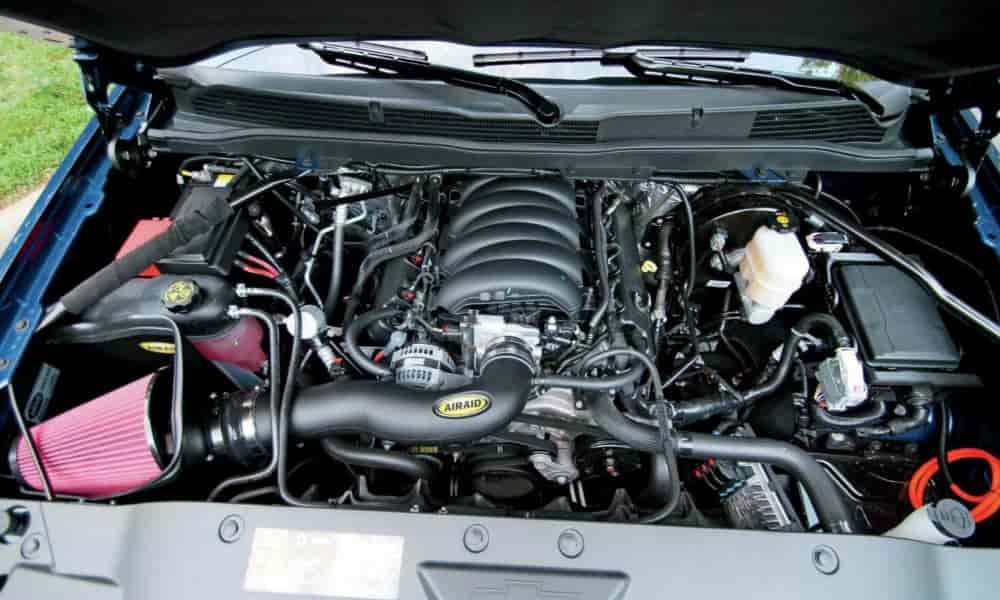
Engine Overview & Core Specs
The LC9 engine is a 5.3 liter V8 produced by General Motors. It belongs to the well known small block V8 family used in many trucks and SUVs. GM designed this engine for a balance between power, efficiency, and durability.
The LC9 uses a 5328 cc displacement with a V8 configuration. It runs on a pushrod OHV design with 16 valves. This layout focuses on torque delivery at low and mid RPM ranges. It makes the engine suitable for towing and heavy load driving.
GM built the LC9 with an aluminum block and aluminum heads. This reduces total engine weight and improves heat management. The lighter structure also helps improve vehicle handling in large SUVs and pickup trucks.
The engine uses sequential fuel injection. This system improves fuel delivery accuracy and supports smoother combustion. It also helps maintain stable performance under different driving conditions.
One key feature of the LC9 is Active Fuel Management. This system deactivates four cylinders during light load situations. It improves fuel economy without removing full V8 power when the driver needs performance. Many users recognize this system as both a benefit and a potential maintenance concern over time.
The LC9 engine typically produces around 320 to 326 horsepower depending on the vehicle application. Torque output ranges around 460 Nm. These values make it strong enough for towing and highway driving.
GM installed the LC9 in several full size vehicles. These include Chevrolet Silverado, GMC Sierra, Chevrolet Tahoe, and GMC Yukon. These platforms require consistent torque and long term engine stability.
The LC9 also belongs to the LS based engine ecosystem. This makes it compatible with many aftermarket upgrades and engine swap projects. Enthusiasts often choose it for its strong foundation and wide parts availability.
Horsepower & Torque Analysis
The LC9 engine delivers strong performance in the 5.3 liter V8 category. It focuses more on torque than high RPM horsepower. This design suits trucks and SUVs that need pulling power and stable highway performance.
The LC9 produces around 320 to 326 horsepower depending on the vehicle application. This output supports daily driving, towing, and highway cruising without strain. The power delivery stays smooth across most RPM ranges.
Torque is the most important strength of this engine. The LC9 generates around 460 Nm of torque. This level of torque helps the engine move heavy vehicles with ease. It also improves towing stability under load.
The torque curve of the LC9 stays flat at low and mid RPM. This means the engine delivers usable power early in the rev range. Drivers feel strong acceleration even without high RPM operation. This behavior improves real world driving comfort.
Compared to smaller engines, the LC9 offers better pulling capability. It performs well in pickup trucks like Silverado and Sierra. These vehicles often carry cargo or tow trailers. The LC9 supports these tasks without constant high RPM stress.
The engine also balances power with efficiency through Active Fuel Management. When the system activates, it reduces fuel usage during light driving. When full power is needed, all eight cylinders engage again. This switching helps maintain both performance and economy.
In comparison with other GM 5.3 liter engines, the LC9 sits in the middle range. It does not aim for maximum horsepower. Instead, it focuses on durability and consistent torque output. This makes it suitable for long term use in heavy duty conditions.
Overall, the LC9 engine specs show a clear priority. GM designed it for real world torque performance rather than peak horsepower numbers. This design choice makes it reliable for towing, hauling, and everyday driving.
Fuel Economy & Real World Performance
The LC9 engine delivers balanced fuel economy for a full size 5.3 liter V8. It does not aim for high efficiency like small engines. Instead, it focuses on usable power with controlled fuel consumption.
In real world driving, the LC9 achieves moderate fuel economy depending on vehicle type and driving conditions. Highway driving usually produces better mileage than city traffic. Lighter loads also improve efficiency significantly.
A key factor that affects fuel economy is Active Fuel Management. This system allows the engine to shut down four cylinders during light load situations. It reduces fuel usage when full power is not needed. When the driver accelerates or climbs hills, all eight cylinders activate again.
This switching system helps the LC9 reduce fuel consumption during cruising. It makes long distance highway driving more efficient compared to constant V8 operation. However, stop and go traffic reduces this advantage.
Vehicle weight also plays a major role. The LC9 is commonly installed in trucks and SUVs such as Chevrolet Silverado, GMC Sierra, Tahoe, and Yukon. These vehicles are heavy, so fuel economy varies depending on load and usage.
Driving style also impacts performance. Smooth acceleration and steady speeds improve fuel efficiency. Aggressive driving increases fuel consumption quickly due to the engine’s V8 nature.
In long term ownership, many users report consistent fuel performance when the engine is well maintained. Oil quality and regular service intervals also influence efficiency. Poor maintenance can reduce both performance and fuel economy.
Compared to smaller engines, the LC9 uses more fuel. However, it delivers significantly more torque and towing capability. This trade off is expected in full size V8 engines.
Overall, the LC9 engine specs show a practical balance. It does not focus on maximum efficiency. Instead, it delivers stable real world performance with acceptable fuel consumption for its size and power class.
Reliability & Common Problems
The LC9 engine has a reputation for solid durability when owners maintain it properly. General Motors designed this 5.3 liter V8 for long service life in trucks and SUVs. Many engines reach high mileage without major internal failure.
The overall structure of the LC9 is strong. It uses an aluminum block with a proven small block V8 design. This architecture has a long history in GM engines. It supports consistent performance under heavy use.
However, the LC9 also has known issues. The most discussed problem is the Active Fuel Management system. This system improves fuel economy but can create long term mechanical stress.
One common issue is lifter failure. AFM lifters can wear out over time. When this happens, the engine may produce ticking noise or misfires. Repair costs can be high because the system requires internal engine access.
Another issue is oil consumption. Some LC9 engines consume more oil as mileage increases. This problem often appears in high mileage vehicles or engines with irregular maintenance.
Valve train wear can also occur in long term use. This usually links to AFM operation and inconsistent lubrication under certain conditions. Regular oil changes help reduce this risk.
Despite these issues, many LC9 engines still perform well beyond 200,000 miles. Maintenance plays a major role in reliability. Clean oil, proper service intervals, and correct driving habits improve engine lifespan significantly.
Compared to older Vortec engines, the LC9 offers better efficiency but slightly more complexity. The added technology increases performance but also introduces more potential failure points.
Overall, the LC9 engine specs show a durable engine with modern efficiency features. It performs well when maintained correctly. However, owners should understand AFM related risks and plan maintenance accordingly.
Vehicle Applications
The LC9 engine appears in many full size vehicles from General Motors. It mainly powers trucks and large SUVs that require strong torque and long term durability. GM selected this engine for platforms that handle towing, hauling, and daily utility use.
One of the most common applications is the Chevrolet Silverado. This pickup uses the LC9 to deliver stable towing performance and reliable highway driving. The engine provides enough torque for heavy loads without constant high RPM stress.
Another major application is the GMC Sierra. This model shares a similar platform with the Silverado. It uses the LC9 to balance performance and fuel efficiency in a full size truck configuration.
The LC9 also powers SUVs such as the Chevrolet Tahoe and GMC Yukon. These vehicles require smooth power delivery for family use and long distance travel. The engine supports both city driving and highway cruising with consistent performance.
In all these vehicles, the LC9 engine works with automatic transmissions tuned for torque delivery. This combination improves drivability under load. It also helps maintain engine longevity in heavy duty use.
Vehicle weight influences how the LC9 performs. Heavier SUVs reduce fuel efficiency but increase stability on highways. Lighter truck configurations may improve acceleration and responsiveness.
GM used the LC9 in models produced mainly in the late 2000s and early 2010s. These vehicles remain popular in the used market today. Many buyers still search for LC9 engine specs to evaluate long term reliability before purchase.
The LC9 also attracts attention in the engine swap community. Its compatibility with the LS based platform makes it a common choice for performance projects and rebuilds. Enthusiasts value its balance of power and availability.
Overall, the LC9 engine specs reflect a design focused on real world utility. GM placed this engine in vehicles that need dependable torque and long term service life rather than high performance racing output.
Engine Design & Technical Breakdown
The LC9 engine uses a 5.3 liter V8 layout with a focus on torque and durability. It belongs to the GM small block engine family. This design has been refined over many years to support trucks and SUVs.
The engine uses a bore and stroke configuration of 96 mm bore and 92 mm stroke. This setup helps the engine produce strong low end torque. It also improves towing capability and low RPM stability.
The LC9 has a compression ratio of around 9.9 to 1. This level supports regular fuel use while maintaining balanced performance. It allows the engine to run efficiently under both light and heavy load conditions.
The engine block is made of aluminum. This reduces total weight and improves heat dissipation. The cylinder heads also use aluminum construction. This design supports better cooling and long term durability.
The LC9 uses an overhead valve configuration. This pushrod system keeps the engine simple and strong. It also improves torque delivery at low RPM compared to overhead cam designs.
One of the most important systems in the LC9 is Active Fuel Management. This system shuts down four cylinders during light driving conditions. It reduces fuel consumption and improves highway efficiency. When power demand increases, all eight cylinders activate again.
The fuel system uses sequential fuel injection. It delivers fuel directly to each cylinder in a controlled sequence. This improves combustion efficiency and throttle response.
The LC9 also includes a robust cooling system designed for heavy duty use. It maintains stable engine temperature during towing or long distance driving. This helps protect internal components from overheating.
Lubrication plays an important role in LC9 performance. Proper oil flow supports both AFM components and valve train durability. Regular oil changes are essential to maintain long term reliability.
Overall, the LC9 engine specs show a balanced mechanical design. GM combined proven small block architecture with modern fuel saving technology. This creates an engine that performs well in both efficiency and durability focused applications.
LC9 vs Other 5.3L Engines
The LC9 engine is part of a broader family of GM 5.3 liter V8 engines. It shares its core architecture with several other variants. These include engines such as LY5 and LMG. Each version has different features and performance characteristics.
The LC9 differs mainly through its use of aluminum block construction and Active Fuel Management. This combination improves fuel efficiency and reduces weight. It also makes the engine more modern compared to earlier iron block versions.
The LY5 engine uses a cast iron block. This makes it heavier but also more robust in certain heavy duty applications. The LY5 does not always include the same level of fuel saving technology as the LC9 in all configurations.
The LMG engine shares more similarities with the LC9. It also uses Active Fuel Management. However, differences in calibration and vehicle application create small variations in performance and efficiency.
In terms of horsepower, all three engines stay in a similar range. Most versions produce around 320 to 326 horsepower. Torque output is also close across the family. The main differences appear in weight, efficiency, and emissions technology.
The LC9 generally offers better fuel economy due to its aluminum construction. It also provides smoother performance in many driving conditions. However, it can be more sensitive to maintenance issues related to AFM.
The LY5 often appeals to users who prioritize simplicity and durability under extreme conditions. The LC9 attracts users who want a balance between efficiency and modern engine features.
From a tuning and swap perspective, all three engines belong to the LS based ecosystem. This makes them compatible with many aftermarket parts. Enthusiasts often choose based on availability and condition rather than performance differences.
Overall, the LC9 engine specs place it as a balanced option within the GM 5.3 liter lineup. It does not focus on maximum power. Instead, it focuses on efficiency, weight reduction, and real world usability.
Ownership Insights and Maintenance
The LC9 engine requires consistent maintenance to perform at a high level over time. GM designed this 5.3 liter V8 for long term use, but it still depends heavily on service quality and driving habits.
Regular oil changes are the most important factor for LC9 durability. Clean oil helps protect the Active Fuel Management system and valve train components. Many reliability issues start when oil quality drops or service intervals are extended too long.
The AFM system can create long term wear if maintenance is poor. Lifter failure is one of the most common repair issues. Early detection helps reduce repair costs and prevents deeper engine damage.
Cooling system maintenance also plays a key role. The engine performs best when operating temperatures remain stable. Overheating can shorten component lifespan and reduce efficiency.
Fuel quality affects long term performance as well. Consistent use of proper fuel helps maintain combustion stability and reduces carbon buildup inside the engine.
Many owners report that the LC9 can exceed 200,000 miles with proper care. Some engines reach even higher mileage when maintenance is strict and driving conditions are moderate. This makes the LC9 a strong option for long term ownership.
The engine also remains popular in the used vehicle market. Buyers often evaluate LC9 engine specs before purchasing trucks or SUVs. They focus on reliability history, maintenance records, and AFM condition.
Overall, ownership experience depends on how well the engine is maintained. The LC9 delivers strong performance and durability when treated correctly. It becomes less reliable when maintenance is ignored.
Conclusion
The LC9 engine is a well balanced 5.3 liter V8 from General Motors. It combines torque strength, moderate fuel efficiency, and long term durability. It fits well in trucks and SUVs that require stable performance under load.
The engine produces solid horsepower and strong torque output. It performs best in low and mid RPM ranges. This makes it suitable for towing and daily driving conditions.
The LC9 also includes modern technology such as Active Fuel Management. This system improves fuel economy but adds some long term complexity. Maintenance quality plays a major role in engine reliability.
Compared to other GM 5.3 liter engines, the LC9 offers a balance between efficiency and performance. It does not aim for maximum power. Instead, it focuses on real world usability and long term service life.
Overall, LC9 engine specs show a practical V8 designed for everyday work and long distance driving. It remains a popular choice in both used vehicles and engine swap projects due to its strong foundation and wide support in the GM ecosystem.