The L96 engine is one of the most important engines in General Motors truck lineup. Many users search for L96 Engine Specs because they want to understand its real performance and durability. This engine powers many heavy duty vehicles and it still remains popular today.
The L96 belongs to the GM Vortec engine family. GM designed it as a 6.0 liter V8 with an iron block. This structure gives the engine high strength and long service life. GM focused on durability instead of weight reduction. This makes the L96 very suitable for towing and heavy workloads.
Many drivers choose this engine for trucks and SUVs because it delivers stable performance under pressure. It also performs well in commercial use. The design supports long distance driving and consistent torque output.
This article explains L96 Engine Specs in detail. You will learn about horsepower, torque, fuel system, and real world performance. You will also see how the engine behaves in daily driving conditions.
We will also analyze reliability and common issues. This helps you understand the long term ownership experience. Many users compare the L96 with other GM V8 engines. This guide will help you see where it stands in performance and durability.
If you research GM 6.0L V8 engines, this breakdown will give you a clear technical and practical view of the L96 engine.
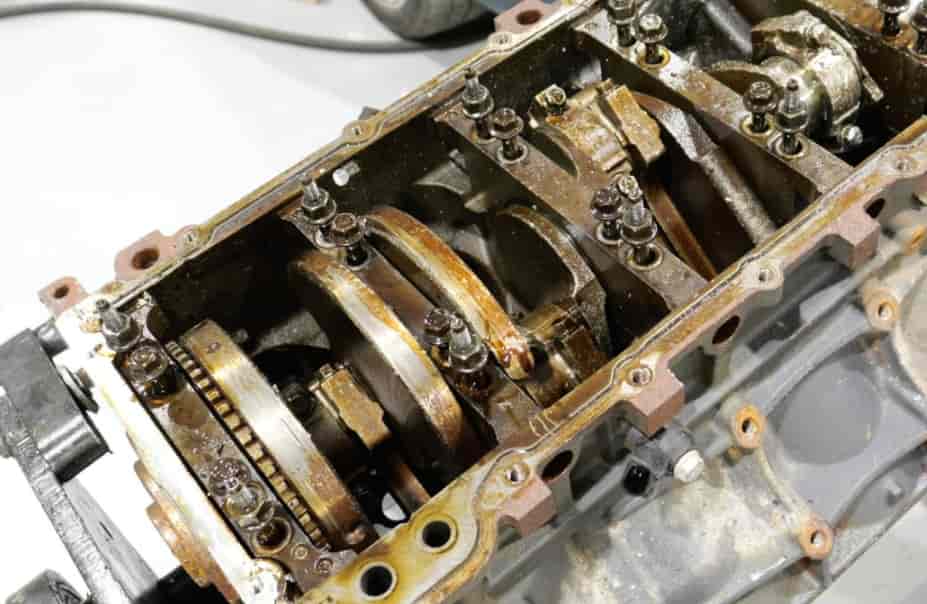
What Is the L96 Engine
The L96 engine is a 6.0 liter V8 gasoline engine developed by General Motors. It belongs to the Vortec engine family and uses a traditional pushrod OHV design. GM built this engine for trucks, SUVs, and commercial vehicles that need strong torque and long term durability.
GM designed the L96 as part of its LS based engine architecture. It uses an iron block for extra strength. This design improves resistance to heat and heavy load stress. The engine focuses on reliability rather than light weight performance tuning.
The L96 replaced older GM 6.0L engines in many truck platforms. It supports Flex Fuel capability. This allows it to run on gasoline or E85 ethanol blends. This flexibility makes it more practical for fleet operators and high mileage users.
The engine uses electronic fuel injection for better fuel control. It also includes variable valve timing in some configurations. These systems help improve efficiency and throttle response under different driving conditions.
Manufacturers use the L96 mainly in heavy duty pickup trucks and full size SUVs. It performs well in towing situations because it produces strong low end torque. This makes it suitable for hauling trailers, cargo, and equipment.
The L96 continues to stay relevant because it offers a balance between simplicity and strength. Many users still prefer it over more complex modern engines because it is easier to maintain and repair.
L96 Engine Specs Breakdown
The L96 engine uses a 6.0 liter V8 configuration. GM designed it for strength and long term durability in heavy duty use. The engine follows a 90 degree V8 layout. This layout improves balance and torque delivery.
The bore measures 101.6 mm. The stroke measures 92 mm. This setup supports strong low end torque. It helps the engine perform well in towing and hauling conditions.
The compression ratio is 9.6 to 1. This ratio allows stable combustion and supports Flex Fuel operation. The engine can run on gasoline or E85 ethanol blends without major changes.
The L96 produces around 360 horsepower in most applications. Torque output reaches about 515 Nm depending on vehicle tuning. This torque level gives strong pulling power at low RPM.
The engine uses sequential fuel injection. This system improves fuel delivery accuracy. It helps the engine maintain efficiency under different load conditions.
GM added variable valve timing to improve airflow control. This feature helps optimize performance across low and high RPM ranges. It improves both efficiency and throttle response.
The L96 also uses an iron engine block. This increases durability under high stress. It makes the engine suitable for heavy trucks and long distance driving.
The engine supports active fuel management in some configurations. This system deactivates cylinders during light load driving. It helps reduce fuel consumption in highway conditions.
Overall, the L96 Engine Specs show a design focused on torque strength reliability and long term operation rather than high revving performance.
Performance Analysis of the L96 Engine
The L96 engine delivers strong real world performance in heavy duty vehicles. GM designed it for trucks and SUVs that need steady torque and reliable power. The engine performs best in low and mid RPM ranges.
The engine produces strong acceleration in loaded conditions. It responds well when towing trailers or carrying heavy cargo. The high torque output helps maintain stable speed on highways even under weight.
The L96 does not focus on high speed performance. Instead, it prioritizes pulling power and endurance. This makes it ideal for work trucks and commercial use. Drivers often prefer it for long distance hauling.
Fuel economy varies depending on vehicle weight and driving style. In city driving, consumption increases due to the V8 configuration. On highways, the engine becomes more efficient when cruising at steady speed.
The engine maintains stable performance under continuous load. It handles long trips without major power loss. This stability is one of the reasons fleet operators continue to use it.
Throttle response feels smooth and predictable. The engine delivers power gradually instead of aggressive bursts. This improves control when driving heavy vehicles.
Compared to modern turbocharged engines, the L96 feels less responsive at high RPM. However it provides more consistent torque delivery under stress. This makes it more reliable in demanding conditions.
Overall, the L96 Engine Specs translate into real world performance focused on strength durability and towing capability rather than speed or sport driving.
Reliability and Durability of the L96 Engine
The L96 engine is known for strong long term reliability. GM built this engine with durability as the main priority. It uses an iron block that handles heat and stress very well. This design helps the engine survive heavy workloads for many years.
Many owners report that the L96 can last well over high mileage when properly maintained. Regular oil changes and basic servicing help extend its lifespan. The engine tolerates continuous towing and highway driving without major performance loss.
The engine performs well in harsh conditions. It handles heat, load, and long distance driving effectively. This makes it popular in fleet vehicles and commercial trucks.
However, the L96 still has some common issues. Some users report increased oil consumption over time. Others experience sensor failures, especially in older vehicles. These problems usually appear after high mileage use.
Cooling system maintenance is important for this engine. Poor cooling can lead to overheating under heavy load. Keeping the radiator and coolant system in good condition improves long term reliability.
Fuel system components may also wear over time. Injectors and pumps require inspection in high mileage engines. Early maintenance helps prevent performance issues.
Despite these issues, the L96 remains more durable than many modern lightweight engines. Its simple pushrod design reduces mechanical complexity. This makes repairs easier and cheaper compared to advanced engine systems.
Overall, the L96 Engine Specs reflect a design focused on endurance and long service life. It remains a trusted option for users who need consistent performance over many years.
Vehicles That Use the L96 Engine
The L96 engine appears in many General Motors trucks and SUVs. GM designed it for heavy duty platforms that need strong torque and long term durability. It is most common in full size vehicles.
The engine powers several Chevrolet Silverado HD models. These trucks use the L96 for towing and commercial work. It also appears in GMC Sierra HD variants with similar configurations.
GM also installs the L96 in large SUVs such as the Chevrolet Suburban and Chevrolet Tahoe in specific heavy duty trims. These vehicles benefit from the engine’s strong pulling power and stable highway performance.
Fleet operators also use the L96 in work vehicles. It performs well in delivery trucks, service vehicles, and utility fleets. The engine supports long hours of operation without major performance loss.
The L96 fits well in vehicles that carry heavy loads. It delivers consistent torque at low RPM. This helps when hauling trailers, equipment, or construction materials.
GM chose the L96 for these platforms because it balances simplicity and strength. The iron block design supports long service life under demanding conditions. This makes it ideal for vehicles that work under constant stress.
Even though newer engines have replaced it in some models, the L96 remains popular in used markets. Many buyers still prefer it for its reliability and easy maintenance.
Overall, the L96 Engine Specs match the needs of heavy duty trucks and SUVs. Its applications clearly show its focus on durability and real world utility rather than sport performance.
L96 vs LQ4 vs LQ9 Comparison
The L96 engine is often compared with the LQ4 and LQ9 because all three belong to GM’s 6.0 liter V8 family. These engines share a similar architecture but they differ in tuning, output, and usage focus.
The LQ4 was widely used in earlier GM trucks. It produces strong torque and delivers reliable performance. However, it does not support Flex Fuel in most versions. It also uses older calibration compared to the L96.
The LQ9 focuses more on performance. GM designed it with higher compression. This gives it more horsepower than the LQ4 and L96 in stock form. It is often found in performance oriented SUVs.
The L96 improves efficiency and flexibility. GM added Flex Fuel capability and updated engine management. It also supports better emissions control compared to older LS based engines.
In terms of horsepower, the LQ9 leads slightly in stock performance. The L96 offers balanced output with better fuel flexibility. The LQ4 sits in the middle with strong but less refined performance.
For durability, all three engines perform well. The LQ4 and L96 use iron blocks that handle heavy stress. The LQ9 also maintains strong reliability but focuses more on performance tuning.
Fuel economy favors the L96 due to its updated systems. It performs more efficiently in highway conditions. The older LQ4 consumes slightly more fuel under similar loads.
In tuning potential, all three engines respond well to modifications. The LQ9 has the highest performance ceiling. The L96 offers a balance between daily usability and upgrade potential.
Overall, the L96 Engine Specs show a more modern and flexible design. It does not fully outperform the LQ9 in power but it offers better adaptability and efficiency for real world use.
Tuning and Performance Upgrades for the L96 Engine
The L96 engine responds well to performance upgrades. GM built it on a strong iron block platform. This gives it a solid foundation for tuning without sacrificing reliability.
Many owners start with intake system upgrades. A cold air intake improves airflow into the engine. This helps the engine breathe better at higher RPM. It also improves throttle response in daily driving.
Exhaust upgrades are another common modification. A performance exhaust system reduces back pressure. This allows the engine to release gases more efficiently. It can improve both sound and power output.
Camshaft upgrades deliver a more significant performance gain. A performance cam changes valve timing and lift. This increases airflow and improves horsepower at mid and high RPM ranges. However it may reduce fuel efficiency slightly.
ECU tuning also plays an important role. A remap adjusts fuel delivery and ignition timing. This helps unlock hidden performance in the L96 engine. It also improves overall drivability.
Some users install performance torque converters in automatic transmissions. This improves acceleration and launch response. It is especially useful in towing or performance truck setups.
The L96 engine can safely support moderate power increases. Its iron block structure handles added stress well. However extreme modifications require supporting upgrades such as improved cooling and fuel systems.
Fuel system upgrades may include higher flow injectors and stronger fuel pumps. These upgrades support higher horsepower builds. They help maintain stable performance under increased load.
Overall the L96 Engine Specs show a platform that balances durability and tuning potential. It may not be a high revving sports engine but it offers strong upgrade flexibility for truck and performance applications.
Common Problems and Fix Guide for the L96 Engine
The L96 engine is reliable, but it still develops issues over time. Most problems appear after high mileage or poor maintenance. Understanding these issues helps improve long term ownership.
One common issue is increased oil consumption. Some engines start burning oil after extended use. This usually happens due to worn piston rings or valve seals. Regular oil checks help detect this early.
Another issue involves sensor failures. The L96 uses multiple electronic sensors for engine management. Oxygen sensors and temperature sensors may fail after long use. When this happens, fuel efficiency and performance can drop.
Cooling system problems also appear in some vehicles. A weak radiator or old coolant can cause overheating under heavy load. This is more common in trucks that tow frequently. Proper cooling system maintenance prevents this issue.
Fuel injectors can also wear out over time. Dirty or failing injectors reduce fuel efficiency. They may also cause rough idle or misfires. Cleaning or replacing injectors restores smooth engine operation.
Some users report throttle body buildup. Carbon deposits form inside the intake system. This reduces airflow and affects throttle response. Cleaning the throttle body helps restore performance.
Ignition system wear is another factor. Spark plugs and ignition coils degrade after long mileage. This leads to misfires and weak acceleration. Regular replacement keeps the engine running smoothly.
Despite these issues, most problems are manageable. The L96 engine remains easy to repair due to its simple pushrod design. Mechanics can diagnose and fix issues without complex procedures.
Overall, the L96 Engine Specs reflect a durable engine that handles wear well. Most problems come from aging parts rather than structural design flaws.
Conclusion of L96 Engine Specs Explained
The L96 engine stands out as a strong and durable 6.0 liter V8 from General Motors. It delivers a clear balance between power, reliability, and long term usability. This makes it a popular choice for trucks, SUVs, and fleet vehicles that demand consistent performance.
The engine performs best in real world heavy duty use. It produces strong torque at low RPM and maintains stability under load. This helps when towing, hauling, or driving long distances. It does not focus on sport performance, but it excels in practical strength.
The L96 Engine Specs show a design built for endurance. The iron block structure supports high stress conditions. The Flex Fuel capability adds flexibility for different fuel types. These features make it suitable for demanding environments.
In terms of ownership, the engine offers a long service life when properly maintained. Regular servicing helps reduce common issues such as oil consumption or sensor wear. The simple pushrod design also makes repairs easier compared to modern complex engines.
Compared to other GM engines, the L96 provides a balanced option. It may not lead in raw performance, but it delivers dependable output and strong towing capability. This makes it a trusted engine for both work and everyday use.
If you are evaluating GM 6.0L V8 options, the L96 remains a solid choice. It continues to prove its value through durability and consistent performance in real world conditions.