The Chevy Colorado Passlock Sensor Replacement is a critical repair when your truck refuses to start or shows security system errors. Many drivers face a situation where the engine cranks but does not fire. This problem often comes from a fault in the Passlock anti theft system.
In the Chevy Colorado, the Passlock system controls engine start authorization. It checks the ignition lock sensor before allowing the engine to run. When the sensor fails, the system blocks the start signal. The security light may stay on or flash during this condition.
Many owners think the issue comes from the battery or starter. In reality, the ignition lock cylinder sensor often causes the failure. This small component plays a key role in communication between the key system and the engine control module.
This guide shows you how to replace the Passlock sensor step by step. It also explains how to reset the system after installation. You will learn how to identify symptoms, remove the faulty part, install a new sensor, and restore normal engine operation.
The goal is to help you fix the problem without confusion. You can avoid unnecessary repair costs and gain a clear understanding of how the system works. By following this guide, you can bring your truck back to normal operation in a structured and safe way.
Understanding the Passlock System
The Passlock system protects your vehicle from unauthorized starting attempts. It works as part of the anti theft system and communicates with the engine control module. When the system detects the correct ignition signal, it allows the engine to start.
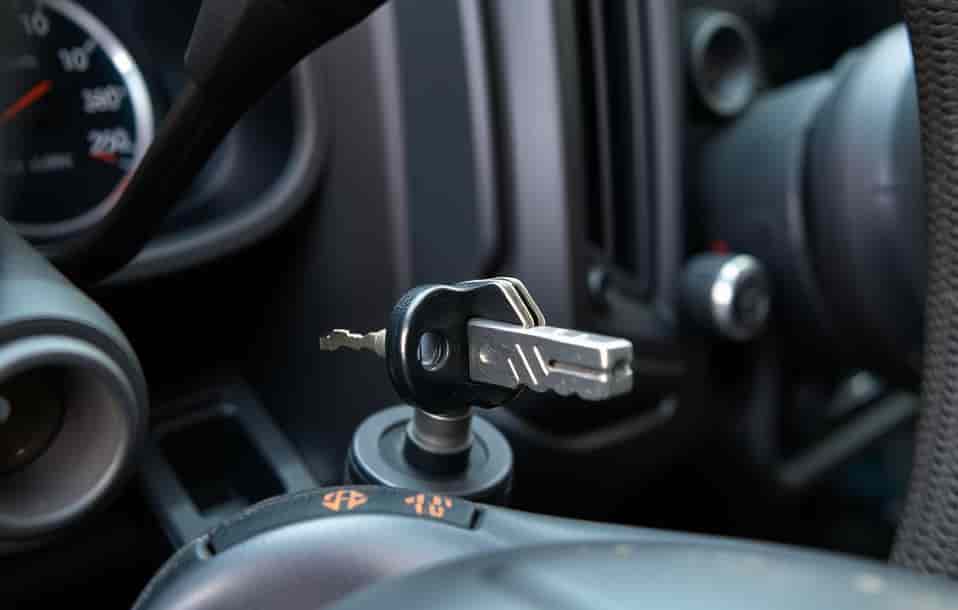
In the Chevy Colorado, the Passlock system relies on a sensor inside the ignition lock cylinder. This sensor reads the key rotation and sends a signal to the security module. The module then verifies the signal before enabling fuel and ignition functions.
When everything works correctly, the system operates in the background without any notice from the driver. Problems start when the sensor sends incorrect or no data. The system then blocks the start command to protect the vehicle.
The anti theft logic is simple but strict. If the signal does not match stored values, the engine control module disables starting. This is why a faulty sensor can stop the engine even when the key is correct.
Wiring issues, sensor wear, and internal ignition cylinder faults often trigger system failure. Over time, heat and vibration can also damage the sensor connection. Once this happens, the system may enter a locked state and keep the security light on.
Understanding this system helps you avoid misdiagnosis. Many drivers replace the battery or starter first, but those parts often work correctly. The real issue usually comes from the ignition lock sensor or communication error inside the Passlock circuit.
This section gives you the foundation needed before moving into diagnosis and replacement steps. It helps you understand why the system fails and how it affects engine starting behavior.
Symptoms of a Bad Passlock Sensor
A failing Passlock sensor creates clear warning signs before complete failure. The system starts to behave unpredictably and prevents normal engine operation. Most drivers notice these symptoms during everyday use.
In many cases, the engine cranks but does not start. The starter works, but the fuel system stays disabled. This happens because the anti theft system blocks the ignition signal. The vehicle stays in protection mode even with the correct key.
The security light on the dashboard often stays on or flashes. This light indicates a communication problem inside the Passlock system. When the sensor fails, the system cannot confirm the correct key signal.
Some drivers experience intermittent starting. The vehicle starts normally one day and fails the next. This inconsistency often points to a worn ignition lock sensor. Heat and vibration can make the problem worse over time.
The Chevy Colorado may also shut off unexpectedly after starting. This happens when the system loses signal during operation. The engine control module then disables fuel delivery for safety.
Another common symptom is a delay in starting after turning the key. The system may require multiple attempts before allowing ignition. This delay signals weak or unstable sensor communication.
It is important to distinguish these symptoms from battery or starter issues. A weak battery causes slow cranking, while a Passlock failure still allows cranking but blocks ignition. This difference helps avoid incorrect repairs and unnecessary part replacement.
Recognizing these signs early helps you diagnose the problem correctly. It also prevents further damage to the ignition system and reduces repair costs.
Tools and Preparation
Before starting the Chevy Colorado Passlock Sensor Replacement, you need to prepare the right tools and a safe working setup. Good preparation helps you avoid mistakes and reduces the risk of damaging the ignition system.
You should disconnect the battery first. This step prevents electrical shorts and protects the vehicle’s anti theft system. Always remove the negative terminal before touching any ignition components.
You will need a basic socket set, a set of screwdrivers, and plastic trim removal tools. These tools help you open the steering column covers without scratching or breaking them. In some cases, you may also need a steering wheel puller depending on the model condition.
Keep a clean workspace near the vehicle. Good lighting is important because the ignition area is small and detailed. You should also organize your tools before starting so you can work without interruptions.
Wear safety gloves to protect your hands from sharp edges inside the steering column. Electrical cleaner can help clean connectors if you notice dirt or oxidation during inspection.
In the Chevy Colorado, the Passlock sensor sits inside the ignition lock assembly. This area requires careful handling because wiring connections are sensitive. Avoid pulling wires directly because this can cause permanent damage.
Take your time during preparation. Many repair errors happen before the actual replacement begins. A stable setup ensures a smoother installation process and reduces the chance of system errors after reassembly.
Once everything is ready, you can move on to the removal and replacement process with confidence and better control over each step.
Step-by-Step Passlock Sensor Replacement
This section explains the full replacement process for the Passlock sensor in a clear and structured way. Follow each step carefully to avoid damage to the ignition system and to ensure the vehicle starts correctly after installation.
Start by confirming the battery is disconnected. This protects the electrical system and prevents accidental triggering of the anti theft module. Wait a few minutes after disconnecting to allow the system to fully power down.
Next, remove the steering column covers. Use plastic trim tools to avoid scratching the interior panels. Work slowly because the clips can break if you apply too much force. Once removed, you will see the ignition lock assembly area.
Inside the ignition assembly, locate the Passlock sensor. In the Chevy Colorado, the sensor connects directly to the ignition lock cylinder. It reads key position data and sends it to the security module.
Disconnect the wiring connector from the old sensor. Press the locking tab gently and pull the connector straight out. Avoid twisting because this can damage the pins. Check the connector for dirt or corrosion and clean it if needed.
Remove the faulty sensor from the ignition assembly. Some models use small screws while others use a snap fit design. Keep all parts in a safe place in case you need to compare them with the new sensor.
Install the new sensor in the same position. Make sure it sits firmly and aligns correctly with the ignition structure. A loose fit can cause signal errors later. Once installed, reconnect the wiring harness securely.
After that, reassemble the steering column covers. Ensure all clips lock into place. Do not force the panels because misalignment can cause rattling noise during driving.
Reconnect the battery last. Tighten the terminal properly to ensure stable power delivery. At this stage, the physical replacement is complete and the system is ready for reset.
This step is critical because any mistake in alignment or connection can cause the security system to fail again. Take your time and double check each connection before moving to the reset procedure.
Passlock Reset and Relearn Procedure
After replacing the sensor, the vehicle will not start immediately in many cases. The system needs time to relearn the new signal. This step is required because the anti theft system must verify the new sensor data before it allows engine start.
Begin by sitting inside the vehicle with all doors closed. Insert the key into the ignition. Turn the key to the ON position without starting the engine. The security light will usually turn on and stay active for a short time.
Leave the key in the ON position and wait. In most cases, the system takes about 10 to 30 minutes to complete the relearn cycle. During this time, do not turn the key off or try to start the engine. Interrupting the process will reset the timer.
When the system finishes, the security light will turn off. This indicates that the Passlock system has accepted the new sensor signal. Turn the key to OFF and wait a few seconds before the next step.
Start the engine normally. In the Chevy Colorado, the engine should now crank and start without triggering the security lock. If the engine does not start, repeat the relearn cycle from the beginning.
Some cases require multiple cycles if the system was heavily locked before replacement. Patience is important because the ECM must fully synchronize with the new ignition sensor data.
Avoid disconnecting the battery during this process. It can interrupt the learning procedure and force the system to restart from zero. Always let the cycle finish completely.
Once the engine starts successfully, keep it running for a few minutes. This helps stabilize the new sensor data inside the system memory and ensures smooth future starts.
Common Mistakes to Avoid
Many repairs fail not because of the sensor itself, but because of small mistakes during installation and reset. Understanding these errors helps you avoid repeated failures and unnecessary costs.
One common mistake is replacing the sensor without confirming the real problem. Some drivers assume the Passlock system is faulty when the battery or ignition switch is actually weak. This leads to unnecessary repairs and wasted time.
Another frequent error is improper wiring connection. If the connector is not fully locked into place, the signal becomes unstable. In the Chevy Colorado, even a slightly loose connection can trigger the security system again.
Many people also rush the reset process. They turn the key off too early or try to start the engine before the relearn cycle is complete. This interrupts the system and forces it to restart the entire process.
Incorrect reassembly of the steering column is another issue. If clips are not aligned properly, vibration during driving can loosen internal connections. This may cause intermittent starting problems later.
Some users also disconnect the battery during the relearn process. This is a critical mistake because it resets the system and prevents proper synchronization between the sensor and the engine control module.
Using low quality replacement parts can also create long term issues. Cheap sensors may not send stable signals, causing the anti theft system to activate randomly.
Finally, skipping a full system test after installation is a mistake. Always verify that the engine starts multiple times under different conditions. This ensures the repair is stable and complete.
Avoiding these mistakes helps you complete the repair successfully on the first attempt and ensures the Passlock system operates normally again.
Cost Breakdown DIY vs Mechanic
Understanding the cost difference between DIY repair and professional service helps you decide the best approach for replacing the Passlock sensor. In most cases, the price varies depending on parts quality, labor rates, and location.
If you choose DIY repair, the main cost is the replacement sensor. The price usually stays in a moderate range depending on brand and compatibility. You may also need basic tools if you do not already own them. The total DIY cost stays relatively low because you are not paying labor fees.
In a workshop setting, labor becomes the largest expense. Mechanics charge for diagnostic time, disassembly, replacement, and system reset. In some cases, dealerships charge even more because they use specialized diagnostic tools and official parts.
For the Chevy Colorado, professional repair can cost significantly higher than DIY because the ignition system requires careful handling and relearn procedures. Some shops also replace additional components during diagnosis, which increases the total bill.
DIY repair saves money but requires time and attention. You must follow each step carefully to avoid mistakes in wiring or reset procedures. If done correctly, the result is the same as professional repair.
Mechanic service offers convenience and faster completion. However, it may not always explain the root cause of the issue in detail. This can make it harder to prevent future failures.
The best choice depends on your experience level. If you are comfortable working with basic automotive systems, DIY repair offers strong cost savings. If you prefer guaranteed results without effort, professional service may be a better option.
Final Testing and Verification
After completing the replacement and reset process, you need to verify that the system works correctly. This step confirms that the Passlock sensor communicates properly with the engine control module and that the anti theft system no longer blocks ignition.
Start by turning the key to the ON position. Check the dashboard carefully. The security light should turn off after a few seconds. If it stays on or flashes, the system has not accepted the new sensor signal.
Next, start the engine. The engine should crank normally and start without delay. In the Chevy Colorado, a successful repair means the engine runs smoothly without triggering the security system again.
Let the engine idle for a few minutes. Watch for warning lights or unusual behavior. A stable idle indicates that the sensor signal is stable and properly synchronized with the system.
Turn the engine off and restart it several times. This helps confirm that the system works consistently under repeated cycles. If the engine starts normally each time, the repair is successful.
You should also test the vehicle after a short drive. Pay attention to any sudden shutdowns or security light activation. These signs may indicate a loose connection or incomplete reset process.
If any issue appears during testing, recheck the wiring and repeat the reset procedure. Small installation errors can sometimes cause intermittent faults.
A proper verification process ensures that the repair is complete and stable. It also helps prevent future starting problems and confirms that the Passlock system is functioning as intended.
Conclusion
The Chevy Colorado Passlock Sensor Replacement process may seem complex at first, but it becomes manageable when you follow a clear and structured approach. The key is understanding how the anti theft system works and how the ignition lock sensor communicates with the engine control module.
In the Chevy Colorado, most starting issues related to the Passlock system come from sensor failure, wiring instability, or incorrect signal recognition. When you identify the symptoms early, you can avoid unnecessary repairs and reduce downtime for your vehicle.
This guide has shown you the full process from diagnosis to replacement and system reset. You learned how to recognize failure signs, remove and install the sensor, perform the relearn procedure, and verify system stability. Each step plays an important role in restoring normal engine operation.
A successful repair depends on careful work and attention to detail. Small mistakes in wiring or reset timing can cause repeated failures. That is why following each step accurately is more important than rushing the process.
Once the system is restored, your vehicle should start normally and the security light should behave as expected. Regular checks of the ignition system can help prevent future issues and keep the anti theft system functioning properly.
By understanding this system, you gain more control over your vehicle maintenance and reduce dependence on expensive repairs. This knowledge helps you handle similar issues more confidently in the future.