The 4L60E Transmission Control Module plays a key role in automatic transmission performance. It controls how the transmission shifts and reacts under different driving conditions. Many drivers misinterpret transmission problems as mechanical failures, while the real issue often comes from the electronic control system.
The Transmission Control Module manages shift timing, hydraulic pressure, and communication between the engine and transmission. It processes signals from sensors such as throttle position, engine load, and vehicle speed. These inputs help the system decide the correct gear at the right time. When the module fails, the vehicle starts to behave unpredictably.
A faulty 4L60E Transmission Control Module can create symptoms that look similar to internal transmission damage. This often leads to incorrect diagnosis and unnecessary repairs. Many drivers replace transmission parts without checking the electronic control system first. This mistake increases repair costs and does not solve the real problem.
This guide explains how the 4L60E Transmission Control Module works and how to identify failure symptoms. You will also learn how to diagnose the system step by step. The goal is to help you separate electronic control issues from mechanical transmission problems. This allows you to make accurate repair decisions and avoid unnecessary expenses.
What Is the 4L60E Transmission Control Module?
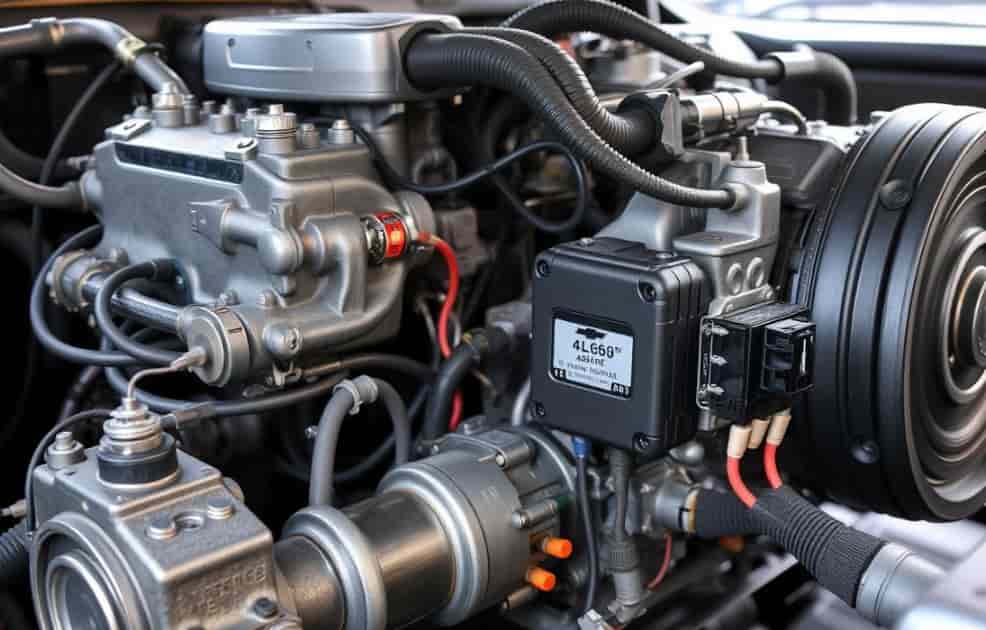
The 4L60E Transmission Control Module is an electronic controller that manages how the transmission operates. It acts as the decision making unit for gear changes in the 4L60E automatic transmission system. Without it, the transmission cannot adjust shifting behavior based on driving conditions.
This module receives real time data from multiple engine and vehicle sensors. It uses this data to calculate the correct shift timing and gear selection. The system relies on inputs such as engine speed, throttle position, vehicle speed, and load demand. Based on these signals, it sends commands to the transmission to shift smoothly and efficiently.
The 4L60E Transmission Control Module also works closely with the engine control system. Both systems communicate continuously to balance power delivery and fuel efficiency. This coordination helps the vehicle maintain stable performance under different driving conditions such as acceleration, cruising, or climbing.
When the module functions correctly, gear shifts feel smooth and consistent. When it fails, the transmission loses accuracy in shift timing. This can lead to delayed shifting, harsh engagement, or unpredictable gear changes.
In modern vehicles, the Transmission Control Module plays a central role in replacing older hydraulic only control systems. It adds precision, adaptability, and better overall efficiency to the drivetrain. This makes it an essential component for both performance and reliability in the 4L60E transmission system.
Key Functions of the 4L60E Transmission Control Module
The 4L60E Transmission Control Module is responsible for managing the core behavior of the automatic transmission system. It acts as the central control unit that determines how, when, and why gear changes happen. Instead of relying only on hydraulic pressure like older systems, it uses electronic signals to improve accuracy and driving comfort.
One of its most important functions is shift timing control. The module continuously reads data from engine speed sensors, throttle position sensors, and vehicle speed sensors. It processes this information in real time and decides the exact moment to shift gears. This helps create smooth acceleration and prevents sudden or delayed gear changes that can affect driving stability.
Another key function is hydraulic pressure management. The module adjusts internal transmission pressure based on driving conditions. It increases pressure when the vehicle is under heavy load and reduces pressure during light driving. This balance protects internal components and ensures consistent shifting performance. If this function becomes inaccurate, the transmission may slip or shift harshly.
The 4L60E Transmission Control Module also communicates directly with the engine control system. Both systems exchange data to coordinate engine output and transmission behavior. This communication ensures that gear changes match engine performance and driving demand. Without this coordination, the vehicle may shift at the wrong time or feel unresponsive.
In addition, the module controls the torque converter lockup system. It locks the converter during steady driving to improve fuel efficiency and unlocks it when more power is needed. This function helps reduce fuel consumption while maintaining smooth power delivery.
Finally, the module uses adaptive learning to adjust shifting patterns based on driving habits. Over time, it fine tunes performance for better comfort and efficiency.
Common Symptoms of a Failing 4L60E Transmission Control Module
A failing 4L60E Transmission Control Module can create a wide range of driving problems that often look like internal transmission damage. This is one of the main reasons many drivers misdiagnose the issue and spend money on unnecessary repairs. The symptoms usually appear gradually at first, then become more noticeable over time.
One of the most common signs is harsh or delayed shifting. The vehicle may hesitate before changing gears or shift with a strong jerk. This happens because the module cannot properly control shift timing or hydraulic pressure. As a result, gear engagement becomes inconsistent and uncomfortable.
Another frequent symptom is limp mode activation. In this condition, the transmission limits itself to a single gear or a reduced number of gears. This is a protective response from the system when it detects abnormal signals. The vehicle may feel slow and unresponsive, especially during acceleration.
Transmission slipping is also a key indicator of TCM problems. The engine may rev higher without a corresponding increase in vehicle speed. This occurs when the module fails to maintain correct pressure or shift coordination. Drivers often mistake this for mechanical clutch wear.
Erratic gear changes can also occur. The transmission may shift unpredictably or change gears at the wrong time. This behavior usually comes from incorrect sensor data processing or communication errors between the module and engine control system.
In many cases, the check engine light will also appear. OBD2 scanning may reveal transmission-related error codes such as P0700 or other shift control codes. These codes indicate communication or control issues within the transmission system.
Recognizing these symptoms early is important because it helps prevent misdiagnosis. Many of these problems are electronic, not mechanical, and require proper diagnostic testing before replacing any transmission components.
Causes of 4L60E Transmission Control Module Failure
The 4L60E Transmission Control Module can fail due to several electrical, environmental, and system related issues. Most failures do not happen suddenly. They develop over time as stress builds up inside the electronic and communication systems of the vehicle. Understanding these causes helps prevent misdiagnosis and unnecessary transmission replacement.
One of the most common causes is electrical system instability. The Transmission Control Module depends on stable voltage to operate correctly. When the battery or alternator produces inconsistent voltage, the module may receive incorrect signals. This can lead to shifting errors, communication failures, or complete system malfunction.
Heat is another major factor. The transmission environment generates high temperatures, especially during heavy driving or towing. Over time, excessive heat can damage internal circuits inside the module. Once the electronic components degrade, the module may start sending incorrect commands to the transmission system.
Wiring and connector issues also contribute to failure. Damaged wiring, corrosion, or loose connectors can interrupt communication between the module and sensors. Even a small disruption in signal flow can cause serious shifting problems. These issues are often mistaken for internal transmission damage.
Software or calibration errors can also affect performance. In some cases, the module loses adaptive learning data or becomes corrupted after a voltage drop or system reset. This can result in unstable shift patterns and poor driving behavior until the system is relearned or reprogrammed.
Finally, internal circuit failure can occur over time. The printed circuit board inside the module may wear out due to vibration, heat, or age. When this happens, the module can no longer process data correctly and must be repaired or replaced.
Identifying these causes early helps ensure accurate diagnostics and prevents unnecessary replacement of transmission components.
Complete Diagnostic Guide for the 4L60E Transmission Control Module
Diagnosing a 4L60E Transmission Control Module requires a structured approach because many symptoms overlap with mechanical transmission problems. A correct diagnosis helps avoid replacing parts that are still in good condition and focuses only on the real source of the issue.
The first step is to scan the vehicle using an OBD2 diagnostic tool. This tool reads error codes stored in the system. Codes such as P0700 or other transmission related faults often indicate communication or control issues. However, these codes alone do not confirm module failure. They only point to areas that need further testing.
The next step is to inspect all electrical connections. The Transmission Control Module depends on stable wiring and clean connectors to communicate with sensors. Any corrosion, loose pins, or damaged wiring can interrupt signals. These physical issues must be ruled out before assuming the module is faulty.
Voltage testing is also important in the diagnostic process. The module requires consistent voltage from the battery and alternator. Fluctuating voltage can cause unstable behavior and incorrect shifting. Measuring voltage at different points in the system helps identify power related problems.
After electrical checks, live data monitoring should be performed. A scan tool can display real time data from sensors and the module. Comparing expected values with actual behavior helps detect incorrect shift timing or communication delays between the engine and transmission system.
Finally, it is important to separate electronic faults from mechanical transmission issues. Mechanical problems usually involve slipping, worn clutches, or hydraulic failure. Electronic problems usually affect timing, communication, and shift logic. Correctly identifying this difference is essential for accurate repair decisions.
A complete diagnostic process ensures that the 4L60E Transmission Control Module is only replaced when necessary. This prevents unnecessary costs and improves repair accuracy.
How to Differentiate TCM Failure vs Mechanical Transmission Failure
Distinguishing between a failing 4L60E Transmission Control Module and a mechanical transmission problem is one of the most important steps in accurate diagnosis. Both issues can produce similar symptoms, but the root causes are completely different. Misidentifying them often leads to unnecessary repairs and higher costs.
A TCM related issue usually affects how the transmission behaves electronically. The vehicle may show erratic shifting, delayed gear changes, or unpredictable gear selection. These problems often appear without clear physical signs of damage. In many cases, the transmission still has good mechanical condition, but the control signals are incorrect or unstable.
Mechanical transmission failure usually presents more physical symptoms. Drivers may notice slipping under load, burning smell from transmission fluid, or metal noise during gear changes. These signs indicate internal wear such as damaged clutches, worn bands, or hydraulic pressure loss. Unlike electronic issues, mechanical problems tend to worsen quickly over time.
Another key difference is how the system responds to diagnostic tools. When the Transmission Control Module fails, OBD2 scanners often show communication errors or sensor related codes. When mechanical failure occurs, the system may still communicate normally, but performance data shows abnormal pressure or slip values.
Driving behavior also helps separate the two conditions. Electronic failures often create inconsistent shifting patterns that change depending on conditions. Mechanical failures usually produce constant symptoms regardless of driving style or speed.
Understanding this difference is critical before replacing any components. Many drivers replace the transmission when the real issue is the control module or wiring system. Proper testing of both electronic and mechanical systems ensures accurate diagnosis and prevents unnecessary repair costs.
Repair or Replacement Options for the 4L60E Transmission Control Module
When a 4L60E Transmission Control Module starts to fail, the repair approach depends on the root cause identified during diagnosis. Not every problem requires full replacement. In many cases, the issue can be corrected through targeted repair or system recalibration.
One possible solution is reprogramming or resetting the Transmission Control Module. This option is effective when the problem comes from corrupted software or lost adaptive learning data. A professional scan tool can restore factory settings and allow the module to relearn shift patterns based on driving conditions. This process often improves shifting behavior without replacing hardware.
Another repair option involves fixing wiring and electrical connections. Damaged wiring, loose connectors, or corrosion can interrupt communication between the module and sensors. Cleaning or replacing these components can restore normal signal flow and resolve shifting issues. This is one of the most cost effective solutions when electrical faults are detected early.
If the internal circuits of the module are damaged, replacement becomes necessary. A fully failed 4L60E Transmission Control Module cannot process data correctly or control transmission behavior. In this case, installing a new or refurbished unit is the only reliable solution. It is important to choose a compatible module that matches the vehicle system specifications.
After replacement, the system often requires relearning or recalibration. This allows the new module to adapt to driving conditions and restore smooth shifting performance. Without this step, the transmission may feel inconsistent or unresponsive.
Choosing between repair and replacement depends entirely on diagnostic results. Electrical or software issues usually allow repair. Hardware failure requires replacement. Proper evaluation ensures cost efficiency and prevents unnecessary part changes.
Conclusion
The 4L60E Transmission Control Module plays a central role in controlling modern automatic transmission performance. It manages shift timing, hydraulic pressure, and communication between the engine and transmission system. When it functions correctly, the vehicle delivers smooth gear changes and stable driving behavior under all conditions.
When the module begins to fail, the symptoms often resemble serious mechanical transmission damage. Drivers may experience harsh shifting, limp mode activation, or unpredictable gear changes. These issues can easily lead to incorrect diagnosis and unnecessary repairs if the electronic control system is not properly inspected.
Understanding how the 4L60E Transmission Control Module works is essential for accurate troubleshooting. A structured diagnostic process helps separate electronic faults from mechanical failures. Tools such as OBD2 scanners, voltage testing, and live data analysis provide clear insight into system performance. This approach reduces guesswork and improves repair accuracy.
In many cases, problems are caused by wiring issues, voltage instability, or software errors rather than complete module failure. These issues can often be repaired without replacing major components. However, when internal circuit damage occurs, replacement becomes the only reliable solution.
Proper diagnosis and correct decision making are the most important factors in controlling repair costs. By identifying the true source of the problem, vehicle owners and technicians can avoid unnecessary part replacements and restore transmission performance more efficiently.
The key takeaway is simple. Always verify the condition of the 4L60E Transmission Control Module before assuming mechanical failure. A careful and structured approach ensures better results, lower costs, and longer system reliability.