The L77 6.0L V8 Engine is a GM powertrain that still draws strong interest in LS swap projects and performance discussions today. It belongs to the well known GM LS engine family and combines durability with practical fuel efficiency.
This engine stands out because it blends traditional V8 pushrod design with modern fuel saving technology. GM equipped it with Active Fuel Management to deactivate cylinders during light driving conditions. This system helps reduce fuel consumption without removing the core strength of a large displacement V8 engine.
In real world use, the L77 6.0L V8 Engine often appears in full size sedans and heavy duty platforms. These vehicles rely on strong low end torque and stable long term operation rather than high RPM performance. At the same time, the LS based architecture gives it strong tuning potential for aftermarket builds.
Many enthusiasts choose this engine for swaps and upgrades because it supports modifications well and has wide parts availability. It also sits in a balanced position within the LS family, offering more efficiency than older truck engines while still delivering solid performance.
This article explains the L77 6.0L V8 Engine in detail. It covers specifications, performance behavior, real world applications, and comparisons within the LS engine ecosystem. The goal is to provide a clear technical and practical understanding of this engine and its role in modern automotive culture.
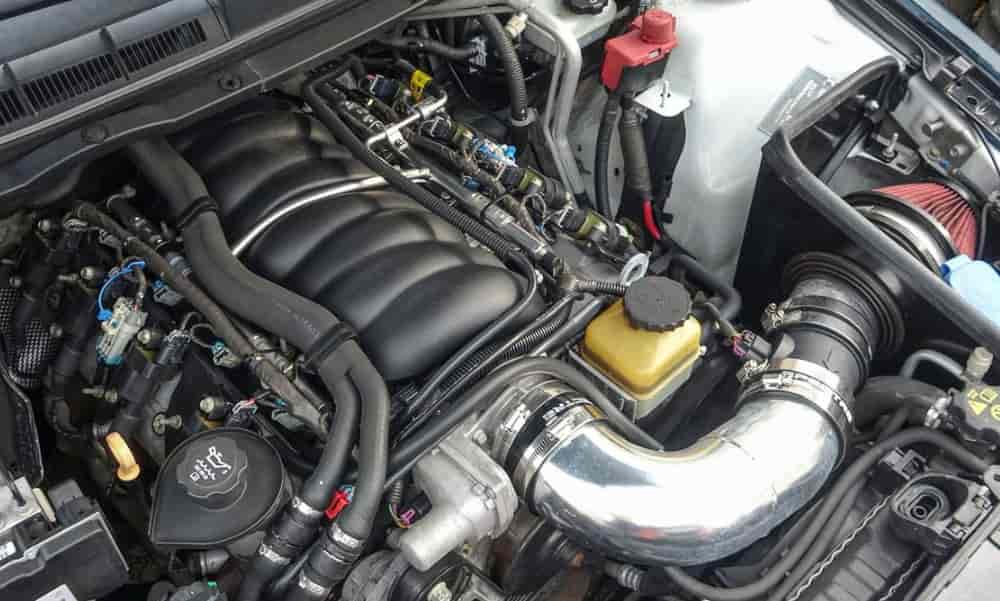
L77 6.0L V8 ENGINE OVERVIEW
The L77 6.0L V8 Engine is part of the GM LS engine family, which is known for its pushrod V8 architecture and strong aftermarket support. GM designed this engine for a balance between fuel efficiency and torque focused performance. It delivers reliable output while still maintaining compatibility with modern emissions and fuel economy requirements.
This engine uses an aluminum block construction, which helps reduce overall vehicle weight compared to older iron block LS variants. The lighter design improves handling balance and efficiency, especially in full size vehicles where weight reduction matters. The L77 also integrates Active Fuel Management technology, which allows the engine to deactivate four cylinders during low load conditions. This system improves fuel economy during cruising and light driving situations.
GM positioned the L77 within the LS ecosystem as a more efficiency oriented 6.0L variant. It was not designed as a high revving performance engine like the LS3, but instead focused on everyday drivability and long distance reliability. Even so, its core LS architecture keeps it highly compatible with performance upgrades and swap builds.
In factory form, the L77 was commonly used in large sedans and utility oriented platforms. These vehicles required strong low end torque for smooth acceleration, towing capability, and stable highway performance. The engine delivers consistent power across a wide RPM range, which makes it suitable for both daily driving and light performance applications.
The L77 6.0L V8 Engine continues to attract attention because it sits in a unique position between efficiency and performance. It offers modern fuel saving technology while still preserving the mechanical simplicity and strength that define the LS engine family.
TECHNICAL SPECIFICATIONS
The L77 6.0L V8 Engine is built around a 6.0 liter displacement V8 layout that uses GM’s LS based architecture. It features an aluminum block design that reduces overall engine weight and improves vehicle balance compared to older iron block versions in the same displacement class.
This engine uses a bore and stroke configuration optimized for torque delivery rather than high RPM power. The design supports strong low end response, which makes it suitable for heavy vehicles and daily driving applications. The factory output varies depending on tuning and application, but it generally produces around 362 horsepower and 391 lb-ft of torque in stock form.
The compression ratio is designed to support regular fuel use while maintaining efficient combustion under load. This balance helps the engine deliver stable performance without requiring high octane fuel in standard configurations. The fuel system uses sequential fuel injection, which improves fuel delivery accuracy and overall efficiency.
One of the defining technical features of the L77 is Active Fuel Management. This system allows the engine to shut down four cylinders during light throttle conditions. It reduces fuel consumption during highway cruising and low load driving. When power demand increases, all eight cylinders reactivate seamlessly to restore full performance.
The engine is controlled by an advanced ECU system that manages fuel delivery, ignition timing, and cylinder deactivation. This electronic control improves efficiency while maintaining drivability across different driving conditions. The integration of emissions control systems also allows the engine to meet modern regulatory standards.
Overall, the L77 6.0L V8 Engine combines traditional LS mechanical strength with modern electronic efficiency systems. This combination defines its technical identity within the GM LS engine family.
PERFORMANCE ANALYSIS
The L77 6.0L V8 Engine delivers a driving character that focuses on strong low end torque and stable mid range power. It is not designed as a high revving performance engine, but it provides consistent acceleration that suits heavy vehicles and long distance driving.
In real world conditions, the engine responds quickly at low RPM, which makes city driving smooth and predictable. The torque delivery feels linear, so the vehicle does not require high engine speed to achieve usable power. This behavior improves drivability in large sedans and utility based platforms where comfort and control matter more than aggressive acceleration.
On the highway, the L77 performs efficiently when Active Fuel Management is active. The system reduces fuel consumption by shutting down half of the cylinders during light load cruising. This helps improve fuel economy without affecting stability or driving comfort. When more power is needed, the engine switches back to V8 mode smoothly and maintains strong overtaking capability.
The engine also shows solid towing and load handling performance. The torque curve supports sustained pulling power, which makes it suitable for vehicles designed to carry heavy weight or travel long distances under load. Heat management and durability remain stable under normal operating conditions, which reflects its LS based engineering foundation.
However, when compared to higher performance LS variants, the L77 has a lower redline and less aggressive top end power. It is not intended for track focused applications, and its factory tuning limits high RPM performance. Enthusiasts often accept this trade off because the engine offers a balanced mix of efficiency, reliability, and usable power in daily driving scenarios.
Overall, the L77 6.0L V8 Engine performs best as a torque focused and efficiency oriented V8 rather than a high performance racing platform.
COMMON VEHICLE APPLICATIONS
The L77 6.0L V8 Engine was primarily used by GM in full size, rear wheel drive platforms that required strong torque, smooth power delivery, and long term reliability. It was not positioned as a niche performance engine but as a balanced V8 for large vehicles with demanding daily use conditions.
One of the most well known applications of the L77 is in full size sedans such as the Holden Caprice and related GM export models. These vehicles relied on the engine’s low end torque to deliver smooth acceleration and stable highway cruising. The combination of displacement and electronic efficiency systems made it suitable for both urban driving and long distance travel.
The engine also appeared in utility oriented and fleet focused platforms where durability and operating cost mattered more than peak horsepower. In these cases, GM prioritized fuel efficiency through Active Fuel Management while still maintaining V8 capability when required. This made the L77 a practical choice for government, taxi, and executive transport use in certain markets.
In heavier vehicles, the L77 provided enough torque to support towing and load carrying tasks without excessive strain. Its LS based architecture ensured that it could handle continuous operation under moderate to heavy load conditions. This made it a dependable option for platforms that required both comfort and utility.
Although it was not widely used in performance focused sports cars, the L77 gained attention in the aftermarket community due to its compatibility with LS swap projects. Enthusiasts value its availability, aluminum block construction, and strong base for modification. This has extended its life beyond factory applications and into custom builds worldwide.
Overall, the L77 6.0L V8 Engine is most commonly found in large sedans and utility platforms where balanced performance and efficiency are more important than maximum power output.
RELIABILITY AND COMMON ISSUES
The L77 6.0L V8 Engine is widely regarded as a reliable member of the GM LS engine family. It uses a proven pushrod V8 design and an aluminum block that supports long term durability under normal driving conditions. Many owners report high mileage performance when they follow proper maintenance schedules.
In daily use, the engine handles city driving, highway cruising, and moderate towing without major issues. Its LS based architecture keeps the mechanical layout simple, which reduces the risk of complex system failures compared to modern overhead cam engines.
However, the Active Fuel Management system introduces some known weaknesses. AFM can increase stress on lifters over time, especially in engines that run high mileage or experience inconsistent oil maintenance. When lifters start to fail, the engine may produce ticking noises, misfires, or uneven operation.
Oil consumption can also appear in some units. This issue often relates to AFM operation, driving style, and delayed oil changes. Regular maintenance with correct oil specifications helps reduce this risk and keeps engine wear under control.
Valve train noise may develop as the engine ages. In many cases, this noise links to AFM components rather than the core engine design. Enthusiasts often remove the AFM system during rebuilds to prevent future failures and improve long term stability.
Despite these issues, the base LS platform remains strong and well engineered. Many L77 engines continue running reliably at high mileage when owners maintain them correctly. Proper care and AFM management play the most important role in extending engine life.
L77 IN THE LS SWAP AND TUNING SCENE
The L77 6.0L V8 Engine has become a popular choice in the LS swap community because it combines strong displacement with wide aftermarket support. Builders often select it as a cost effective entry point into V8 swap projects, especially when they want a balance between performance and drivability.
One of the main advantages of the L77 in swap applications is its LS based architecture. It shares compatibility with many GM LS components, which simplifies integration into different chassis platforms. This reduces the complexity of adapting mounts, transmissions, and supporting systems compared to non LS engines.
Enthusiasts also value the aluminum block design. It reduces front end weight, which improves vehicle balance in lighter chassis conversions. This becomes important in performance builds where handling matters as much as straight line power.
In tuning applications, the L77 responds well to ECU calibration and basic bolt on modifications. Intake upgrades, exhaust improvements, and camshaft changes can increase performance significantly without compromising reliability when properly tuned. However, the Active Fuel Management system often becomes a limitation in modified engines. Many builders choose to disable AFM during performance builds to avoid lifter related issues and improve long term stability.
The engine also supports forced induction setups such as turbocharging and supercharging. The LS platform has strong aftermarket reinforcement options, which allows the L77 to handle increased power levels when properly built. Internal upgrades such as forged pistons and strengthened valve train components become necessary for high output applications.
Overall, the L77 6.0L V8 Engine fits well into the LS swap and tuning world because it offers a strong base platform, flexible compatibility, and predictable performance behavior under modification.
COMPARISON WITH OTHER LS ENGINES
The L77 6.0L V8 Engine sits in a unique position within the GM LS engine family because it focuses more on efficiency and everyday usability than pure performance. When compared to other LS variants, its strengths and limitations become clearer based on design intent and factory tuning.
Compared to the LS3, the L77 delivers less peak horsepower and a lower redline. The LS3 targets performance applications with a higher flowing cylinder head design and more aggressive cam profiles. In contrast, the L77 prioritizes torque delivery and fuel efficiency through Active Fuel Management. This makes the LS3 a better option for performance builds, while the L77 fits better in balanced or utility focused applications.
When compared to the LQ4, the L77 offers a lighter aluminum block instead of iron construction. This reduces vehicle weight and improves handling balance in swaps and performance setups. The LQ4, however, often handles higher boost and heavy duty stress more effectively due to its stronger iron block structure. Builders often choose between these two depending on whether weight reduction or brute strength matters more.
Against the LS2, the L77 provides similar displacement but integrates more modern fuel management technology. The LS2 focuses on simplicity and consistent performance without cylinder deactivation systems. The L77 adds efficiency benefits but introduces more complexity due to AFM, which can affect long term maintenance decisions.
Overall, the L77 6.0L V8 Engine stands as a middle ground within the LS ecosystem. It does not lead in raw performance, but it offers a strong balance of efficiency, usability, and swap friendly design that makes it attractive for a wide range of applications.
REAL WORLD PERFORMANCE SUMMARY AND CONCLUSION
The L77 6.0L V8 Engine delivers a real world performance profile that focuses on balance rather than extremes. It provides strong low end torque, stable highway behavior, and consistent drivability in a wide range of vehicle platforms. This makes it suitable for drivers who prioritize usability over track focused performance.
In everyday conditions, the engine feels smooth and predictable. It responds well at low RPM and maintains steady power delivery during normal acceleration. This behavior improves comfort in large sedans and utility based vehicles where refined operation matters more than aggressive power spikes.
Fuel efficiency also plays an important role in its real world value. Active Fuel Management helps reduce fuel consumption during light load cruising. While this system improves efficiency, it also introduces a trade off in long term maintenance complexity, especially for high mileage engines that require careful oil management.
For performance enthusiasts, the L77 offers a solid foundation for modification. It supports LS swap projects, responds well to tuning, and allows moderate power upgrades with the right supporting parts. However, it does not match the factory performance ceiling of more aggressive LS engines like the LS3, so builders often choose it for balanced street setups rather than high RPM racing builds.
In conclusion, the L77 6.0L V8 Engine stands as a practical and versatile member of the GM LS family. It combines efficiency technology, strong torque characteristics, and proven LS reliability into a single package. Its real value comes from flexibility, making it suitable for daily driving, swap projects, and moderate performance builds depending on how it is configured.