The L31 engine, also called the GM 5.7 Vortec, is one of the most popular small block V8 engines from General Motors. It powers many trucks and SUVs and still gets attention from mechanics and car enthusiasts today. People value this engine for its strong torque, simple design, and long service life.
This engine comes from General Motors and appears in many models from Chevrolet and GMC. It plays an important role in the evolution of the GM 5.7L V8 family. Even though newer engines exist, many users still search for L31 engine specs because they want clear and reliable technical information.
Many readers feel confused when they compare the L31 with older throttle body injection engines or newer LS platforms. Different sources often show mixed or incomplete data. This makes it hard to understand the real performance and reliability of the engine.
This guide explains the full L31 engine specs in a simple and structured way. You will learn its horsepower, torque, fuel system, and design features. You will also see how it performs in real driving conditions and why it still has a strong reputation for durability. In the next sections, we will break everything down step by step so you can fully understand the GM 5.7 Vortec L31 engine.
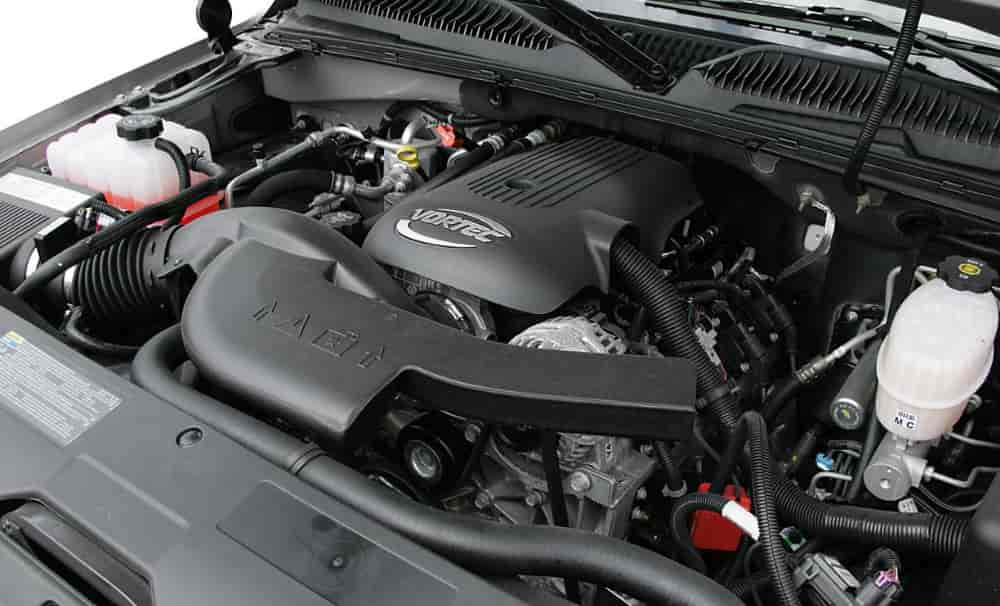
L31 Engine Specifications Breakdown
The L31 engine is part of the GM 5.7L V8 small block family developed by General Motors. It uses a traditional pushrod OHV architecture and focuses on durability, torque, and long term reliability. Engineers designed it mainly for trucks and SUVs that need stable pulling power instead of high RPM performance.
This engine has a displacement of 5.7 liters or 350 cubic inches. It uses a V8 layout with two valves per cylinder. This simple structure improves strength and makes maintenance easier compared to more complex modern engines. The L31 also uses sequential multi port fuel injection, which delivers fuel more precisely into each cylinder. This system improves throttle response and efficiency compared to older throttle body injection designs.
The engine produces around 255 horsepower in most factory setups. It also delivers approximately 330 lb ft of torque, which comes in at low RPM. This strong low end torque makes the L31 ideal for towing, hauling, and heavy duty driving conditions. Many owners value this behavior because it gives stable performance under load without needing high engine speed.
The bore and stroke measure 101.6 mm by 88.4 mm. This configuration supports balanced combustion and steady power delivery. The compression ratio is around 9.4 to 1, depending on the specific application. This moderate ratio allows the engine to run reliably on regular fuel while maintaining consistent performance.
Chevrolet and GMC used the L31 engine in many full size trucks and SUVs. The engine also features Vortec cylinder heads, which improve airflow and increase efficiency compared to earlier GM small block versions. This combination of simple design and improved breathing is one reason the L31 remains respected in the automotive community.
Vehicle Applications of the L31 Engine
The L31 engine was widely used across many full size trucks and SUVs from General Motors. It became one of the most common 5.7L V8 engines in North America during its production period. Engineers designed it for heavy duty use, so it appeared mainly in vehicles that required strong towing capacity and long term durability.
One of the most popular applications of the L31 engine was in Chevrolet Silverado 1500 trucks. These trucks relied on the engine’s strong low end torque for hauling and daily utility work. The engine also powered the Chevrolet Tahoe and Chevrolet Suburban, where it supported family transport, cargo movement, and towing tasks.
GMC also used the L31 engine in models such as the Sierra 1500 and Yukon. These vehicles shared similar platforms with Chevrolet models and focused on strength, reliability, and versatility. The engine performed well in both work and passenger oriented configurations.
The L31 also appeared in older full size vans and utility vehicles. These applications benefited from the engine’s simple design and strong torque curve. It handled heavy loads without requiring high RPM operation, which improved long term durability.
Drivers often chose vehicles with the L31 engine because they needed dependable performance under stress. The engine delivered consistent power for towing trailers, carrying heavy cargo, and driving in demanding conditions. It also became popular in fleet vehicles due to its low maintenance requirements and long service life.
Even today, many enthusiasts look for vehicles equipped with the L31 engine for restoration projects or engine swaps. Its widespread use across GM trucks and SUVs makes it an important part of small block V8 history.
L31 Engine Performance Characteristics
The L31 engine delivers performance that focuses on torque and reliability rather than high speed power. General Motors designed it for trucks and SUVs that need strong pulling ability in real world driving conditions. This makes the engine very different from modern performance focused V8 engines.
The engine produces around 255 horsepower in most factory configurations. While this number may seem modest by today’s standards, the real strength of the L31 comes from its torque output. It generates about 330 lb ft of torque, and it delivers this torque at low RPM. This allows the engine to move heavy loads with ease even without high engine speed.
Chevrolet and GMC used this engine in trucks and SUVs that often carried passengers, cargo, or trailers. In these conditions, the L31 performs smoothly and consistently. It does not need to rev high to deliver usable power, which improves driving comfort and engine longevity.
The engine also responds well under load. It maintains steady power delivery when climbing hills or towing trailers. This behavior makes it popular among drivers who need dependable work performance instead of sport oriented acceleration.
Fuel efficiency is moderate for a V8 engine of its size. The multi port fuel injection system improves fuel control compared to older engine designs. However, the L31 still prioritizes strength over economy.
The driving experience feels stable and predictable. The engine does not deliver sudden bursts of power. Instead, it builds torque in a smooth curve that supports heavy duty use. This makes it ideal for long distance hauling and utility driving.
Overall, the L31 performance profile reflects its purpose as a durable work engine rather than a high performance platform.
L31 Engine Reliability and Common Issues
The L31 engine has a strong reputation for reliability in the full size truck and SUV segment from General Motors. Many owners report that it can exceed 200,000 miles when properly maintained. The engine uses a simple pushrod design, which reduces mechanical complexity and helps improve long term durability.
Chevrolet and GMC both used this engine in heavy duty applications, and this usage shows its ability to handle long periods of stress. The L31 performs well under towing and hauling conditions, which adds to its reputation as a dependable work engine.
However, the engine still has some known issues. One common problem is intake manifold gasket failure. This issue can lead to coolant leaks and overheating if not addressed early. Another frequent concern involves distributor wear, which can cause misfires or rough engine operation over time.
Fuel injector clogging can also occur, especially in engines that do not receive regular maintenance. This can reduce performance and fuel efficiency. Owners who follow proper service intervals usually avoid most of these problems.
The L31 does not use advanced electronics like modern engines, which also helps reduce failure points. Its mechanical simplicity makes repairs easier and cheaper compared to newer engine platforms. This is one of the reasons many mechanics still prefer working on it today.
Overall, the L31 engine combines strong durability with manageable maintenance needs. While it does have a few known weak points, most issues are preventable with regular care. This balance between simplicity and endurance is the main reason the engine remains respected in the automotive community.
L31 vs TBI 350 vs LS Engines
The L31 engine is often compared with older throttle body injection engines and newer LS platforms from General Motors. These comparisons help users understand where the L31 fits in the evolution of GM small block V8 engines.
Compared to the older TBI 350 engine, the L31 offers a clear improvement in fuel delivery and efficiency. The TBI system uses a single throttle body injector, which limits precision. The L31 uses sequential multi port fuel injection, which delivers fuel directly to each cylinder. This improves throttle response, power output, and overall engine smoothness.
Chevrolet vehicles equipped with the L31 also benefit from better airflow thanks to Vortec cylinder heads. This gives the engine higher efficiency and stronger performance compared to the TBI 350, even though both share the same basic displacement.
When compared to LS engines, the L31 shows a different design philosophy. LS engines use a newer architecture with aluminum blocks, coil near plug ignition, and higher efficiency potential. They produce more power and offer better tuning flexibility. However, they also come with more complex electronics and higher swap costs.
The L31 remains attractive because of its simplicity. It uses a traditional pushrod design and fewer electronic components. This makes it easier to maintain and repair. Many users prefer it for budget builds or work applications where reliability matters more than maximum horsepower.
GMC trucks with L31 engines often serve as reliable work vehicles, while LS engines are more common in performance builds and modern swaps.
In summary, the L31 sits between old school simplicity and modern performance. It offers better efficiency than TBI engines and easier maintenance than LS platforms, making it a balanced option in the GM engine lineup.
L31 Engine Performance Potential and Modifications
The L31 engine offers moderate but reliable performance potential within the GM small block family from General Motors. Engineers designed it for durability first, but it still responds well to basic performance upgrades.
In stock form, the engine produces around 255 horsepower and 330 lb ft of torque. This output already works well for trucks and SUVs from Chevrolet and GMC. However, many enthusiasts explore modifications to increase power while keeping reliability stable.
One of the most common upgrades involves the camshaft. A performance cam can improve airflow and increase both horsepower and torque. Intake manifold upgrades also help the engine breathe better at higher RPM ranges. These changes improve overall engine efficiency without requiring major internal modifications.
Some builders also add exhaust system upgrades. A less restrictive exhaust improves gas flow and increases power output slightly. When combined with intake and cam upgrades, the L31 can gain noticeable performance improvements.
Forced induction is possible but requires careful tuning. The engine was not originally designed for high boost pressure, so limits must be respected to avoid internal damage. With proper setup, mild boost can significantly increase horsepower, but reliability becomes more sensitive.
The L31 also benefits from its strong iron block construction. This design gives it good durability under moderate performance builds. Many users choose it for budget performance projects because parts are widely available and relatively affordable.
In general, the L31 performs best as a mild upgrade platform rather than a high horsepower racing engine. It delivers a strong balance between cost, simplicity, and real world usability, which keeps it popular among truck enthusiasts and engine builders.
Conclusion
The L31 engine remains one of the most durable and practical small block V8 engines from General Motors. It delivers a strong balance of torque, simplicity, and long term reliability. Even though newer engine platforms exist, the L31 continues to hold value in both work applications and enthusiast projects.
Chevrolet and GMC used this engine across many trucks and SUVs, which shows its importance in real world utility driving. The engine performs best in situations that require steady low end power such as towing, hauling, and long distance driving.
The L31 stands out because of its simple pushrod design and multi port fuel injection system. These features improve reliability and make maintenance easier compared to more complex modern engines. While it does not match the power of LS based engines, it offers easier servicing and lower ownership cost.
This guide covered the full L31 engine specs, performance behavior, reliability profile, vehicle applications, and modification potential. Together, these factors give a complete view of why the L31 still matters in today’s automotive landscape.
For many users, the L31 remains a practical choice rather than a performance focused engine. It continues to attract attention from mechanics, restorers, and truck owners who value durability over complexity. Its long standing reputation confirms its place as one of the most respected GM V8 engines.