Many Chevrolet owners notice a strange change while driving. The engine switches from V8 mode to V4 mode without clear warning. This change comes from a system called Active Fuel Management, or AFM. General Motors designed this system to improve fuel economy by shutting down half of the engine cylinders when full power is not needed.
In real driving conditions, this system does not always work smoothly. Many drivers report vibration, hesitation, and uneven power delivery when the engine switches modes. Instead of improving the driving experience, the system sometimes creates new performance problems.
The Chevy 8 Cylinder to 4 Cylinder Problems often appear in popular models like Silverado, Tahoe, and Suburban. Drivers report rough idle, weak acceleration, and noticeable engine shaking. In some cases, the engine also develops internal wear over time, especially in components linked to cylinder deactivation.
The AFM system uses complex mechanical parts and oil pressure control to activate and deactivate engine cylinders. This design improves fuel efficiency in theory, but it also increases stress on engine components during repeated switching between V8 and V4 modes.
Understanding these problems helps drivers identify early warning signs before serious damage occurs. It also helps them decide whether to repair the system, maintain it carefully, or disable AFM for long term reliability.
In the next sections, we will explain how the AFM system works, why these problems happen, and what symptoms indicate failure inside Chevrolet engines.
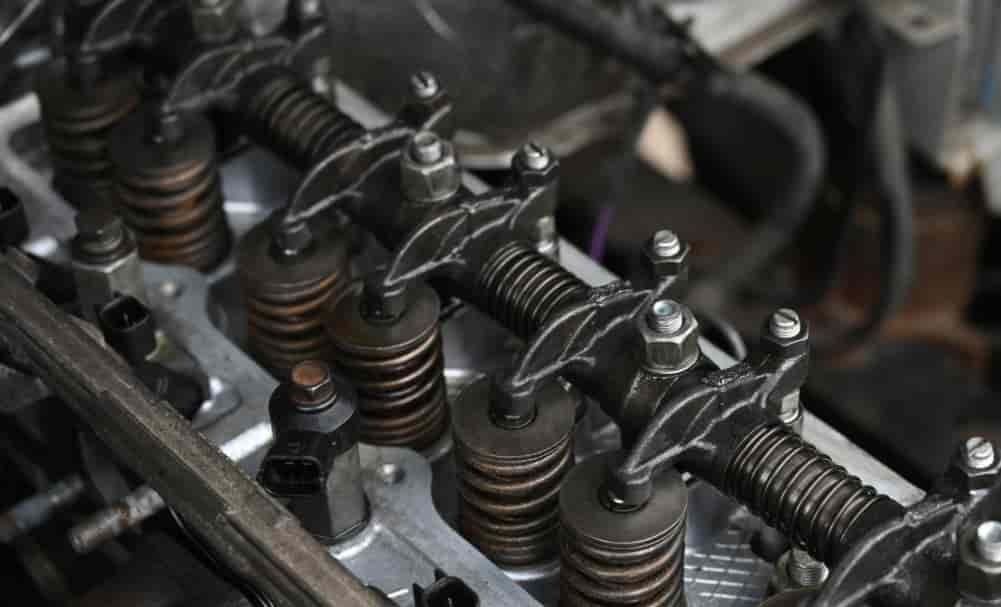
What Is the Chevy AFM System?
The Chevy AFM system stands for Active Fuel Management. General Motors developed this system to improve fuel efficiency in V8 engines. It works by shutting down half of the engine cylinders when the vehicle does not need full power. In most cases, the system switches a V8 engine into a V4 mode during light driving conditions such as highway cruising or steady speed travel.
The AFM system uses a combination of engine control software and mechanical components inside the cylinder head. The engine control unit monitors driving load, throttle input, and speed. When conditions allow, it sends a signal to deactivate four cylinders. Special lifters then collapse to stop valve operation in those cylinders. This reduces fuel consumption because the engine burns less fuel during low demand situations.
In theory, this design improves efficiency without affecting performance. However, the system depends on precise oil pressure and fast mechanical response. Any delay or imbalance in this process can create uneven engine operation. This is where many Chevy 8 Cylinder to 4 Cylinder Problems begin to appear in real world driving.
Drivers of vehicles like Chevrolet Silverado, Tahoe, Suburban, and GMC Sierra often report that the transition between V8 and V4 modes does not feel smooth. The engine may vibrate or hesitate during switching. Over time, repeated activation and deactivation puts stress on internal components, especially the AFM lifters and camshaft surfaces.
The system also increases mechanical complexity inside GM engines such as Vortec and EcoTec3 platforms. While this technology helps meet fuel economy and emission standards, it also introduces additional failure points that can affect long term reliability.
Understanding how AFM works is important because it helps explain why certain symptoms appear before major engine damage occurs. In the next section, we will look at how the V8 to V4 switching process actually happens inside the engine and what controls it in real driving conditions.
How Chevy 8 to 4 Cylinder Switching Works
The transition from V8 to V4 mode in Chevrolet engines happens through a controlled process managed by the engine control unit. This system continuously monitors engine load, vehicle speed, throttle position, and driving conditions. When the engine detects light load situations, it activates cylinder deactivation to improve fuel efficiency.
Inside the engine, the switching process depends on oil pressure and special hydraulic lifters. These lifters control the opening and closing of engine valves. When the system activates V4 mode, the engine control unit sends a signal that changes oil flow inside the lifters. The lifters then collapse and stop certain valves from operating. As a result, four cylinders stop working while the other four continue running.
The switch back to V8 mode happens when the driver demands more power. This can occur during acceleration, climbing hills, or towing. The engine control unit immediately restores oil pressure to the lifters. The valves then reactivate, and full engine power returns.
In ideal conditions, this process happens quickly and smoothly. However, real world driving often introduces inconsistencies. Oil pressure fluctuations, wear in lifters, or timing delays can disrupt the transition. This is one of the main reasons why Chevy 8 Cylinder to 4 Cylinder Problems become noticeable to drivers.
When the switching process does not operate correctly, the engine may feel rough or unstable. Some drivers report hesitation during acceleration or vibration when the engine changes modes. These symptoms usually indicate that the AFM system is not responding as intended.
The complexity of this system makes it sensitive to maintenance conditions. Engine oil quality, oil change intervals, and driving habits all influence how well the switching process performs over time. Poor maintenance increases the risk of malfunction inside the AFM system, especially in high mileage Chevrolet vehicles.
Understanding this switching mechanism is essential because it explains why many symptoms appear before full mechanical failure. In the next section, we will analyze the most common Chevy 8 Cylinder to 4 Cylinder Problems that drivers experience in real operation.
Common Chevy 8 Cylinder to 4 Cylinder Problems
The Chevy 8 Cylinder to 4 Cylinder Problems usually appear gradually and become more noticeable as mileage increases. Many drivers first notice small changes in engine smoothness before more serious issues develop. These problems often relate directly to how the AFM system switches between V8 and V4 modes during driving.
One of the most common symptoms is engine vibration during low load driving. When the system deactivates cylinders, the engine should remain stable. However, many Chevrolet vehicles such as Silverado, Tahoe, and Suburban experience uneven combustion during V4 mode. This creates a shaking or rough feeling inside the cabin.
Another frequent issue is hesitation during acceleration. When the engine switches from V4 back to V8 mode, the transition does not always happen instantly. Some drivers feel a delay in power delivery, especially when merging or overtaking. This happens because the AFM system needs time to restore full cylinder operation.
Engine misfires also occur in some cases. The cylinder deactivation process relies on precise timing and oil pressure control. When lifters do not respond correctly, the engine can misfire or run unevenly. This issue often triggers the check engine light and leads to diagnostic trouble codes.
Rough idle is another sign of AFM related problems. Instead of running smoothly at low speed, the engine may shake or feel unstable. This usually happens when the system struggles to maintain balance between active and inactive cylinders.
Some drivers also report increased fuel consumption over time. Although AFM is designed to save fuel, malfunctioning components can reduce efficiency instead of improving it. When the system fails to switch properly, the engine may stay longer in inefficient operating modes.
These symptoms often appear before major mechanical failure. Early detection is important because ignoring them can lead to more serious damage inside the engine. In the next section, we will focus on AFM lifter failure, which is one of the most critical causes behind long term Chevy engine problems.
AFM Lifter Failure and Internal Engine Damage
AFM lifter failure is one of the most serious issues behind Chevy 8 Cylinder to 4 Cylinder Problems. It often starts quietly and becomes worse over time. The lifters inside the engine control valve movement, and they play a key role in switching between V8 and V4 modes. When these lifters fail, the engine can no longer deactivate cylinders correctly.
In many Chevrolet engines, especially in models like Silverado, Tahoe, and Suburban, AFM lifters work under constant pressure changes. The system depends on stable oil flow to activate and collapse the lifters at the right time. When oil quality drops or wear increases, the lifters can stick, collapse, or stop responding completely.
One of the earliest signs of lifter failure is a ticking or tapping noise from the engine. This sound often becomes louder during startup or low speed driving. It usually indicates that the lifter is not moving correctly inside the cylinder head.
As the problem develops, the engine may enter rough operation or lose power. In some cases, a failed lifter can damage the camshaft. This happens because the lifter no longer follows the cam profile correctly, creating metal to metal contact. Once this occurs, internal engine damage spreads quickly and repair costs increase significantly.
Another serious risk is complete cylinder deactivation failure. When AFM lifters collapse permanently, the engine may get stuck in V4 mode or fail to switch back to V8 mode. This causes unstable performance and triggers warning lights on the dashboard.
Long term AFM lifter issues often lead to expensive repairs, including cylinder head replacement or full engine rebuild. Many drivers do not notice the problem early because the symptoms start slowly and seem minor at first.
Understanding lifter failure is critical because it represents the core mechanical weakness behind AFM systems. In the next section, we will look at the most common symptoms that indicate AFM system failure before it becomes severe.
Symptoms of AFM System Failure
AFM system failure in Chevrolet engines often develops gradually, and drivers may not notice it until performance drops clearly. The Chevy 8 Cylinder to 4 Cylinder Problems usually show early warning signs that appear before major mechanical damage occurs. Recognizing these symptoms early helps reduce repair costs and prevent further engine wear.
One of the most common symptoms is a persistent check engine light. When the AFM system fails to manage cylinder deactivation correctly, the engine control unit detects abnormal behavior and stores diagnostic trouble codes. These codes often relate to misfires, lifter performance, or fuel imbalance.
Another key symptom is a ticking or knocking noise from the engine. This sound usually becomes more noticeable during cold starts or low speed driving. It often indicates that AFM lifters are not moving smoothly or are failing to maintain proper valve operation.
Many drivers also experience the engine getting stuck in V4 mode. In this situation, the vehicle does not return to full V8 power even when acceleration is required. This creates weak performance, especially during highway driving or when climbing hills.
Rough idle is another strong indicator of AFM failure. The engine may shake or feel unstable when the vehicle is stopped. This happens because the system cannot maintain balanced cylinder operation between active and inactive modes.
Some vehicles also show sudden drops in power during acceleration. This occurs when the transition between V4 and V8 modes does not respond correctly. The delay in power delivery makes the vehicle feel unresponsive and less safe in certain driving conditions.
In some cases, fuel consumption increases instead of improving. A failing AFM system can force the engine to operate inefficiently, which removes the original benefit of fuel savings.
These symptoms often appear together and become worse over time. When multiple signs are present, it usually indicates deeper internal issues within the AFM system. In the next section, we will analyze why these problems happen and what design factors contribute to AFM failure in Chevrolet engines.
Why AFM System Causes Problems
The AFM system in Chevrolet engines creates problems mainly because of its mechanical complexity and sensitivity to operating conditions. While General Motors designed Active Fuel Management to improve fuel economy, the system introduces additional stress points inside the engine that can lead to long term reliability issues. This is where many Chevy 8 Cylinder to 4 Cylinder Problems originate.
One major cause is the design of the AFM lifters. These lifters must switch rapidly between active and deactivated states. They rely heavily on precise oil pressure control. When oil quality drops or maintenance is delayed, the lifters may not respond correctly. Over time, this leads to sticking, collapse, or uneven valve operation.
Another key factor is frequent cylinder switching. In real driving conditions, the engine constantly moves between V8 and V4 modes depending on speed and load. This repeated activation and deactivation creates mechanical fatigue inside the valvetrain. Components such as lifters, camshaft lobes, and oil passages experience continuous stress.
Oil pressure stability also plays a critical role. The AFM system depends on consistent oil flow to operate correctly. Any blockage, sludge buildup, or low oil level can disrupt this balance. When oil flow becomes inconsistent, the system cannot maintain proper cylinder deactivation timing.
Engine design limitations also contribute to these problems. GM V8 engines equipped with AFM, including EcoTec3 and older Vortec platforms, were built to meet fuel economy standards. However, the added complexity of cylinder deactivation increases the number of moving parts and potential failure points inside the engine.
Driving habits further influence system reliability. Frequent short trips, heavy acceleration, or towing without proper maintenance can increase wear on AFM components. These conditions force the system to switch more aggressively between modes, which accelerates internal degradation.
In combination, these factors explain why AFM systems often develop issues over time. The system performs well under ideal conditions, but real world usage exposes its mechanical weaknesses. In the next section, we will look at which Chevrolet models are most affected by these AFM related problems.
Affected Chevy Models
The Chevy 8 Cylinder to 4 Cylinder Problems do not affect every engine equally. They are most common in Chevrolet and GM vehicles that use Active Fuel Management technology. These systems are mainly installed in large V8 engines designed for trucks and full size SUVs, where fuel efficiency improvements were a key design goal.
One of the most affected models is the Chevrolet Silverado. Many Silverado engines use AFM equipped V8 platforms such as the EcoTec3 5.3L. Drivers of this model often report lifter noise, rough idle, and performance issues linked to cylinder deactivation. High mileage Silverado trucks are especially prone to AFM related wear.
The Chevrolet Tahoe is another model frequently associated with AFM problems. As a full size SUV, it relies heavily on V8 power, but the AFM system constantly shifts between V8 and V4 modes during highway driving. This repeated switching increases stress on lifters and internal engine components over time.
The Chevrolet Suburban shares the same engine architecture as the Tahoe, which means it experiences similar issues. Many Suburban owners report vibration during V4 mode and long term reliability concerns after extended use. The larger vehicle weight can also increase load on the AFM system.
In addition to Chevrolet models, several GMC vehicles are also affected. The GMC Sierra and GMC Yukon use similar GM V8 engines with AFM technology. These models show comparable symptoms such as engine hesitation, lifter failure, and inconsistent cylinder deactivation behavior.
Older GM Vortec engines and newer EcoTec3 engines both include variations of AFM or cylinder deactivation systems. While the technology has been refined over time, the underlying mechanical structure remains similar, which means similar failure patterns can still occur.
Understanding which models are affected helps drivers identify whether their vehicle is at risk. It also helps explain why AFM related problems appear more frequently in certain engine families. In the next section, we will explore repair options and cost considerations for fixing these issues.
Repair Options and Cost Breakdown
When Chevy 8 Cylinder to 4 Cylinder Problems become serious, drivers usually face two main directions: repair the AFM system or remove its functionality entirely. The right choice depends on the engine condition, mileage, and how much internal damage has already occurred.
One of the most common repairs is AFM lifter replacement. This repair targets failed or collapsed lifters inside the engine. Mechanics must remove the cylinder heads to access the lifters, which makes this a labor intensive job. In many cases, technicians also inspect the camshaft because lifter failure often damages cam lobes at the same time.
Another repair option involves replacing the camshaft along with all AFM lifters. This approach is used when metal wear has already spread inside the engine. While this repair can restore proper operation, it comes with a high cost due to extensive labor and parts replacement.
Some owners choose to install an AFM delete kit. This solution disables the cylinder deactivation system completely. It replaces AFM lifters with standard lifters and often includes updated tuning for the engine control unit. This prevents the engine from switching between V8 and V4 modes in the future, which can improve long term reliability.
Engine tuning or ECU recalibration is another option. This method adjusts software settings to reduce or eliminate AFM activation. However, it is usually combined with hardware changes for better results, since software alone cannot fix mechanical wear.
Repair costs vary widely depending on damage severity. Minor lifter repairs can be expensive due to labor time, while full engine rebuilds represent the highest cost scenario. In severe cases, replacing the entire engine may be more cost effective than repairing internal components.
Many Chevrolet owners compare repair costs against long term reliability improvements before deciding. Vehicles with high mileage or repeated AFM issues often benefit more from a full system delete or rebuild strategy rather than repeated partial repairs.
In the next section, we will look at how to prevent AFM related problems and extend engine lifespan through proper maintenance and driving habits.
How to Prevent AFM Problems
Preventing Chevy 8 Cylinder to 4 Cylinder Problems requires consistent maintenance and attention to engine operating conditions. The AFM system depends heavily on clean oil flow, stable pressure, and correct engine behavior. When these conditions are maintained properly, the risk of failure decreases significantly.
One of the most important factors is regular oil changes. Engine oil directly controls how AFM lifters operate. Dirty oil or delayed oil changes can cause sludge buildup, which reduces oil pressure stability. This leads to poor lifter response and increases wear inside the cylinder head.
Using the correct oil viscosity is also essential. Chevrolet AFM equipped engines are designed to operate within specific oil standards. When incorrect oil grades are used, the system may not activate or deactivate cylinders properly. This creates uneven performance and long term stress on internal components.
Driving habits also play an important role in AFM system lifespan. Frequent short trips prevent the engine from reaching optimal operating temperature. This increases internal condensation and reduces lubrication efficiency. Smooth driving at steady speeds helps reduce unnecessary switching between V8 and V4 modes.
Many owners choose to install AFM disabler devices. These devices prevent the system from activating cylinder deactivation entirely. By keeping the engine in full V8 mode, they reduce mechanical stress on lifters and camshaft components. However, this approach may slightly increase fuel consumption.
Preventive tuning is another method used by experienced drivers. ECU adjustments can limit how often the AFM system activates. This reduces switching frequency and helps stabilize engine operation under normal driving conditions.
Regular engine inspections also help detect early signs of AFM wear. Listening for ticking noises, monitoring fuel consumption, and checking for diagnostic codes can identify problems before they become severe.
Proper maintenance and controlled driving conditions significantly reduce the likelihood of AFM failure. While the system is designed for efficiency, its long term reliability depends heavily on how well it is managed in real world use.
Conclusion
The Chevy 8 Cylinder to 4 Cylinder Problems are closely tied to how the Active Fuel Management system operates under real driving conditions. While General Motors designed this system to improve fuel efficiency by switching between V8 and V4 modes, it also introduces mechanical complexity that can lead to long term reliability concerns.
Throughout this guide, we have seen that the main issues often start with small symptoms such as vibration, rough idle, or hesitation during acceleration. Over time, these symptoms can develop into more serious problems like AFM lifter failure, camshaft wear, and unstable engine performance. Vehicles such as the Chevrolet Silverado, Tahoe, and Suburban are especially affected because they rely heavily on AFM equipped V8 engines.
The root cause of these problems usually comes from a combination of factors including oil pressure sensitivity, frequent cylinder switching, and internal mechanical stress. When these conditions are not managed properly, the system gradually loses stability and engine performance begins to decline.
Repairing AFM related issues can be expensive, especially when internal components such as lifters and camshafts are damaged. For this reason, many owners choose preventive maintenance strategies or system modifications such as AFM deletion or tuning adjustments to improve long term reliability.
Understanding how the AFM system works and recognizing early warning signs is the most effective way to reduce repair costs and extend engine life. By staying aware of these issues, Chevrolet owners can make better decisions about maintenance, repair, or modification based on their driving needs.
Ultimately, the Chevy 8 Cylinder to 4 Cylinder Problems highlight a trade off between fuel efficiency and mechanical durability. Knowing this balance helps drivers choose the right approach to keep their engine running smoothly for the long term.