The L86 engine is one of the most important V8 engines that General Motors has built for modern trucks and SUVs. GM designed this 6.2 liter engine for strong performance, daily usability, and long term durability. It appears in models like the Chevrolet Silverado, Chevrolet Tahoe, GMC Sierra, and GMC Yukon.
This engine belongs to the EcoTec3 family. GM engineered it to combine high power with better fuel efficiency than older V8 engines. It uses direct fuel injection, active fuel management, and variable valve timing. These systems improve combustion and reduce fuel use when full power is not needed.
The L86 delivers strong horsepower and torque. It responds quickly under load and performs well when towing or carrying heavy cargo. Many drivers choose this engine for its balance between power and practicality.
In real driving conditions, the L86 offers smooth acceleration and consistent performance. It also works well for highway driving and heavy duty use. However, it still requires proper maintenance to avoid known issues that can affect long term reliability.
This article explains the full L86 engine specs in detail. It also covers performance, technology, fuel economy, and reliability. The goal is to help you understand how this engine works and whether it fits your needs.
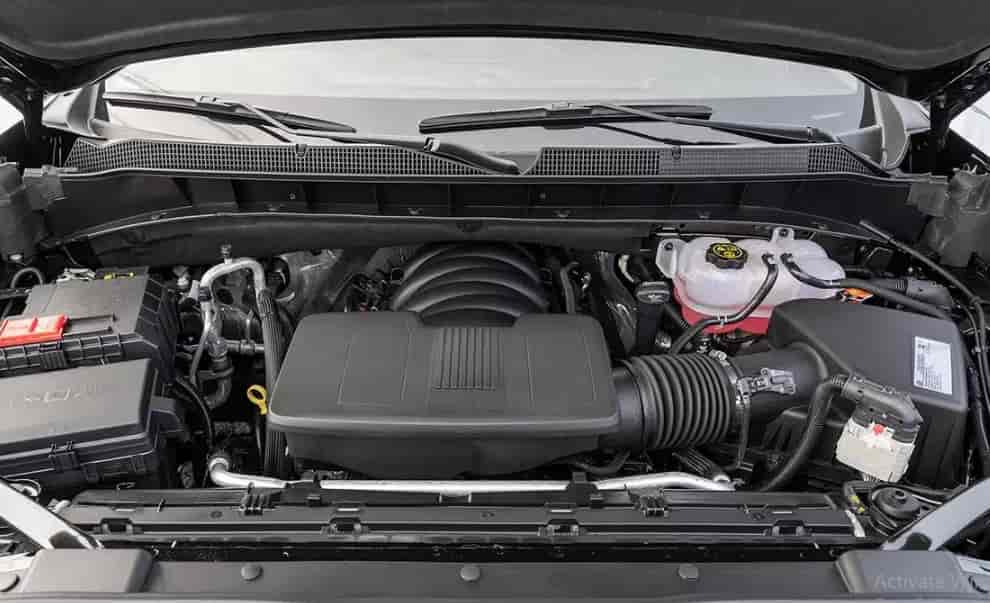
What Is the GM L86 6.2L V8 Engine?
The L86 engine is a 6.2 liter V8 gasoline engine developed by General Motors. It belongs to the EcoTec3 engine family. GM designed it for full size trucks and SUVs that need strong towing power and stable long distance performance. It focuses on a balance between output, efficiency, and reliability.
GM introduced the L86 as a more advanced version of older V8 engines. It uses modern fuel and air control systems to improve combustion. The engine delivers high power while reducing fuel waste during light driving conditions. This makes it suitable for both work use and daily driving.
The L86 engine appears in several well known GM vehicles. It is commonly used in the Chevrolet Silverado 1500, GMC Sierra 1500, Chevrolet Tahoe, and GMC Yukon. These vehicles rely on the engine for towing, hauling, and highway driving.
Unlike older pushrod V8 designs, the L86 integrates direct fuel injection. It also uses active fuel management and variable valve timing. These technologies help the engine adjust performance based on driving demand. The system can reduce fuel consumption when full power is not required.
GM engineered the L86 for durability under heavy load conditions. It performs well in trucks that carry weight or tow trailers over long distances. At the same time, it still maintains smooth operation for everyday road use.
Vehicles That Use the L86 Engine
The L86 engine is used in several full size trucks and SUVs from General Motors. GM selected this engine for models that need strong towing ability, stable highway performance, and long term durability. These vehicles rely on the 6.2 liter V8 to handle heavy workloads and demanding driving conditions.
One of the most common applications is the Chevrolet Silverado 1500. This pickup truck uses the L86 engine to deliver strong towing capacity and confident acceleration under load. It is often chosen by drivers who need a balance between work performance and everyday usability.
The GMC Sierra 1500 also uses the same engine. It shares a similar platform with the Silverado but focuses more on comfort and premium driving feel. The L86 gives the Sierra strong pulling power while keeping the ride smooth on highways.
In the SUV segment, the Chevrolet Tahoe uses the L86 engine in higher performance trims. It supports family hauling, towing trailers, and long distance travel. The engine provides enough power to move a large SUV with stability and control.
The GMC Yukon also features the L86 in selected configurations. It offers similar capability but adds a more premium interior and driving experience. The engine helps the Yukon handle heavy passengers and cargo without performance loss.
These vehicles show how GM designed the L86 engine for versatility. It works well in both pickup trucks and full size SUVs. The shared engine platform also helps maintain consistent performance across different models.
L86 Engine Specs (Technical Data Breakdown)
The L86 is a 6.2 liter V8 gasoline engine built by General Motors. It belongs to the EcoTec3 engine family and uses a pushrod OHV design. GM engineered it for high torque output, strong towing ability, and stable long term performance in full size trucks and SUVs.
The engine produces around 420 horsepower and 460 lb ft of torque. This output gives it strong acceleration and excellent pulling power under load. It performs well in both city driving and highway cruising, especially when installed in large vehicles.
The L86 uses a bore of 103.25 mm and a stroke of 92 mm. This configuration helps the engine produce high torque at low and mid RPM ranges. It also supports better towing performance compared to smaller displacement engines.
GM paired the L86 with an 8 speed automatic transmission. This transmission improves gear response and helps optimize fuel efficiency at different speeds. It also keeps the engine operating in its ideal power range more often.
The engine block and cylinder heads are made from aluminum. This reduces overall weight and improves heat management. GM also designed the engine with direct fuel injection. This system improves combustion efficiency and helps increase both power and fuel economy.
The L86 includes variable valve timing technology. This allows the engine to adjust valve operation based on driving conditions. It improves efficiency during light driving and increases performance when full power is needed.
Active Fuel Management is also part of the system. It shuts down four cylinders during low load conditions. This reduces fuel consumption without affecting normal driving performance.
Overall, the L86 engine specs show a design focused on combining strong V8 performance with modern efficiency technologies.
EcoTec3 Technology Explained
The L86 engine belongs to GM’s EcoTec3 engine family. GM designed this system to improve power delivery and fuel efficiency at the same time. It combines three main technologies that work together during different driving conditions.
One of the key systems is direct fuel injection. This system injects fuel directly into the combustion chamber instead of the intake port. It improves combustion accuracy and helps the engine produce more power from each drop of fuel. It also supports cleaner and more efficient burning under load.
Another important technology is Active Fuel Management. This system allows the engine to deactivate four of its eight cylinders during light driving. When the engine does not need full power, it switches to V4 mode. This reduces fuel consumption on highways or during steady cruising. When more power is needed, all eight cylinders reactivate instantly.
Variable valve timing also plays a major role in the L86 engine. This system adjusts valve timing based on engine speed and load. It helps improve torque at low RPM and increases efficiency at higher RPM. It also improves throttle response in different driving situations.
These three technologies work together to balance performance and efficiency. The engine delivers strong V8 power when needed. It also reduces fuel usage during normal driving conditions. This makes the L86 more modern compared to older GM V8 engines.
L86 Engine Performance Analysis
The L86 engine delivers strong performance in real driving conditions. GM designed it to produce high torque at low RPM, which helps large trucks and SUVs move heavy loads with ease. This makes the engine suitable for towing, hauling, and highway driving.
The engine produces around 420 horsepower, which gives it strong acceleration for a full size V8. It responds quickly when the driver presses the throttle. The torque output of about 460 lb ft helps the vehicle maintain power under heavy load conditions. This is especially useful when towing trailers or driving uphill.
In city driving, the L86 feels smooth and controlled. It does not require high RPM to move the vehicle efficiently. The torque curve supports steady acceleration without frequent gear changes. This improves comfort in daily use.
On the highway, the engine maintains stable performance at cruising speeds. It works efficiently with the 8 speed automatic transmission. The gearbox keeps the engine in an optimal power range. This improves both fuel economy and driving stability.
Under heavy load, the L86 shows its strength clearly. It can handle towing tasks without major power loss. The engine maintains consistent output even when the vehicle is fully loaded. This is one of the main reasons it is widely used in GM trucks and SUVs.
Overall, the L86 engine performance focuses on strength, stability, and usable power. It is not designed for high rev racing. Instead, it is built for real world utility and long distance capability.
Fuel Economy of the L86 Engine
The L86 engine offers moderate fuel efficiency for a large 6.2 liter V8. It focuses more on power and towing ability than on maximum fuel savings. However, GM added modern systems to help reduce fuel consumption in everyday driving.
In city driving, fuel usage is higher because the engine works under frequent stop and go conditions. The vehicle often relies on full V8 power, which increases consumption. The Active Fuel Management system helps reduce fuel use when the load is light, but city MPG still remains limited compared to smaller engines.
On the highway, the L86 performs more efficiently. The engine can switch into V4 mode during steady cruising. This reduces fuel consumption significantly over long distances. The 8 speed automatic transmission also helps keep the engine at lower RPM, which improves efficiency.
Fuel economy depends heavily on driving behavior. Aggressive acceleration increases fuel usage quickly. Towing or carrying heavy cargo also reduces efficiency. Vehicle weight plays a major role because the L86 is installed in large trucks and SUVs.
Road conditions also affect consumption. Smooth highway driving delivers the best results. Urban traffic or mountainous terrain increases fuel demand. Regular maintenance also helps maintain stable efficiency over time.
Overall, the L86 engine is not designed to be a fuel saving engine. Instead, it offers acceptable efficiency for its power class. It balances strong V8 performance with modern fuel management technology.
Reliability and Common Issues
The L86 engine is generally considered durable when it is properly maintained. GM designed it for long term use in heavy duty trucks and full size SUVs. The aluminum block, modern fuel system, and improved cooling design help the engine handle consistent load over time.
Many owners report that the engine performs well over high mileage if regular oil changes and correct maintenance are followed. It is built to support towing and long distance driving, which puts continuous stress on the engine. In normal conditions, it can deliver stable performance for many years.
However, the L86 is not free from known issues. One of the most discussed problems is related to Active Fuel Management. This system can cause lifter wear over time in some engines. When it happens, it may lead to engine noise, misfires, or reduced performance.
Another concern is oil consumption in certain driving conditions. Some engines may consume more oil than expected, especially under heavy load or extended highway use. Regular oil level checks help reduce the risk of damage.
Carbon buildup can also occur due to the direct injection system. Fuel is injected directly into the combustion chamber, which means intake valves do not get cleaned by fuel flow. Over time, this can affect efficiency if not maintained.
Despite these issues, many L86 engines reach high mileage without major failure. Preventive maintenance plays a key role in reliability. Using quality oil, following service intervals, and monitoring engine behavior help extend engine life significantly.
Overall, the L86 engine offers solid reliability, but it requires proper care to avoid known weak points in the system.
L86 vs Other GM V8 Engines
The L86 engine is often compared with other GM V8 engines because it sits in the middle of performance and efficiency in the lineup. It shares the EcoTec3 architecture with smaller engines like the L83 and also competes conceptually with older high performance engines like the LS3.
The L86 and L83 are closely related. The L83 is a 5.3 liter V8, while the L86 is a 6.2 liter V8. The main difference is displacement. The L86 produces more horsepower and torque, which gives it stronger towing ability and faster acceleration. The L83 focuses more on fuel economy and lighter duty performance. Drivers who need more power usually choose the L86, while daily efficiency users often prefer the L83.
Compared to the LS3 engine, the L86 is more modern in terms of fuel technology. The LS3 is part of the older GM LS engine family and does not use Active Fuel Management or direct injection. The LS3 often delivers more consistent high RPM performance, but it lacks the fuel saving systems found in the L86. The L86, on the other hand, balances power with better efficiency in real world driving.
In terms of driving character, the L86 feels more refined and adaptable. It adjusts performance based on load and driving conditions. The LS3 feels more performance focused and less optimized for fuel savings. This makes the L86 more suitable for trucks and SUVs, while the LS3 is more popular in performance oriented vehicles.
Overall, the L86 stands as a modern V8 that prioritizes versatility. It is stronger than smaller EcoTec3 engines and more efficient than older performance focused V8 designs.
Advantages and Disadvantages of the L86 Engine
The L86 engine offers a strong mix of power and modern efficiency features. GM designed it for drivers who need V8 strength in trucks and full size SUVs, but still want better fuel control than older engines.
One of the main advantages of the L86 is its strong power output. It delivers high horsepower and torque, which helps with towing, hauling, and highway acceleration. This makes it a reliable choice for heavy duty everyday use.
Another advantage is its modern technology package. The engine uses direct injection, variable valve timing, and Active Fuel Management. These systems help improve fuel efficiency during light driving while still keeping full V8 performance available when needed.
The L86 also provides smooth and stable driving behavior. It works well with the 8 speed automatic transmission, which keeps power delivery consistent. This improves comfort during long distance travel and highway cruising.
However, the engine also has some disadvantages. Fuel consumption is higher compared to smaller V8 or six cylinder engines. This is expected because of its large 6.2 liter displacement and performance focus.
Another drawback is the complexity of the AFM system. In some cases, it can lead to mechanical wear over time, especially on lifters. This increases maintenance concerns for long term ownership.
Carbon buildup can also occur due to direct injection. Without regular maintenance, this may affect engine efficiency and smoothness.
Overall, the L86 engine is powerful and capable, but it requires proper care and accepts higher fuel costs in exchange for performance.
Is the L86 Engine Worth It?
The L86 engine is worth it if you need strong V8 performance in a truck or full size SUV. GM designed this engine for drivers who care about towing power, highway stability, and long distance capability. It performs best in demanding use cases rather than light everyday commuting.
If you drive vehicles like the Chevrolet Silverado, Chevrolet Tahoe, GMC Sierra, or GMC Yukon, the L86 delivers a solid balance of strength and usability. It handles heavy cargo and trailers without strain. It also maintains smooth power delivery during highway driving, which makes long trips more comfortable.
This engine is a good choice for drivers who prioritize capability over fuel savings. It delivers high horsepower and torque, which improves acceleration and towing confidence. It also benefits from modern technologies that help reduce fuel use during light driving conditions.
However, the L86 is not ideal for users who focus mainly on fuel economy. Its large displacement naturally consumes more fuel than smaller engines. Maintenance is also important because systems like Active Fuel Management require proper care over time.
The L86 fits best for owners who regularly use their vehicle for work, towing, or heavy transportation. It also suits drivers who want a traditional V8 driving feel with modern efficiency improvements.
Overall, the L86 engine is a strong and capable powertrain. It is worth choosing if your priority is performance, durability, and real world utility rather than fuel savings alone.
Conclusion
The L86 engine stands out as a strong and reliable 6.2 liter V8 developed by General Motors for trucks and full size SUVs. It combines traditional V8 power with modern technologies that improve efficiency and drivability. This makes it a balanced option for both work use and long distance travel.
Throughout this breakdown, the L86 engine specs show a clear focus on performance. It delivers high horsepower and torque, which supports towing, hauling, and highway acceleration. At the same time, systems like direct injection, variable valve timing, and Active Fuel Management help improve fuel control during normal driving conditions.
In real world use, the engine performs best in demanding situations. It fits well in vehicles such as the Chevrolet Silverado, Chevrolet Tahoe, GMC Sierra, and GMC Yukon. These models benefit from the engine’s strong pulling power and stable highway behavior.
At the same time, the L86 is not designed for maximum fuel efficiency. It consumes more fuel than smaller engines, and it requires proper maintenance to avoid known issues such as AFM related wear and carbon buildup. Drivers who understand these trade offs will get the most value from it.
Overall, the L86 engine is a capable and well engineered V8. It remains a solid choice for users who prioritize power, towing ability, and long term durability over fuel savings. If those factors match your needs, the L86 continues to be a dependable option in GM’s engine lineup.