The L48 Engine Specs attract strong interest from automotive enthusiasts and classic car collectors. This engine marks an important stage in American V8 development. It belongs to the small block V8 family produced by Chevrolet and it helped define performance standards during the muscle car era.
People search for L48 Engine Specs to find clear data about horsepower, torque, displacement, and real world performance. The L48 uses a simple mechanical design instead of modern electronic systems. This design reflects the engineering approach of its production period. It also helps explain why many enthusiasts still study it today.
Chevrolet used the L48 engine in several performance vehicles, including the Corvette C3 lineup. The engine delivered balanced power and reliability. Drivers valued it for strong performance without the complexity of higher performance racing variants. This balance made the L48 a popular choice in its segment.
This article explains the L48 Engine Specs in detail. You will learn about horsepower, torque, technical structure, and driving behavior. You will also see how this engine fits into the Chevrolet small block V8 family. Finally, you will understand why it still matters in automotive discussions today.
WHAT IS THE L48 ENGINE?
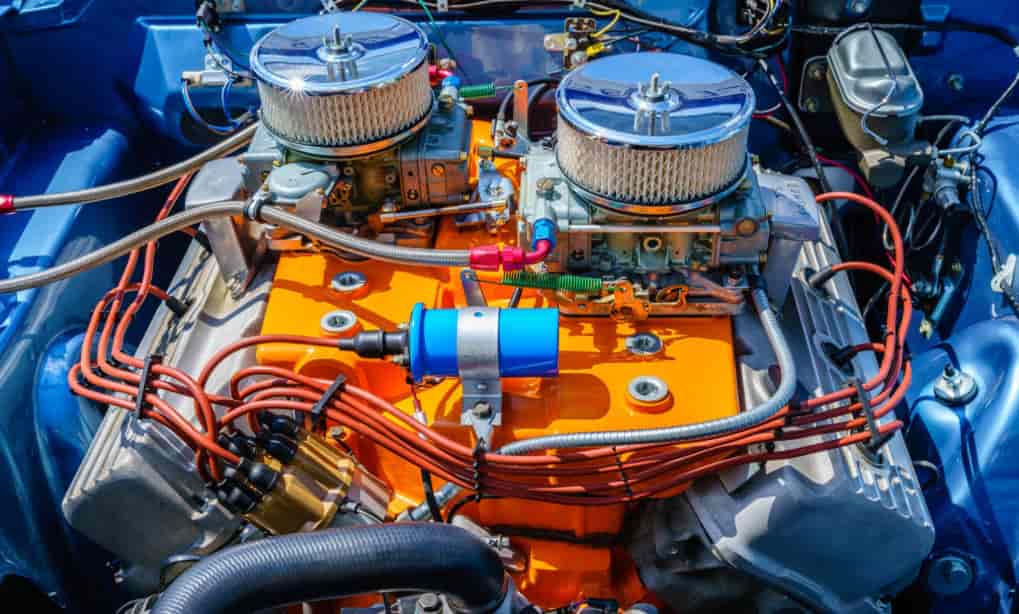
The L48 is a small block V8 engine developed by Chevrolet as part of its performance focused engine lineup. It belongs to the Chevrolet 350 cubic inch engine family and it represents a standard performance configuration used in several classic models. Engineers designed it to deliver a balance between everyday drivability and strong V8 power.
The L48 engine uses a traditional V8 layout with a carbureted fuel system. This setup reflects the mechanical engineering approach of its era, where performance relied on airflow, compression, and fuel mixture rather than electronic control systems. The engine gained popularity because it offered reliable output without excessive complexity.
Chevrolet installed the L48 in several vehicles during its production period, especially in the Corvette C3. In these applications, the engine served as the base performance option. It provided enough power for spirited driving while maintaining durability for long term use. This made it a practical choice for both enthusiasts and regular drivers.
The L48 also became an important reference point within the small block V8 family. It helped define the performance baseline before higher output versions were introduced. Today, it remains a widely studied engine because it represents a key stage in the evolution of Chevrolet performance engineering.
L48 ENGINE SPECS
The L48 Engine Specs define a classic small block V8 configuration built by Chevrolet. Engineers designed this engine around a 350 cubic inch displacement, which became one of the most recognized formats in American performance history. The design focuses on simplicity, durability, and consistent power delivery.
The L48 produces different horsepower ratings depending on the production year and vehicle application. In most configurations, it delivers around 190 to 300 horsepower. Torque output also varies, but it generally provides strong low end and mid range pulling power. This makes the engine suitable for both street driving and performance use in its era.
The compression ratio changes across model years. Early versions use higher compression for better performance, while later versions adjust for emissions requirements. The engine uses a carburetor fuel system, which controls air and fuel mixture mechanically instead of electronically. This system was standard for performance engines of its time.
The bore and stroke configuration follows a traditional small block V8 layout. This setup supports a balance between torque and horsepower. The cooling system uses a water cooled design, and the lubrication system relies on a pressurized oil circulation setup to maintain engine stability under load.
Overall, the L48 Engine Specs show a well balanced engineering approach that prioritizes durability and usable performance rather than extreme output.
HORSEPOWER & PERFORMANCE CHARACTERISTICS
The L48 Engine Specs show a clear focus on balanced performance rather than extreme output. The engine delivers horsepower that typically ranges from the high 100s to around 300 depending on the model year and configuration. This variation comes from changes in compression ratio, emissions tuning, and vehicle application across different production periods.
Torque plays a more important role in how the L48 feels on the road. The engine produces strong low end torque, which helps the vehicle accelerate smoothly from a stop. This characteristic makes the engine responsive in everyday driving conditions. Drivers often experience steady power delivery rather than sudden bursts.
The performance behavior of the L48 reflects its mechanical design. The carburetor system controls fuel delivery based on airflow, which creates a direct and predictable throttle response. This setup gives the driver a more connected feeling compared to modern electronically controlled engines.
In real driving situations, the L48 provides a classic V8 experience. It delivers steady acceleration, a deep exhaust note, and consistent mid range power. Engineers at Chevrolet designed it to perform well in both city and highway conditions without requiring complex systems.
Overall, the L48 Engine Specs highlight a performance philosophy focused on usability, durability, and smooth power delivery rather than high peak horsepower numbers.
L48 ENGINE IN CHEVROLET CORVETTE MODELS
The L48 Engine Specs become most interesting when you look at how this engine was used in the Corvette C3 lineup. Chevrolet placed the L48 as the base V8 option in several model years, giving drivers access to classic V8 performance at a more accessible level within the Corvette range. This approach helped Chevrolet broaden the appeal of its sports car without relying only on high performance variants.
In Corvette applications, the L48 delivered a balance between everyday drivability and sporty character. It provided enough power for highway acceleration and spirited driving while maintaining smooth operation in regular conditions. Drivers appreciated this combination because it made the Corvette enjoyable in both casual and performance focused situations.
Compared to higher output engines like the L82, the L48 focused more on reliability and consistency. It did not aim to deliver maximum performance figures, but instead offered a stable and predictable driving experience. This positioning made it a practical entry point into Corvette ownership during its production era.
The engine also played a key role in defining the identity of the Corvette C3 generation. It supported the overall design philosophy of combining style, performance, and usability. Even though it was not the most powerful option available, it still contributed significantly to the reputation of the Corvette lineup.
Overall, the L48 Engine Specs in Corvette models highlight a well balanced engine that supported both performance expectations and everyday usability within a classic American sports car.
RELIABILITY AND ENGINE DURABILITY
The L48 Engine Specs also reflect a strong focus on durability, which is one of the main reasons this engine remains respected today. The design follows the proven small block V8 architecture from Chevrolet, which is known for its mechanical simplicity and long service life. This foundation allows the engine to handle high mileage when properly maintained.
The L48 uses a carbureted fuel system and a straightforward ignition setup. This reduces the number of complex electronic components that can fail over time. As a result, the engine becomes easier to repair and maintain compared to modern systems. Many owners appreciate this simplicity because it lowers long term maintenance difficulty.
Cooling performance plays an important role in engine durability. The L48 relies on a traditional water cooling system that requires regular maintenance to prevent overheating. When the cooling system stays in good condition, the engine can operate reliably for many years without major internal issues.
Oil circulation also contributes to longevity. The pressurized lubrication system protects internal components such as bearings and pistons. Regular oil changes help maintain stable performance and reduce wear over time. Neglecting this system often leads to common issues found in older engines.
Overall, the L48 Engine Specs show an engine built for long term use rather than short term peak performance. Its durability explains why it continues to appear in classic car restorations and collector discussions today.
L48 VS OTHER CHEVROLET SMALL BLOCK ENGINES
The L48 Engine Specs become easier to understand when compared with other engines in the Chevrolet small block V8 family produced by Chevrolet. The L48 sits in the middle of the performance range. It delivers balanced power but does not reach the higher output levels of more aggressive variants.
When compared to the L82 engine, the L48 shows a clear difference in performance tuning. The L82 focuses more on horsepower and higher compression, which gives it stronger acceleration. The L48 instead prioritizes smoother power delivery and better long term reliability. This makes the L48 more suitable for drivers who value consistency over peak performance.
Within the broader small block lineup, the L48 also differs from base economy oriented versions. Those engines reduce performance to improve fuel efficiency and cost. The L48 increases output while still maintaining manageable maintenance requirements. This positioning helps it serve as a practical performance option.
Engine design across these variants shares the same core architecture. All use the classic 350 cubic inch V8 structure. However, differences in carburetion, compression ratio, and tuning create distinct driving characteristics. These variations define how each engine behaves under load.
Overall, the L48 Engine Specs show a middle ground approach. It bridges the gap between entry level small block engines and higher performance Corvette focused options, giving it a unique role in Chevrolet’s engine hierarchy.
REAL-WORLD DRIVING EXPERIENCE
The L48 Engine Specs translate into a driving experience that feels classic, predictable, and mechanically direct. In real use, the engine delivers smooth acceleration rather than aggressive bursts of power. This behavior comes from its carbureted fuel system and traditional V8 tuning approach developed by Chevrolet.
When driving at low speeds, the L48 provides steady torque that helps the car move without strain. The engine responds in a linear way, so throttle input feels natural and easy to control. This makes it comfortable for both city driving and longer highway trips.
At mid range speeds, the engine shows its strongest character. It maintains consistent pulling power and allows the vehicle to accelerate without hesitation. Drivers often describe this as a “connected” feeling because the engine responds directly to mechanical input without electronic delay.
The sound of the L48 also contributes to its driving appeal. The V8 exhaust note feels deep and raw, which is typical of classic American performance engines. This sound is one of the reasons enthusiasts continue to value the engine today.
Compared to modern engines, the L48 feels less refined but more engaging in a mechanical sense. It does not rely on advanced systems, so the driving experience feels more physical and analog. This simplicity is part of its long lasting appeal among classic car fans.
WHY THE L48 ENGINE STILL MATTERS TODAY
The L48 Engine Specs remain relevant today because this engine represents a key stage in the evolution of American V8 engineering. It shows how performance was achieved through mechanical design rather than electronic systems. This makes it an important reference point for enthusiasts who study classic automotive technology from Chevrolet.
One major reason the L48 still matters is its role in classic car culture. Many collectors value vehicles equipped with this engine because it reflects an authentic driving experience. The engine connects drivers directly to the mechanical behavior of the car, which modern systems often hide behind software control.
The L48 also plays a strong role in restoration projects. Its simple structure and widely available parts make it easier to rebuild compared to more complex engines. This accessibility helps keep classic vehicles on the road and supports a growing restoration community.
Another important factor is its influence on later V8 development. The engineering ideas used in the L48 helped shape future small block designs. While newer engines improved efficiency and emissions, they still built on the same core principles established during this era.
Overall, the L48 Engine Specs continue to matter because they represent durability, simplicity, and classic performance. The engine remains a symbol of a period when driving was defined by mechanical connection rather than digital control.
CONCLUSION
The L48 Engine Specs highlight a well balanced small block V8 engine that combines reliability, usability, and classic performance. It delivers moderate horsepower, strong torque, and a straightforward mechanical design that reflects the engineering philosophy of Chevrolet during its production era.
Across all applications, the L48 demonstrates a focus on practical performance rather than extreme output. It performs well in everyday driving conditions while still providing the character expected from a V8 engine. This balance is one of the main reasons it remains respected in automotive discussions today.
When viewed as a whole, the L48 stands as an important part of the small block V8 legacy. It helped define a generation of engines that prioritized durability and driving feel. Even today, it continues to attract interest from enthusiasts, collectors, and engineers who study classic automotive design.
Ultimately, the L48 Engine Specs represent more than just technical data. They reflect a historical approach to performance engineering that still influences how engines are understood and appreciated in the modern automotive world.