The LZ9 engine is one of the most discussed units within the GM High Feature V6 family, especially among enthusiasts who study modern V6 architecture and real-world performance behavior. When people search for LZ9 Engine Specs, they are usually trying to understand more than just numbers on paper. They want to know how this 3.6L V6 engine behaves in real driving conditions, how it was engineered, and why it still appears in discussions about durability and performance within the broader evolution of General Motors powertrains.
The LZ9 sits in an important transition phase of GM engineering, where the focus shifted toward balancing power output, fuel efficiency, and emissions compliance while maintaining mechanical robustness. As part of this development path under General Motors, the engine represents a refined approach to V6 design that influenced later generations of powertrains. This is why understanding its specifications is not only about technical curiosity but also about seeing how modern V6 engines evolved over time.
In this article, we will break down the LZ9 Engine Specs in a structured and detailed way. We will explore its technical configuration, performance characteristics, engineering design, real world applications, and known reliability patterns. The goal is to give a complete technical breakdown that is both easy to understand and deep enough for enthusiasts, mechanics, and researchers who want a clear view of how this engine actually works in practice.
Before we move into detailed specifications, it is important to understand that the LZ9 is not just a standalone engine. It is part of a larger engineering ecosystem developed by GM, where each improvement reflects lessons learned from previous V6 designs and sets the foundation for future iterations.
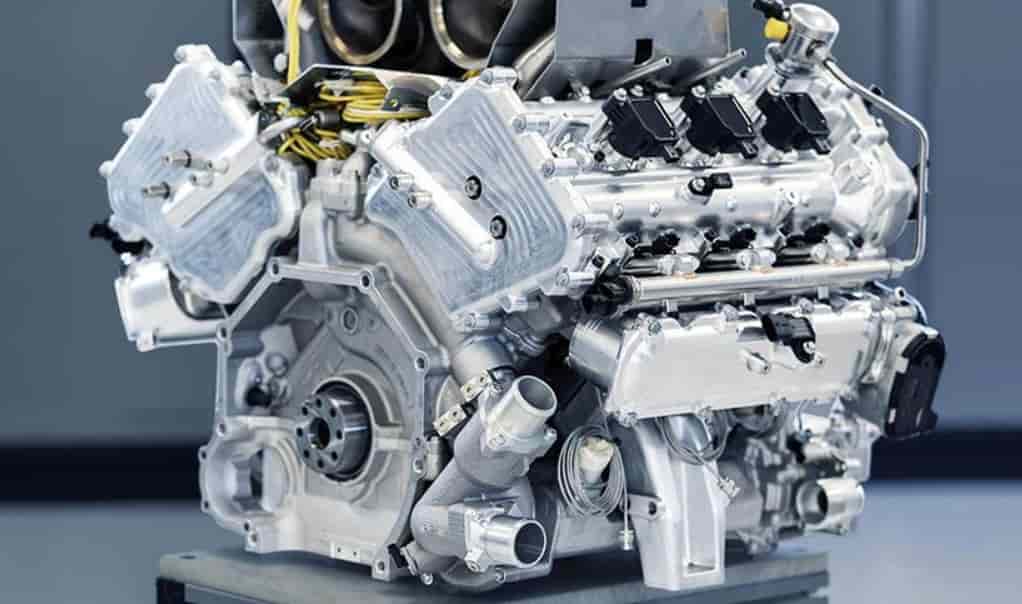
LZ9 Engine Overview
The LZ9 engine is a 3.6L V6 powertrain developed by General Motors within the High Feature V6 family. GM designed it to replace older pushrod V6 engines with a modern dual overhead camshaft layout. This change improved airflow, combustion accuracy, and overall engine efficiency. The LZ9 became an important step in GM’s move toward more refined and balanced V6 performance.
The engine uses a 60 degree V6 configuration with an aluminum block and aluminum cylinder heads. This design reduces weight and helps improve heat management. GM also implemented a DOHC setup with four valves per cylinder. This allows better intake and exhaust flow compared to older engine designs. As a result, the engine delivers smoother power and more consistent performance across the RPM range.
GM positioned the LZ9 between earlier engines like the LY7 and later improved versions of the High Feature V6 platform. Engineers refined the design to improve drivability, efficiency, and long term durability. The LZ9 also shares many core design elements with its siblings, which helps GM standardize production across multiple vehicle lines.
GM used the LZ9 in different types of vehicles, including sedans and mid size SUVs. Engineers tuned the engine to balance torque for heavier vehicles and smoother high RPM performance for lighter platforms. This flexibility made the engine suitable for a wide range of driving conditions.
Overall, the LZ9 engine represents a transitional design in GM’s V6 development. It combines modern engineering principles with practical performance goals. The engine helped GM move toward more efficient and adaptable V6 systems without sacrificing real world usability.
LZ9 Engine Technical Specifications
The LZ9 engine belongs to GM’s 3.6L High Feature V6 lineup and focuses on balanced performance and efficiency. GM engineered it with a modern architecture that improves airflow, combustion control, and overall responsiveness compared to older V6 designs.
The engine uses a 3564 cc displacement, which GM achieves through a 60 degree V6 layout. Engineers selected an aluminum block and aluminum cylinder heads to reduce weight and improve thermal stability. This design helps the engine maintain consistent operating temperatures under different driving conditions.
GM equipped the LZ9 with a dual overhead camshaft system and four valves per cylinder. This setup improves intake and exhaust flow, which increases engine breathing efficiency. The valvetrain design supports smoother high RPM operation and better torque delivery at lower speeds.
The bore measures 94 mm and the stroke measures 85.6 mm. This near square configuration helps balance power and torque output. The compression ratio sits around 10.2:1, which supports efficient combustion while maintaining regular fuel compatibility.
The engine uses sequential fuel injection for precise fuel delivery. This system improves throttle response and helps control emissions more effectively. GM tuned the ignition and fuel mapping to support both city driving and highway performance.
In terms of output, the LZ9 produces around 240 to 252 horsepower depending on application. Torque ranges from 330 to 340 Nm. These figures vary slightly across different vehicle platforms due to ECU calibration differences.
The LZ9 also integrates a refined cooling system that helps manage heat during extended operation. This supports long term durability and stable performance in heavier vehicles.
Overall, the LZ9 Engine Specs show a design that focuses on efficiency, smooth power delivery, and adaptable performance across multiple GM vehicle platforms.
Performance Output Analysis
The LZ9 engine delivers a balanced performance profile that reflects GM’s goal of combining usable power with smooth everyday drivability. It does not focus on extreme output. Instead, it prioritizes consistent torque delivery and predictable acceleration across a wide RPM range.
In most applications, the engine produces around 240 to 252 horsepower. This output varies slightly depending on vehicle tuning and ECU calibration. Torque sits in the range of 330 to 340 Nm, which gives the engine strong low and mid range pulling power. This makes the LZ9 suitable for both city driving and highway cruising.
The engine responds smoothly under normal throttle input. Power delivery feels linear rather than aggressive. This behavior helps drivers maintain control in different driving conditions. The DOHC configuration also supports better high RPM breathing, which allows the engine to maintain stable performance when pushed harder.
On the road, the LZ9 performs best in mid range RPMs. It delivers steady acceleration without sudden spikes in power. This makes it comfortable for daily commuting and long distance driving. In heavier vehicles, the torque output helps maintain momentum without frequent gear changes.
Fuel mapping and ignition timing also play an important role in performance behavior. GM tuned the engine to balance efficiency and responsiveness. As a result, the engine avoids unnecessary fuel consumption during light driving while still providing enough power when needed.
Overall, the LZ9 performance profile focuses on practicality. It does not aim to compete with modern high output V6 engines. Instead, it offers stable, predictable, and reliable performance that fits a wide range of driving scenarios.
Engineering Design and Architecture
The LZ9 engine follows GM’s High Feature V6 architecture, which focuses on improving airflow efficiency, combustion stability, and long term durability. Engineers designed it with a 60 degree V6 layout to maintain natural engine balance and reduce vibration during operation. This configuration helps the engine run smoothly without requiring excessive balancing components.
GM built the engine using an aluminum block and aluminum cylinder heads. This choice reduces overall weight and improves heat dissipation. Lighter construction also helps improve vehicle handling and fuel efficiency. The engine structure supports consistent thermal performance even under extended driving conditions.
The LZ9 uses a dual overhead camshaft system with four valves per cylinder. This setup allows more precise control of air intake and exhaust flow. Improved breathing efficiency increases combustion quality and supports better power delivery across the RPM range. The design also helps reduce pumping losses, which improves overall efficiency.
GM engineers focused heavily on internal airflow dynamics. The intake and exhaust ports were shaped to optimize velocity and reduce turbulence. This improves cylinder filling efficiency and supports smoother combustion cycles. The result is a more stable and predictable engine response under different load conditions.
The cooling system was also engineered for stability. It maintains consistent operating temperatures to prevent thermal stress on internal components. This helps extend engine life and improves reliability in both urban and highway environments.
Overall, the engineering design of the LZ9 reflects GM’s shift toward more advanced V6 systems. It combines lightweight construction, efficient airflow management, and balanced geometry. These factors work together to create an engine that prioritizes smooth operation, durability, and practical performance.
Reliability and Common Problems
The LZ9 engine is generally considered a durable unit within GM’s High Feature V6 family. It was engineered for long term daily use rather than high performance stress. Many owners report stable operation when the engine receives regular maintenance and proper cooling system care.
One of the key strengths of the LZ9 is its solid bottom end design. The aluminum block and refined internal balance help reduce long term wear. The engine also benefits from a relatively conservative tuning strategy. This reduces internal stress compared to more aggressively tuned V6 engines.
However, the LZ9 is not completely free from issues. Over time, some engines may experience timing chain wear. This can lead to noise during cold starts or reduced timing accuracy if not addressed early. Oil quality and change intervals play an important role in preventing this problem.
Cooling system maintenance is also critical. If the cooling system is neglected, the engine may run at higher temperatures than intended. This can affect gaskets, sensors, and long term reliability. Regular inspection of coolant levels and radiator condition helps prevent these issues.
Some drivers also report minor sensor related faults. These are typically related to age rather than design flaws. Oxygen sensors and ignition components may require replacement as the engine accumulates mileage.
Despite these issues, the LZ9 maintains a reputation for being a dependable engine when properly maintained. It does not have widespread catastrophic failure patterns. Instead, its reliability depends heavily on maintenance habits and driving conditions.
Overall, the LZ9 engine offers a balanced reliability profile. It rewards consistent servicing and can deliver long service life when basic mechanical care is followed.
Vehicles That Used the LZ9 Engine
The LZ9 engine was deployed across several General Motors vehicles, mainly in mid size sedans and crossover SUVs. GM selected this engine for platforms that required a balance between smooth power delivery and everyday usability rather than extreme performance.
One of the key applications of the LZ9 was in the Pontiac G6. In this model, the engine delivered a strong combination of highway cruising comfort and responsive acceleration for daily driving. The tuning focused on smoothness and predictable throttle behavior, which matched the sedan’s positioning.
The engine was also used in the Cadillac CTS during its early generations. In this application, GM emphasized refinement and NVH control. The LZ9 helped provide adequate power while maintaining a quiet and controlled driving experience, which aligned with Cadillac’s luxury focus.
Another important application was in the Buick LaCrosse. Here, the engine supported a comfort oriented driving style. It delivered steady torque for relaxed acceleration and consistent highway performance. This made it suitable for long distance driving and family use.
In addition, some crossover and SUV platforms also received the LZ9 depending on market configuration. These vehicles benefited from the engine’s torque characteristics, which helped manage additional weight without sacrificing drivability.
Across all these vehicles, GM tuned the LZ9 differently based on platform requirements. While the core engine design remained the same, ECU calibration and intake or exhaust setups were adjusted to match vehicle size, weight, and intended use.
Overall, the LZ9 served as a flexible engine option within GM’s lineup. It allowed the company to standardize a 3.6L V6 across multiple segments while still adapting performance characteristics for different driving needs.
LZ9 vs LY7 Engine Comparison
The LZ9 and LY7 engines both belong to GM’s High Feature V6 family, but they target slightly different performance and efficiency goals. Understanding the differences between them helps clarify how GM refined its 3.6L V6 platform over time.
The LY7 engine came earlier in the development cycle. It introduced the 3.6L DOHC V6 layout to GM’s lineup and focused heavily on modernization compared to older pushrod engines. The LZ9, on the other hand, represents a later refinement with improvements in tuning, drivability, and internal calibration.
Both engines share the same displacement of 3.6L and a 60 degree V6 configuration. However, the LZ9 benefits from updated calibration strategies that improve throttle response and torque delivery. This makes the LZ9 feel smoother in real world driving conditions, especially in mid range RPM operation.
In terms of performance, both engines produce similar horsepower levels depending on application. The difference is more noticeable in how power is delivered. The LY7 can feel slightly less refined under load, while the LZ9 provides a more stable and predictable power curve.
Fuel efficiency also shows small improvements in the LZ9 due to optimized engine management. GM refined ignition timing and fuel mapping to reduce unnecessary fuel consumption during light driving conditions.
Reliability between the two engines is relatively close. Both require consistent maintenance, especially regarding timing components and cooling system health. However, the LZ9 benefits from incremental design improvements that slightly enhance long term durability.
Overall, the LY7 represents the foundation of GM’s 3.6L V6 architecture, while the LZ9 reflects a more mature and refined version of the same concept. The differences are not dramatic, but they are noticeable in refinement, drivability, and efficiency.
Fuel Economy and Efficiency
The LZ9 engine was designed with a balance between performance and fuel efficiency rather than maximum economy. As a 3.6L V6, it naturally consumes more fuel than smaller displacement engines, but GM optimized it to deliver reasonable efficiency for its class.
In factory estimates, fuel economy typically varies depending on the vehicle platform and drivetrain configuration. Most applications equipped with the LZ9 achieve moderate city and highway mileage for a mid size V6 engine. Highway driving generally produces better efficiency due to stable RPM levels and reduced throttle variation.
In real world conditions, fuel consumption depends heavily on driving style and vehicle weight. Lighter sedan platforms tend to achieve better mileage compared to heavier SUV applications. Smooth acceleration and steady cruising help the engine operate in its most efficient range, which reduces overall fuel usage.
GM improved efficiency through refined fuel injection control and ignition timing strategies. The sequential fuel injection system delivers precise fuel amounts based on engine load. This reduces unnecessary fuel consumption during light throttle driving and helps maintain consistent combustion quality.
The DOHC design also contributes to efficiency by improving airflow. Better intake and exhaust flow reduces pumping losses and allows the engine to burn fuel more effectively. This design choice supports both performance and economy in a balanced way.
However, compared to modern turbocharged engines, the LZ9 is less efficient. It relies on natural aspiration, which limits its ability to reduce fuel consumption under heavy load. Despite this, it still offers acceptable efficiency for its generation.
Overall, the LZ9 engine delivers moderate fuel economy that aligns with its displacement and design era. It prioritizes smooth performance and reliability while maintaining reasonable efficiency for everyday driving.
Conclusion
The LZ9 engine represents an important stage in the development of GM’s 3.6L High Feature V6 lineup. It combines modern engineering principles with practical performance goals, making it suitable for a wide range of vehicles and driving conditions. When reviewing the full LZ9 Engine Specs, it becomes clear that GM focused on balance rather than extreme output, prioritizing drivability, refinement, and long term usability.
Across its design, the LZ9 delivers a stable combination of horsepower, torque, and efficiency. The DOHC architecture improves airflow and combustion quality, while the aluminum construction supports weight reduction and thermal stability. These engineering choices help the engine maintain consistent performance in both city and highway environments.
In terms of real world use, the LZ9 performs as a dependable V6 engine with smooth power delivery and predictable behavior. It is not designed to compete with modern turbocharged engines, but it still offers solid performance for daily driving. Its reliability depends strongly on maintenance, especially cooling system care and timing component condition.
The engine also plays a key role in GM’s broader V6 evolution. It sits between earlier foundational designs and later refined versions, showing how incremental improvements shaped the High Feature V6 family over time. This makes the LZ9 an important reference point for understanding GM’s engineering direction.
Overall, the LZ9 Engine Specs highlight a well balanced engine that focuses on real world practicality. It remains relevant today for enthusiasts, mechanics, and researchers who want to understand how GM developed its modern V6 platforms.