The L33 engine belongs to the General Motors small block V8 family. Engineers designed it as a 5.3L V8 within the Gen IV LS architecture. This engine attracts attention from both truck users and performance builders because it delivers a strong balance between power, weight, and durability.
General Motors built the L33 with an aluminum block. This design reduces overall engine weight and improves vehicle efficiency. The engine still produces strong low end torque, which suits pickup trucks and SUV applications. Many drivers value this balance because it supports towing performance without heavily increasing fuel consumption.
The L33 engine also plays an important role in the LS swap community. Builders often choose it as a base engine because it supports modifications well. It responds effectively to intake upgrades, exhaust changes, and ECU tuning. This flexibility makes it a practical choice for performance projects.
When we analyze L33 engine specs, we must focus on more than just numbers. The engine combines displacement, internal geometry, and factory tuning to create a specific performance character. It delivers steady horsepower and a broad torque curve that works well in real driving conditions.
Reliability also matters when evaluating this engine. The L33 shows strong durability when owners maintain it correctly. It can handle high mileage use in trucks and still perform consistently over time. However, like any engine, it requires proper oil changes and cooling system care to avoid wear issues.
This article breaks down the L33 engine in detail. It explains its technical specifications, performance behavior, and reliability profile. The goal is to help you understand how this engine works and why it remains relevant in the GM V8 lineup today.
Engine Architecture & Technical Specifications
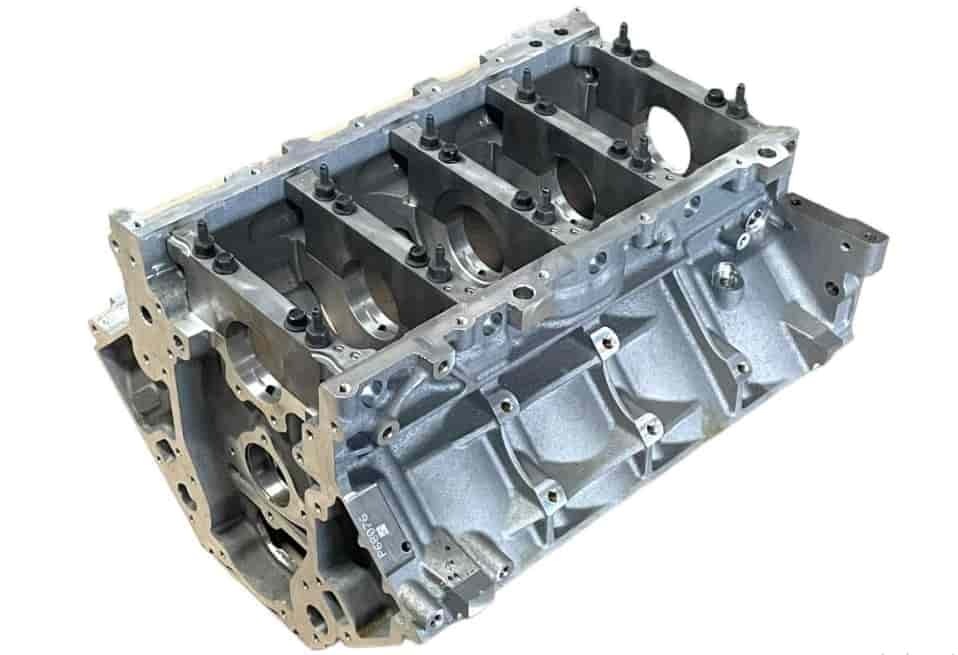
The L33 engine is part of the General Motors Gen IV small block V8 platform. Engineers designed it to deliver a balance between lightweight construction and strong torque output. It uses a 5.3L displacement, which equals 5328 cc, and it follows a V8 configuration with an overhead valve design.
General Motors chose an aluminum block for the L33. This decision reduces engine weight compared to iron block variants. The lighter structure improves vehicle handling and helps increase overall efficiency. The engine still maintains strong structural rigidity, which supports long term durability under load.
The internal design of the L33 focuses on efficiency and reliability. It uses a bore and stroke setup that favors torque at lower RPM ranges. This makes the engine suitable for trucks and SUVs that need consistent pulling power. The compression ratio also supports a stable combustion process that improves both performance and fuel economy.
Fuel delivery uses a sequential fuel injection system. This system improves throttle response and helps maintain smoother fuel distribution across all cylinders. The result is more stable performance during different driving conditions, especially under load or during towing.
The L33 engine also connects closely with other engines in the GM LS family. It shares its design foundation with other Gen IV engines, but it stands out due to its aluminum construction. Compared to iron block engines like the LM7, the L33 reduces weight while maintaining similar displacement and core architecture.
General Motors positioned this engine for truck platforms such as the Chevrolet Silverado and GMC Sierra. It supports both daily driving and heavy duty usage. Engineers designed it to handle consistent torque demands while still offering acceptable fuel efficiency for a V8 platform.
When we analyze L33 engine specs at the architectural level, we see a clear focus on balance. The engine does not aim for extreme performance. Instead, it prioritizes usable power, durability, and real world efficiency.
Performance Analysis
The L33 engine delivers a performance profile that focuses on usable power rather than peak output. General Motors tuned this 5.3L V8 to work well in truck platforms where torque and drivability matter more than high RPM horsepower.
In factory configuration, the L33 produces around 310 horsepower depending on calibration and application. It also generates strong torque at low to mid RPM ranges. This torque behavior gives the engine solid pulling power during towing and hauling tasks. Drivers often feel this strength during initial acceleration and when carrying heavy loads.
The torque curve stays relatively flat across the usable RPM range. This makes the engine predictable in real driving conditions. It responds well under partial throttle and maintains consistent power delivery on highways. This smooth behavior improves comfort during long distance driving.
The L33 also performs well in real world truck usage. It supports steady acceleration without requiring high RPM operation. This reduces stress on internal components and helps improve long term durability. Many users report that the engine feels balanced rather than aggressive, which suits daily driving needs.
When modified, the L33 shows strong tuning potential. It reacts well to basic performance upgrades such as cold air intakes, exhaust system improvements, and ECU tuning. These changes can increase horsepower output and improve throttle response. In LS swap applications, builders often use forced induction to unlock much higher performance levels.
The engine belongs to the broader GM LS family, which is known for its adaptability. Because of this shared architecture, the L33 benefits from a large aftermarket support network. This makes performance upgrades more accessible compared to many other V8 engines in its class.
When we analyze L33 engine specs from a performance perspective, the key strength is balance. It does not aim to be the most powerful LS engine. Instead, it delivers consistent torque, stable horsepower, and predictable behavior across different driving conditions.
Reliability & Common Issues
The L33 engine has a strong reputation for reliability within the GM LS family. General Motors designed it with durability in mind, especially for truck applications where engines often operate under continuous load for long periods. The aluminum block construction reduces weight but still maintains solid structural strength for long term use.
In normal conditions, the L33 can reach high mileage without major internal failure if owners follow proper maintenance schedules. Regular oil changes and correct coolant management play a major role in preserving engine health. Many engines in this family perform well beyond 200,000 miles when maintained correctly.
One of the main strengths of the L33 is its robust bottom end design. The crankshaft and connecting rod setup handle torque efficiently, which supports both towing and daily driving. This design reduces stress during low RPM operation, which is where most truck engines spend their time.
However, the engine does have some known issues that appear in higher mileage units. Oil consumption can increase over time, especially if maintenance intervals are extended. Valve train wear may also occur, particularly in engines that experience heavy load conditions frequently. These issues do not usually cause immediate failure, but they can affect long term efficiency and smoothness.
Cooling system condition also plays an important role in reliability. If the engine runs at high temperatures for extended periods, internal wear can increase. Owners who maintain radiator health and coolant quality tend to experience fewer problems over time.
The L33 also benefits from its place in the LS engine ecosystem. Mechanics understand this platform well, and replacement parts are widely available. This reduces repair complexity and lowers long term ownership cost compared to less common V8 engines.
When we evaluate L33 engine specs from a reliability perspective, the conclusion is clear. The engine offers strong durability, predictable wear patterns, and manageable maintenance requirements. It is not completely free from issues, but it provides a stable and long lasting performance foundation when properly cared for.
Applications & Vehicle Usage
The L33 engine appears mainly in General Motors truck platforms. Engineers designed it for light duty trucks and SUVs that need a balance of torque, durability, and fuel efficiency. It fits naturally into the GM small block V8 lineup and supports both everyday driving and work oriented use.
One of the most common applications is in the Chevrolet Silverado. In this platform, the L33 delivers steady low end torque that helps with towing and payload capacity. It also supports smooth highway cruising, which makes it practical for long distance driving. Drivers often choose this engine because it offers reliable performance without excessive complexity.
The engine also appears in GMC Sierra models. In this setup, it serves a similar role by providing strong pulling power and stable performance under load. The aluminum block design helps reduce front end weight, which slightly improves handling compared to heavier iron block variants.
Beyond factory applications, the L33 has become popular in the LS swap community. Builders often select it as a base engine for performance projects because it belongs to the Gen IV LS family. This gives it strong aftermarket support and wide compatibility with performance parts. Many enthusiasts use it in older vehicles where modern fuel injection and reliable V8 power are desired.
The engine also adapts well to modified builds. It works with turbocharging, supercharging, and naturally aspirated upgrades. This flexibility makes it a practical choice for both street performance and custom projects. Its strong internal structure allows it to handle moderate power increases without immediate internal reinforcement.
When analyzing L33 engine specs in terms of application, the key strength is versatility. It performs well in factory truck environments and also adapts effectively to performance modifications. This dual role increases its long term relevance in both OEM and aftermarket contexts.
Comparison Analysis
The L33 engine is often compared with other GM small block V8 engines such as the LM7 and LS1. These comparisons help highlight where the L33 stands in terms of design, performance, and real world usability.
The LM7 engine uses an iron block instead of aluminum. This makes the LM7 heavier but also slightly more robust in some heavy duty conditions. In contrast, the L33 uses an aluminum block, which reduces weight and improves vehicle balance. This weight reduction can improve handling and efficiency, especially in lighter trucks or swapped vehicles. Both engines share the same 5.3L displacement, but their driving feel differs due to material differences.
When comparing L33 and LM7 performance, both engines produce similar horsepower and torque in stock form. However, the L33 often feels more responsive due to its lighter construction. The LM7 may offer a slightly more stable thermal profile under extreme load because of its iron block design.
The LS1 engine sits in a different category. It is a 5.7L performance oriented engine designed more for cars than trucks. It generally produces higher horsepower and revs more freely compared to the L33. However, the LS1 does not prioritize low end torque as much as the L33, which makes the L33 more suitable for towing and utility use.
In terms of tuning potential, all three engines belong to the broader LS family, which means they share strong aftermarket support. The LS1 leads in performance potential at higher RPMs, while the L33 offers a more balanced platform for both daily driving and moderate performance upgrades. The LM7 remains a cost effective option for swaps due to its availability and durability.
When evaluating L33 engine specs in comparison with these engines, the conclusion is clear. The L33 stands in the middle ground. It is lighter than the LM7 and more utility focused than the LS1. This balance makes it one of the most versatile options in the GM V8 lineup.
Conclusion
The L33 engine represents a well balanced approach within the General Motors small block V8 family. It combines a 5.3L displacement with an aluminum block design, which reduces weight while maintaining strong torque output. This combination makes it suitable for both factory truck applications and performance oriented modifications.
Across all L33 engine specs, the most consistent theme is balance. The engine does not focus on extreme horsepower or high RPM performance. Instead, it delivers stable torque, predictable power delivery, and practical efficiency for real world driving. This makes it especially effective in pickup trucks and SUVs where load carrying and towing capability matter.
From a reliability perspective, the L33 performs strongly when properly maintained. It can handle high mileage use and continues to deliver consistent output over time. While it does have some common wear related issues such as oil consumption in older units, these problems are manageable with regular maintenance and do not undermine its overall durability.
In performance comparisons, the L33 sits between more utility focused engines like the LM7 and higher performance engines like the LS1. This middle position gives it a unique advantage. It offers enough performance for enthusiasts while still maintaining the practicality required for daily driving and work applications.
Overall, the L33 engine remains relevant because it delivers a combination of efficiency, durability, and flexibility. It fits well within the broader GM LS ecosystem and continues to attract attention from both truck owners and LS swap builders.
For anyone evaluating L33 engine specs today, the key takeaway is simple. It is not the most powerful or the most advanced LS engine, but it is one of the most balanced and practical options in its class.