The air conditioning system in a Chevrolet Silverado keeps the cabin comfortable in hot weather. When the AC stops working, many drivers think a major part has failed. In reality, the problem often comes from the HVAC system losing its settings.
Knowing how to reset AC on Chevy Silverado helps you fix many of these issues without repairs. The system relies on electronic controls that manage airflow, temperature, and compressor function. A battery change or electrical issue can disrupt these controls. When this happens, the AC may blow warm air or stop responding correctly.
The HVAC system needs correct calibration to work properly. If it loses memory, it cannot control cooling performance as expected. A reset allows the system to relearn its settings and restore normal operation. This process often fixes common issues without replacing parts.
In this guide, you will learn a clear step by step method for how to reset AC on Chevy Silverado. You will also understand why the system fails, how to confirm a successful reset, and what to check if the AC still does not work. This helps you avoid unnecessary repair costs and diagnose the real problem faster.
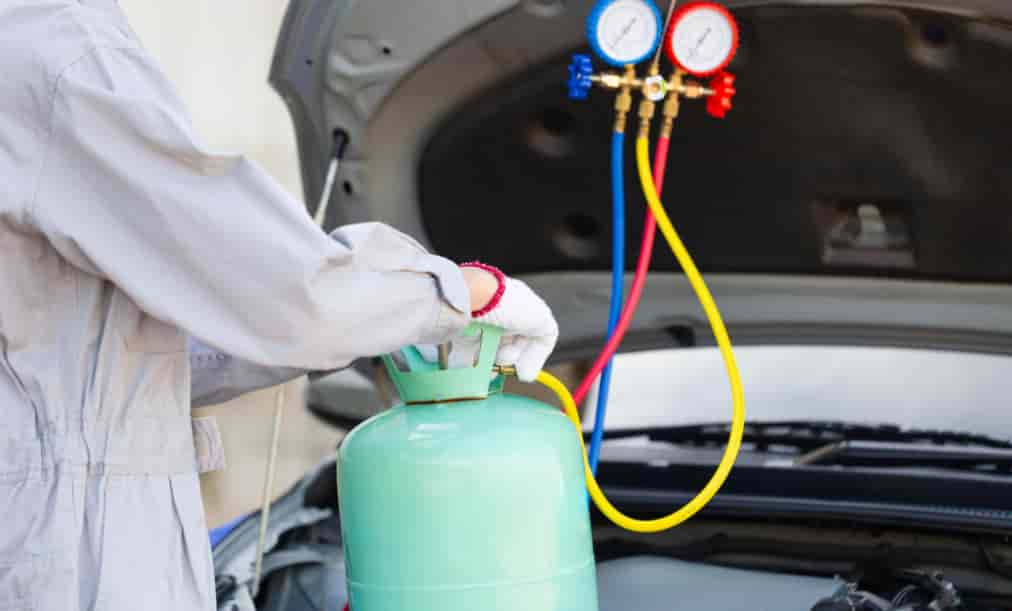
Understanding the Chevy Silverado AC and HVAC System
The AC system in a Chevrolet Silverado works as part of a larger HVAC system. HVAC stands for heating, ventilation, and air conditioning. This system controls cabin temperature, airflow direction, and air quality inside the vehicle.
The HVAC system depends on several key components. The AC compressor cools the refrigerant and sends cold air into the cabin. The blower motor pushes air through the vents. The climate control module manages settings based on driver input. Sensors help the system adjust temperature and airflow automatically.
Each component must work together for the system to function correctly. When one part fails or loses communication, the entire system can behave incorrectly. You may notice weak airflow, incorrect temperature, or no cooling at all.
Modern Chevy Silverado models use electronic controls instead of mechanical switches. This means the system stores settings in a control module. If the module loses power or data, it may stop working correctly. In many cases, a reset helps restore normal communication between components.
Understanding this system is important before you learn how to reset AC on Chevy Silverado. A reset does not fix broken parts. It only restores software calibration and system memory. If the hardware is damaged, the issue will remain even after resetting.
Common Reasons Why You Need to Reset AC on Chevy Silverado
The AC system on a Chevy Silverado does not always fail because of mechanical damage. In many cases, the problem starts from electronic glitches or lost calibration inside the HVAC system. When this happens, a reset can restore normal function.
One common reason is a battery replacement. When you disconnect the battery, the HVAC control module can lose stored settings. After reconnection, the system may not immediately work as expected.
Another frequent cause is a temporary electrical interruption. Voltage drops or unstable power can confuse the climate control module. This may lead to incorrect airflow or unresponsive AC controls.
Software glitches inside the HVAC system can also trigger problems. The module may stop responding to temperature changes or fan speed adjustments. In some cases, the system continues to blow warm air even when settings are correct.
Faulty communication between sensors can also create issues. If temperature sensors send incorrect signals, the system may adjust cooling in the wrong way. This often feels like the AC is not working properly.
Some drivers also experience AC problems after repairs or fuse replacements. The system may need recalibration to sync all components again.
In all these situations, knowing how to reset AC on Chevy Silverado helps restore normal operation without replacing parts. However, if the issue comes from damaged hardware, a reset will not fully solve the problem.
Step-by-Step Guide on How to Reset AC on Chevy Silverado
Resetting the AC system on a Chevy Silverado helps restore HVAC calibration and fix common electronic issues. You can follow the steps below to complete the reset safely and correctly.
First, turn off the ignition and remove the key. Make sure the vehicle is completely powered down. This prevents electrical signals from interfering during the reset process.
Next, disconnect the negative terminal of the battery. This step helps clear stored memory in the HVAC control module. Leave the battery disconnected for about 10 to 15 minutes to allow the system to fully discharge.
After waiting, reconnect the battery terminal securely. Make sure the connection is tight to avoid power interruptions.
Turn the ignition back on without starting the engine. Allow the system to initialize. The HVAC module will begin to reload default settings.
Now run a basic climate control cycle. Set the AC to maximum cold and adjust the fan speed through all levels. This helps the system relearn airflow calibration and internal settings.
Finally, test the air conditioning performance. Check if cold air returns and if airflow responds correctly to adjustments. If everything works normally, the reset was successful.
If the AC still does not function properly, the issue may not be related to calibration. In that case, further diagnosis of components like the compressor or sensors may be required.
How to Know If the AC Reset Worked Successfully
After you complete the reset process, you need to confirm whether the HVAC system is working correctly. A successful reset will restore normal communication between components and bring back stable cooling performance.
The first sign is cold air coming from the vents again. The temperature should match your AC settings without delay. If the system responds quickly, the calibration likely worked.
Next, check the airflow consistency. The blower motor should run smoothly at all speed levels. You should not notice sudden drops or irregular airflow changes.
Also test the temperature controls. Adjust the settings from cold to warm and observe how fast the system reacts. A properly reset HVAC system responds in a steady and predictable way.
Listen for unusual sounds from the dashboard area. A successful reset usually removes clicking noises or repeated motor movements caused by calibration errors.
Finally, monitor the system for a few minutes. The AC should maintain stable cooling without switching back to warm air or losing performance.
If all these conditions are met, the reset process worked correctly. If problems continue, the issue may come from hardware components such as the compressor, blower motor, or sensors. In that case, further inspection is necessary.
What If AC Still Doesn’t Work After Reset?
If the AC on your Chevy Silverado still does not work after a reset, the problem is likely not related to calibration. In this case, you need to check hardware and electrical components inside the HVAC system.
Start by checking the refrigerant level. Low refrigerant can prevent the system from producing cold air. This is one of the most common reasons for weak cooling performance.
Next, inspect the AC fuse and relay. A blown fuse or faulty relay can stop the compressor from running. When this happens, the system may still turn on but will not cool the air.
You should also check the AC compressor. If the compressor is damaged or not engaging, the system cannot circulate refrigerant properly. This leads to warm air from the vents even when settings are correct.
The blower motor is another important component. If it fails, airflow will be weak or completely absent. This can feel like the AC is not working even though cooling is active.
Temperature and pressure sensors can also cause incorrect system behavior. If they send wrong signals, the HVAC system may adjust cooling incorrectly or shut down parts of the operation.
In some cases, you may need an OBD2 scanner to read HVAC error codes. These codes help identify hidden issues inside the system that are not visible during a basic inspection.
If none of these checks solve the problem, the vehicle may need professional diagnosis. This ensures the root cause is identified and repaired correctly.
Preventive Tips to Avoid AC System Issues
Keeping the AC system on your Chevy Silverado in good condition helps you avoid frequent resets and costly repairs. Regular maintenance also improves cooling performance and extends the life of the HVAC system.
One important step is to replace the cabin air filter on a regular schedule. A clogged filter reduces airflow and forces the system to work harder. This can lead to weak cooling and poor air circulation.
You should also check the refrigerant level from time to time. Low refrigerant can reduce cooling efficiency and damage the compressor if ignored for too long.
It is also important to keep the condenser clean. Dirt and debris can block airflow and reduce heat exchange. When this happens, the AC system cannot cool the air effectively.
Avoid running the AC system at maximum load for long periods when it is not necessary. This helps reduce stress on the compressor and other components.
You should also pay attention to early warning signs. Weak airflow, unusual noises, or inconsistent temperatures often indicate a developing issue. Addressing these early can prevent bigger failures.
Finally, avoid unnecessary resets of the HVAC system. Resetting should only be done when there is a clear electronic issue. Frequent resets do not fix mechanical problems and can sometimes hide real faults.
By following these steps, you can keep your AC system stable and reduce the need to learn how to reset AC on Chevy Silverado repeatedly.
Conclusion
Understanding how to reset AC on Chevy Silverado helps you handle many common HVAC system problems without unnecessary repairs. In many cases, AC issues do not come from broken parts. They come from lost calibration, electrical interruptions, or temporary system glitches.
When you perform a proper reset, the HVAC system can relearn its settings and restore normal operation. This often brings back cold air, stable airflow, and correct temperature control. However, a reset is not a solution for every problem. If hardware components such as the compressor, blower motor, or sensors are damaged, the issue will remain even after resetting.
That is why it is important to follow a clear diagnostic approach. Start with a reset when symptoms appear after battery changes or electrical issues. Then check refrigerant levels, fuses, and mechanical components if the problem continues.
By combining proper reset steps with basic troubleshooting, you can identify the real cause of AC issues more accurately. This helps you save time, avoid unnecessary costs, and keep your Chevy Silverado HVAC system working efficiently for a longer period.
If the system still does not perform correctly after all steps, professional inspection is the safest option to ensure proper repair and long-term reliability.