LY6 Engine Specs Explained: Full Breakdown of GM 6.0L Vortec Performance, Horsepower, and Torque is a topic that draws strong interest in the automotive world. The LY6 engine belongs to the GM LS-based family and uses a 6.0L V8 iron block design. GM built this engine mainly for trucks and heavy-duty use. Because of this focus, it delivers strong torque and stable long-term performance instead of high RPM power.
Many people search for LY6 engine specs to learn its horsepower, torque, and real-world capability. Others want to know how it compares with different GM 6.0L engines. Some also consider it for engine swaps or performance builds. The LY6 stands out because it combines LS architecture with a durable truck-focused setup.
This engine uses an iron block, which increases strength under heavy load. It also uses a pushrod valvetrain that keeps the design simple and reliable. These features make it popular in work trucks and swap projects.
In this article, you will see a full breakdown of the LY6 engine. It includes technical specs, power output, real driving behavior, reliability factors, and tuning potential. The goal is to help you understand how this engine performs in real use, not just on paper.
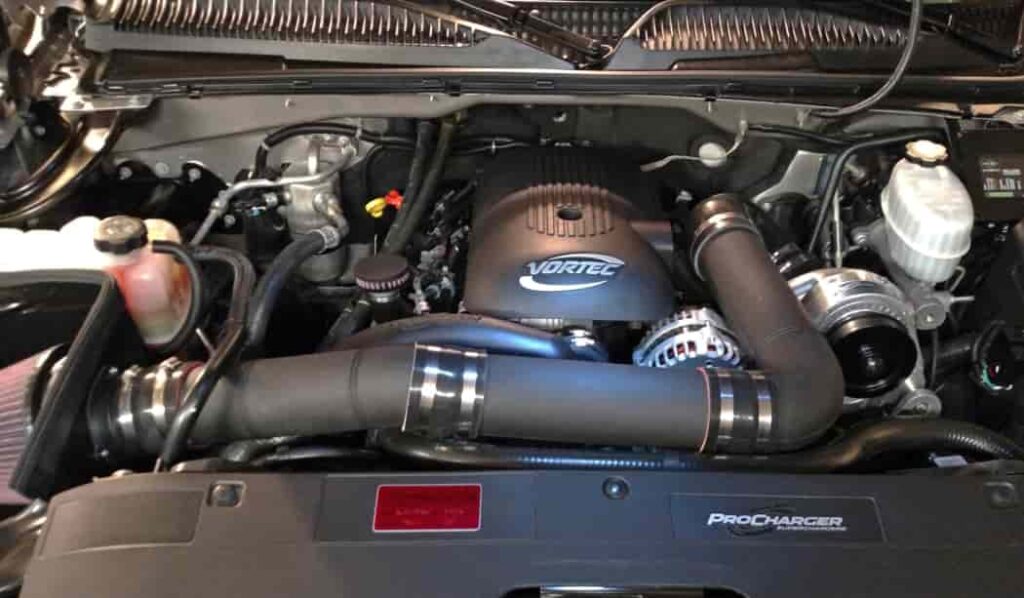
LY6 Engine Overview
The LY6 engine is a 6.0L V8 powerplant developed by General Motors as part of the LS-based engine family. It belongs to the Vortec lineup and uses an iron block construction. GM designed it for heavy-duty trucks and commercial applications that require strong torque and long-term durability. This focus makes the LY6 different from performance-oriented LS engines that aim for higher RPM power.
GM produced the LY6 primarily during the mid to late 2000s. It appeared in several full-size trucks and SUVs. These vehicles needed engines that could handle towing, hauling, and constant load conditions. The LY6 meets these demands through its robust internal structure and conservative factory tuning.
The engine uses a traditional pushrod OHV layout with two valves per cylinder. This design keeps the system simple and strong under stress. It also improves low-end torque delivery, which is important for truck performance. The iron block adds extra weight but significantly increases durability compared to aluminum block variants.
As part of the LS engine ecosystem, the LY6 shares many design principles with other GM V8 engines. It supports aftermarket modification and engine swaps. Many builders choose it as a budget-friendly option because it offers a strong foundation without complex engineering requirements.
The LY6 sits in a balanced position within the LS family. It does not aim for extreme horsepower from the factory. Instead, it focuses on consistent performance, reliability, and torque output. This makes it a practical choice for both work applications and performance upgrades.
LY6 Engine Technical Specifications
The LY6 engine is built around a 6.0L displacement, equal to 364 cubic inches. It uses a V8 configuration with an iron block and aluminum cylinder heads. GM designed this setup to balance strength and thermal efficiency while keeping production costs reasonable for truck applications.
The bore measures 101.6 mm and the stroke measures 92 mm. This combination creates a slightly oversquare design that supports strong low-end torque while maintaining stable mid-range performance. The compression ratio is typically around 9.6:1, depending on the application and model year.
The LY6 uses a sequential fuel injection system. This system improves fuel delivery precision and helps maintain consistent combustion across all cylinders. It also contributes to better drivability under load conditions.
The valvetrain follows a pushrod OHV configuration. Each cylinder uses two valves, which keeps the design simple and strong. This setup reduces mechanical complexity and improves long-term reliability, especially in heavy-duty environments.
The engine control system uses GM’s electronic throttle control and an advanced ECU calibration designed for truck usage. The tuning focuses on torque delivery at lower RPM ranges instead of high-rev horsepower output.
The LY6 typically produces a factory redline around 6,000 RPM. However, most of its usable power comes well below that range. This reflects its purpose as a work-focused engine rather than a performance racing engine.
Cooling and lubrication systems are designed for sustained load operation. This allows the engine to maintain stability during towing and long-distance driving without overheating or excessive wear.
Overall, the LY6 technical specifications show a clear engineering focus on durability, torque efficiency, and real-world usability in demanding conditions.
Horsepower and Torque Output
The LY6 engine delivers factory horsepower and torque figures that reflect its truck-focused design. General Motors tuned this engine to prioritize pulling power and low-end response instead of high RPM performance. This makes it ideal for heavy-duty use, towing, and utility driving conditions.
In most applications, the LY6 produces around 322 to 361 horsepower, depending on the vehicle and model year. Torque output typically ranges from about 373 to 385 lb-ft. These numbers may seem moderate compared to modern performance engines, but they are highly effective in real-world truck operation.
The most important strength of the LY6 is its torque curve. The engine delivers strong torque at low RPM, which helps vehicles move heavy loads with less strain. This characteristic improves towing performance and makes driving smoother under load. The engine does not need high revs to perform well, which also increases long-term durability.
GM designed the LY6 for consistent power delivery rather than peak output. This means the engine maintains stable performance even under continuous stress. Drivers experience predictable throttle response, especially when hauling or climbing steep grades.
Compared to high-performance LS engines, the LY6 may feel less aggressive at high RPM. However, it compensates with strong mid-range torque and reliable output in daily use. This is why it is widely used in trucks like the Chevrolet Silverado and GMC Sierra platforms.
Overall, the LY6 engine specs for horsepower and torque show a clear engineering goal. GM focused on strength, efficiency, and long-term stability rather than maximum horsepower figures. This makes the engine highly practical for real-world driving conditions.
Real-World Performance & Driving Characteristics
The LY6 engine performs in a way that clearly matches its design goal. It focuses on steady power delivery, strong pulling ability, and predictable behavior under load. In real driving conditions, this engine feels most comfortable in trucks and large SUVs rather than lightweight performance cars.
At low speeds, the LY6 responds quickly to throttle input. This comes from its torque-heavy tuning, which allows the vehicle to move smoothly even when carrying heavy cargo or towing. Drivers often notice that the engine does not need high RPM to feel powerful. It delivers usable strength early in the rev range, which improves control in everyday situations.
On highways, the LY6 maintains stable cruising performance. It holds speed without frequent gear changes, especially when paired with GM’s automatic transmissions. The engine does not feel stressed during long-distance driving, which supports comfort and reliability over time.
In city driving, fuel consumption can feel higher compared to smaller engines. This is expected because the LY6 is a large displacement V8 designed for strength rather than efficiency. However, the trade-off is smooth acceleration and strong response when needed.
When towing, the LY6 shows its true capability. It handles trailers and heavy loads with confidence. The torque output keeps the vehicle stable, even on inclines. This is one of the main reasons the engine is widely used in GM’s truck lineup.
Overall, real-world performance of the LY6 engine highlights a clear identity. It is not built for speed or aggressive acceleration. Instead, it delivers controlled power, durability, and consistent behavior in demanding driving conditions.
Vehicle Applications
The LY6 engine was designed specifically for GM trucks and heavy-duty platforms where durability and torque matter more than high-performance output. General Motors placed this engine in full-size vehicles that required stable pulling power, long service life, and consistent performance under load.
One of the most common applications of the LY6 engine is in the Chevrolet Silverado 2500 and 3500 series. These trucks rely on strong low-end torque for towing trailers, hauling equipment, and handling commercial workloads. The LY6 fits this role because it delivers steady power without needing high RPM operation.
The engine also appears in the GMC Sierra HD lineup. These vehicles share similar requirements with Silverado models and focus on utility and strength. The LY6 supports these needs with its iron block construction and torque-oriented tuning.
In addition to pickup trucks, GM also used the LY6 in some full-size SUVs such as the Chevrolet Suburban and Chevrolet Tahoe in specific configurations. These SUVs benefit from the engine’s ability to move heavy loads while maintaining stable highway performance.
Fleet and commercial users also value the LY6 because it offers long-term reliability under continuous operation. It handles extended driving cycles well, especially in work environments where vehicles are used daily for towing or transport.
The main reason GM selected the LY6 for these vehicles is its balance between durability and cost efficiency. The engine uses a proven LS-based architecture, which simplifies maintenance and supports long service life.
Overall, LY6 engine applications show a clear focus on utility. GM placed this engine in vehicles that require strength, stability, and dependable performance rather than sporty acceleration or high-speed capability.
Reliability and Common Issues
The LY6 engine is widely known for its strong reliability, especially in heavy-duty truck applications. GM built this engine using a proven LS-based architecture, which already has a solid reputation for durability. The iron block construction adds extra strength, making the LY6 capable of handling high load conditions for long periods.
In normal use, the LY6 can reach very high mileage when it receives proper maintenance. Oil changes, cooling system care, and regular inspections play an important role in keeping the engine healthy. Many owners value the engine because it continues to perform consistently even after years of towing and daily driving.
One of the main strengths of the LY6 is its simple pushrod valvetrain design. This system reduces mechanical complexity and lowers the risk of failure compared to more advanced overhead cam engines. It also improves long-term serviceability, which is important for truck owners and fleet operators.
However, the LY6 is not completely free of issues. Some engines may experience oil pressure concerns over time, especially if maintenance is neglected. Lifter wear can also appear in high-mileage units. In some cases, sensor-related problems or minor electrical issues may affect engine performance, but these are usually manageable.
Cooling system health is another important factor. Because the engine is often used under heavy load, overheating can become a risk if the radiator or coolant system is not maintained properly. Preventive maintenance helps reduce these risks significantly.
Overall, the LY6 engine reliability is considered above average for a V8 truck engine. It performs well under stress and maintains durability when properly cared for. This is one of the key reasons it remains popular in both commercial and enthusiast communities.
Tuning Potential and Modifications
The LY6 engine offers strong tuning potential because it is built on the LS-based platform, which has one of the most active aftermarket ecosystems in the automotive industry. Even though GM designed it for truck use, the engine responds well to performance upgrades when properly modified.
In naturally aspirated setups, simple bolt-on modifications can improve performance. Upgrading the intake system, exhaust headers, and throttle body can increase airflow and improve throttle response. A camshaft upgrade is also a common modification that significantly enhances horsepower and shifts the power curve toward higher RPM performance.
For more aggressive builds, forced induction setups such as turbochargers or superchargers can be added. The LY6 iron block provides strong durability, which makes it suitable for moderate boost levels when tuned correctly. However, proper fuel system upgrades and engine tuning are required to maintain reliability under increased pressure.
Engine builders also value the LY6 for LS swap projects. Its compatibility with other LS components makes it easier to integrate into different vehicles. With the right wiring harness, ECU calibration, and mounting setup, the engine can be adapted for performance cars, off-road builds, or custom projects.
In stock form, the LY6 is not designed for extreme horsepower. However, with internal upgrades such as forged pistons, stronger connecting rods, and improved valvetrain components, it can handle significantly higher power levels.
Overall, LY6 engine specs show that while it is a truck-focused engine from the factory, it has strong potential for performance modification. Its balance of durability and aftermarket support makes it a popular choice among enthusiasts who want both reliability and upgrade flexibility.
Conclusion
The LY6 engine stands out as a reliable and torque-focused 6.0L V8 built on GM’s LS-based architecture. Its design prioritizes durability, low-end power, and consistent performance over high-revving horsepower. This makes it a strong choice for trucks, SUVs, and heavy-duty applications where stability matters more than speed.
From its technical specifications to real-world behavior, the LY6 shows a clear engineering direction. It delivers solid horsepower and strong torque, especially in low to mid RPM ranges. This allows it to handle towing, hauling, and long-distance driving with confidence. Its iron block construction further improves long-term durability under demanding conditions.
In terms of applications, the engine has proven itself in GM trucks like the Silverado HD and Sierra HD, as well as selected full-size SUVs. It also remains popular in the performance and swap community due to its LS compatibility and aftermarket support.
While it is not designed as a high-performance racing engine from the factory, the LY6 still offers strong tuning potential. With the right modifications, it can support significant power increases while maintaining its structural reliability.
Overall, the LY6 engine specs reflect a balanced combination of strength, practicality, and adaptability. It continues to be a respected option for both work-focused drivers and automotive enthusiasts who value durability and upgrade potential.